Image prompt Posters & Typography Customizable
Monument Valley Chinese Typography Poster
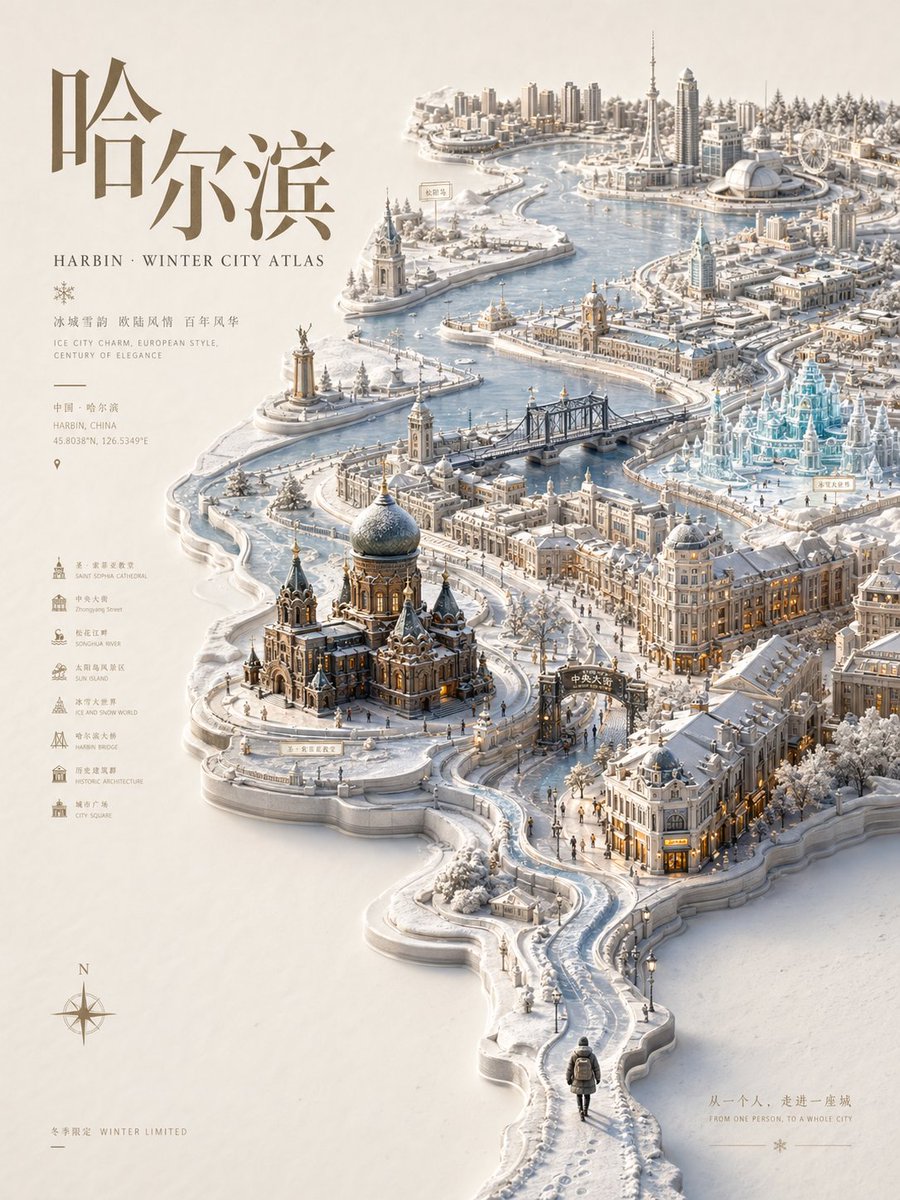
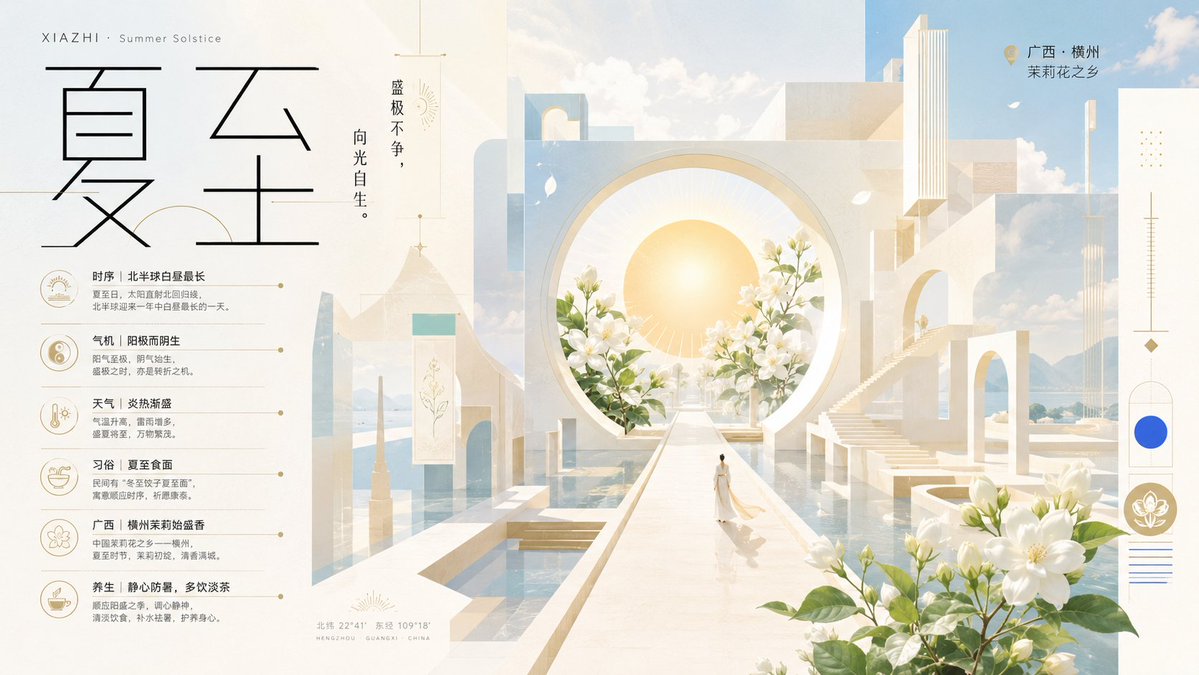
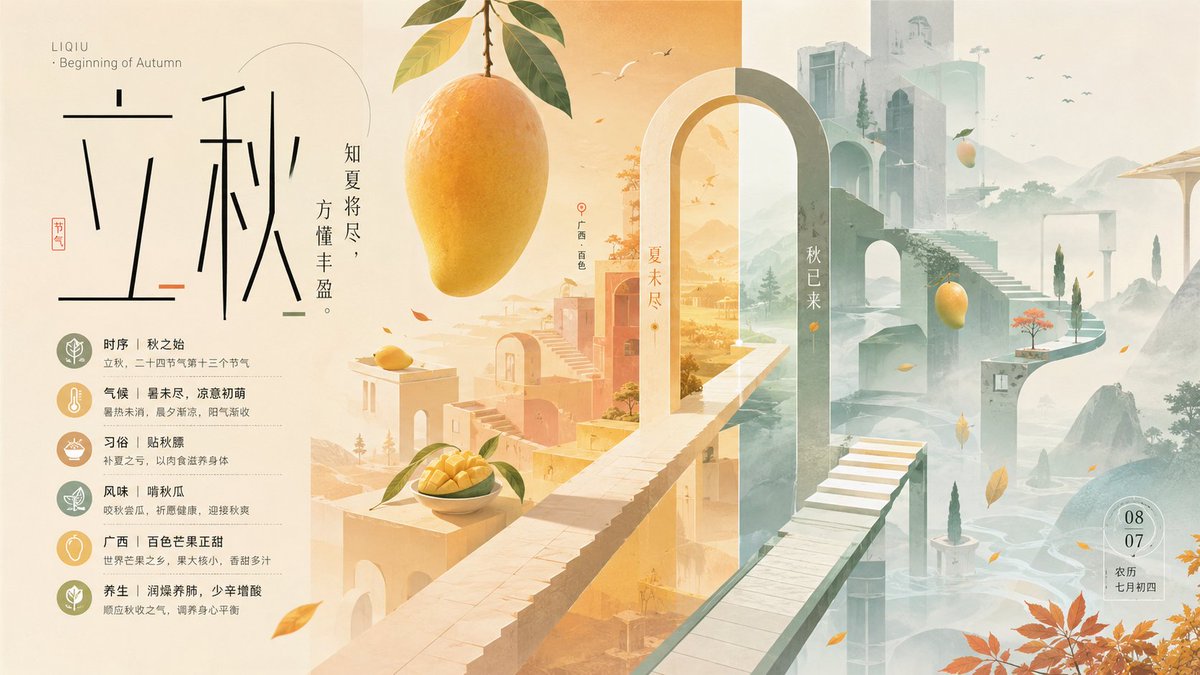
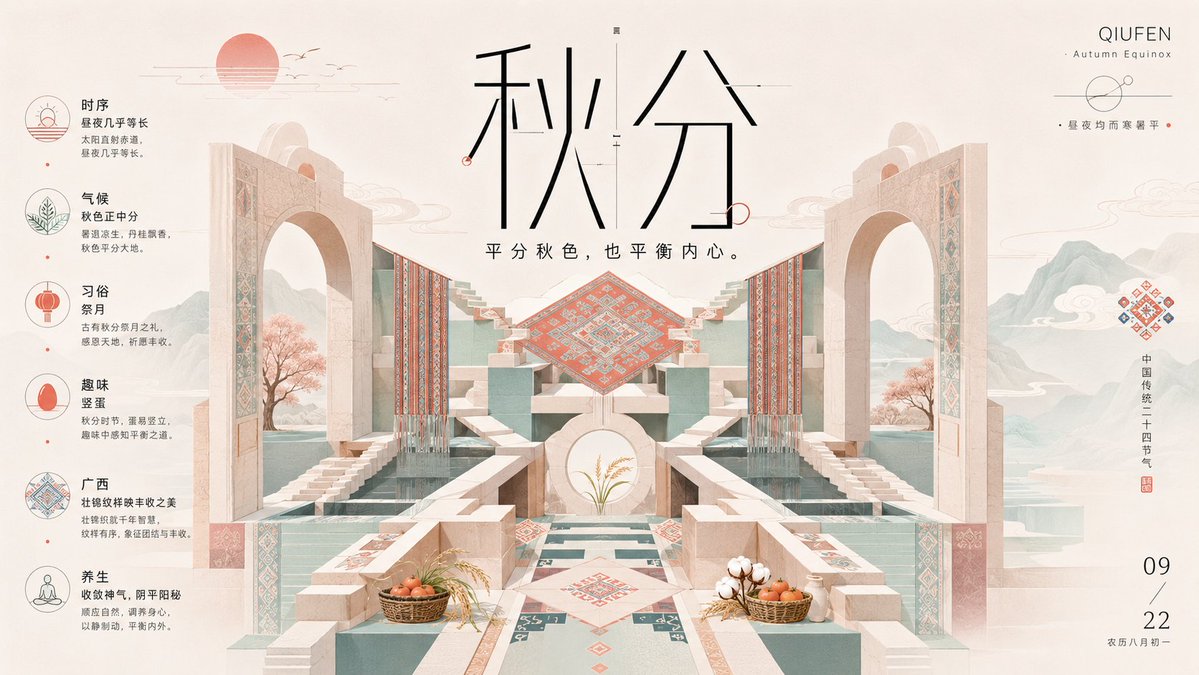
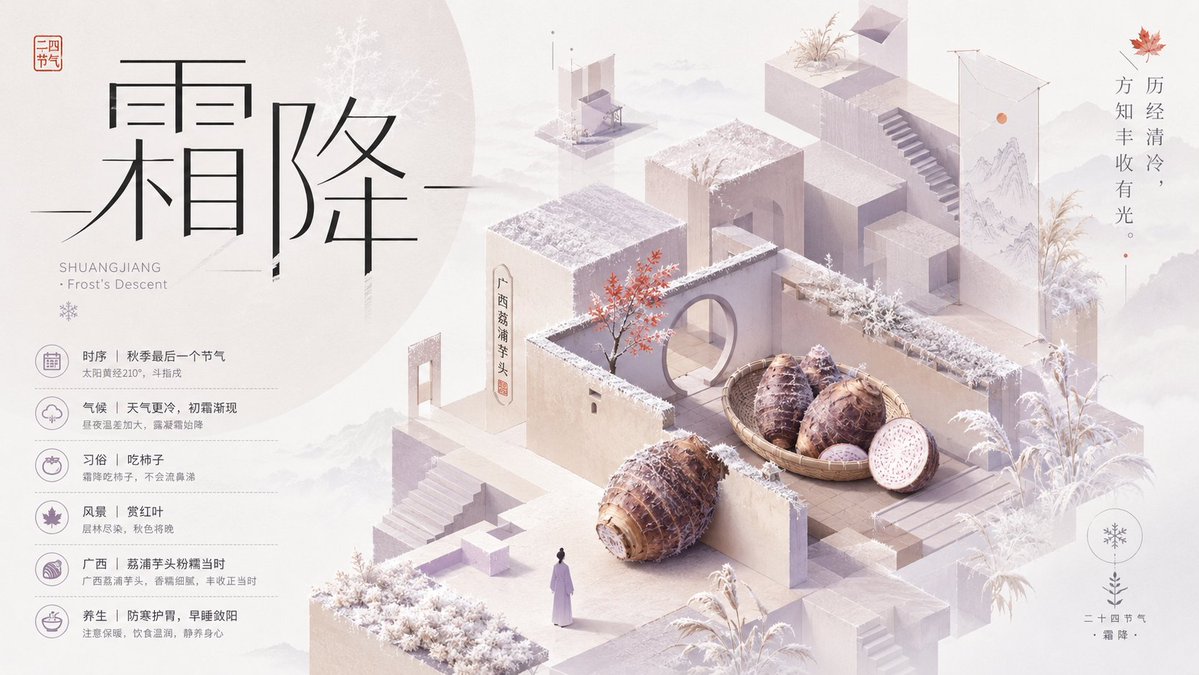
A minimalist isometric poster where geometric platforms, arches and passages frame a large Chinese title in clean sans-serif. Soft cream, mist pink and mint tones give it a calm, airy depth.

- Model
- GPT Image 2
- Type
- 4 images
- Aspect ratio
- 16:9
- Shared
- 21 May 2026
- Likes on X
- 167
Theme / word / short phrase
Image prompt
3,539 charactersBased on the [theme / word / short phrase] the user last enters, generate a minimalist surrealist 3D art poster with a "Monument Valley aura." Core logic (key): Do not forcibly turn Chinese text into three-dimensional architecture. First understand the theme's semantics, use "spatial structure" to express emotion and metaphor; then use "Chinese typography" as the main visual title, the two working in synergy rather than fused and deformed. Spatial design: Build a Monument Valley-style geometric space (platforms / steps / archways / passages / floating structures) in isometric perspective. The space must serve the theme's expression, e.g. metaphorizing emotion through height differences, paths, occlusion, isolation and connection, rather than mere shape stacking. Chinese design (focus): Chinese must appear as a clear, readable main title and become one of the layout's visual cores. Use "graphic-design treatment" rather than three-dimensionalization: - may use minimalist sans-serif / thin gothic / geometric-structured glyphs - may apply slight stretching, cutting, misalignment, whitespace design - may have occlusion, interweaving or overlapping relationships with the space (without becoming architecture) - keep it refined, restrained and readable Auxiliary text: May add a little English or numeric info (like vol. / year / number) as a layout-balancing element, but with weight clearly lower than the Chinese main title. Color system (optimization focus): Use a "Monument Valley-style dynamic palette," but adapted for print: - based on bright, soft, low-saturation tones (cream white, misty pink, light blue, mint green, sandstone, light gray, etc.) - avoid large dark areas and dead black - use brightness variation within the same color family to build spatial hierarchy (front / middle / back) - accent with 1–2 high-purity colors to guide the visual focus (archways / edges / turning points) Overall colors must be "translucent, airy, layered," not a fixed color scheme. Composition and layering: Subject clear, but the frame cannot be empty: - add around it a small amount of "weakened extension of same-origin structures" - use repeated geometry, distant blocks, edge slices to form a compositional loop - establish foreground / midground / background relationships, giving depth without over-complexity Atmosphere control: Allow only very few mood elements (pale moon, faint glow, thin twigs, light mist or geometric symbols), just a touch, not piled up. Character: Optionally a character in minimal proportion (≤8%) as a scale and emotion anchor, with quiet, restrained motion. Final effect: A high-end design poster of "space expressing the theme + Chinese-dominated layout," with Monument Valley spatial language, clear visual hierarchy, restrained colors and strong design sense, usable directly for art exhibitions or design annuals. User input theme: This task: Generate 10 cards corresponding to the 24 solar terms after Xiaoman (Grain Full). Note that each card has independent creativity and colors, independent layout, no serial-number association, each with ingenuity in layout and a dynamic rhythm of variation in design approach. Each element should have at least 5 information or knowledge points at different levels; the central element is a representative Guangxi specialty or style element + fused solar-term element; the subtitle is a philosophical maxim of the corresponding solar term. Special emphasis: 10 images in total, each in 16:9 size. Aesthetic value: collector's grade.
How to use it
Keep the isometric architecture simple and the Chinese title as the dominant visual anchor, so the space supports the theme rather than competing with it. Swap the bracketed theme phrase for a word or short phrase that carries meaning for you, and let the spatial metaphor follow its emotion. The poster works well as an exhibition print or a large wall piece. It was shared as a GPT Image 2 prompt.
Shared publicly on X on 21 May 2026. All credit for this prompt and its result goes to its creator. Is this yours? Ask for an update or removal.