Image prompt Posters & Typography Customizable
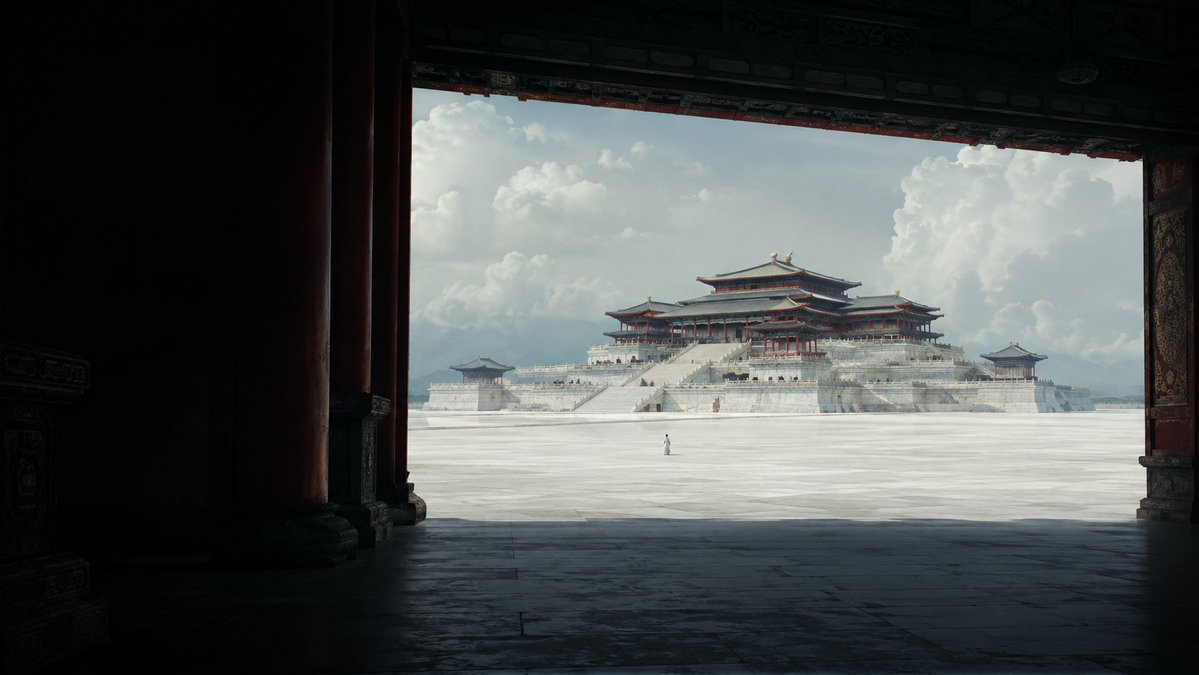
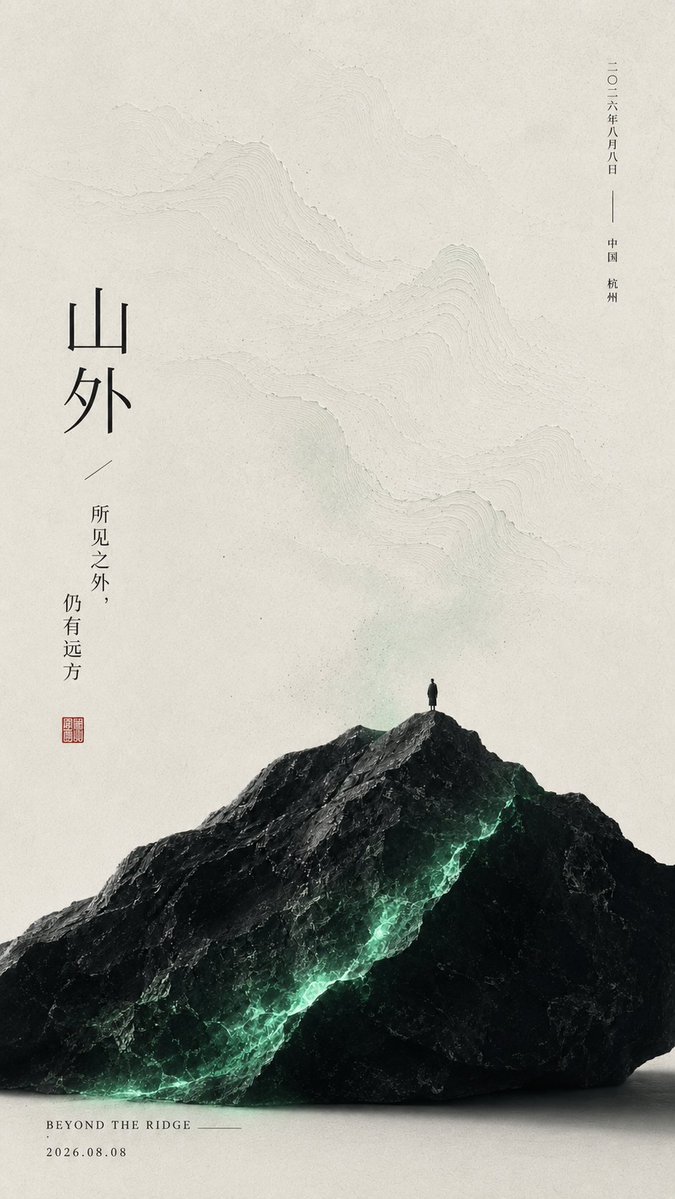
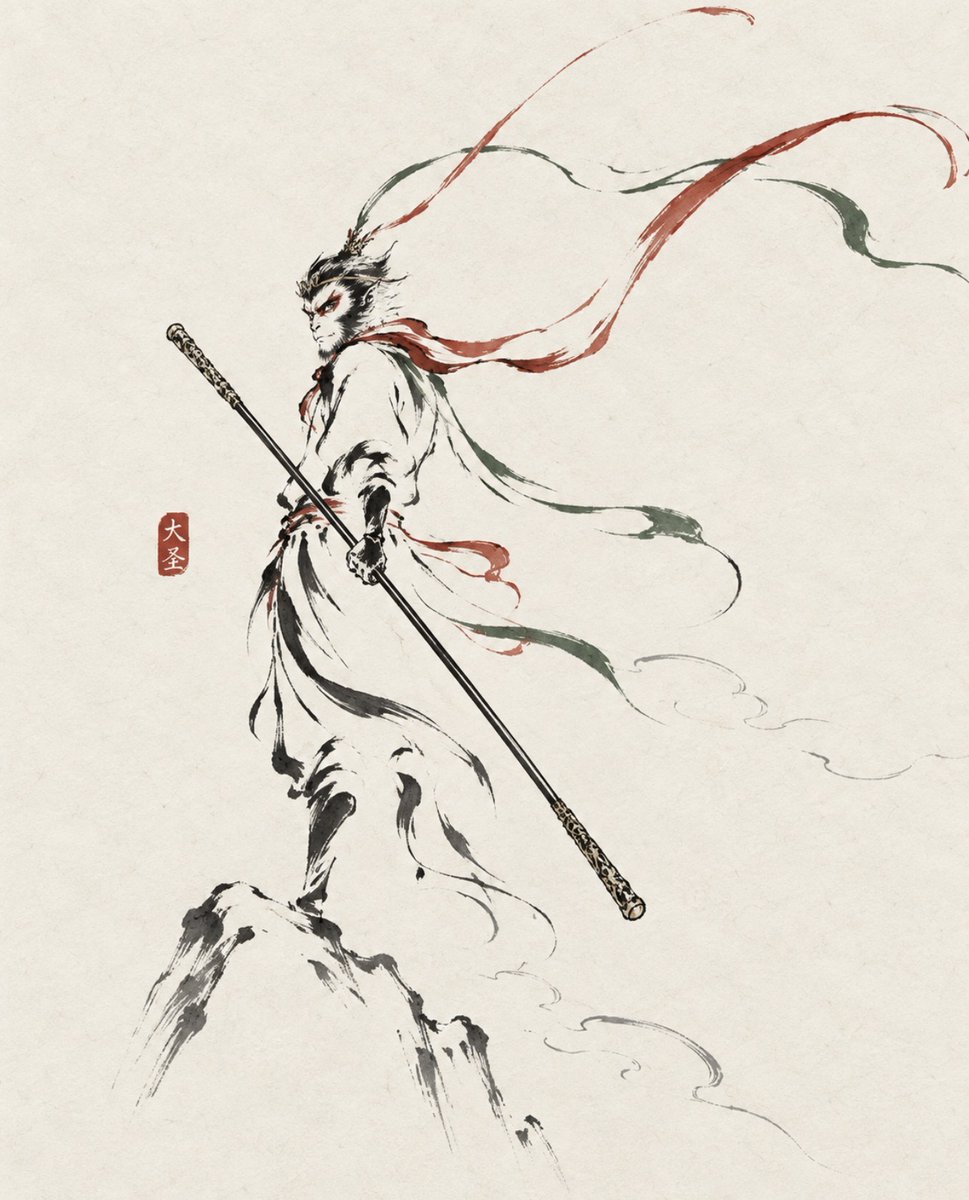
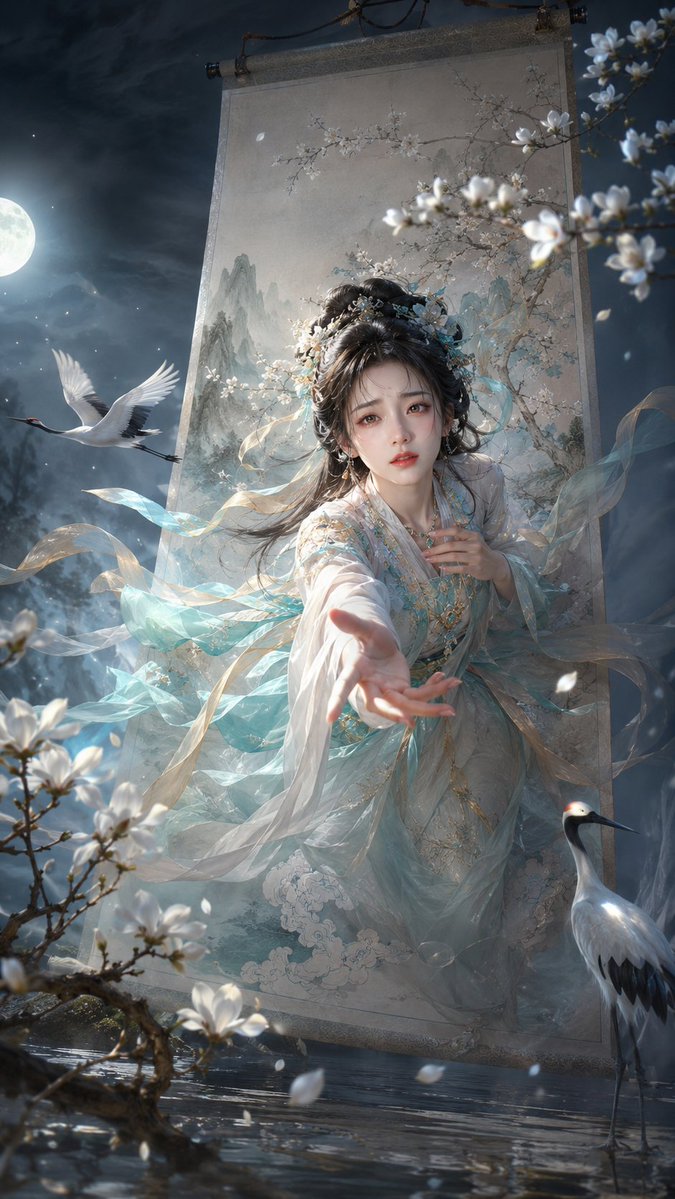
Chinese Architectural Scroll Poster With Miniature Figures
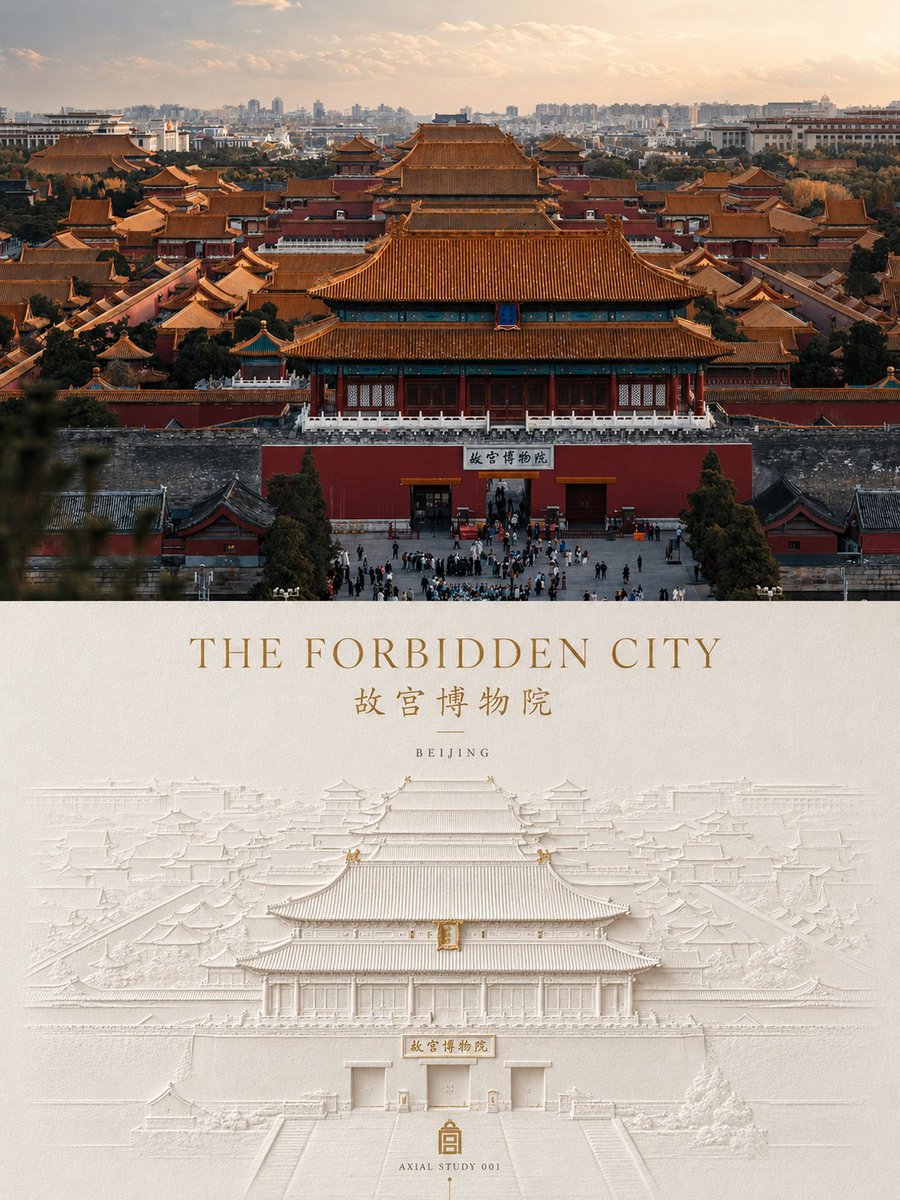
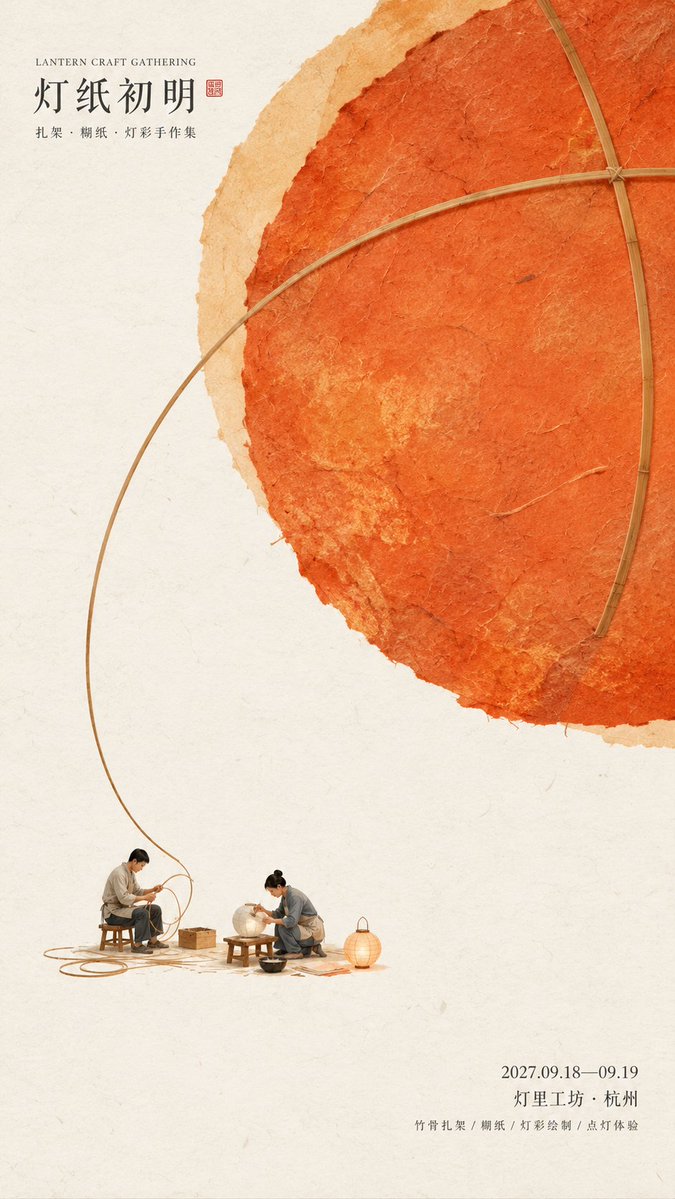
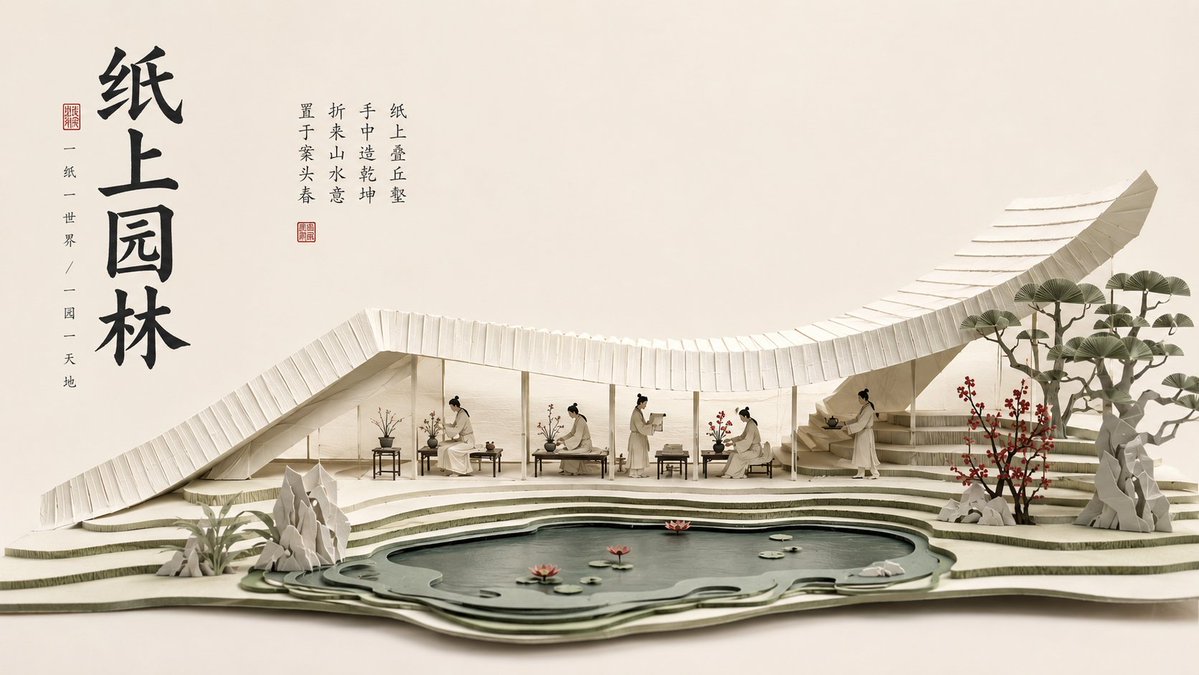
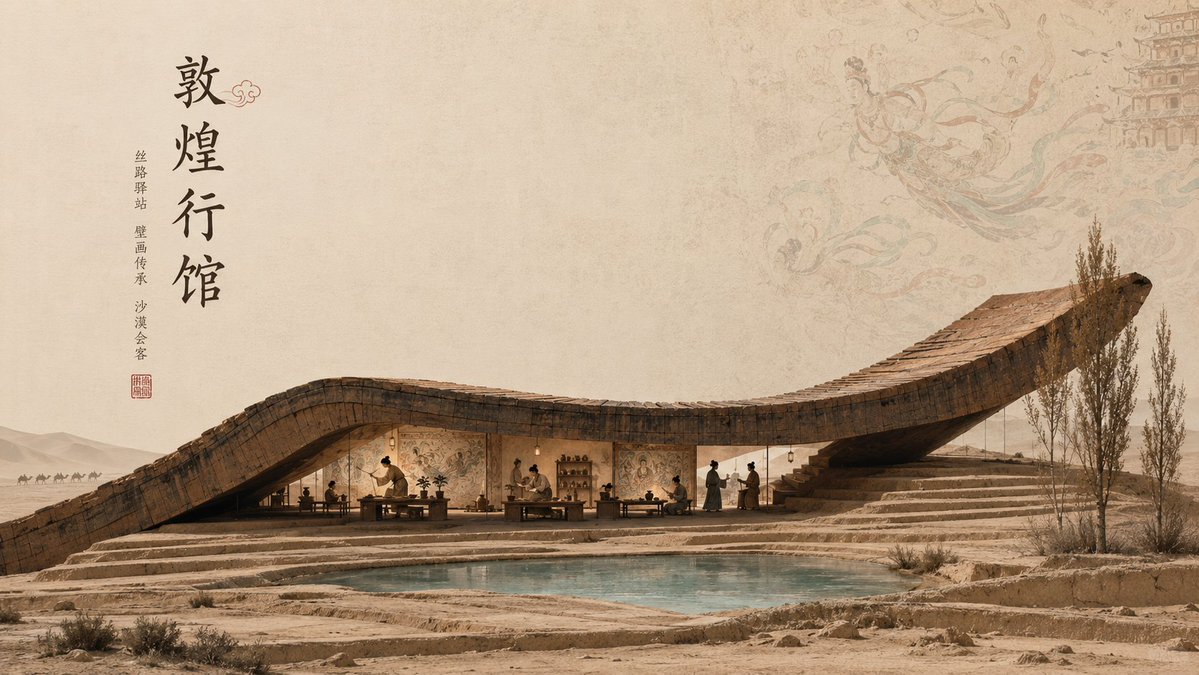
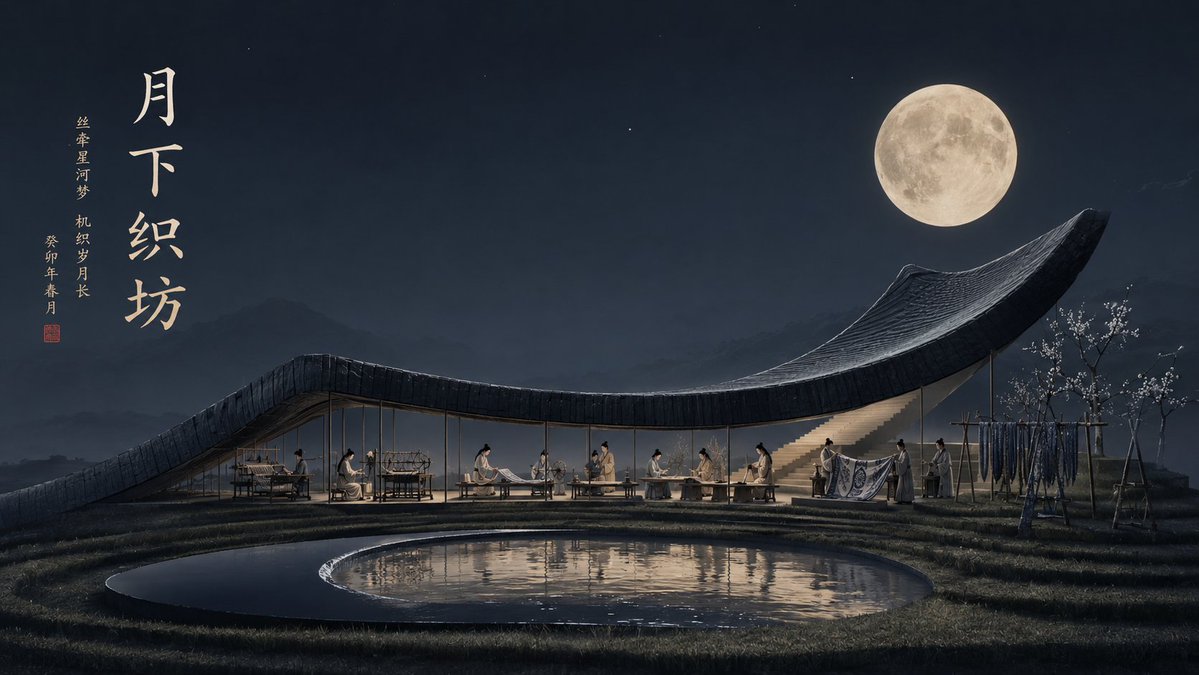
A horizontal scene of a curved, undulating Chinese building that unfolds like a scroll across pale paper-toned white space. A glass cross-section reveals tiny figures going about daily life inside, while vertical calligraphy sits quietly in the margins.

- Model
- GPT Image 2
- Type
- 3 images
- Aspect ratio
- 16:9
- Shared
- 29 Jun 2026
- Likes on X
- 41
Theme directionMain titleSubtitle
Image prompt
2,997 charactersGenerate a horizontal 16:9 Eastern architectural scene poster — it must be a finished poster with the Chinese typography already laid out. Overall style: Eastern spatial scroll, Chinese architectural concept design, architectural-model feel, landscape (mountain-water) mood, modern architectural cross-section, scene-narrative poster, refined white space, vertical Chinese typography, museum display-board texture. The main subject is a Chinese architectural space centered on 【theme direction】. The building is not an ordinary house but a horizontally unfolding spatial scroll, with continuous undulating curved roofs that extend like mountain ridges, zither strings, paper rolls, herb slopes, book pages, crescent moons, boat awnings, or loom curves. Below or within the building is a glass cross-section structure, revealing different rooms, human activities, furnishings, and spatial functions. Horizontal composition, large areas of white space, background in beige, xuan-paper color, light ink gray, misty white, or deep night black. In the distance there can be faint mountain shadows, mist, water, courtyards, slopes, trees, steps, ponds, or desert, but the whole must be restrained, not crowded. Inside the building there must be miniature human activities; figures wear ancient or neo-Chinese attire, performing theme-related actions, e.g.: medical consultation, brewing medicine, massage, playing the zither, tasting tea, reading, copying scriptures, making incense, dyeing cloth, weaving, soaking in hot springs, moon-gazing, restoring murals, doing experiments, organizing objects. The figures should be small and exquisite, like life scenes within an architectural model, not stealing focus from the main subject. The poster must include a vertical Chinese title: 「【main title】」 One or two groups of vertical secondary copy may be added: 「【subtitle】」 「【short phrase】」 The Chinese typography should look like an Eastern exhibition poster, an old-book title slip, an architectural display board, or a literati-painting inscription. The text should be restrained, placed in the white space on the left or right, without disrupting the main building. Small seals, small annotations, fine lines, and collection-style marks may be added, but no real brand logos. Texture: paper texture, slight grain, soft mist, low-saturation colors, model-level detail, cinematic light and shadow, restrained refinement, quiet narrative. Composition requirements: the building unfolds horizontally, occupying the lower or lower-center of the frame; the upper half retains plenty of airy white space; water, terraces, or slopes as foreground; distant mountains or mist as background; the vertical Chinese text balanced with the building. Do not: no ordinary real-estate rendering, no modern commercial sales center, no cluttered guochao style, no bold red and gold, no e-commerce poster, no watermark, no real logos, no English dominance, no overly large figures, no complex crowded backgrounds.
How to use it
Keep the horizontal scroll composition, the open white space above the building, and the miniature figures in ancient or neo-Chinese dress, since these carry the quiet, model-like look. Swap the bracketed theme and the title text to fit your subject, such as a tea house, a library, or a bathhouse, and pick the activity the figures perform to match. It was shared as a GPT Image 2 prompt, so the Chinese characters in the title are part of the image output and worth checking after you generate.
Shared publicly on X on 29 Jun 2026. All credit for this prompt and its result goes to its creator. Is this yours? Ask for an update or removal.