Image prompt Branding & UI Customizable
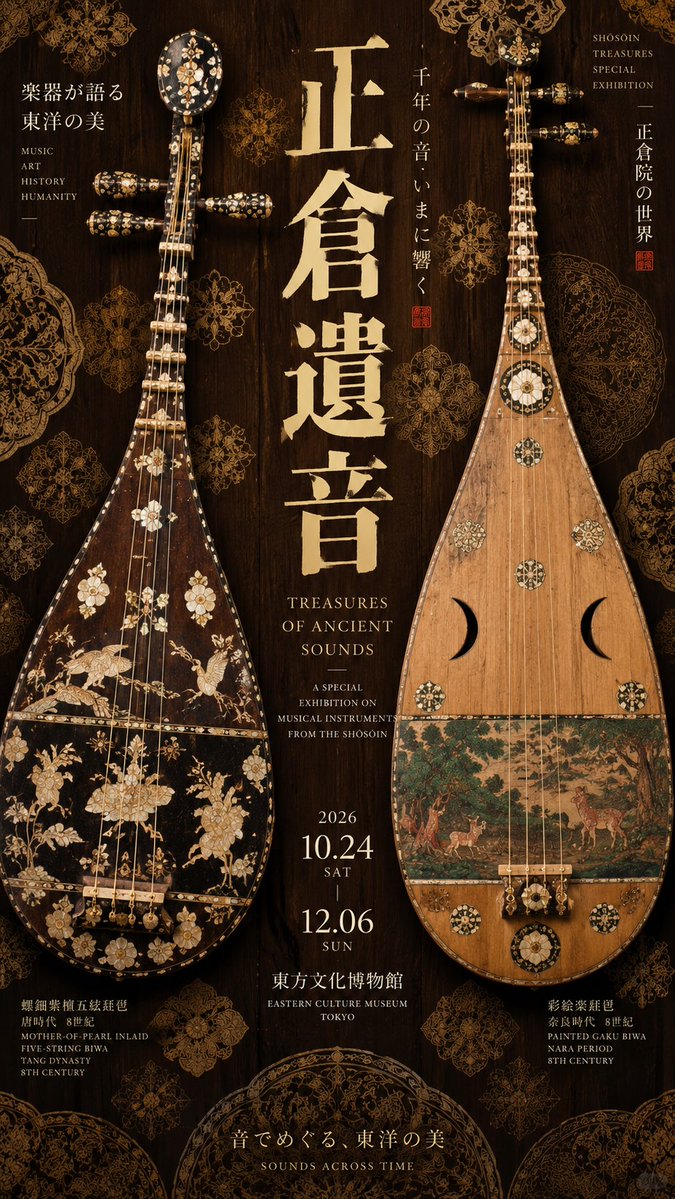
Central-Axis Cultural Exhibition Poster Template
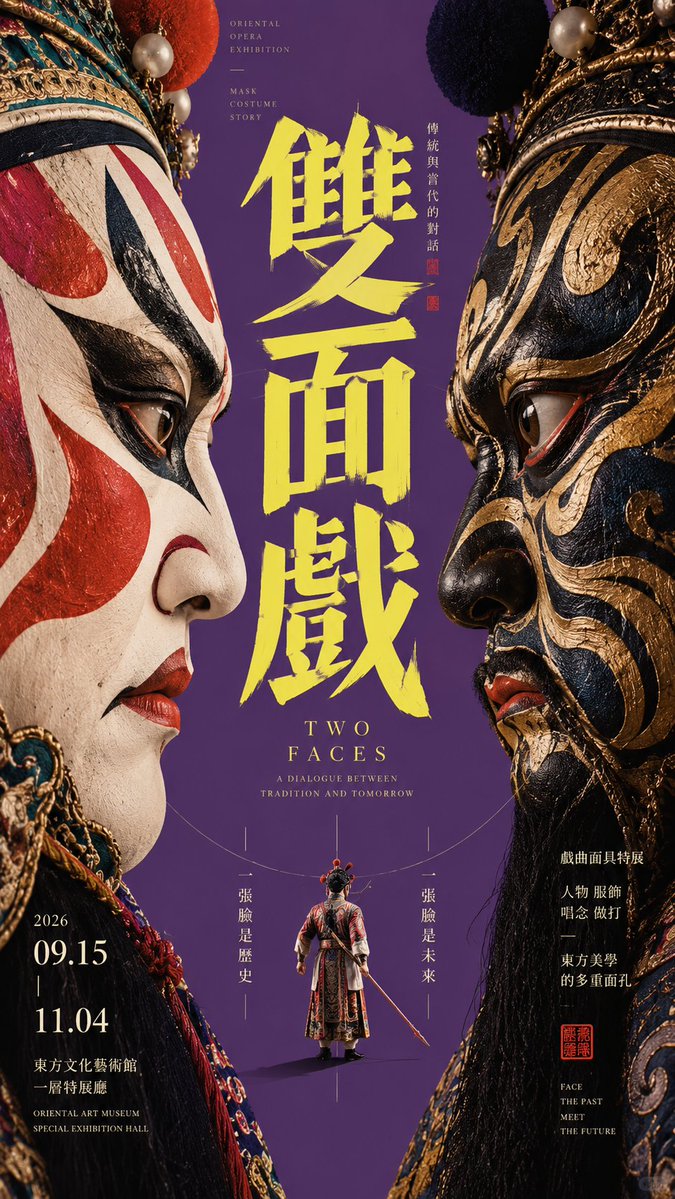
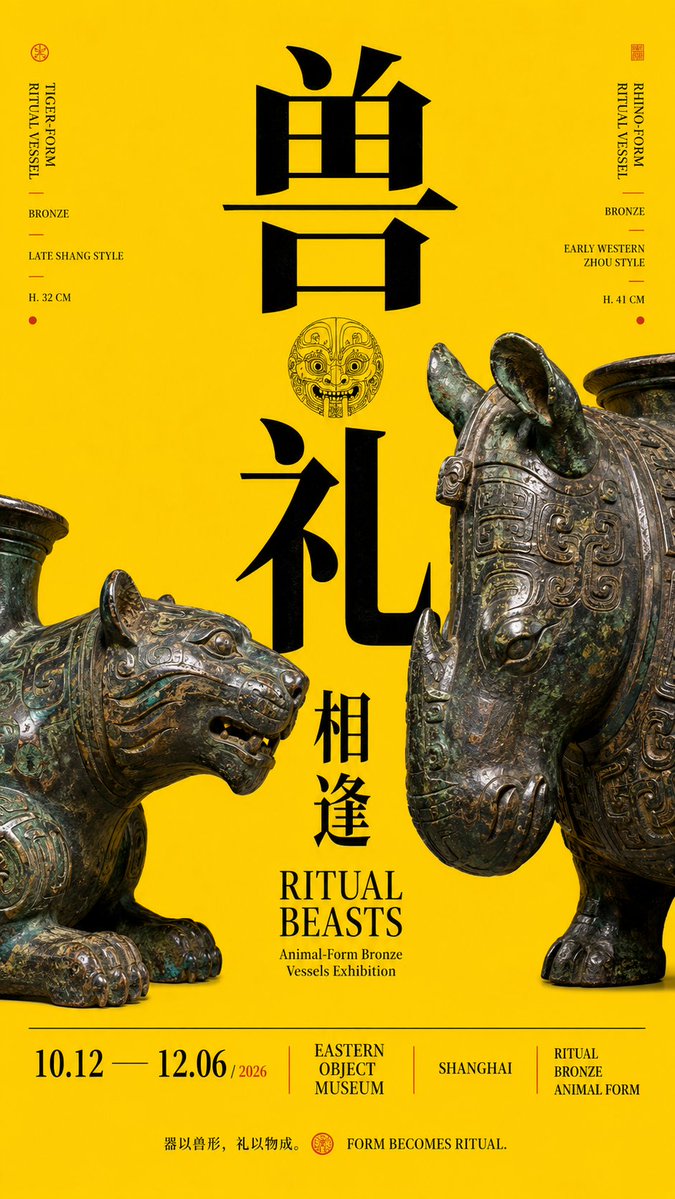
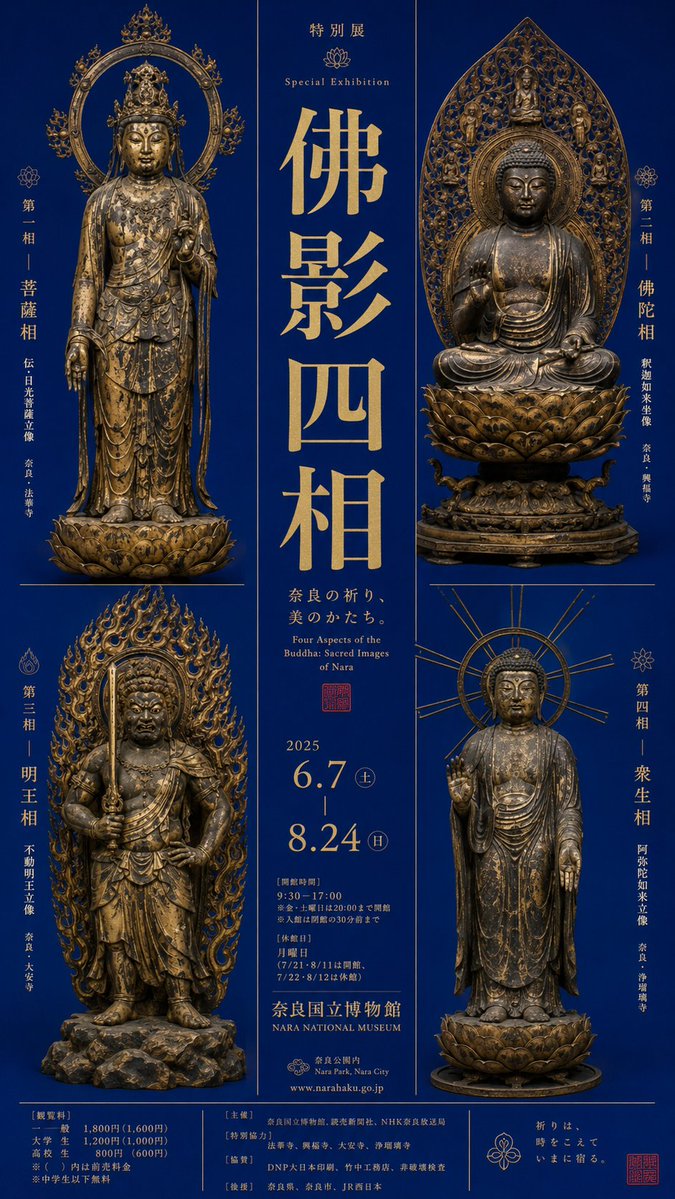
A vertical exhibition poster where two large flanking subjects lean in from the edges and frame a giant title on the center line. The mix of heritage imagery and bold modern type gives it a museum-meets-editorial feel.

- Model
- GPT Image 2
- Type
- 4 images
- Aspect ratio
- 9:16
- Shared
- 4 Sep 2026
- Likes on X
- 28
Exhibition themeChinese titleEnglish titleLeft subject
Image prompt
2,714 charactersPrompt: 【Theme】:____ 【Chinese main title】:____ 【English title】:____ 【Left subject】:____ 【Right subject】:____ 【Composition】:bilateral framing / mirrored facing / four-corner array / two-object juxtaposition 【Main background color】:____ 【Title color】:____ 【Subject material / style】:____ 【Date / venue】:____ 【Aspect ratio】:9:16 Generate a "central-axis framing" poster with strong visual impact and a refined cultural-exhibition aura. First establish a clear, stable vertical central axis, then let the left and right subjects jointly exert visual weight toward the center, "clamping" the main title and core information into the focal point of the image. The flanking subjects must be large enough to dominate the visual weight and sit near the edges to create a cropped feel. The two sides may differ in form, size, material, and detail, but the overall visual weight must be balanced, avoiding mechanical mirroring or simple copying. Choose the composition according to the content: Bilateral framing: two large subjects converge toward the center from the sides, with a giant title on the axis. Mirrored facing: two faces, masks, or profiles face each other, creating strong dialogue and tension in the middle. Four-corner array: 4 subjects of the same kind but different forms surround a central vertical title, forming a stable collection arrangement. Two-object juxtaposition: two objects placed side by side, with the axis establishing order through title, date, and decorative motifs. The Chinese main title must be an important visual element—it may use giant vertical typesetting, mixed horizontal-vertical layout, partial cropping, or slight overlap with the subject, rather than just being placed ordinarily at the top. Small English text, date, location, and exhibition notes are concentrated in 2–3 information zones, creating a clear size contrast between the huge title and the tiny text. Information density can be rich, but it must be concentrated and hierarchical, not spread evenly across the layout. Use a large solid-color background to establish strong recognition, such as vermilion red, cobalt blue, lemon yellow, purple, dark brown, or grass green. Keep 3–4 main colors overall, creating contrast through subject material, typography, and a few accent colors. Visual style reference: Museum Exhibition Poster × Contemporary Editorial Graphic Design: historical artifacts, figures, relics, or traditional cultural subjects combined with bold, modern, clear typography. Overall requirements: strong axis, strong subjects, strong color field; composition stable but not rigid; rich in detail but not cluttered; an evident clash between classical content and modern design language.
How to use it
This is a template, so fill every bracketed field before you start: theme, Chinese and English titles, both side subjects, background and title colours, and the date and venue. Keep the central-axis structure and the instruction to crop the flanking subjects near the edges, since that is what makes the layout hold together. It was shared as a GPT Image 2 prompt, so the bracketed fields are the parts to rewrite; the composition wording can stay as it is.
Shared publicly on X on 4 Sep 2026. All credit for this prompt and its result goes to its creator. Is this yours? Ask for an update or removal.