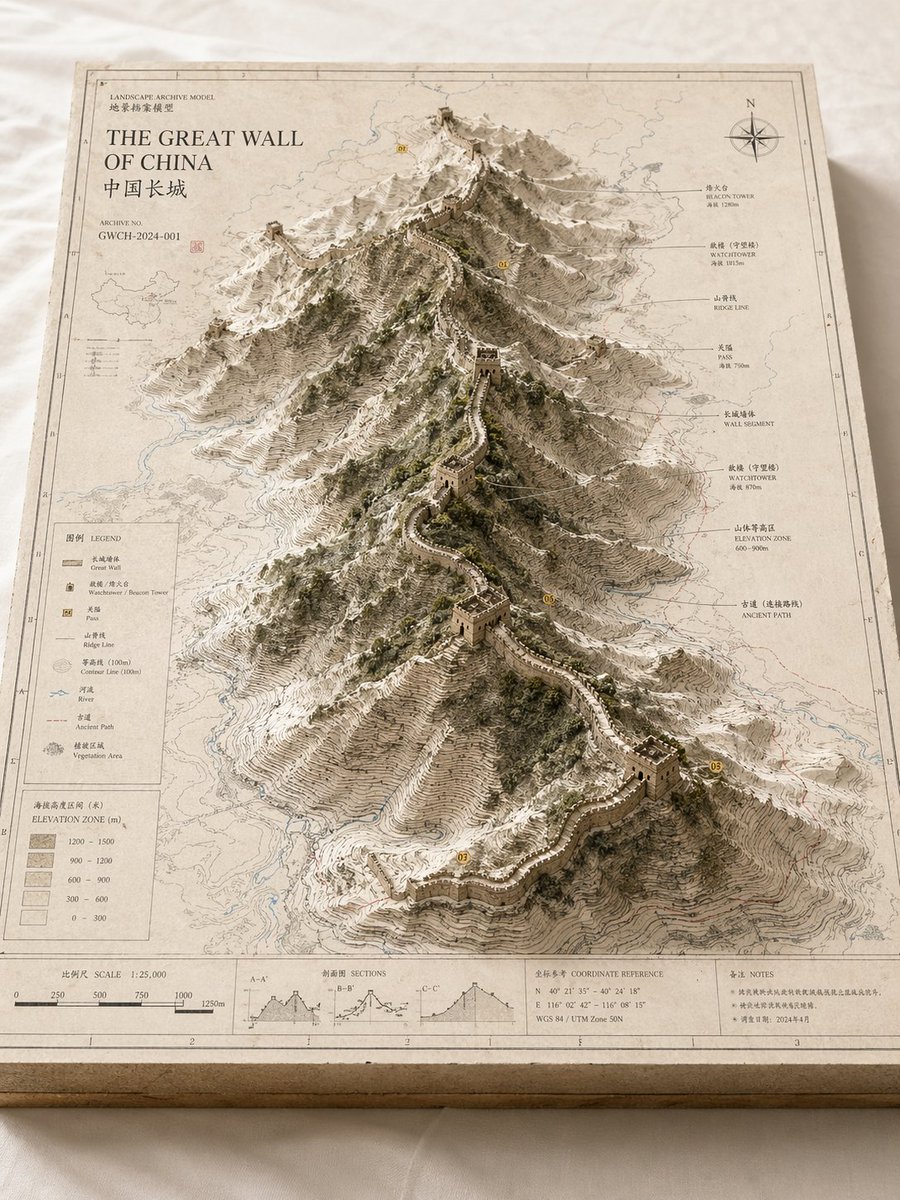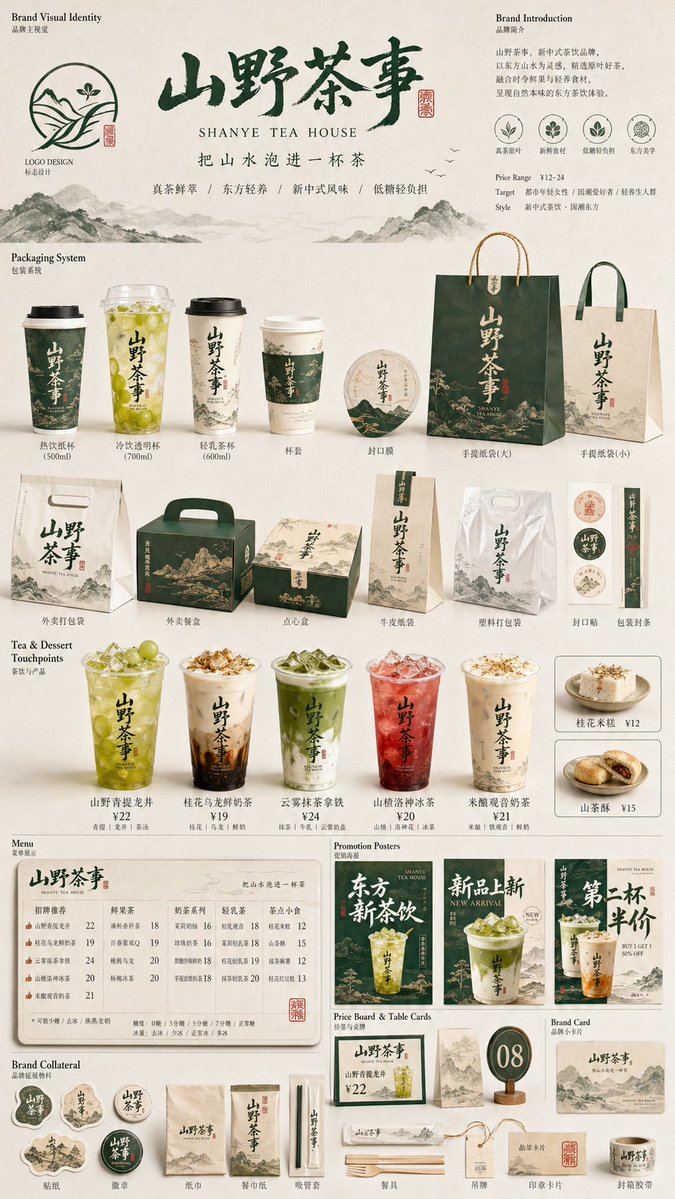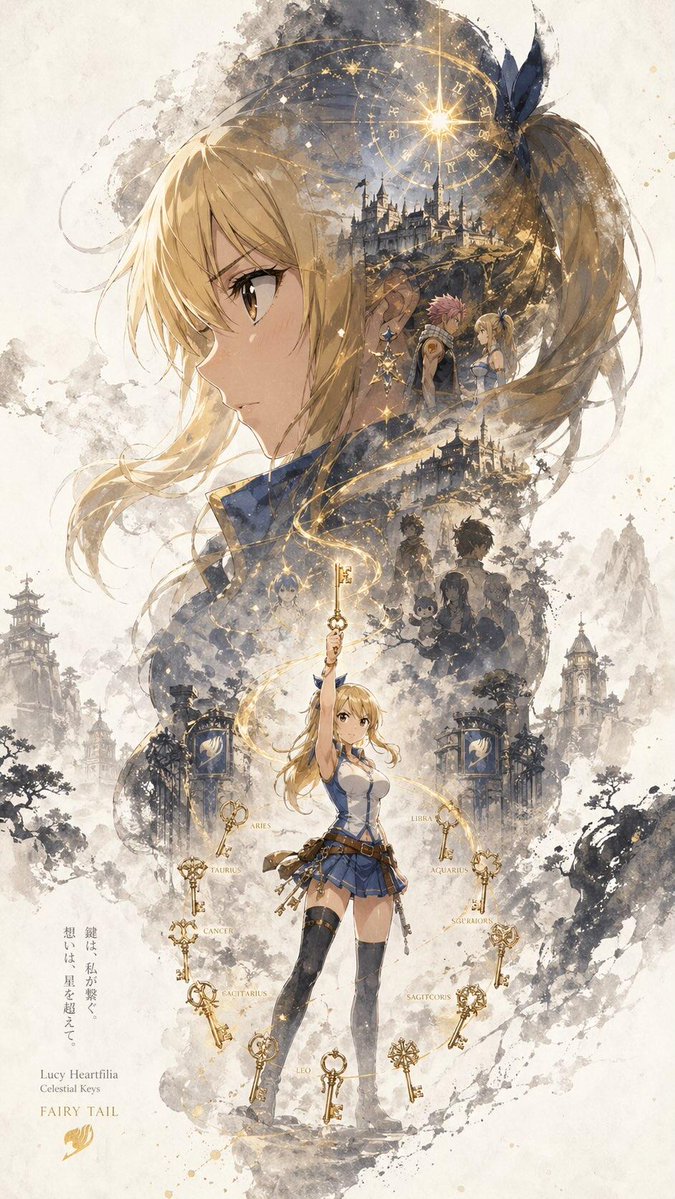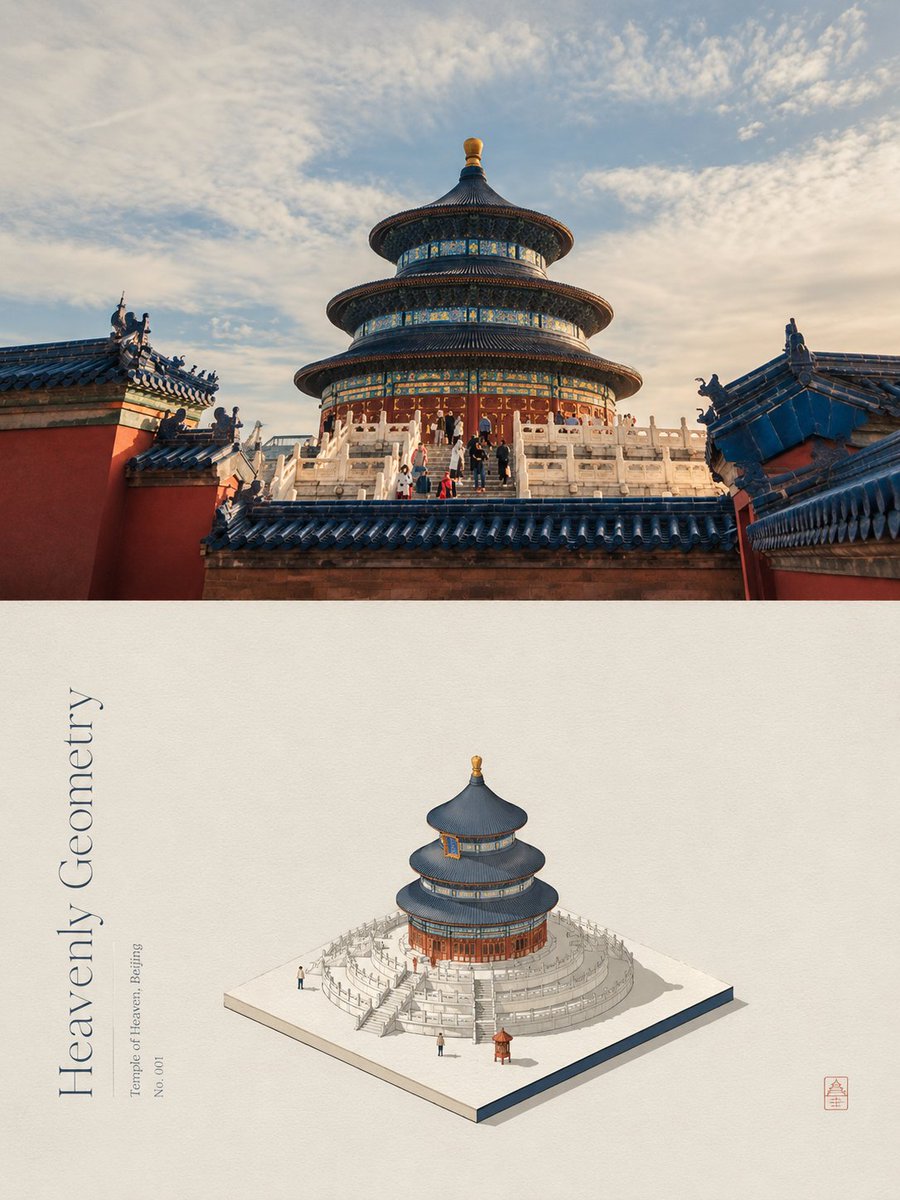
Image prompt Posters & Typography Customizable
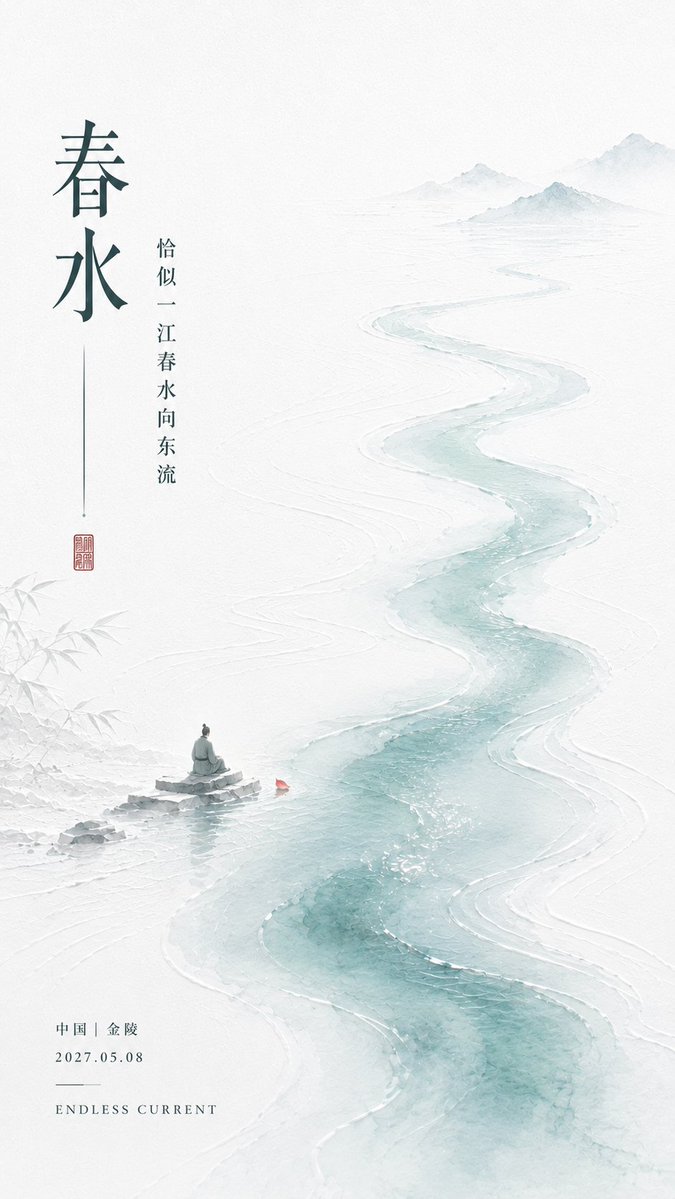
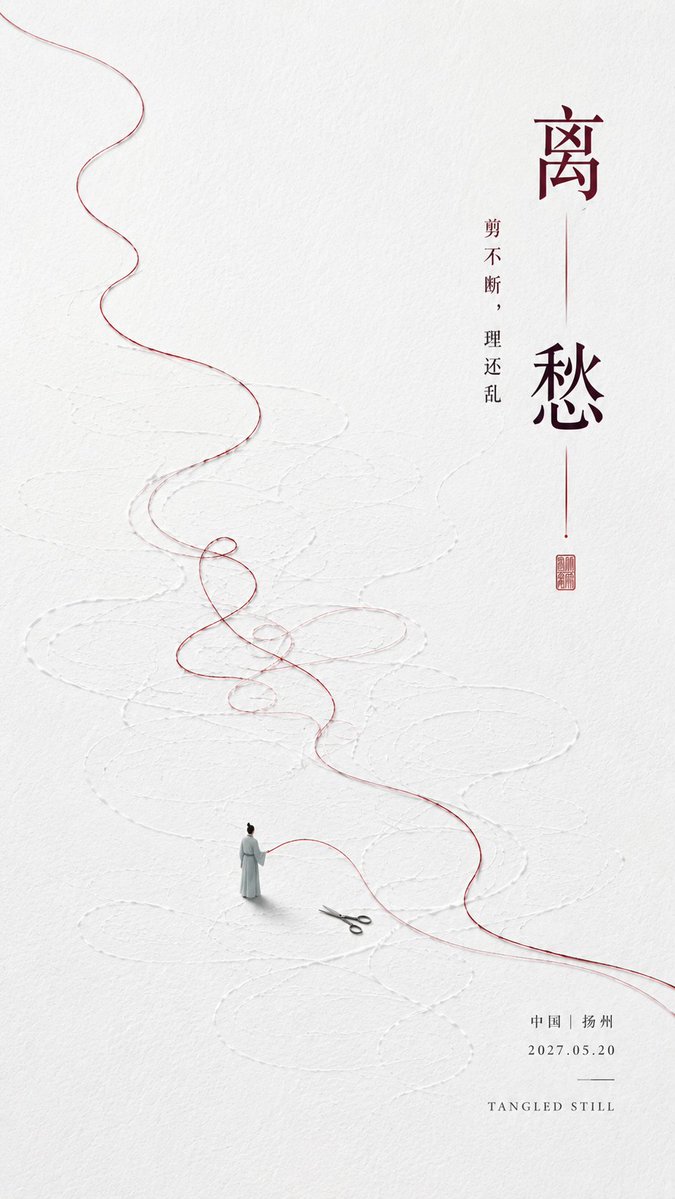
Negative-Space Verse Poster With Paper Embossing
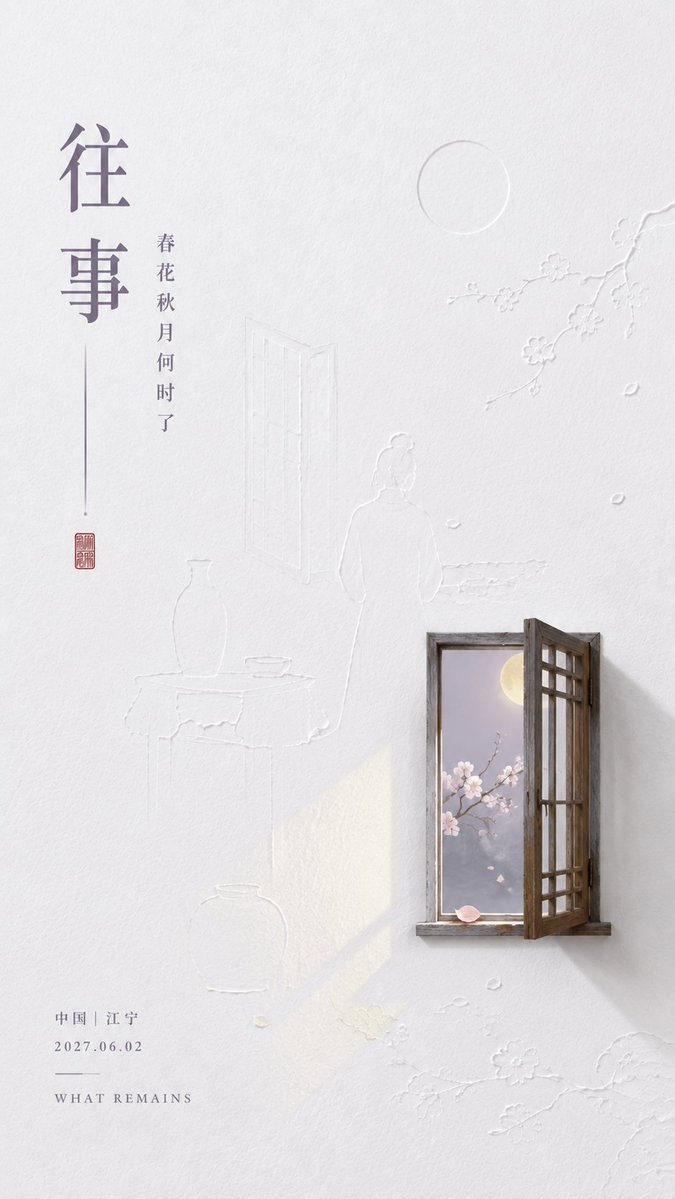
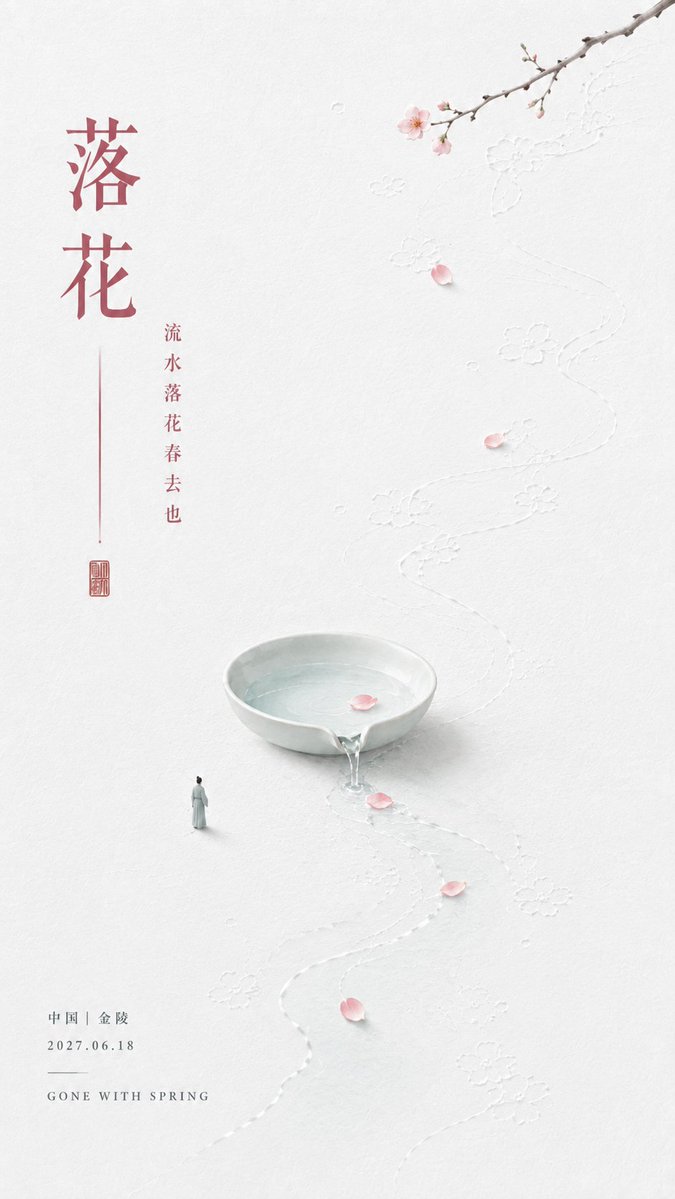
A vertical poster on pale handmade paper where one small object floats in wide empty space and a classical verse becomes a quiet, visible motion. Faint embossed traces in the paper hint at what has already passed, rewarding a closer look.

- Model
- GPT Image 2
- Type
- 4 images
- Aspect ratio
- 9:16
- Shared
- 23 Aug 2026
- Likes on X
- 32
Core emotionClassical verseEmotional actionSmall subjectEmbossing+2 more
Image prompt
2,832 characters[Classical verse]: fill in a classical Chinese verse with clear emotion and visual imagery [Two-character theme]: extract 2 core characters from the verse [Core emotion]: endless flowing / impossible to untangle / impossible to forget / impossible to keep / waiting / longing, etc. [Emotional action]: flowing away / entwining / lingering as residue / disappearing / fading / drifting off, etc. [Small subject]: a water mark / silk thread / old window / petal / lamp / boat / letter, etc. [Main color]: fill in 1–3 main colors [Soft embossing]: old riverbed / line traces / human shadow / flower shadow / water ripples / moon halo, etc. [Location and date]: fill in Generate a 9:16 vertical Eastern poetic negative-space art poster, turning the [core emotion] in the [classical verse] into a visible [emotional action]. Use fine handmade art paper, pure white or slightly cool-toned, as the background, preserving real paper fibers, pulp grain, and natural press marks. Keep about 65%–70% effective negative space, without a giant subject filling the frame. Place only one [small subject] occupying about 15%–25% of the frame, plus a tiny figure or very few narrative elements. The point is not to explain the verse directly, but to let the emotion happen in the space through the [emotional action]. Add a low-contrast soft [embossing] related to the theme in the background; the embossing must have meaning, for example a path where water once flowed, a shadow that has already vanished, traces of a thread stretched then entwined, faded flower shadows, or the place left by an old object. From afar it stays clean; only up close do you discover these “residues.” Use the [main color]; it can be beautiful, clear, and emotional, but don't make everything black, white, and gray for the sake of sadness. Let the color gradually fade, wash out, or sink into the paper with distance and time. Lines, water edges, and the trajectories of falling flowers must be continuous, soft, and natural, avoiding many breaks, broken lines, and messy AI textures. The Chinese main title uses the [two-character theme] in a modern Song or Ming typeface; it may gain design through letter spacing, slight misalignment, thin lines, or partial extensions, but the Chinese characters must remain complete, accurate, and clear. Also add the original verse in small type, the location, the date, and a brief English title. The overall effect should be like a blend of classical poetic emotion, material experiment, paper embossing, and a refined editorial poster. Avoid: ordinary antique-style illustration, traditional landscape painting, travel poster, giant subject, crying figure, dark clouds and storms, overly literal emotional expression, aged beige background, broken lines, meaningless embossing, dull colors, dense text, and cheap 3D.
How to use it
The prompt was shared as a GPT Image 2 prompt and works best with the blank bracketed fields filled in: a verse with clear imagery, two core characters, one small object, and one or two colours. Keep the paper texture, the 65 to 70 percent negative space and the subtle embossing, since those carry the poetic mood. Change the verse, theme characters and location to suit your own piece, then use the result as a restrained print or social post.
Shared publicly on X on 23 Aug 2026. All credit for this prompt and its result goes to its creator. Is this yours? Ask for an update or removal.