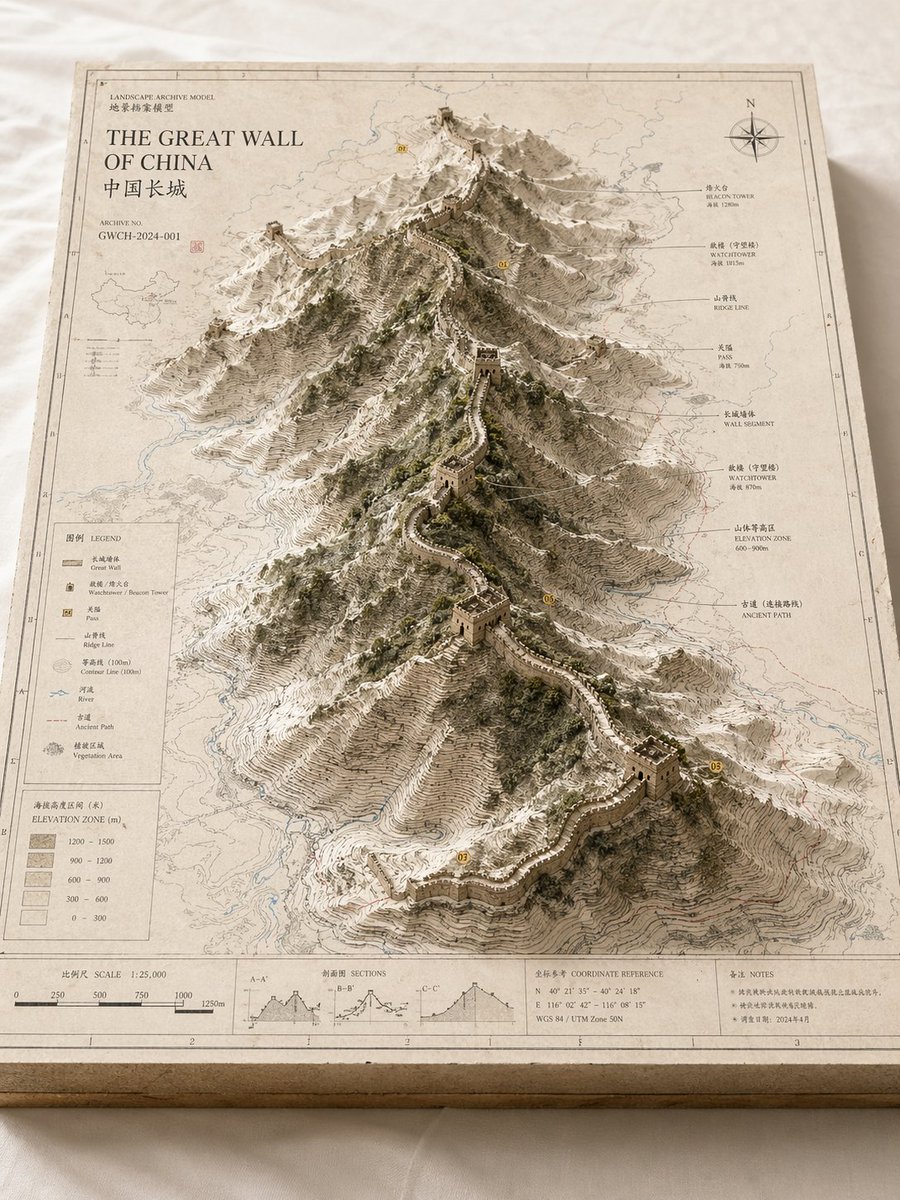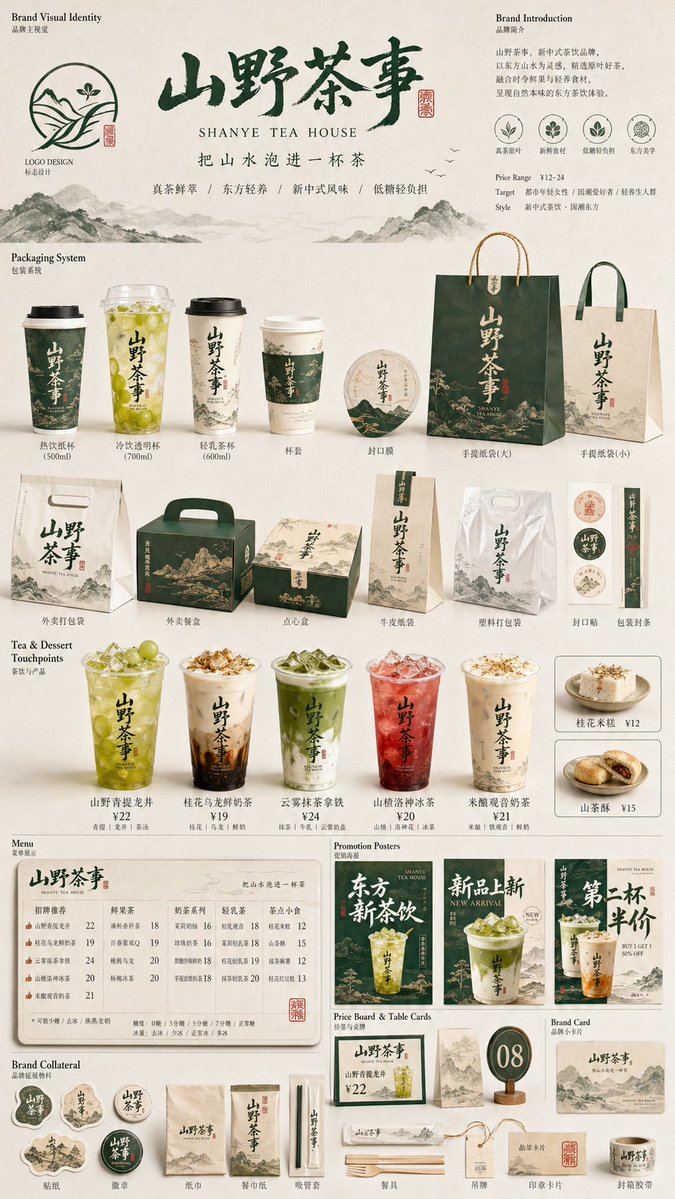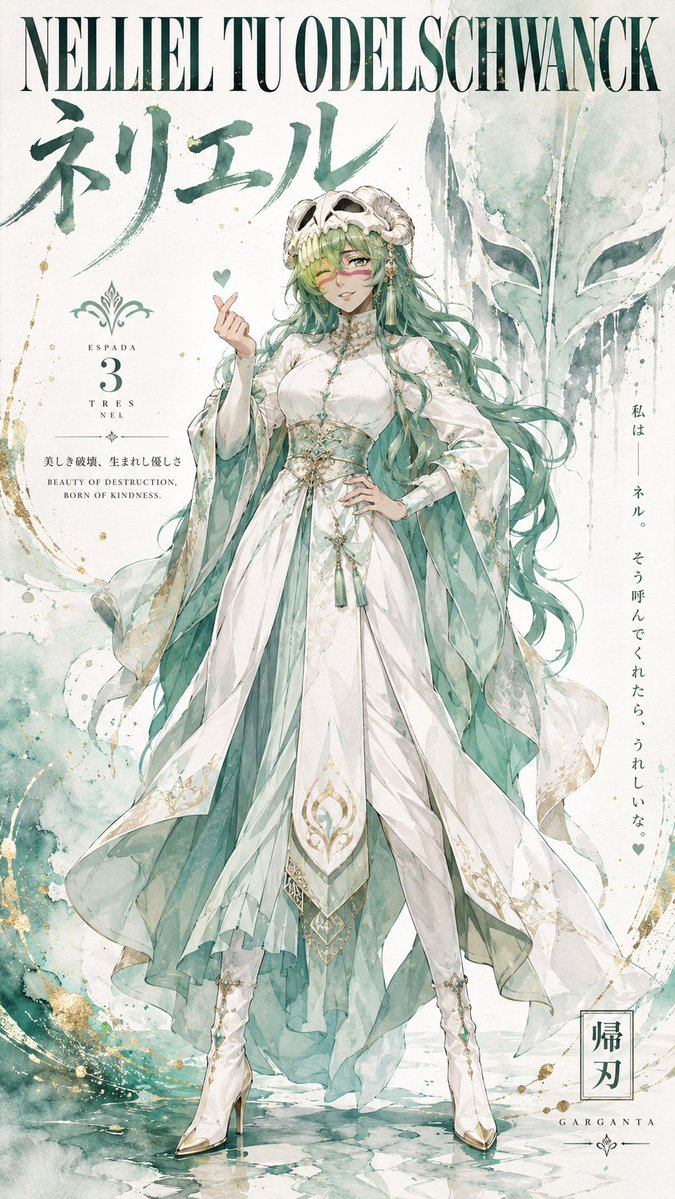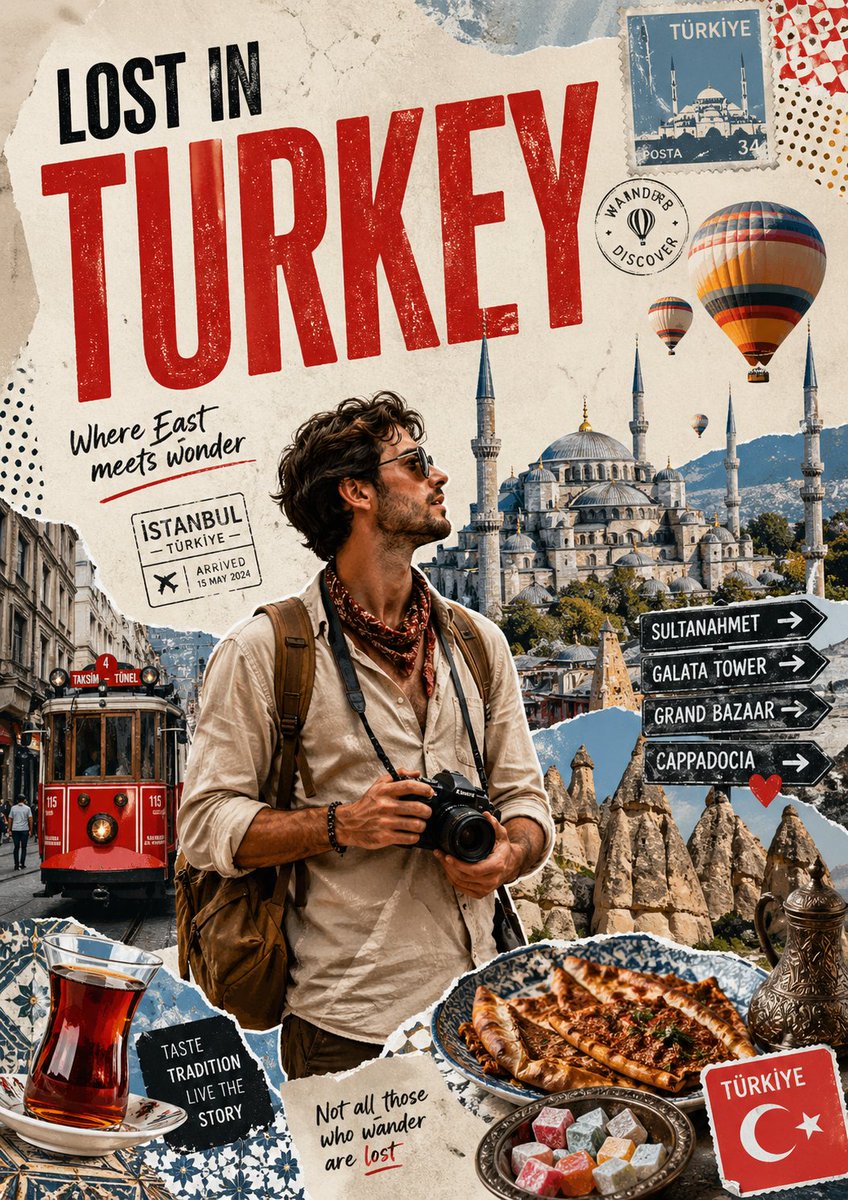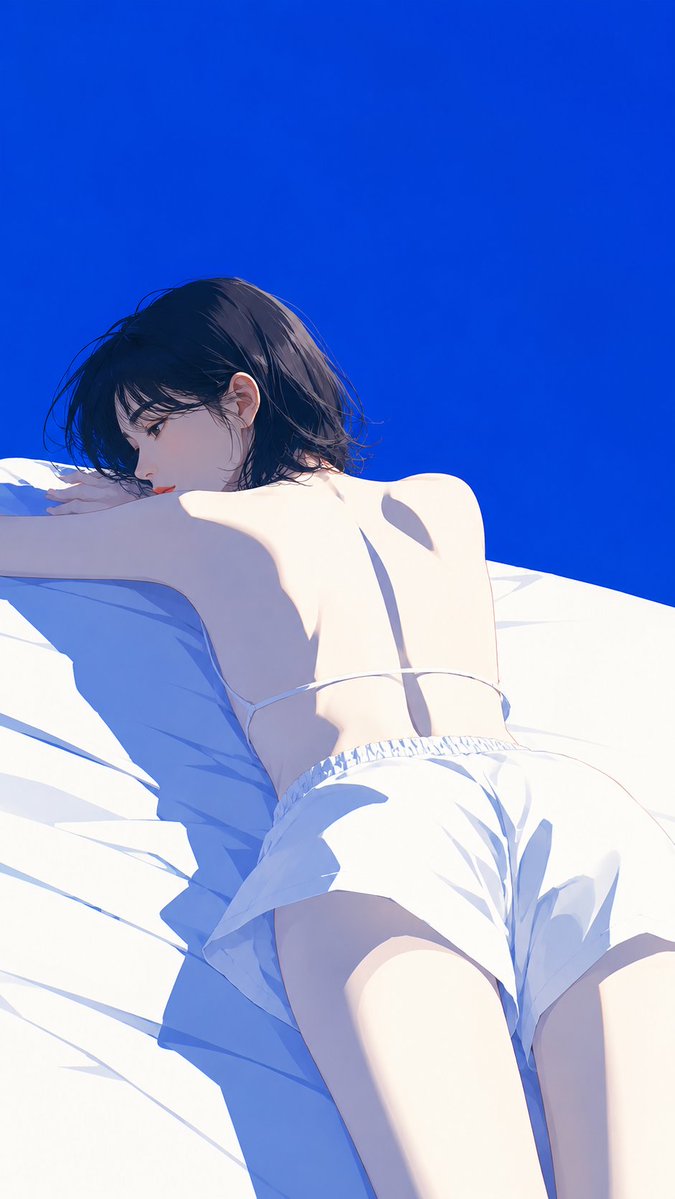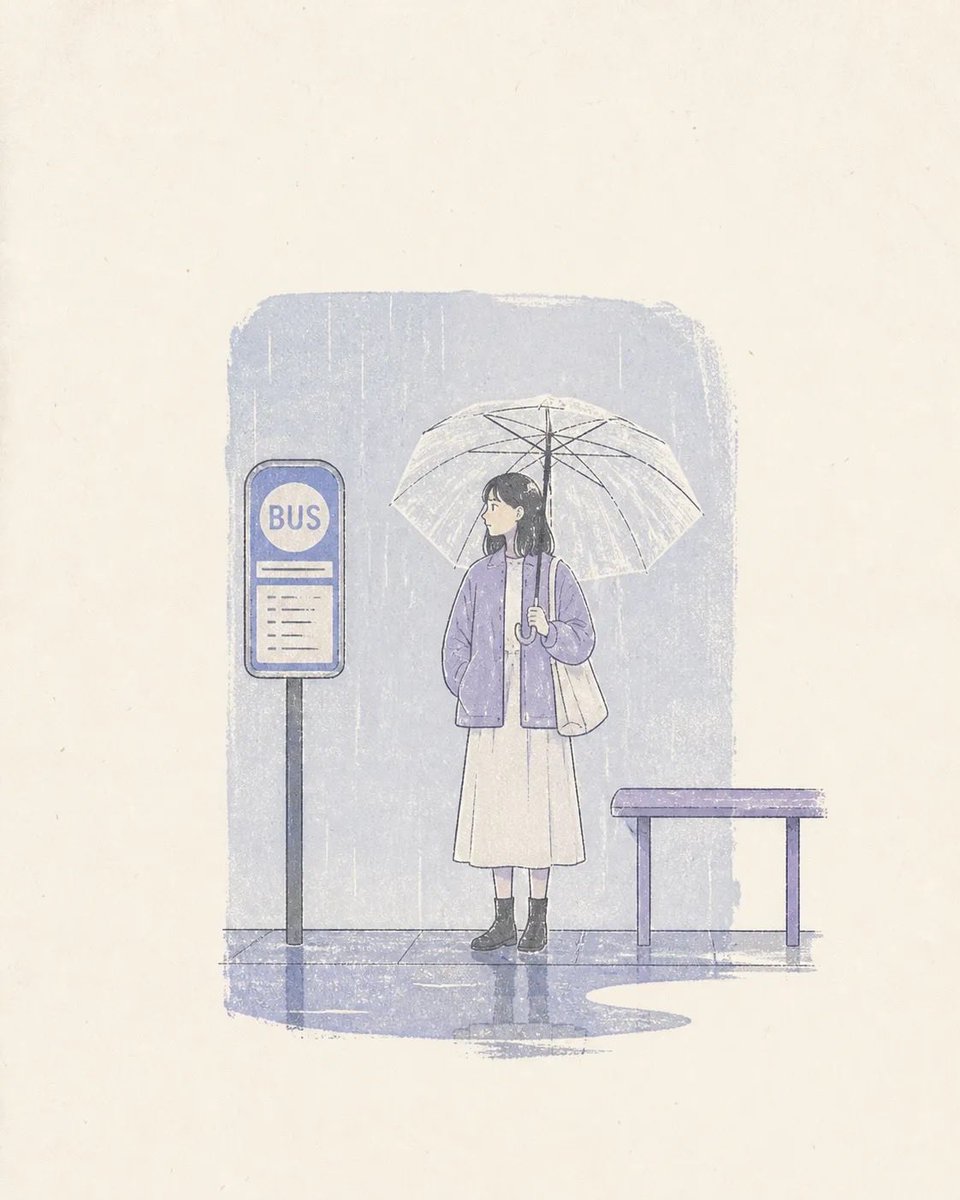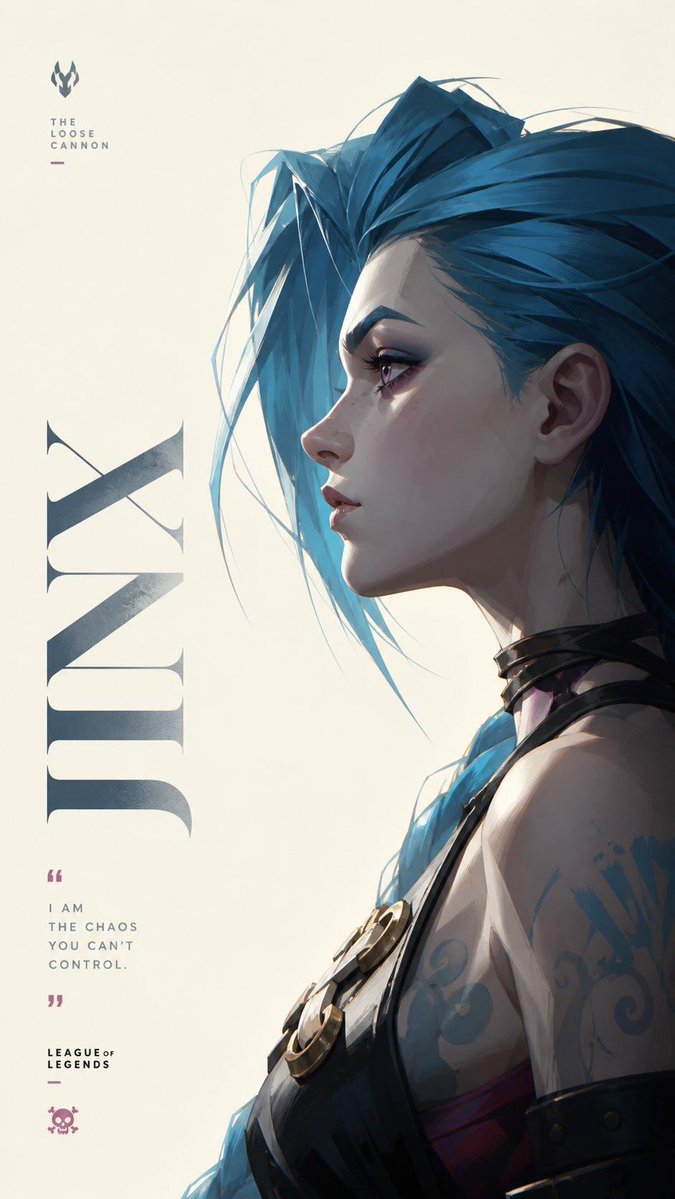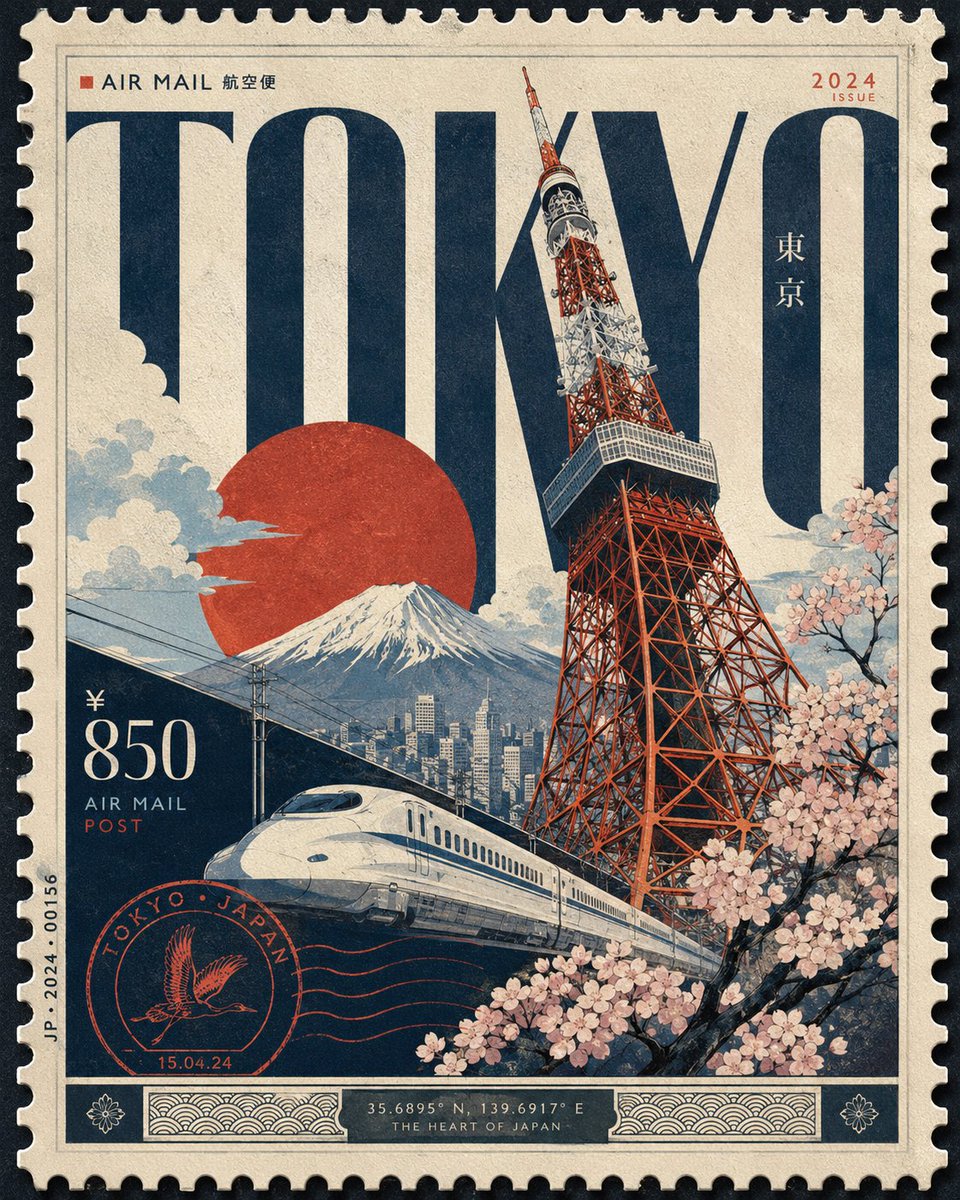
Prompt d'image Affiches et typographie Personnalisables
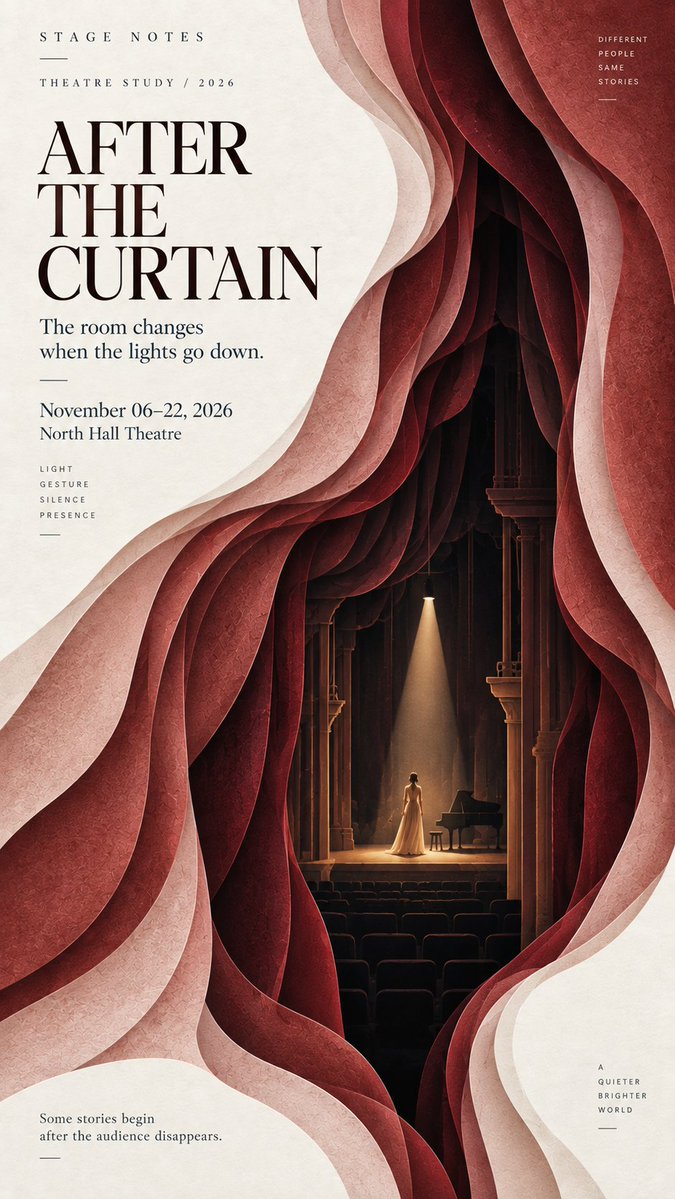
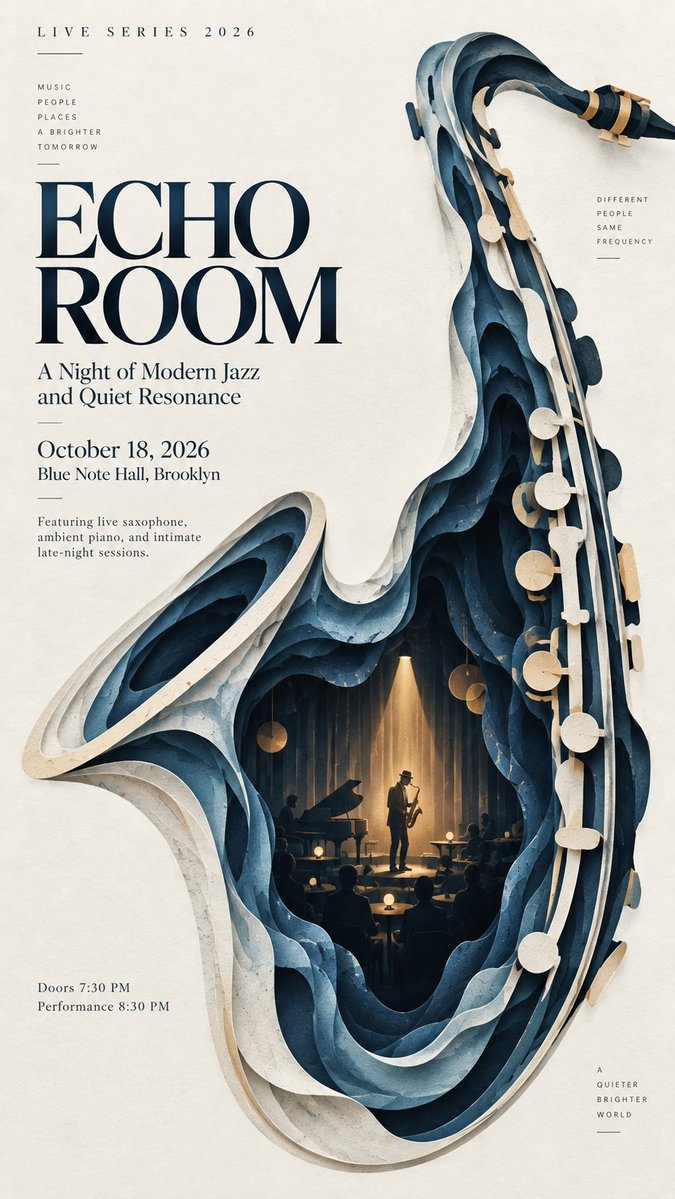
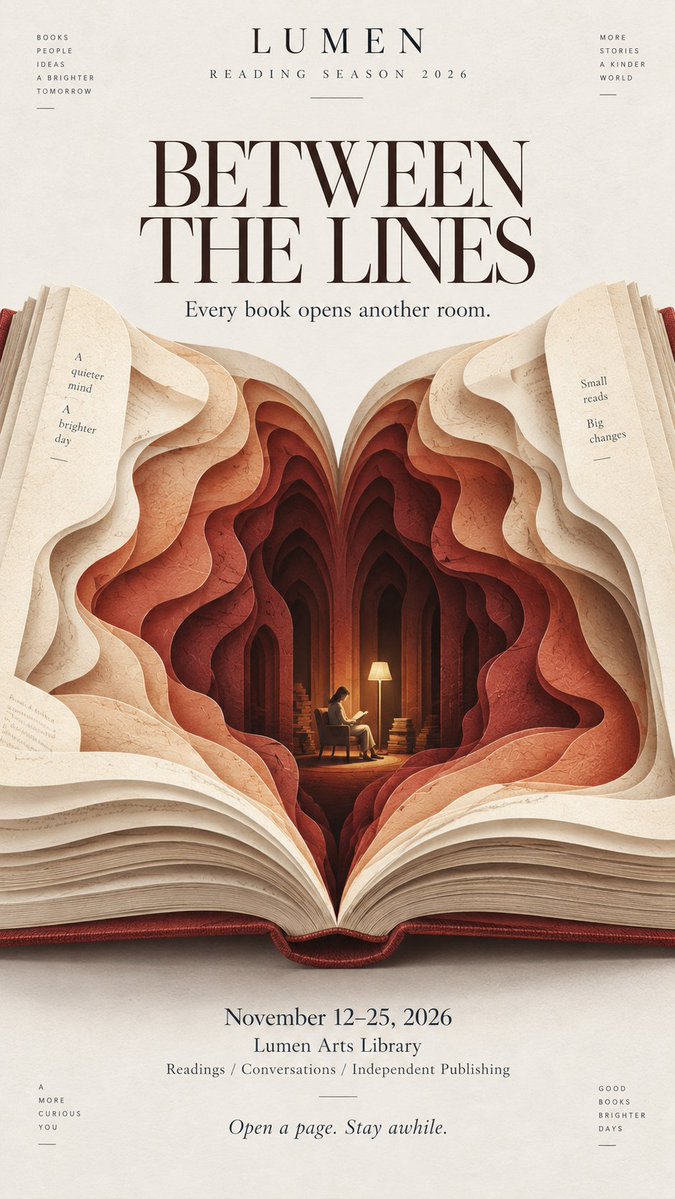
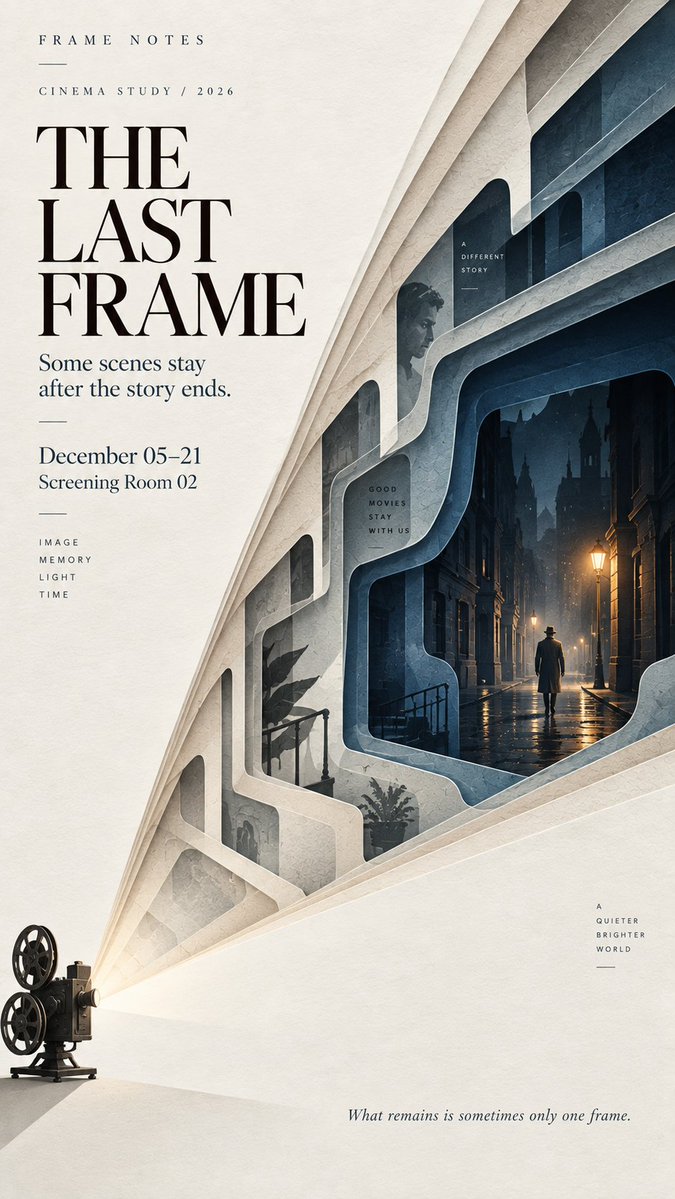
Affiche en papier découpé multicouche avec scène cachée
Une forme unique et audacieuse s'ouvre sur six à neuf couches de papier découpé mat, et la couche la plus profonde abrite une petite scène avec une minuscule silhouette. De loin, cela ressemble à un simple graphisme ; de près, la profondeur et les détails apparaissent.

- Modèle
- GPT Image 2
- Type
- 4 images
- Format d'image
- 9:16
- Partagé
- 11 sept. 2026
- J'aime sur X
- 41
Prompt d'image
2,293 caractères【Theme】: {music / theater / literature / cinema / architecture / culture / other} 【Main title】: {title} 【Main visual form】: {curtain / instrument / book / light beam / architectural shape / other} 【Hidden inner scene】: {small stage / reading room / street / gallery / other} 【Color palette】: {3–5 restrained colors} 【Editorial tone】: {cultural / artistic / cinematic / literary / fashion} 【Aspect ratio】: 9:16 Create a refined layered paper-cut editorial poster built around one bold, instantly readable visual form. The main form should occupy around 60–70% of the composition and remain recognizable even at thumbnail size. Build 6–9 layers of cut paper that gradually open inward, creating real spatial depth. Each layer should follow the main visual direction while changing naturally in contour, scale, spacing, and rhythm. Avoid mechanical repetition or perfectly even concentric layers. Let the outer layers establish the main silhouette, then gradually transform the inner layers into a meaningful spatial environment. At the deepest point, reveal a small narrative scene related to the theme, such as a stage, reading room, gallery, street, performance space, or another quiet environment. Include one very small human figure when appropriate to create scale and discovery. The figure should remain secondary and should not look at the camera. Use matte art-paper textures, subtle natural fibers, clean cut edges, and soft shallow shadows between layers. The result should feel like sophisticated editorial paper art rather than heavy 3D, foam board, plastic, or CGI. Use a restrained palette of 3–5 colors. Keep the outer layers lighter and gradually deepen the tones toward the interior. Add only one small warm or contrasting accent when useful. Leave generous negative space for typography. Use one strong title, a small project or series name, and only a few supporting details. The typography should feel like an art magazine, exhibition catalogue, cultural poster, or independent editorial publication. The visual reading order should be: a bold shape first, layered depth second, a hidden world third. From a distance, the poster should feel simple and graphic. Up close, the viewer should discover the cut-paper structure, spatial depth, and small narrative details.
Comment l'utiliser
Remplacez les espaces réservés pour le thème, le titre et la palette par votre propre sujet, en conservant la structure entre accolades pour que la direction des couches reste claire. Gardez les formulations sur le nombre de couches, l'éclaircissement de l'extérieur vers l'intérieur et l'unique petite silhouette, car elles créent l'effet de profondeur. Ce prompt a été partagé comme prompt GPT Image 2 et fonctionne mieux en format portrait 9:16, où l'espace négatif laisse de la place pour un titre et une petite ligne de crédit.
Partagé publiquement sur X le 11 sept. 2026. Tout le mérite de ce prompt et de son résultat revient à son créateur. Ce prompt est le vôtre ? Demandez une mise à jour ou un retrait.