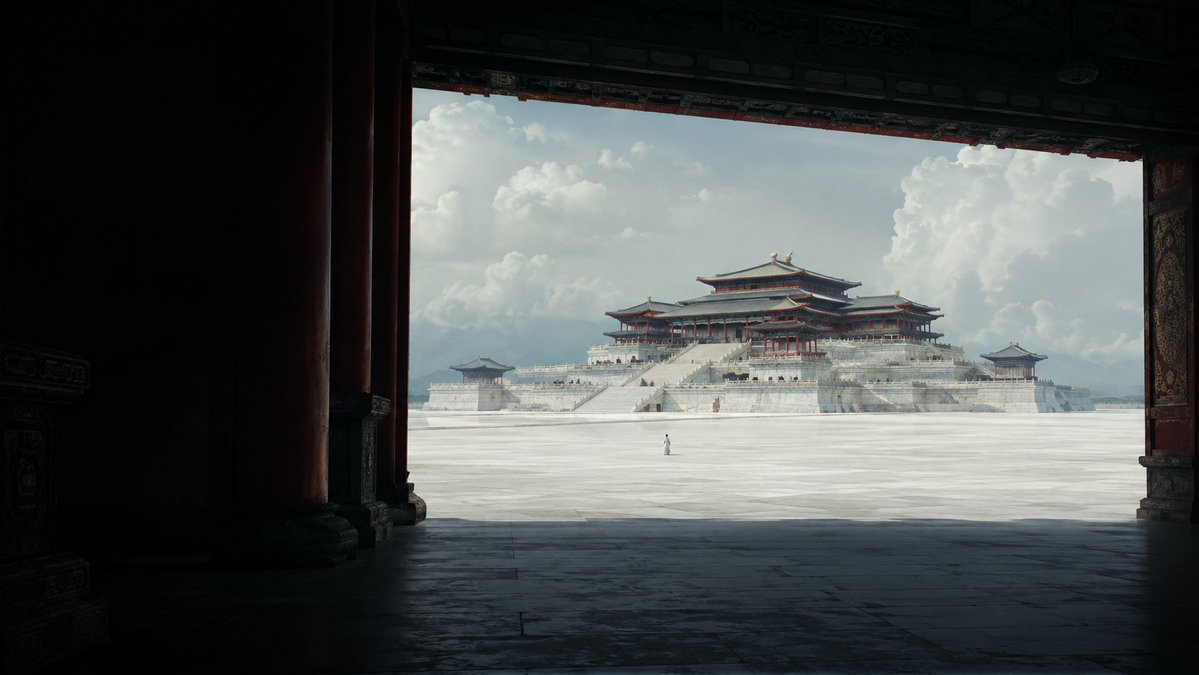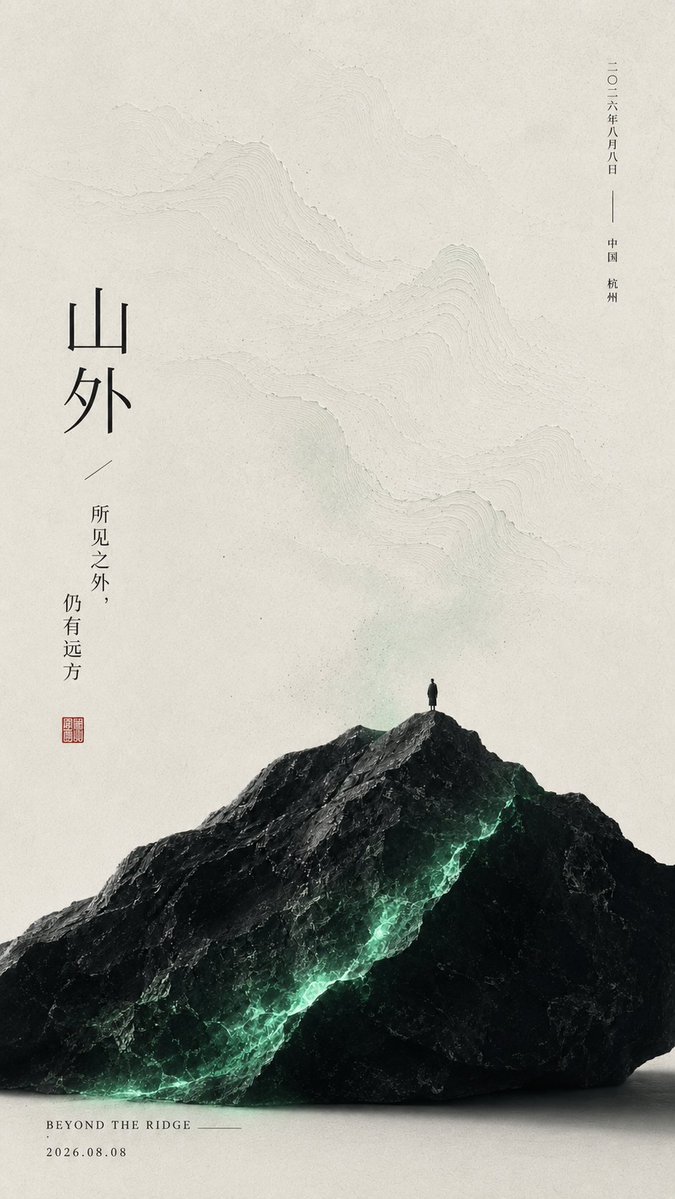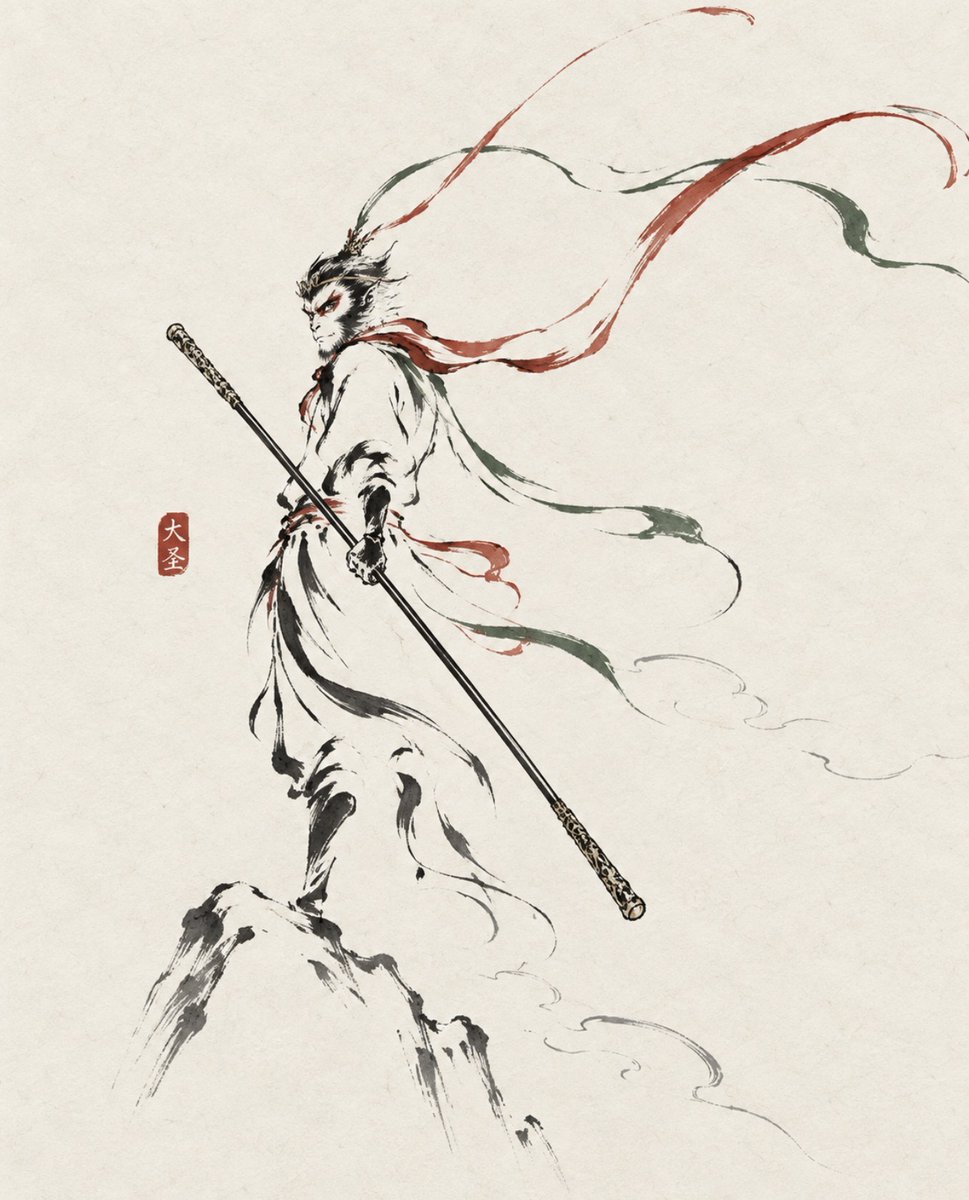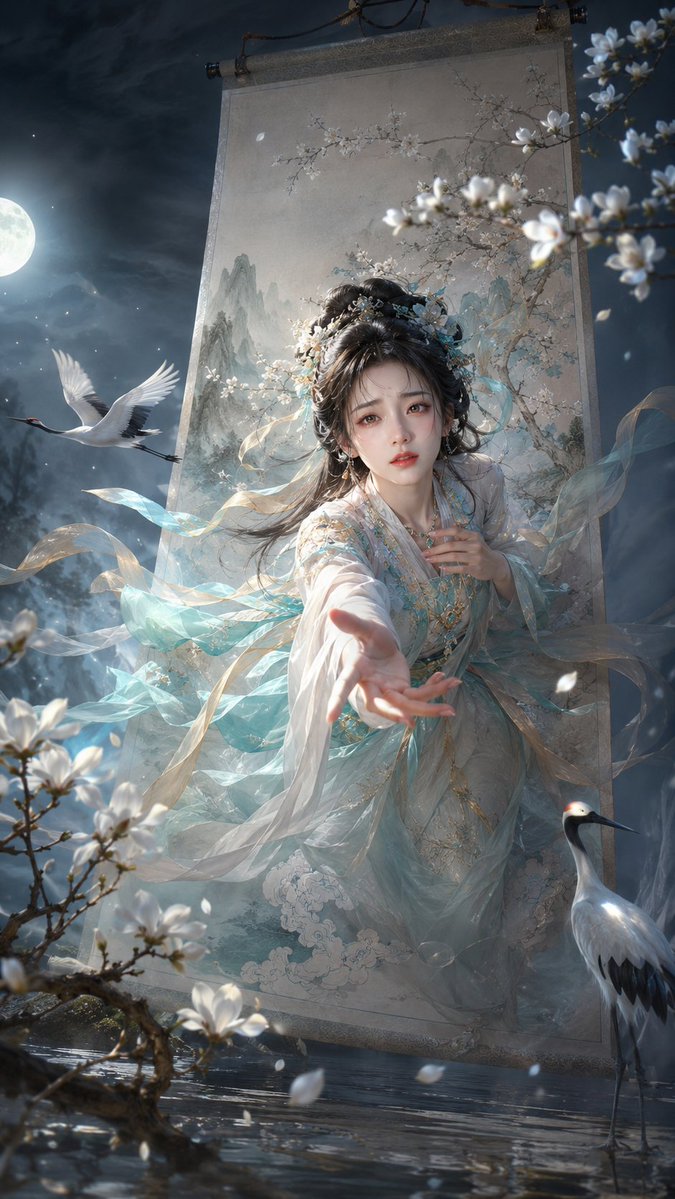


Prompt d'image Affiches et typographie Personnalisables
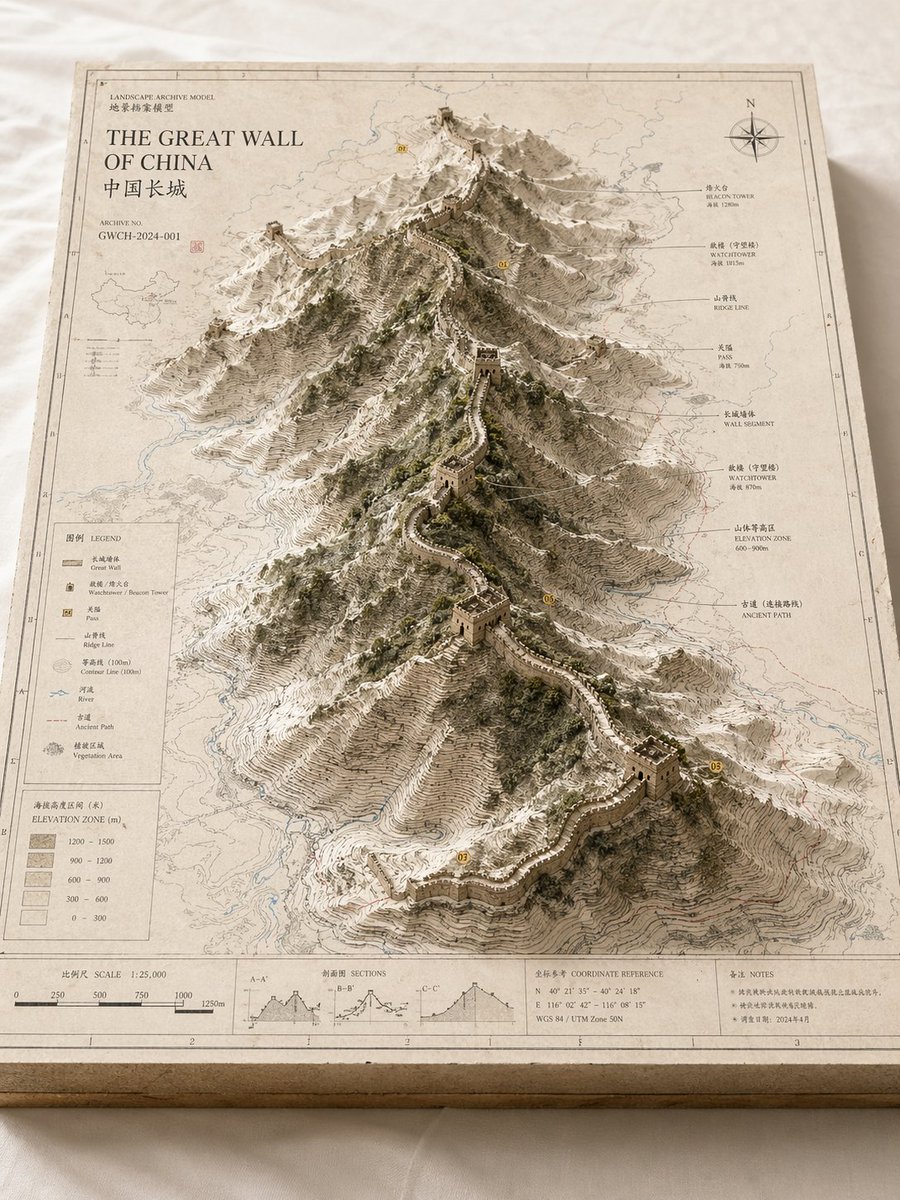
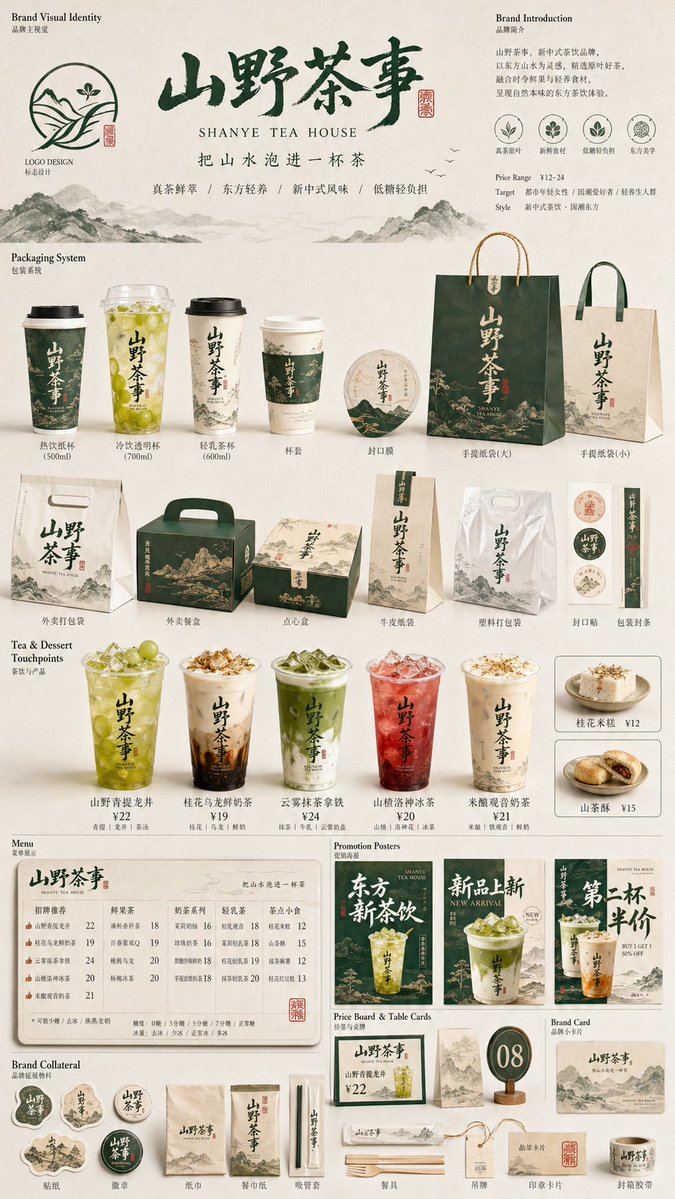
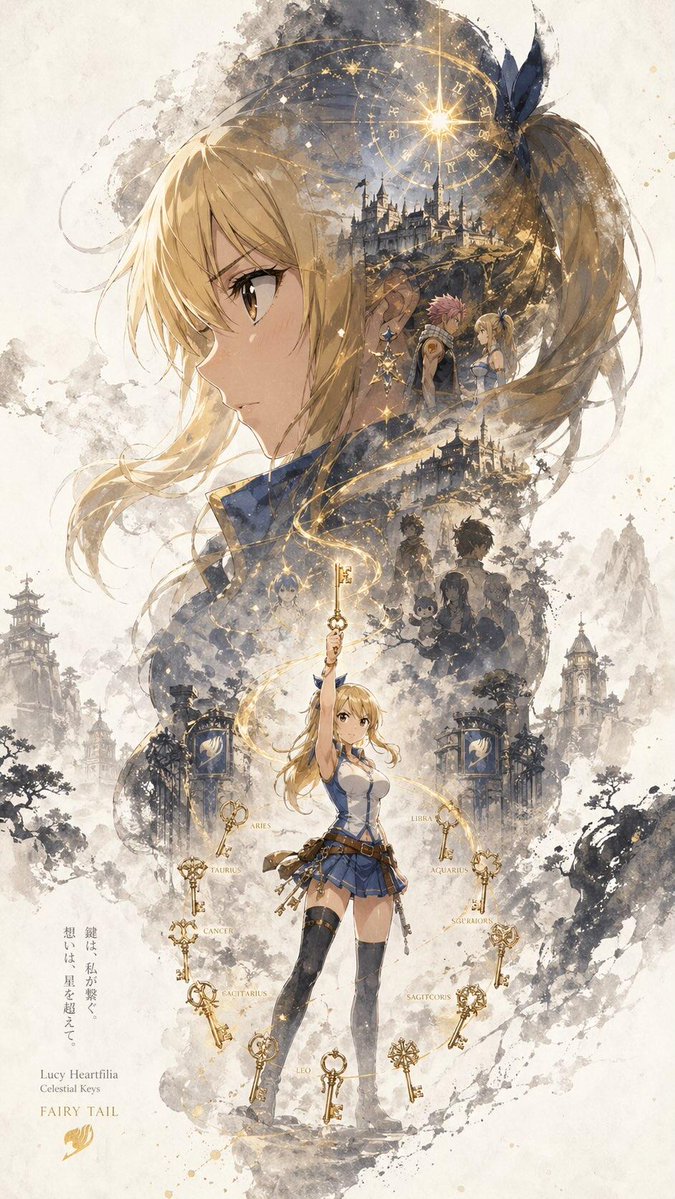
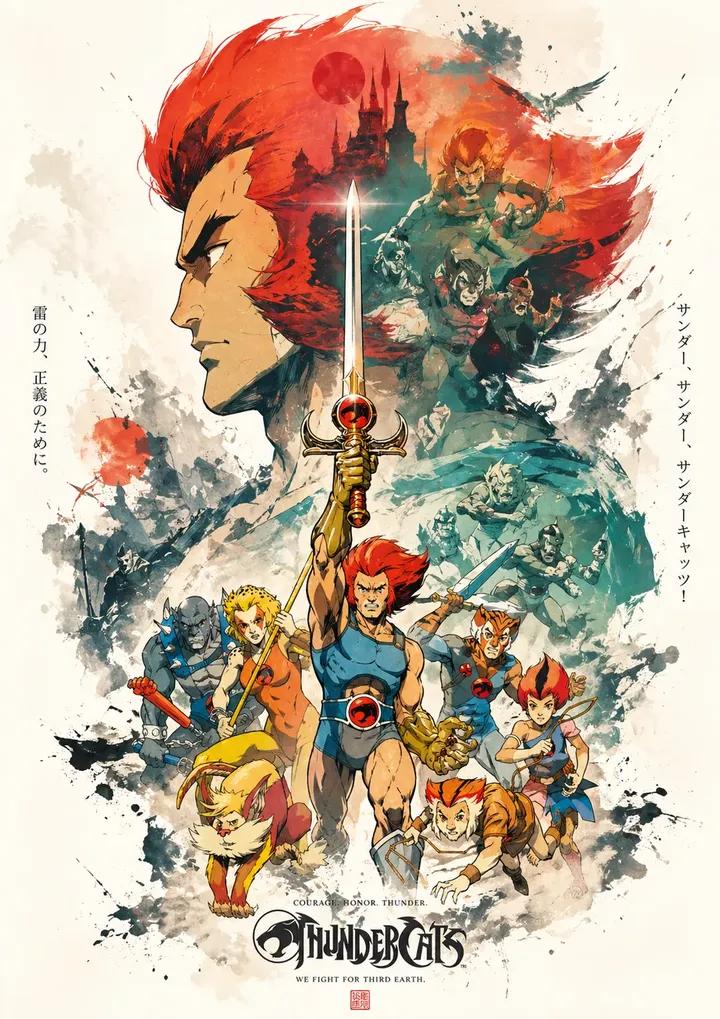
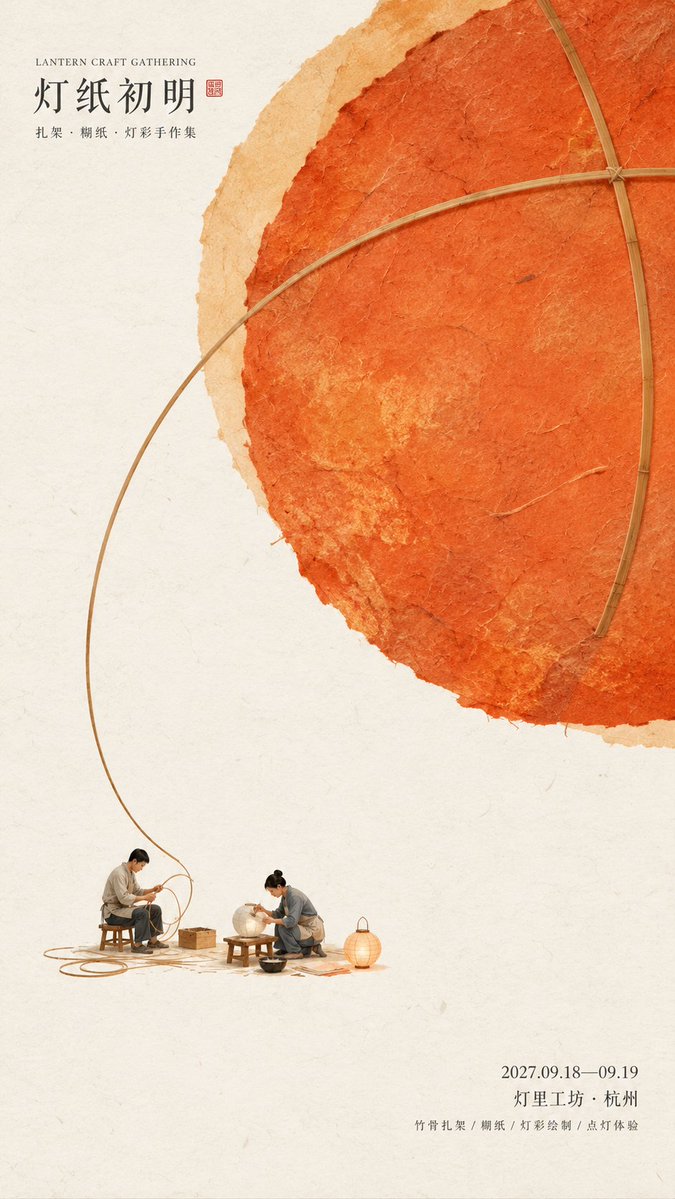
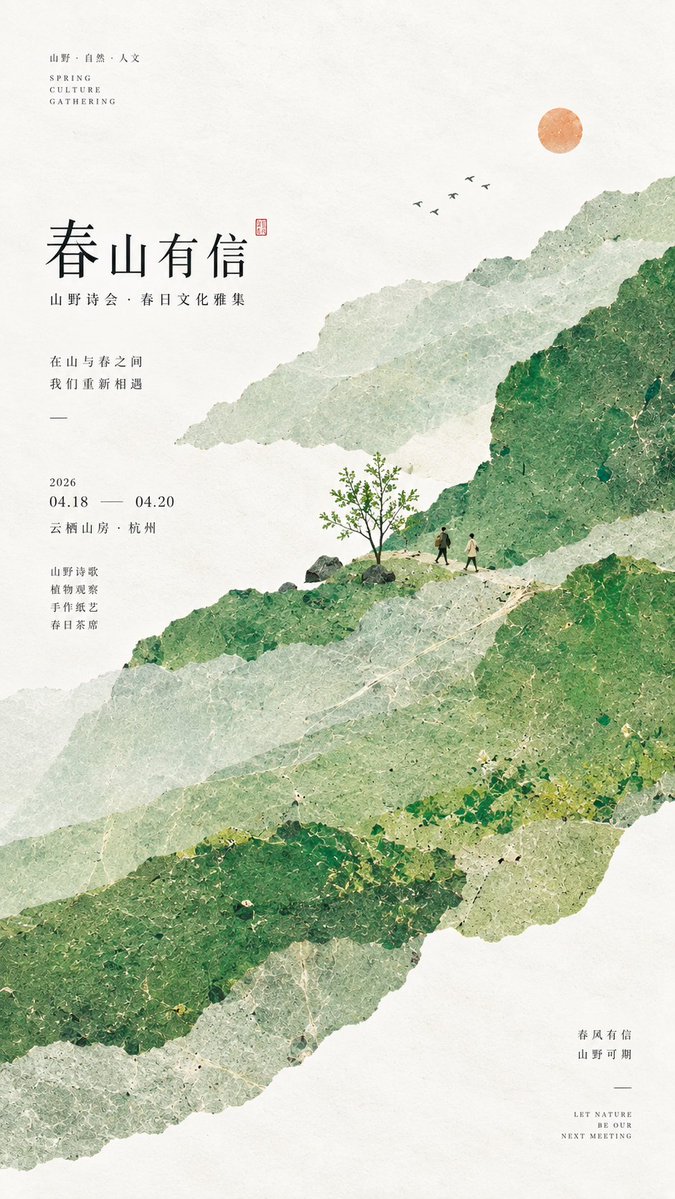
Affiche d'événement culturel à champ de couleur en papier fait main
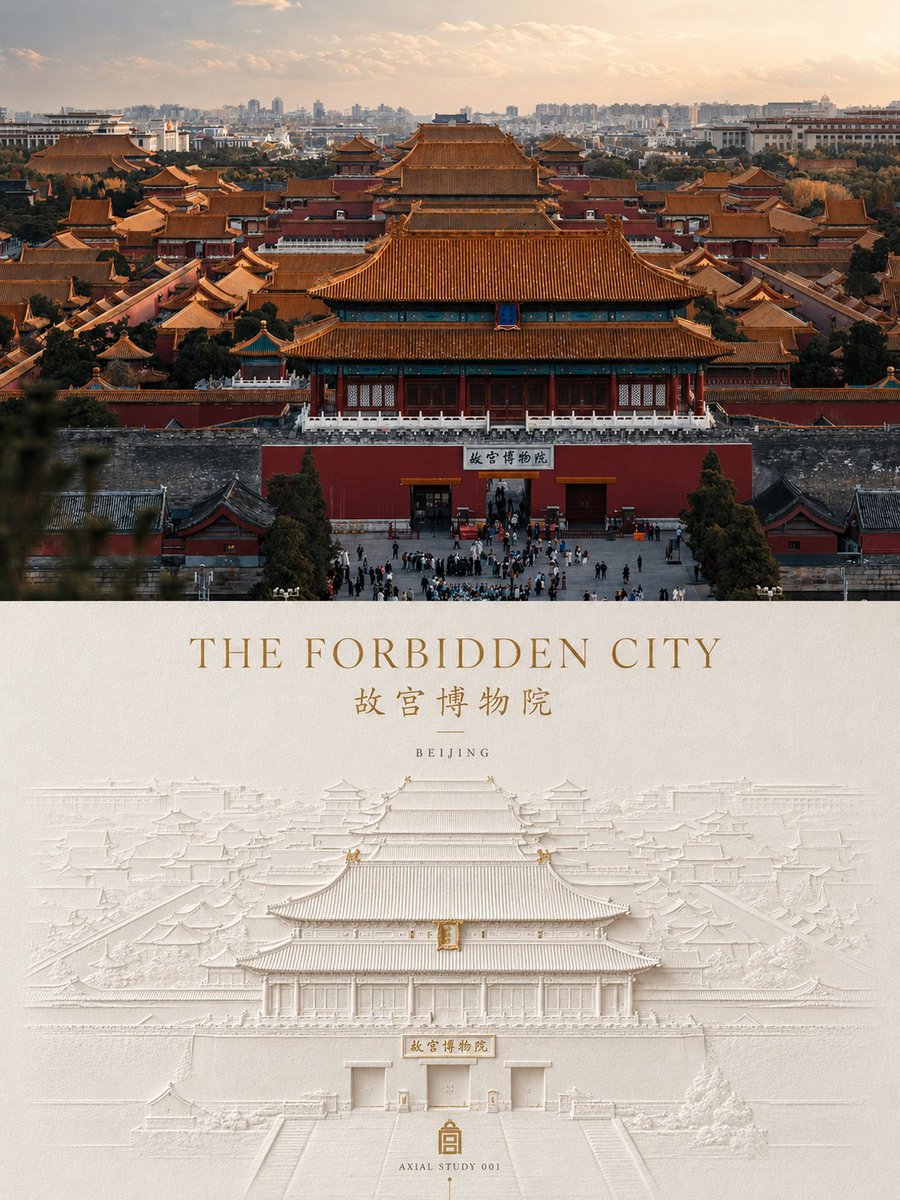
De grands blocs de papier irréguliers aux tons terreux superposés portent la composition, tandis qu'une petite scène de personnages au travail artisanal récompense un regard attentif. Une touche de cinabre relie le four, le tissu et le papier.

- Modèle
- GPT Image 2
- Type
- 4 images
- Format d'image
- 9:16
- Partagé
- 15 sept. 2026
- J'aime sur X
- 49
Titre principalThème de l'afficheDétails de l'événement
Prompt d'image
4,158 caractères【Poster theme】 【Main title】 【Main color field】 【Micro-scene】 【Figure action】 【Cultural elements】 【Event info】 【Aspect ratio】 Design a cultural-event poster with a modern oriental editorial aesthetic, using "large color field + micro-scene" as the core compositional method, and fusing the material textures of paper collage, watercolor and natural pigments. The image first establishes a clear, visually weighty 【main color field】. Use large, irregular paper color blocks with natural edges to carry the main composition; according to the 【poster theme】, let the blocks form an abstract space through layering, enclosing, offsetting, interweaving, hanging, extending or negative-space relationships. The blocks may suggest mountains, courtyards, workshops, dyed cloth, ceramic kilns, woodlands, etc., but should not be painted as ordinary realistic scenes. The paper blocks must have obvious, refined real materiality: natural long and short fibers, handmade pulp grains, watercolor or mineral-pigment deposits, slight embossing, natural gradations, large-scale color differences and irregular torn-paper edges. Rich in texture but overall clean, complete, matte and breathable. Avoid dirt, yellow spots, severe fading, random mottling, strong noise and cheap faux-antique effects. The large color field is the first visual. From afar one should first see clear large shapes, color relationships and spatial structure, retaining strong recognizability even when shrunk to social-media feed size. Do not rely on tiny text or complex detail to hold together. Within the space formed by the large blocks, add a 【micro-scene】 that is very small in scale but narratively complete. Figures and props together occupy only about 2%–5% of the image; the figures are genuinely performing the 【figure action】, not looking at the camera and not posing. The micro-scene should be discovered only upon approaching, telling a small story through the relationship of actions. According to the theme, naturally add a few 【cultural elements】, such as pottery, handmade paper, dyed cloth, bamboo baskets, tea sets, plants, an ancient zither, kites, a wooden table, tools, etc. The objects should truly participate in the scene, not be piled up for decoration or made into a tidy commercial display. The image may set one tiny visual accent color, such as cinnabar red, warm orange, dry gold or lamplight color, usually kept to 1%–3% of the total area. The accent color should relate to the theme, such as kiln fire, imprints, objects, dye material or natural light points, rather than being added arbitrarily. The main title 【main title】 uses a refined, restrained Chinese Song, Ming or modern-publishing-character typeface. The title size stays medium-small, no giant typography, not letting the text overpower the large color field. Auxiliary English, date, location and event type use a smaller size, forming a clear information hierarchy and preserving ample white space. The layout avoids regular centering and PPT-style grids. Prefer asymmetric composition, size contrast, density variation, large white space, block offset and front-back overlap, so the text enters the image naturally like the editorial information of a cultural institution, rather than covering the visual subject's surface. The overall reading order should be: large paper color field and material relationships → miniature figure scene and cultural behavior → main title → small event information. The final result is a modern oriental cultural poster that is "simple with large shapes from afar, refined with texture and story up close." Overall it should combine the traits of paper collage, watercolor texture, editorial design, miniature narrative and cultural-event visuals — refined but not overly elaborate. Avoid: book-cover look, giant titles, traditional ink painting, ordinary Chinese-style illustration, realistic photographic backgrounds, PPT-style layout, commercial-ad feel, element piling, meaningless English placeholder words, dirty old paper, strong noise, plastic texture, 3D CGI, glass material, neon colors, logos, watermarks, numbering and starburst decorations.
Comment l'utiliser
Partagé comme prompt GPT Image 2. Remplacez le thème, le titre et les détails de l'événement entre crochets par ceux de votre propre festival ou exposition, et conservez le grand champ de couleur ainsi que la structure de la micro-scène, car ce sont eux qui portent la mise en page. Les expressions dans les champs sont les espaces réservés à remplacer. Utilisez l'œuvre finale comme affiche 9:16 pour les réseaux sociaux ou l'impression pour un événement culturel.
Partagé publiquement sur X le 15 sept. 2026. Tout le mérite de ce prompt et de son résultat revient à son créateur. Ce prompt est le vôtre ? Demandez une mise à jour ou un retrait.