

Prompt de imagen Pósters y tipografía Añade tu foto
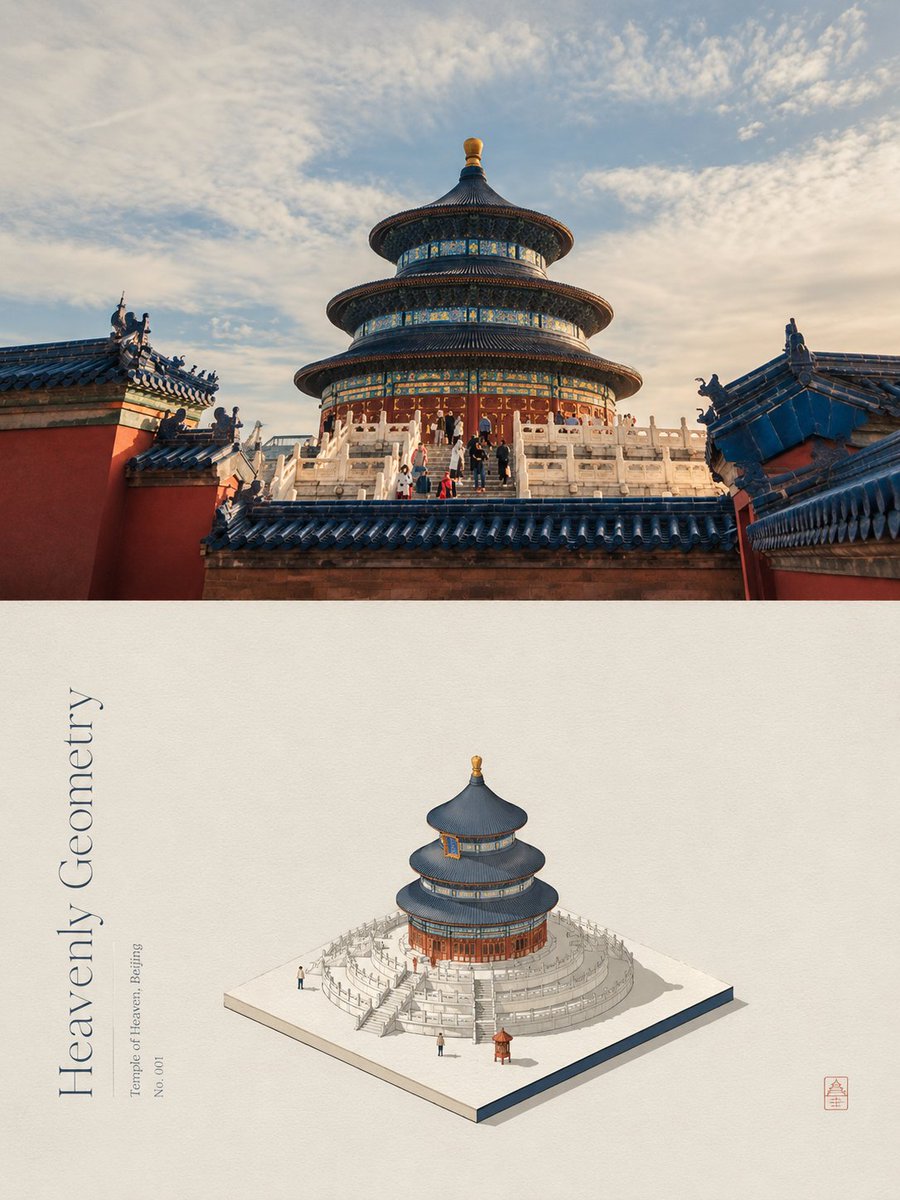
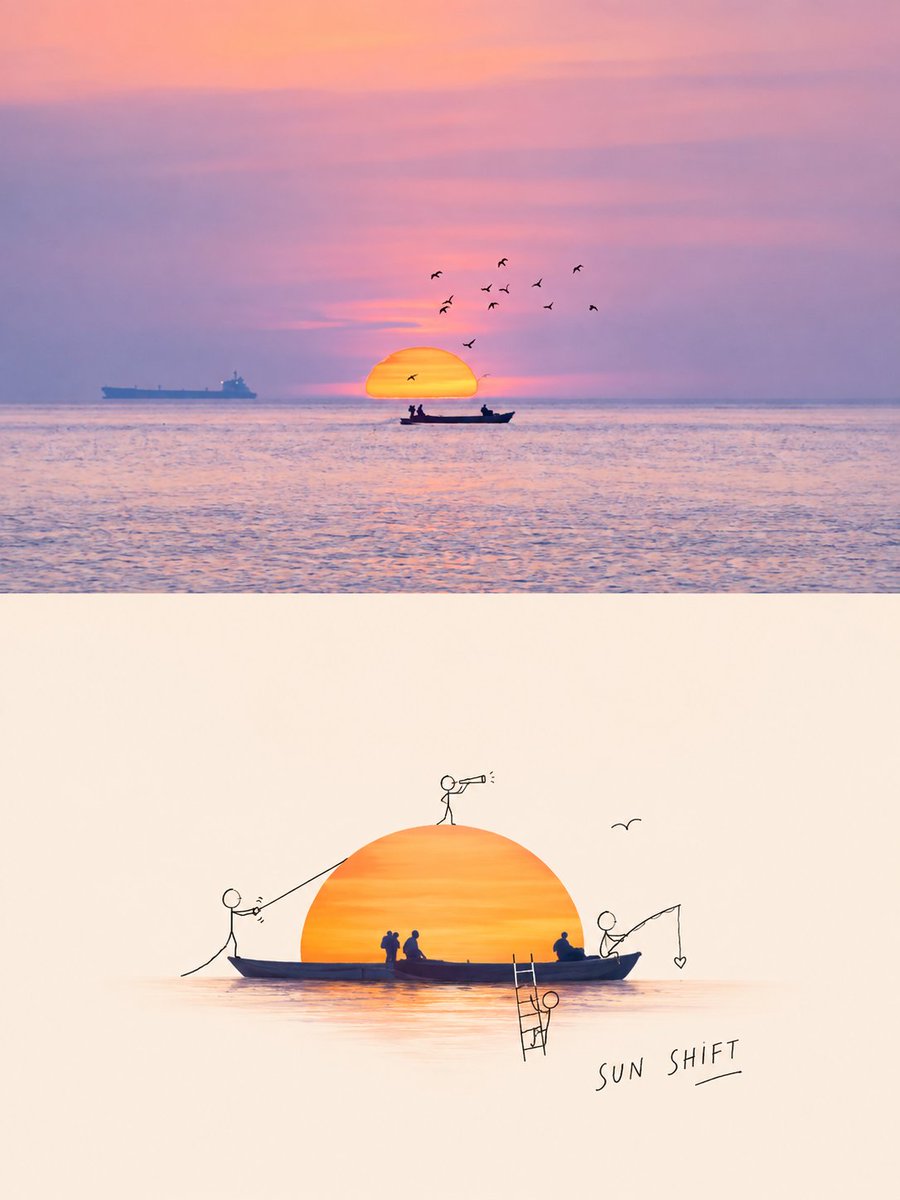
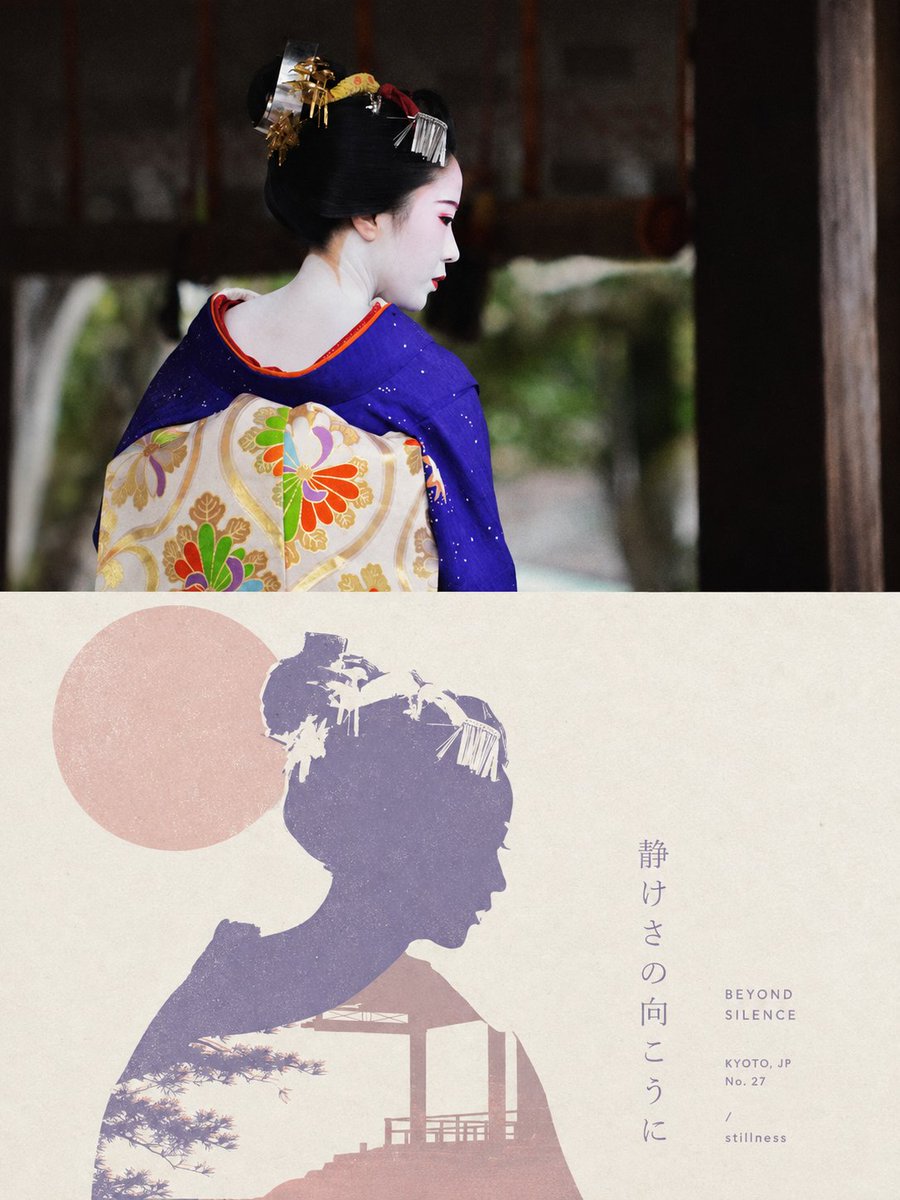
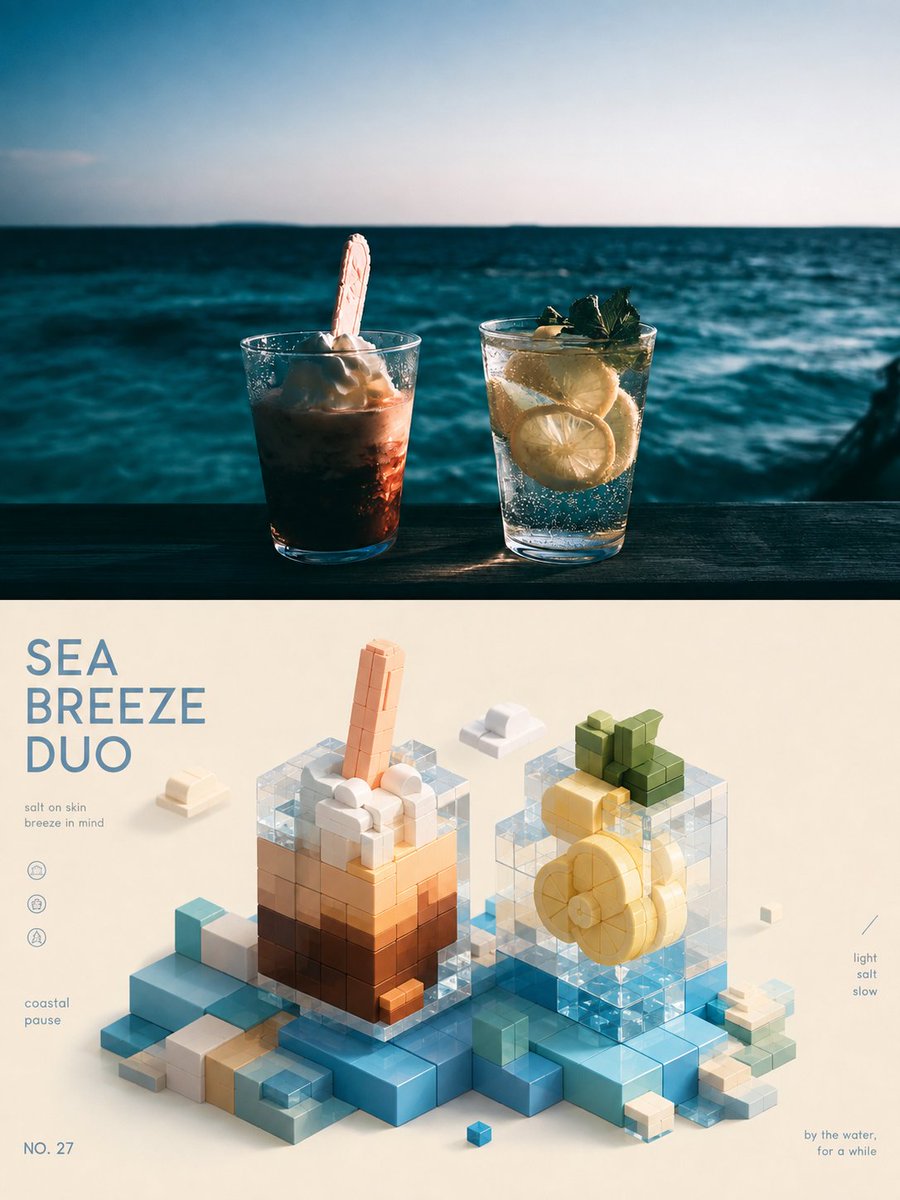
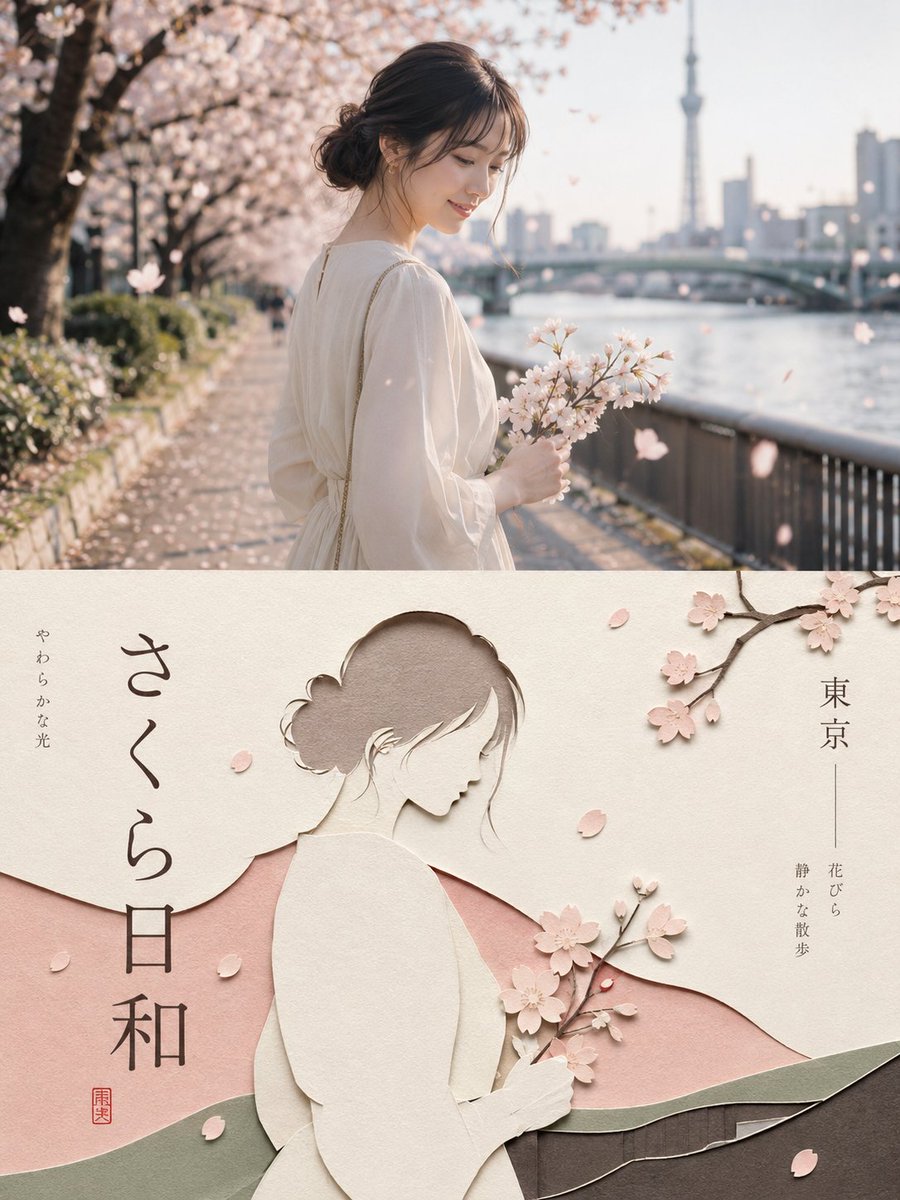
Cartel de papel recortado en capas con tipografía editorial
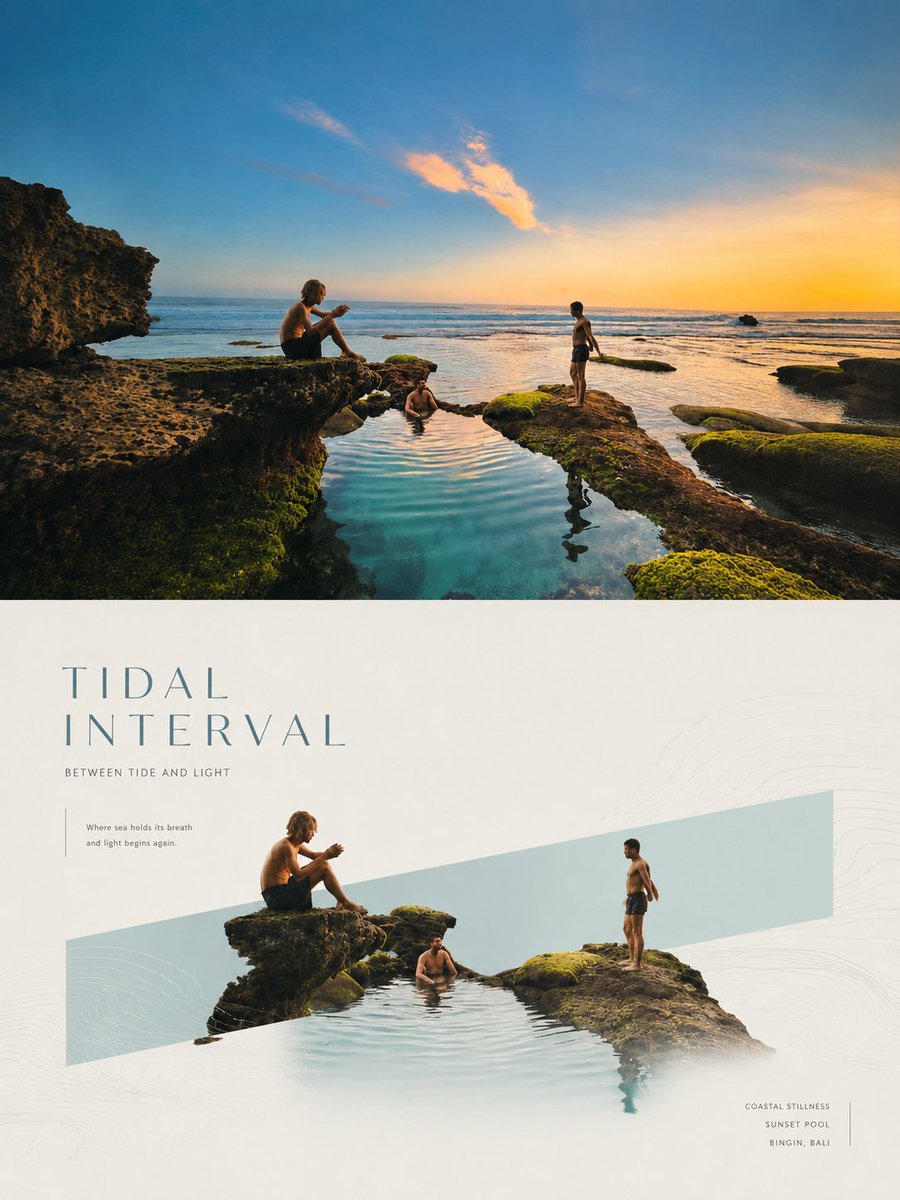
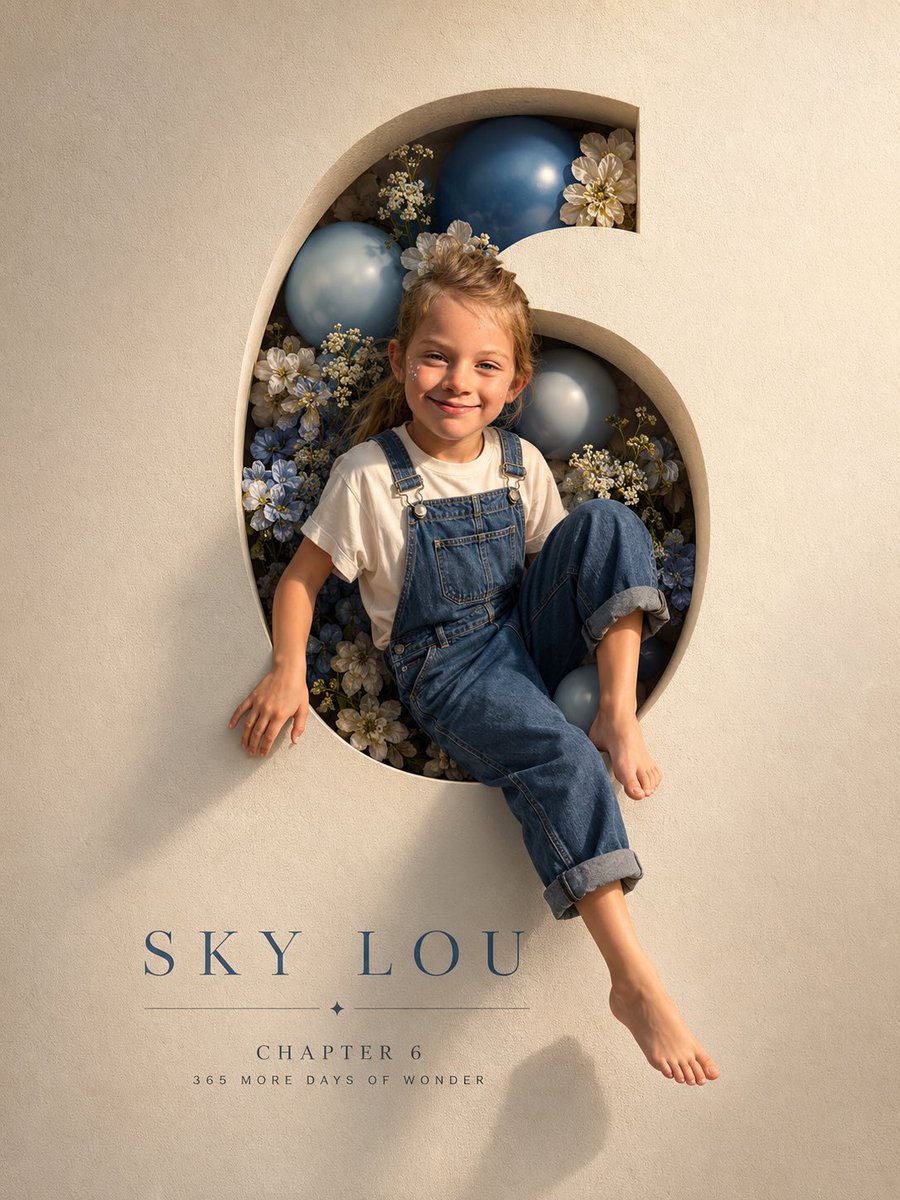
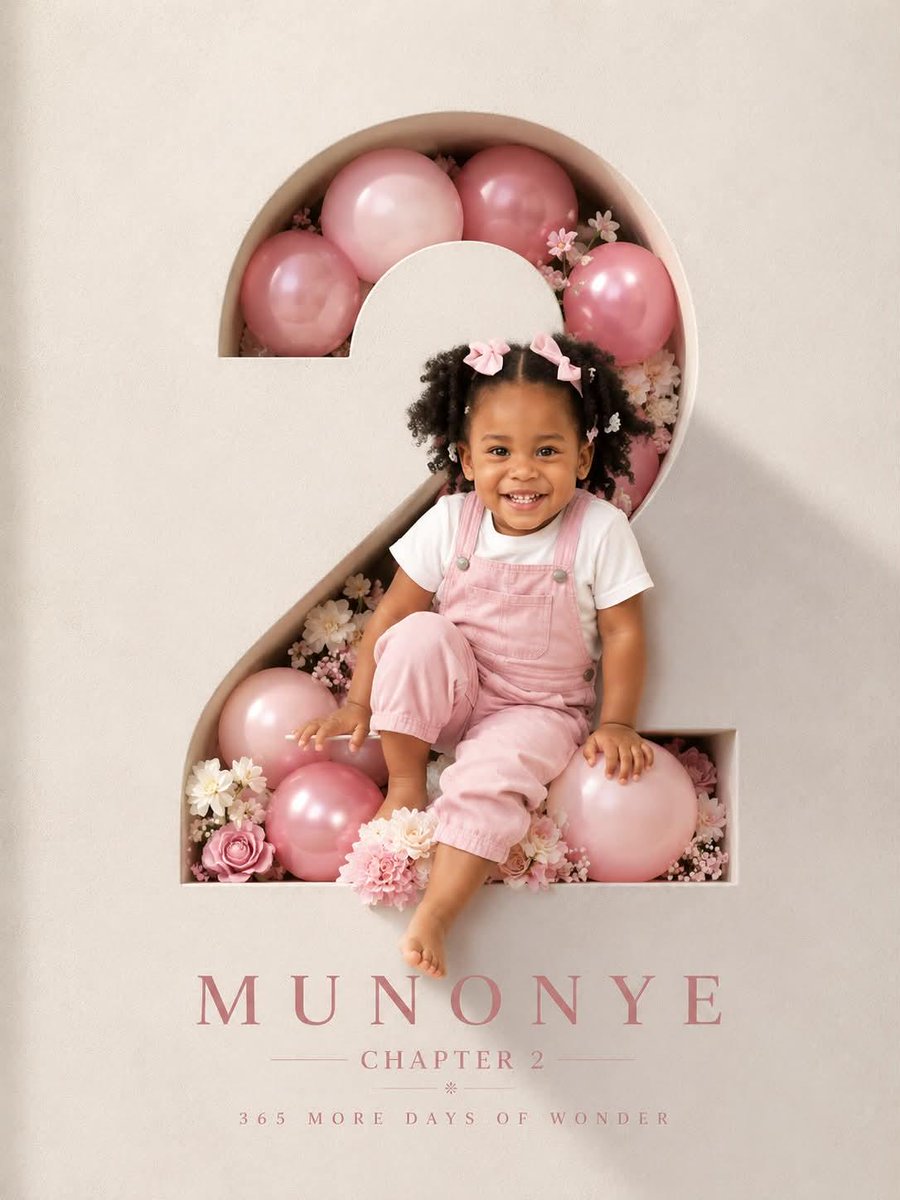
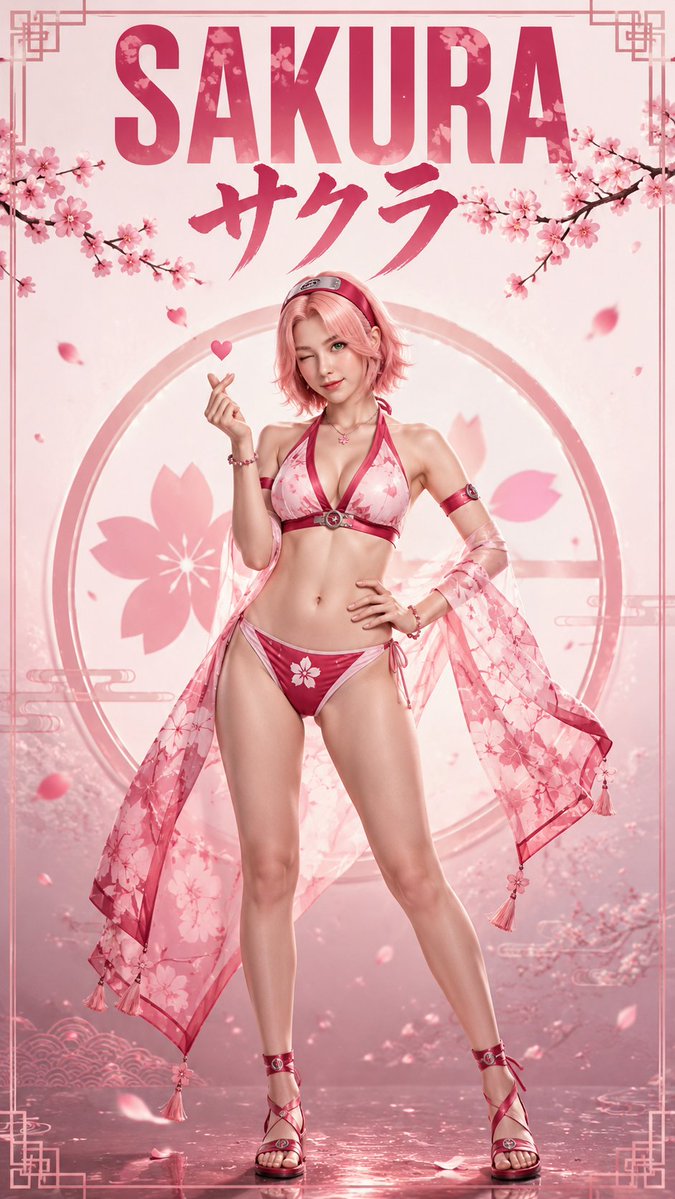
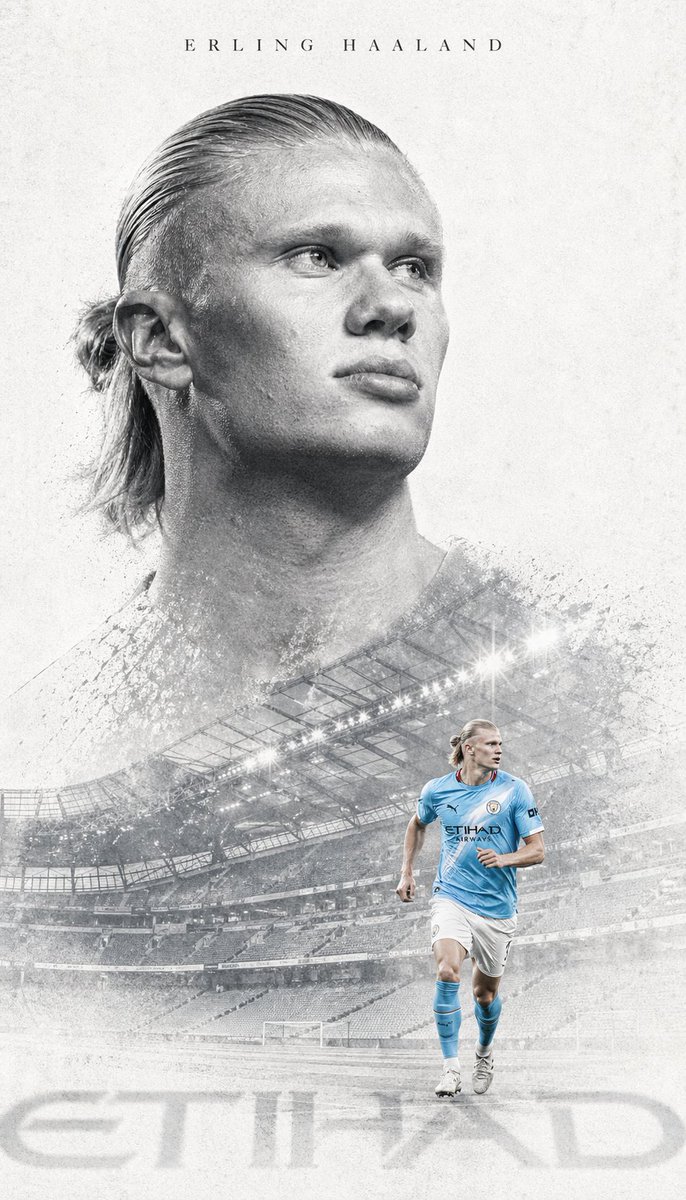
Una fotografía real ocupa la mitad superior de un cartel alto, mientras que la mitad inferior convierte al sujeto en papel plegado y en capas, con textos pequeños y precisos recorriendo los bordes. El contraste entre la foto y la artesanía le da un aire de portada de revista coleccionable.

- Modelo
- GPT Image 2
- Tipo
- 4 imágenes
- Relación de aspecto
- 3:4
- Compartido
- 22 ago 2026
- Me gusta en X
- 285
Prompt de imagen
4,492 caracteresPlease turn each photo I upload into a separate, standalone premium design poster. Do not create multi-image collages; each photo must be output individually. Use an overall 3:4 vertical composition, with the upper and lower sections divided in a strict 1:1 height ratio, each occupying exactly 50% of the canvas. The upper half should preserve the original photograph, maintaining the subject’s structure, realistic texture, natural lighting, and original color atmosphere. Apply only subtle, high-end photographic color grading so that the image feels like an art magazine, independent publication, or exhibition photograph. To adapt the image to the required aspect ratio, you may naturally extend the sky, ground, or surrounding environment, but do not stretch, distort, or alter the subject itself. The lower half should extract the most recognizable subject, silhouette, pose, and narrative relationship from the photograph and reinterpret them as a minimalist, handcrafted layered paper-cut and paper-sculpture collage. Use one core subject as the visual anchor, simplifying its essential silhouette, proportions, and structure through folding, cutting, layering, and overlapping rather than mechanically reproducing every detail. Then select only a small number of environmental relationships from the original image and transform them into foreground, midground, and background paper layers. Establish clear hierarchy through differences in scale, compositional axes, positive and negative space, front-to-back overlap, and generous areas of empty space. The subject should remain immediately recognizable while maintaining the restraint, precision, and order of contemporary editorial design. Extract the most distinctive and energetic colors from the upper photograph and translate them into a limited, harmonious paper color palette. Use warm ivory or a light-toned paper surface as the base, then create spatial depth with a dominant color, a darker structural tone, lighter layering tones, and only a very small amount of accent color. Use refined matte cardstock with visible paper fibers, crisp cut edges, and soft contact shadows. Lighting should be naturally diffused to emphasize the thickness of folded layers and the authentic tactile quality of handmade paper. Avoid plastic-looking 3D rendering, cheap craft-paper aesthetics, neon colors, and complex gradients. Create a complete high-end editorial micro-typography system. Based on the subject’s identity, location, action, material, mood, or symbolic meaning, derive one short main title, accompanied by 2–4 groups of very small supporting text. These may flexibly combine the object or subject name, location information, numbering, chapter markers, serial numbers, coordinate-style numerals, directional words, status words, material descriptors, category labels, or one extremely short poetic annotation. Do not use years or dates. The main title should provide recognition and emotional tone, while the small text should create structure, rhythm, sophistication, and editorial precision. Typography must be composed together with the paper-cut graphics rather than placed separately. Text may follow the edges of paper layers, the contour of the subject, geometric axes, or negative space. It may also appear horizontally, vertically, rotated, widely tracked, aligned tightly to edges, anchored into corners, crossing color blocks, embedded between paper layers, or partially obscured and interwoven with the main subject. The main title may be moderately transformed into paper-cut or folded-paper letterforms, while the supporting typography should remain thin, restrained, and contemporary. Use strong contrasts in type size, direction, and orientation to create a deliberate reading path, so that the paper artwork creates the visual memory while the micro-typography creates the premium editorial order. The overall visual language should combine real photography × handcrafted paper cutting × high-end editorial design. The result should feel clean, elegant, tactile, contemporary, refined, and collectible. Regardless of whether the subject is a person, animal, plant, architecture, object, vehicle, or natural landscape, always maintain one primary subject, a limited number of paper layers, generous negative space, and precise micro-typography. Avoid childish craft aesthetics, excessive visual stacking, duplicated subjects, e-commerce presentation styles, and obvious template-like compositions.
Cómo usarlo
Sube primero una sola foto, ya que la mitad superior se construye a partir de ella y la inferior sigue su silueta principal y su pose. Mantén la paleta de papel limitada y el espacio negativo generoso, y reescribe solo el título y las etiquetas de microtexto para adaptarlos a tu tema. Se compartió como prompt de GPT Image 2 y el diseño encaja con carteles, impresiones de exposiciones o la portada de un fanzine independiente.
Compartido públicamente en X el 22 ago 2026. Todo el mérito de este prompt y de su resultado es de su creador. ¿Es tuyo? Pide que se actualice o se elimine.