Prompt de imagen Pósters y tipografía
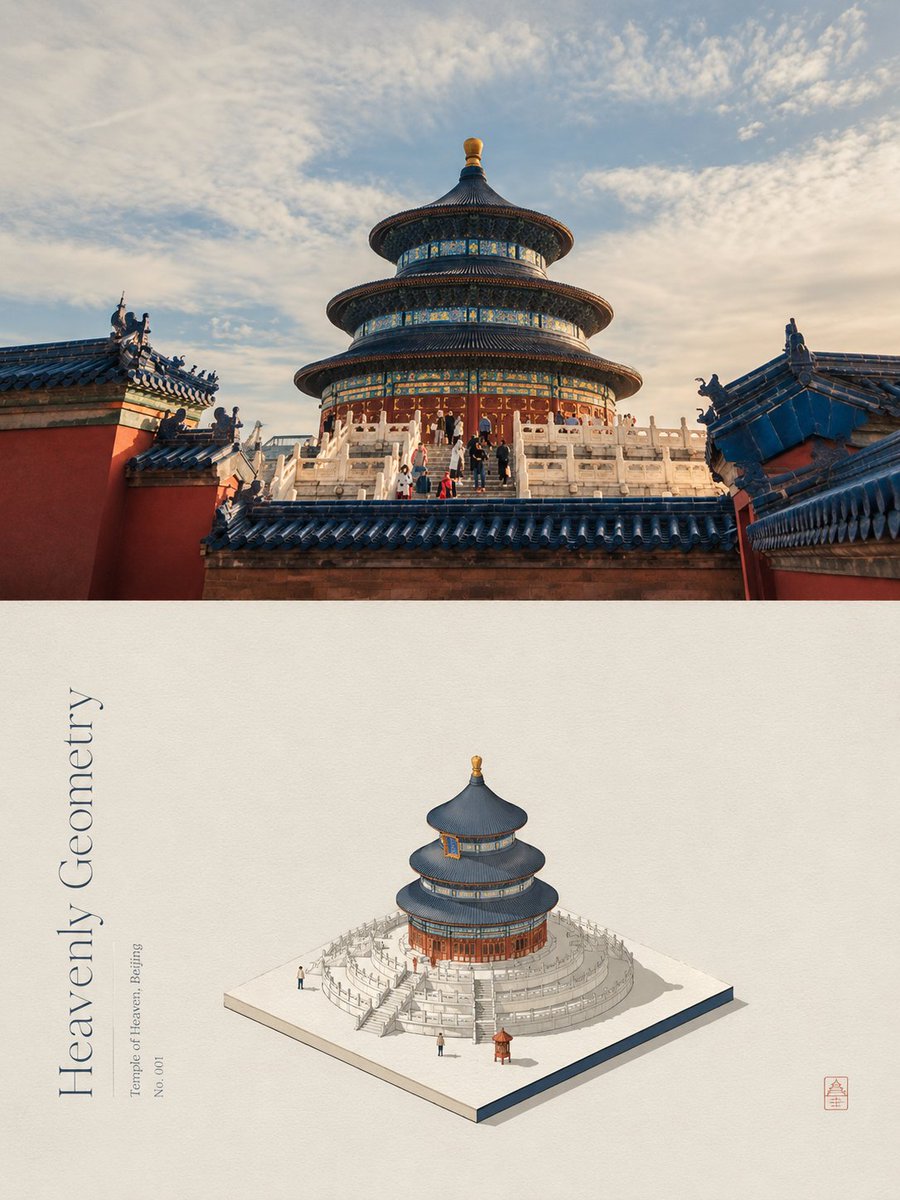
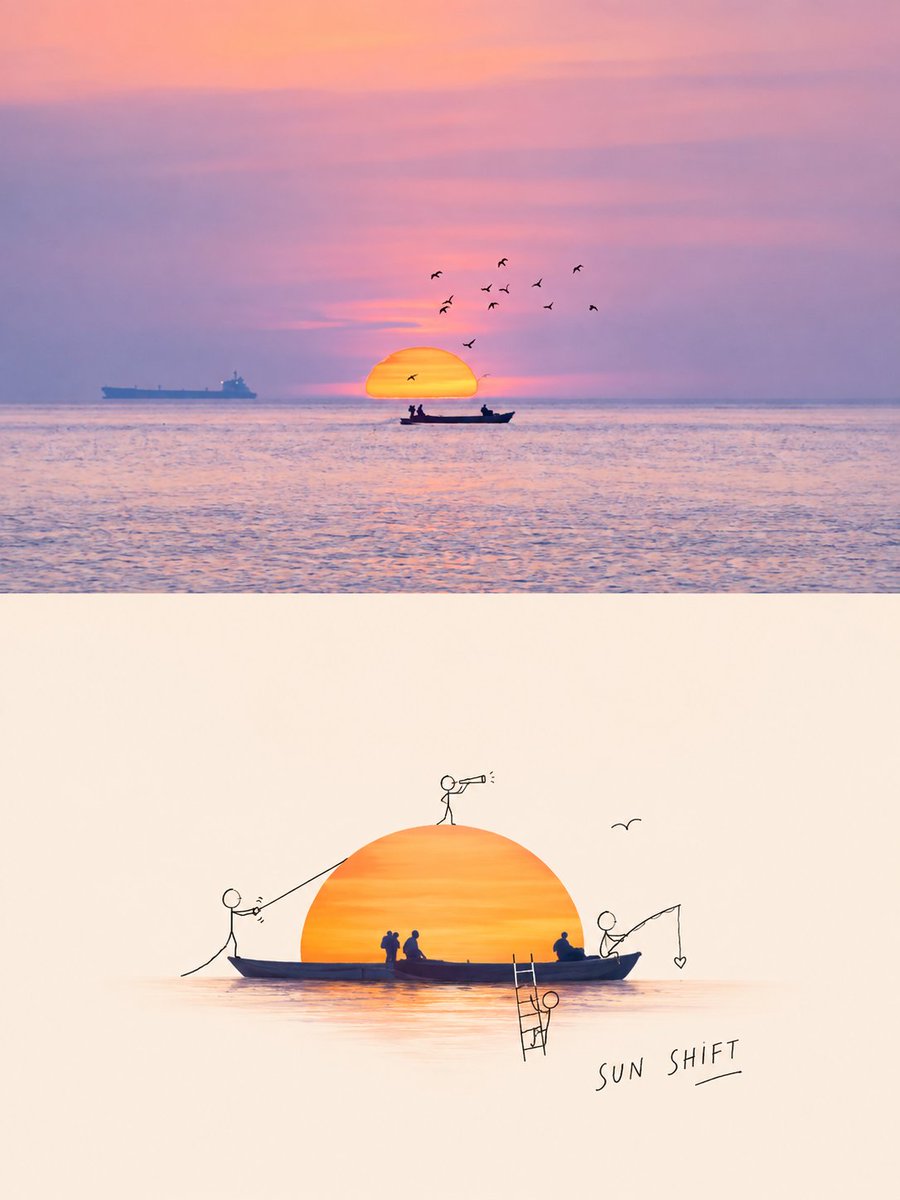
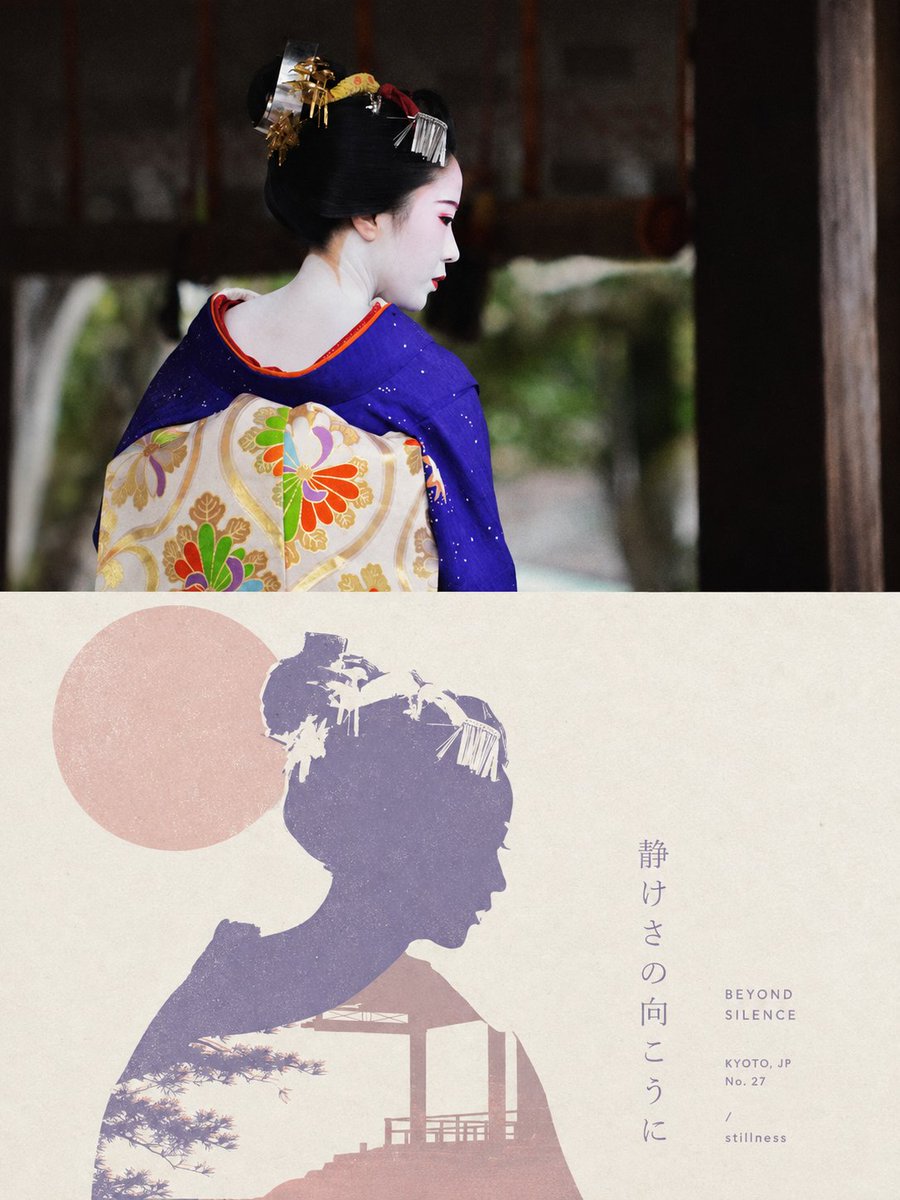
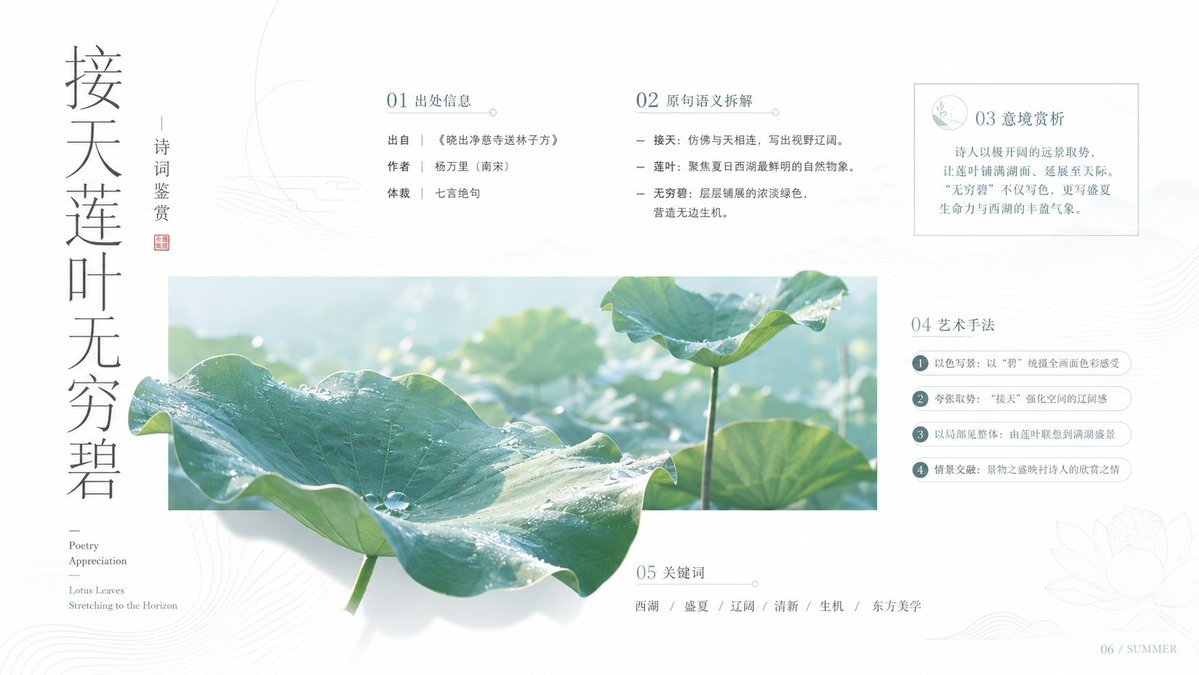
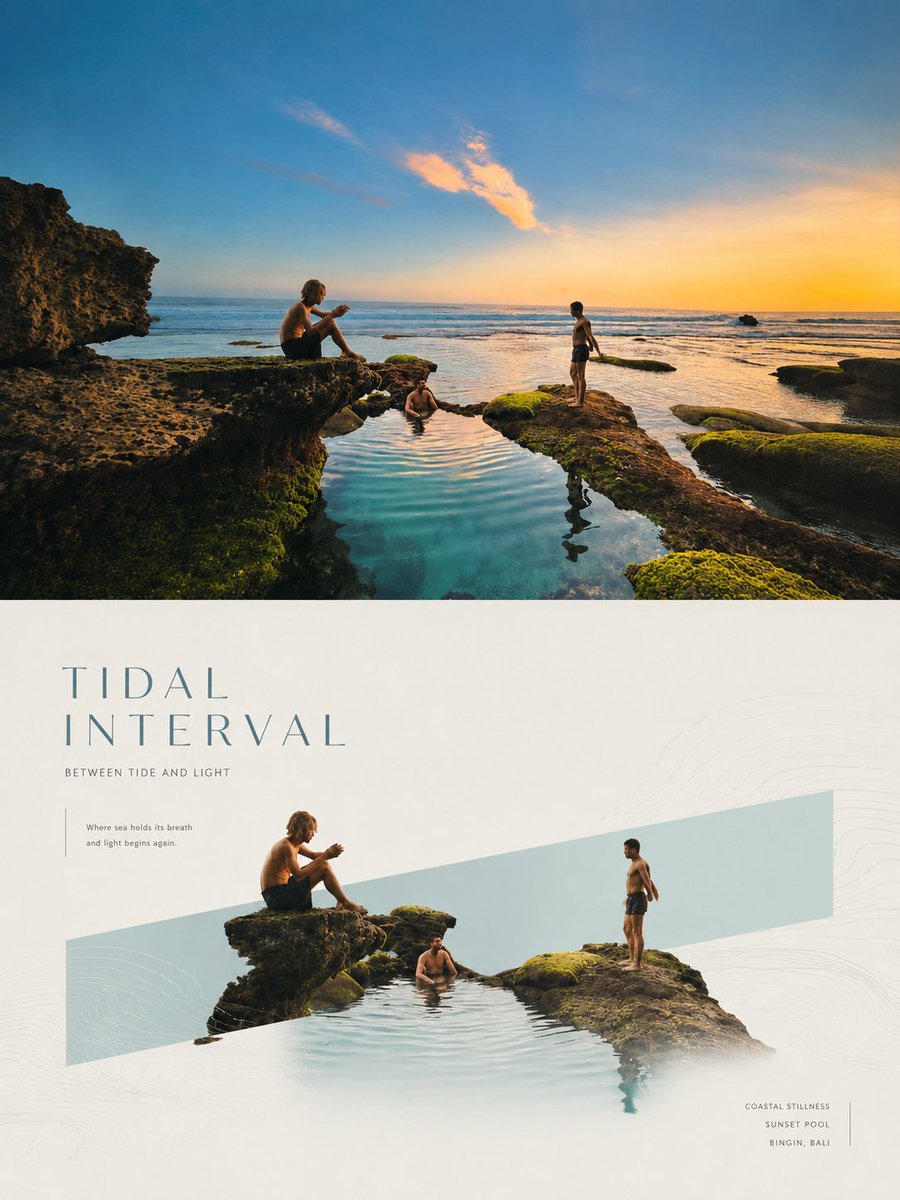
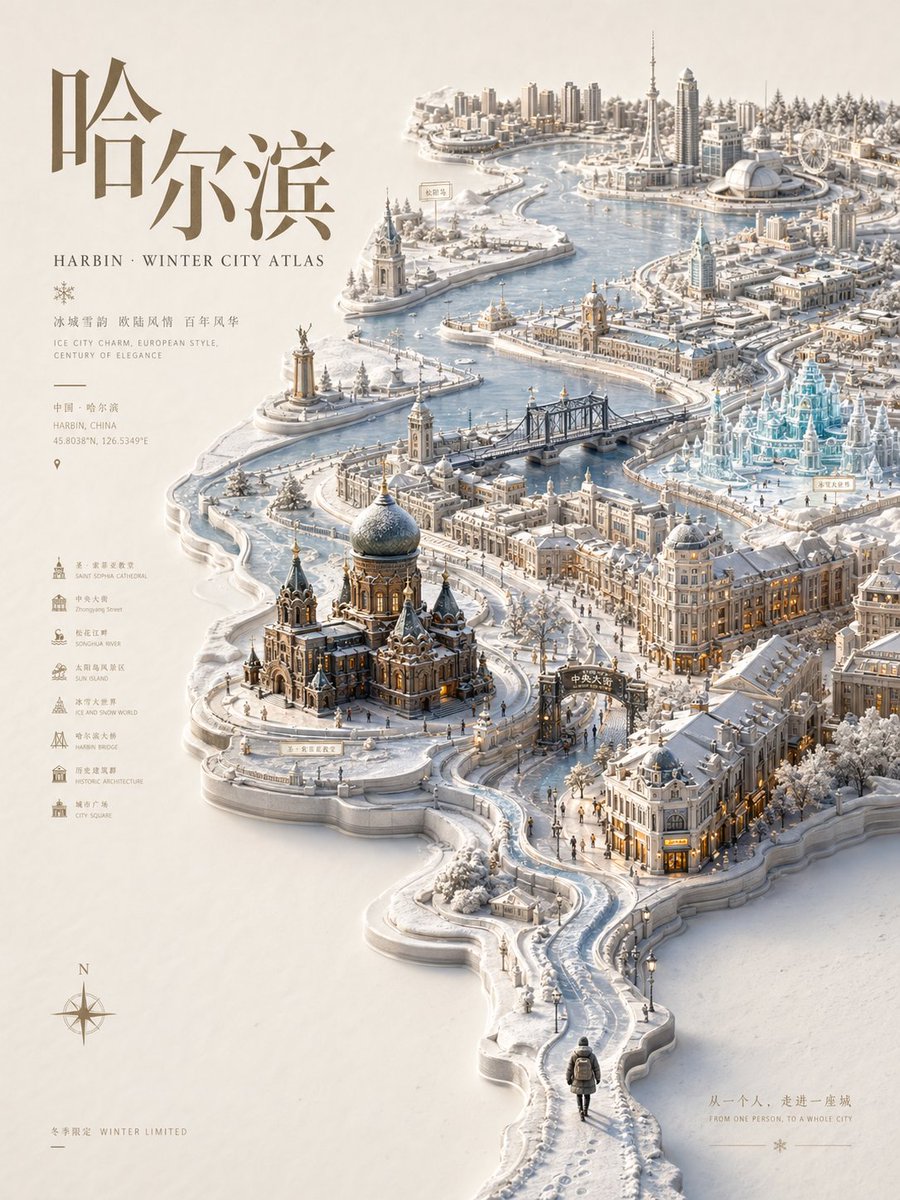
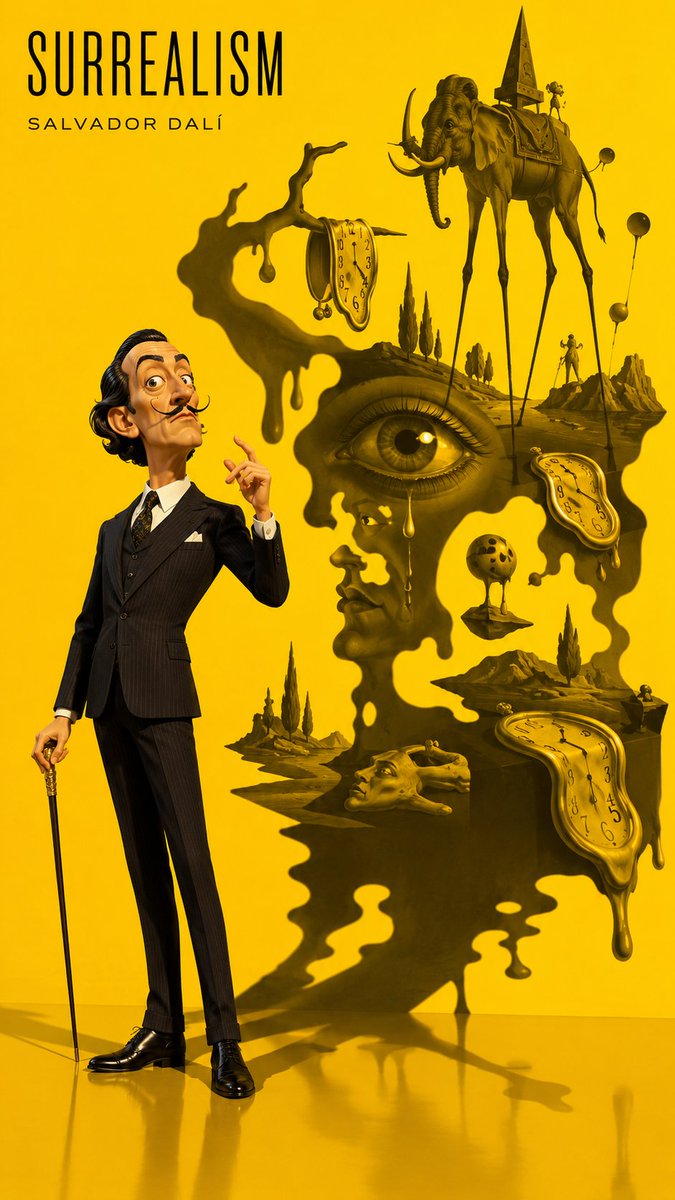
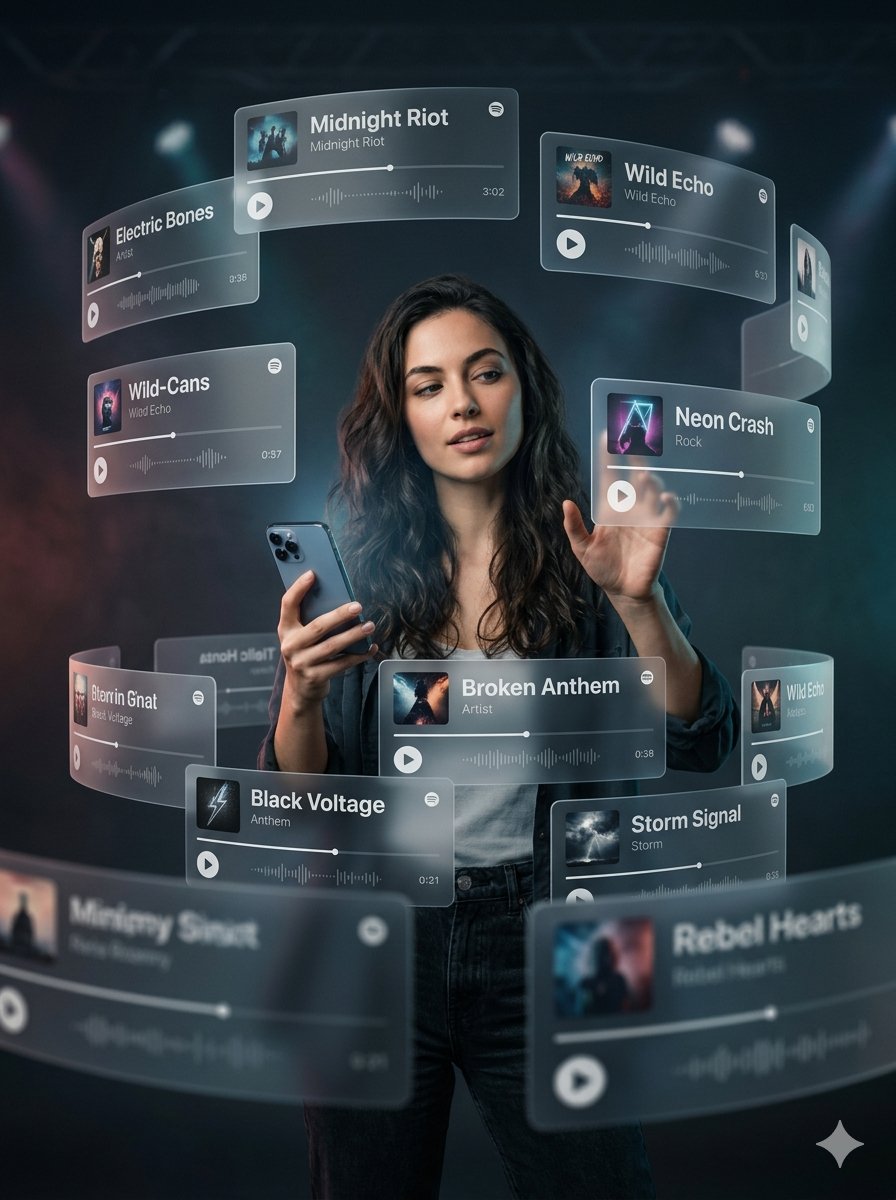
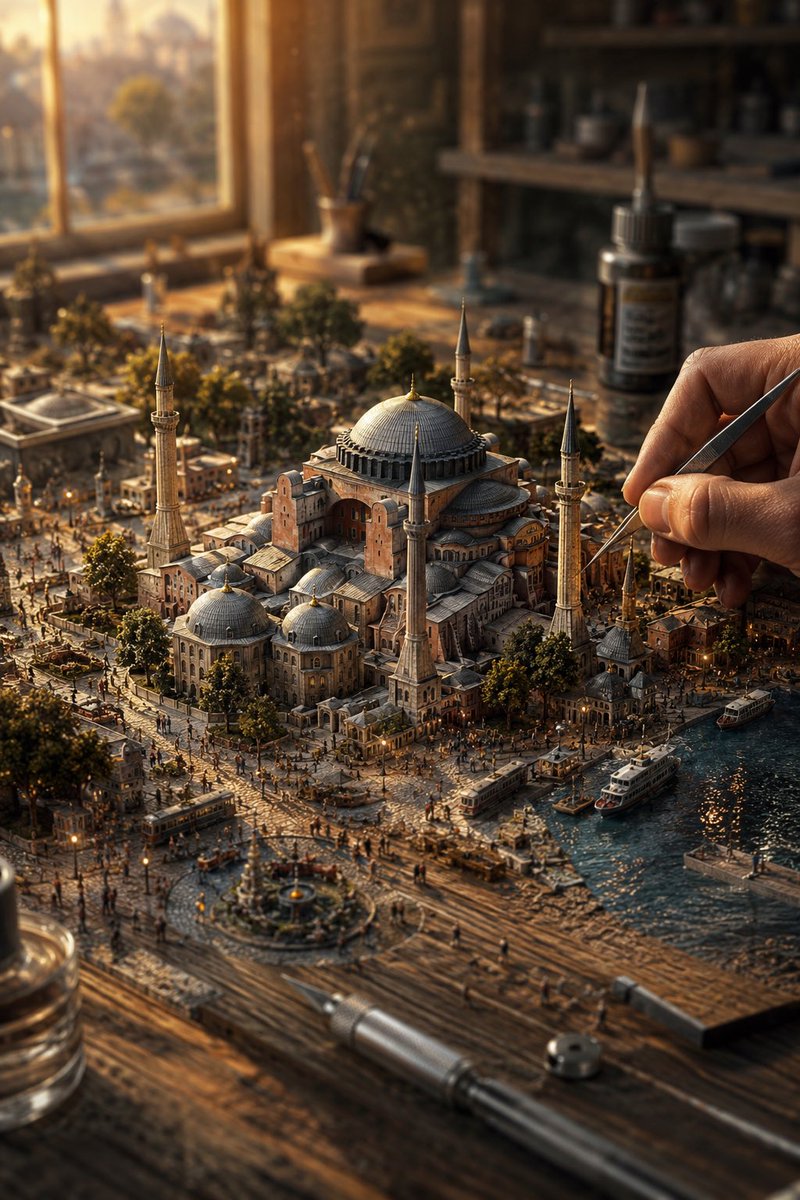
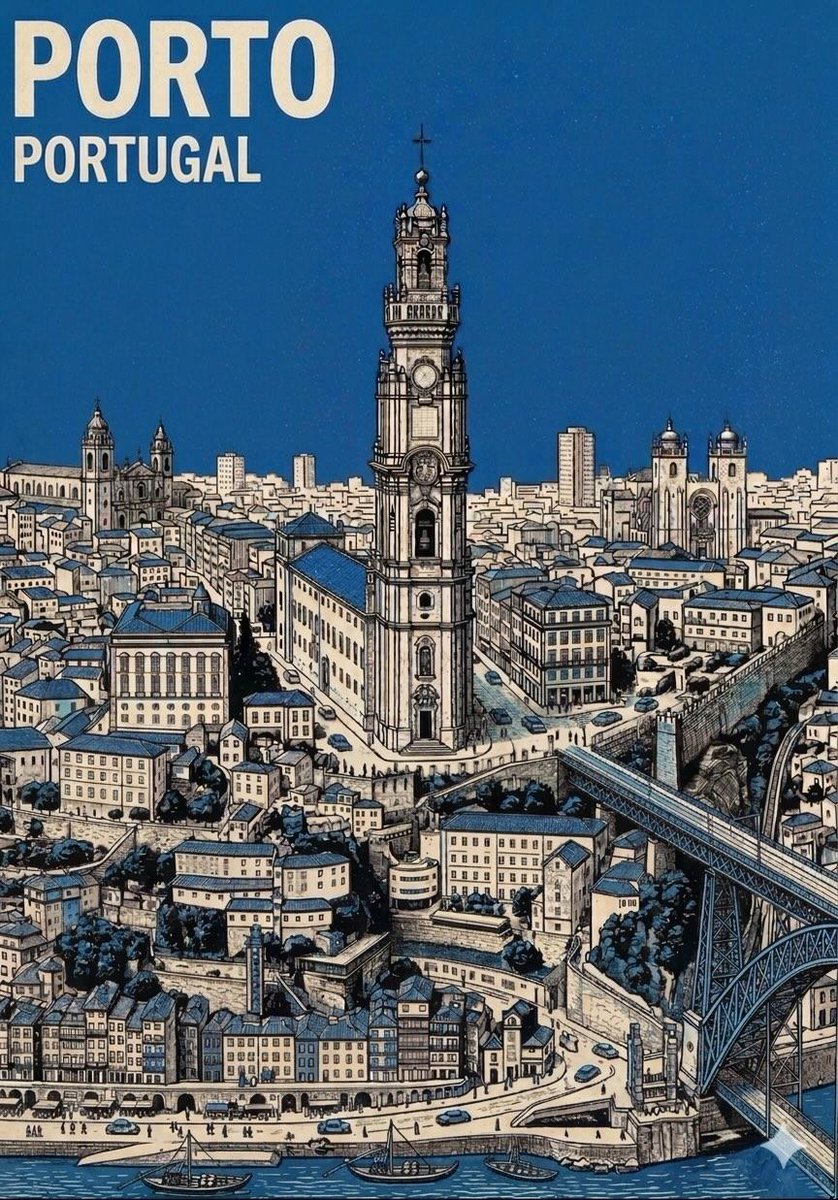
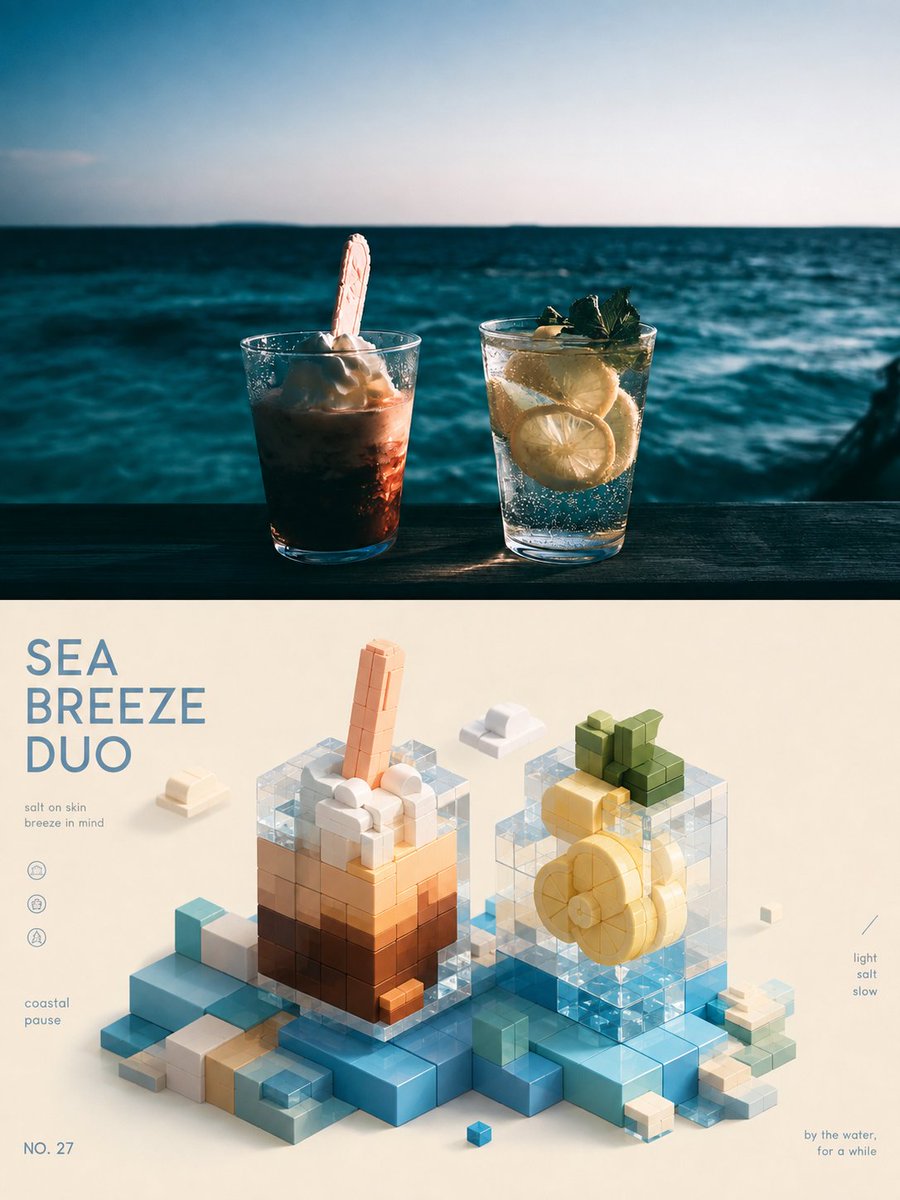
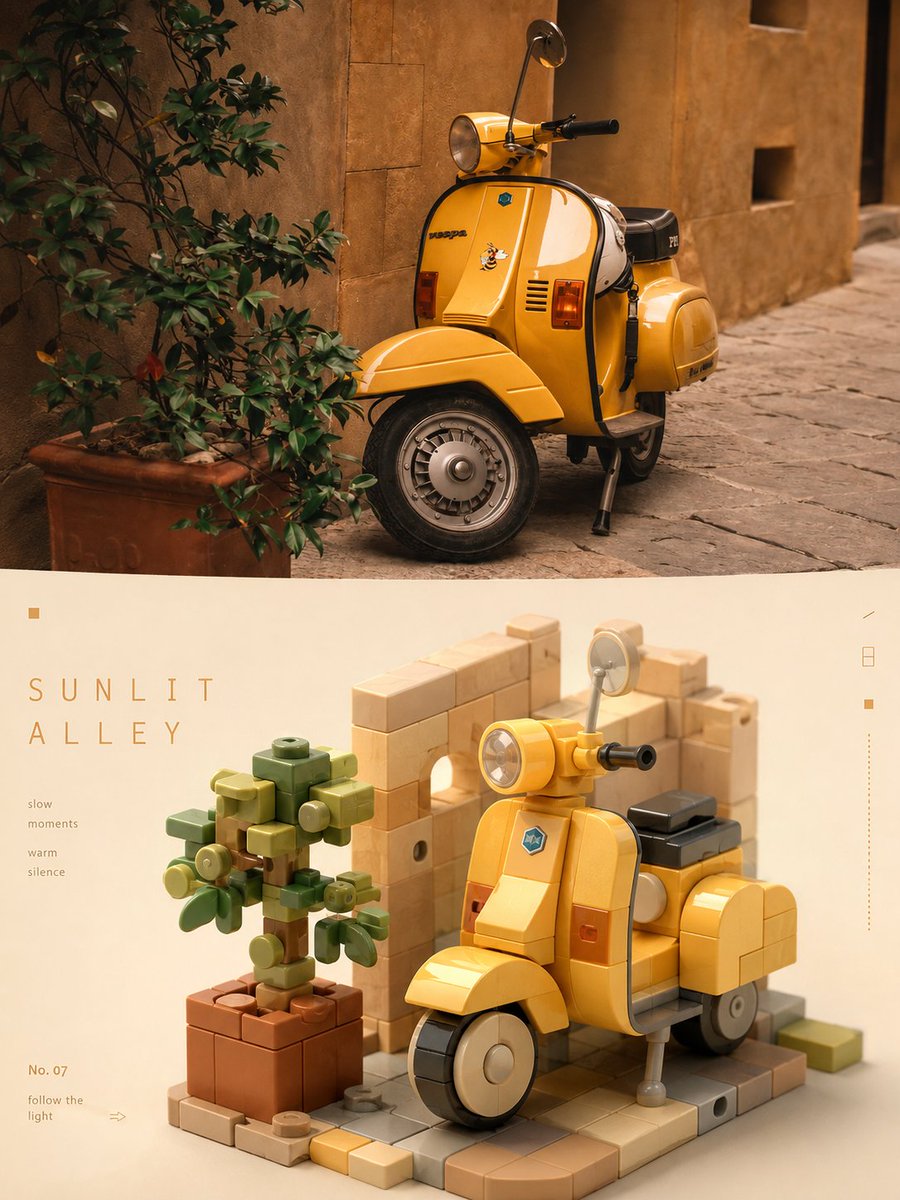
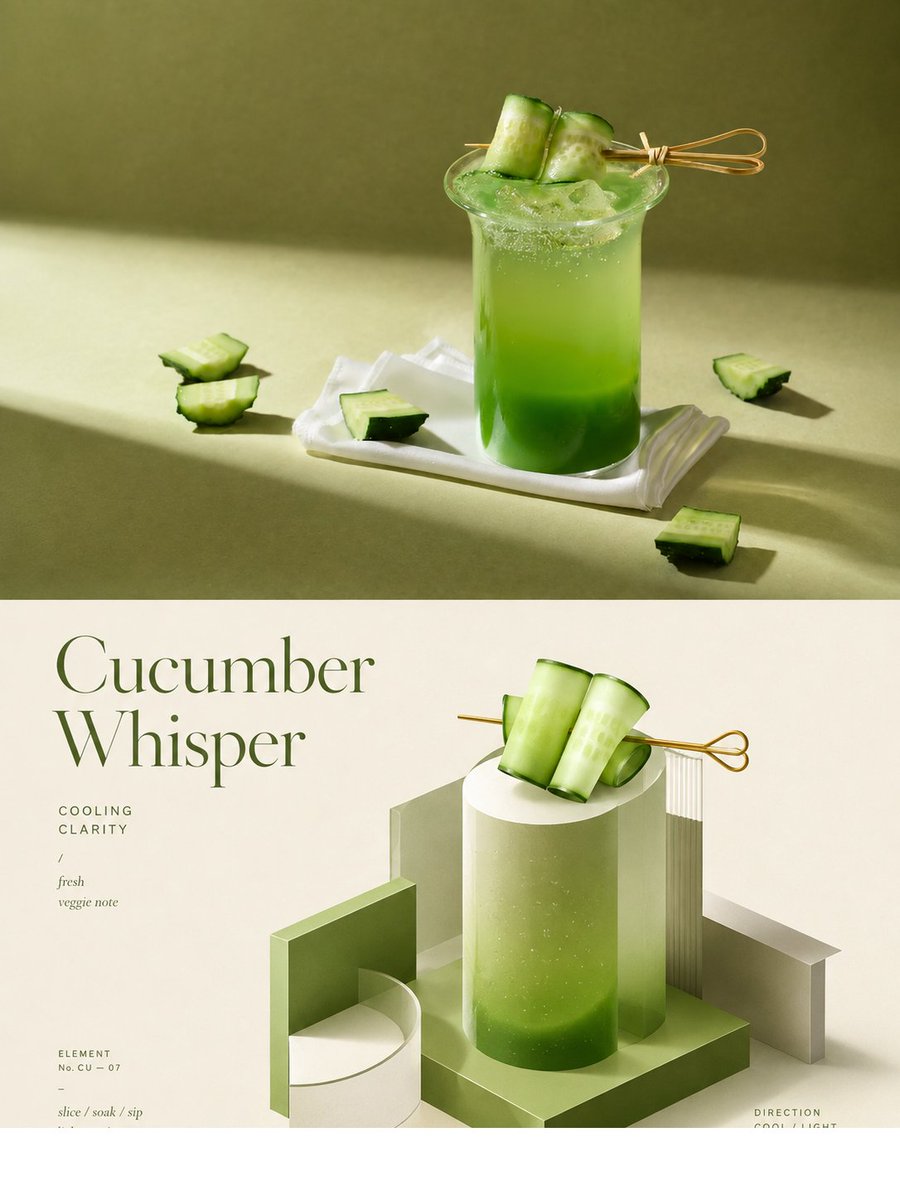
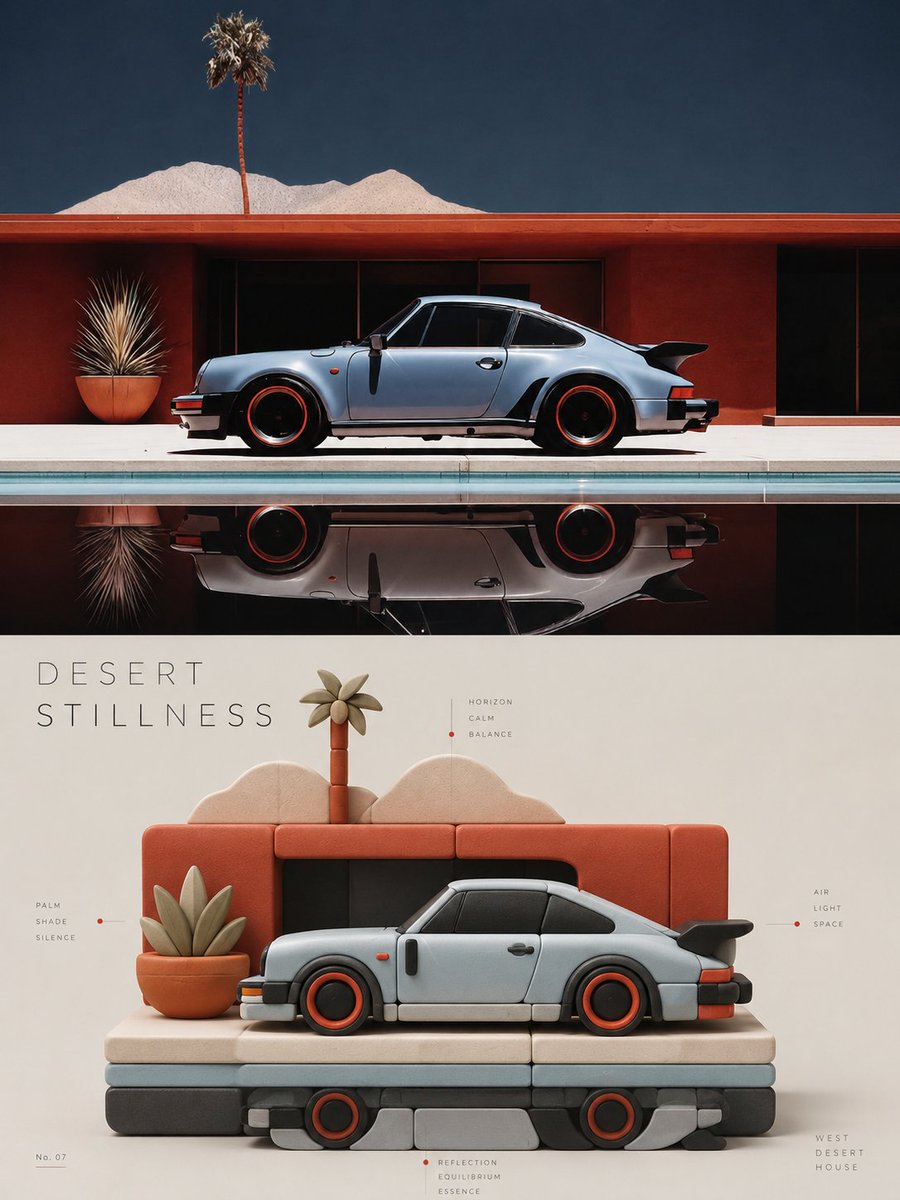
Cartel editorial de bloques en colores isométricos suaves
Una fotografía real aparece sobre una escultura isométrica suave y mate, formada por bloques de construcción redondeados. Los bloques reflejan la silueta y la paleta del sujeto, de modo que las dos mitades se leen como una sola idea.

- Modelo
- GPT Image 2
- Tipo
- 4 imágenes
- Relación de aspecto
- 3:4
- Compartido
- 22 ago 2026
- Me gusta en X
- 582
Prompt de imagen
4,876 caracteresPlease turn each photo I upload into a separate, standalone premium design poster. Do not combine multiple images into a collage; output one poster per photo. Use an overall 3:4 vertical composition, divided into two equal sections with a strict 1:1 height ratio, each occupying exactly 50% of the canvas. The upper half should preserve the original photograph, including the subject's structure, spatial relationships, authentic materials, natural lighting and shadows, and original color atmosphere. Apply only subtle, refined photographic color grading to give it the visual quality of an art magazine, independent publication, or exhibition photography. To adapt the image to the required aspect ratio, the surrounding environment may be naturally extended, but the subject must never be stretched, distorted, or structurally altered. In the lower half, extract the most recognizable subject, silhouette, pose, and narrative relationships from the photograph, then transform them through the logic of "deconstruct — select — refine — reconstruct" into a soothing, sculptural building-block composition with a strong 3D / isometric sense of space. Preserve the subject's most distinctive volumetric proportions, axes, curves, intersections, layering, overlaps, occlusions, and negative space. Reorganize these characteristics using rounded, minimal, tactile modular forms. Do not reproduce every detail literally, but the relationship to the original image above must be immediately recognizable at a glance. The composition should adapt intelligently to the subject's own visual center of gravity, directional pose, and spatial relationships. Build rhythm through variations in block scale, vertical levels, front-to-back interlocking, partial suspension, density, spacing, and generous negative space. The blocks may connect, stack, nest, pass through one another, or shift naturally out of alignment. The result should preserve the identity of the original subject while gaining the sculptural presence and playful imagination of a contemporary art toy. Avoid mechanical part separation or simplistic pixelation. The color palette must be derived directly from the original photograph above. First identify the most vivid and recognizable primary color relationships in the image, along with its overall color temperature, brightness hierarchy, warm–cool balance, and key accent colors. Then reinterpret these colors into a softer, cleaner, brighter, more breathable, and emotionally soothing palette. Preserve the original image's hue identity and emotional color memory, while moderately increasing brightness, reducing harsh contrast, and removing muddy or dirty color contamination. The final palette should feel gentle, playful, light, and sophisticated. Different photographs should naturally produce different palettes. Do not rely on any fixed preset color scheme, and do not introduce colors that do not exist in the source image merely to create a "healing" aesthetic. Build color rhythm through dominant color areas, secondary color layers, tonal variations from the same color family, and only a very small amount of vivid accent color. The subject should feel visually rich but never cluttered, cute but not sugary, soft yet still full of vitality. The building-block material should have a refined matte finish with soft diffuse reflection, evoking the tactile qualities of paper pulp, wood, pastel wax, or soft-touch materials. Use rounded edges and gentle shadows. Avoid glossy plastic highlights, metallic surfaces, heavy CGI rendering, or cheap toy-like textures. Create a light, sophisticated editorial micro-typography system. Derive a 2–5 word title from the photograph's lighting, movement, space, mood, or symbolic meaning, then pair it with a small amount of secondary text such as status words, location, numbering, directional labels, or miniature annotations. Do not use years. Typography may follow the edges of blocks, module seams, visual axes, or areas of negative space. It may also interweave with, overlap, align with, or become partially occluded by the sculptural forms, so that the text feels naturally integrated into the block composition rather than simply placed on top of it. The final visual language should combine real photography × soothing building blocks × isometric space × color translation from the source image × premium editorial design. The atmosphere should feel gentle, light, playful, quiet, refined, imaginative, and never childish. Whether the subject is a person, animal, plant, building, object, food, vehicle, or natural landscape, the sculptural block arrangement and color system should always evolve from the original image's own structure and colors. Avoid fixed palettes, LEGO-style replication, children's cartoon aesthetics, e-commerce toy-display styling, and any sense of a reusable template.
Prompt de imagen
4,216 caracteresPlease turn each photo I upload into a separate, standalone premium design poster. Do not combine images into a collage; output one poster per photo. Use an overall 3:4 vertical composition, divided into two sections with a strict 1:1 height ratio, each occupying exactly 50% of the canvas. The upper half preserves the original photograph: the subject's structure, spatial relationships, authentic materials, natural lighting and shadows, and original color atmosphere. Apply only subtle, refined photographic color grading to give it the quality of an art magazine, independent publication, or exhibition photography. To fit the aspect ratio, the surrounding environment may be naturally extended, but the subject must never be stretched, distorted, or altered. In the lower half, against a bright, clean, light-colored background, extract the most recognizable subject, silhouette, pose, and narrative relationships from the photograph, then, through the logic of "deconstruct — select — refine — reconstruct," transform them into a transparent glass building-block sculpture with a strong 3D / isometric sense of space. Preserve the subject's most distinctive volumetric proportions, axes, curves, intersections, layering, occlusions, and negative space, recombining them with rounded cubes, curved blocks, cylinders, arches, wedges, and soft irregular modules. Do not reproduce every detail, but the correspondence with the original image above must be recognizable at a glance. The composition adapts to the subject's own visual center of gravity, pose direction, and spatial relationships, building rhythm through module size, front-to-back staggering, height relationships, interlocking, suspension, and generous negative space. The transparent blocks may stack, nest, intersect, or be seen through one another, letting light and color create new internal spatial layers, so the subject reads like a light, quiet, playful piece of contemporary glass art. Every module uses a translucent, bright, soft glass texture, with clear but not overly sharp edges, gentle refraction, internal light transmission, and a slight milky haze. Inside the glass, colors may appear with natural blur, bleeding, diffusion, and semi-transparent gradients, like color suspended in a transparent medium; where blocks overlap, delicate color transmission, mixing, and optical layers arise. Use bright diffuse light, soft highlights, and very faint colored shadows so the whole feels full of air and light; avoid hard reflections, mirror-metallic surfaces, heavy shadows, cheap crystal, and plastic acrylic textures. The palette extracts from the photo above the most vivid, recognizable colors that best represent the subject's spirit, reinterpreting them into clear, soft, soothing transparent colors. The colors resemble light-diluted watercolor or colored glass, naturally translated among cream white, soft pink, pale apricot, tender green, pale yellow, misty blue, and light purple, without a fixed set. Overall high brightness and low-to-medium saturation, with layers built through transparency, color overlay, light, and localized color diffusion, keeping everything bright, fresh, and soft rather than muddy. Create a light, sophisticated editorial micro-typography system: derive a 2–5 word English title from the photo's lighting, movement, space, mood, or symbolism, paired with a small amount of secondary text such as status words, location, numbering, directional labels, or tiny annotations; do not use years. The text may follow the edges of the glass blocks, module gaps, visual axes, or negative space, and may interweave with, occlude, or hold a faintly see-through relationship to the transparent subject, becoming part of the spatial composition. The result should combine real photography × transparent glass blocks × isometric space × soft diffuse color × premium editorial design: bright, translucent, soothing, light, refined, quiet, and playful yet never childish, like a piece of contemporary glass art lit by soft natural light. Avoid dark glass, strong mirror reflections, neon cyberpunk vibes, heavy shadows, cheap crystal, plastic-toy feel, e-commerce product rendering, and template-like 3D.
Cómo usarlo
Si usas tu propia foto, sube una sola imagen y mantén la composición dividida, ya que la mitad superior depende de tu imagen original. Se compartió como un prompt para GPT Image 2. Para hacerlo tuyo, cambia el sujeto del cartel y el texto del titular, y deja que los colores salgan de tu propia foto en lugar de cualquier ajuste predefinido. Mantén las instrucciones sobre la división 1:1, el material mate de los bloques y la microtipografía, porque esos detalles dan el aspecto final.
Compartido públicamente en X el 22 ago 2026. Todo el mérito de este prompt y de su resultado es de su creador. ¿Es tuyo? Pide que se actualice o se elimine.