

Görsel promptu Marka ve arayüz Özelleştirilebilir
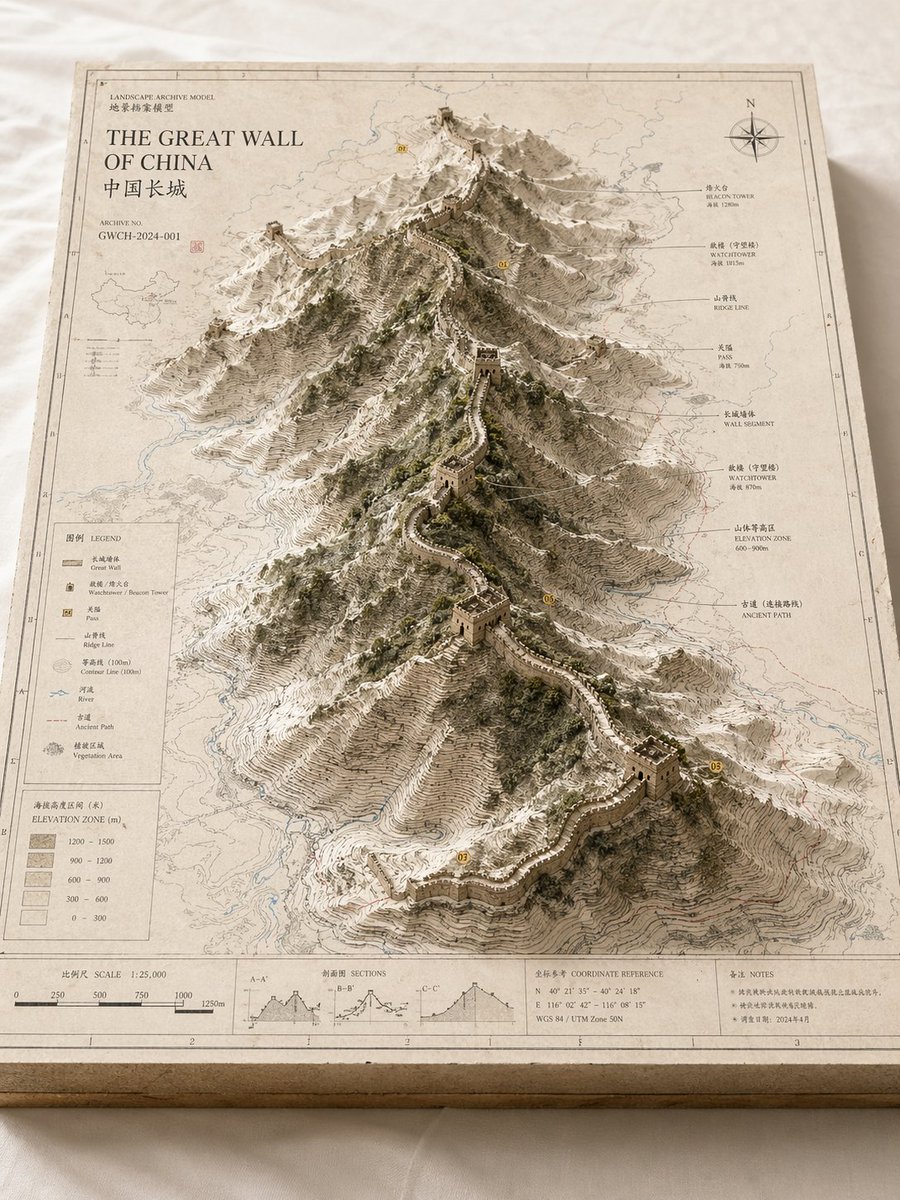
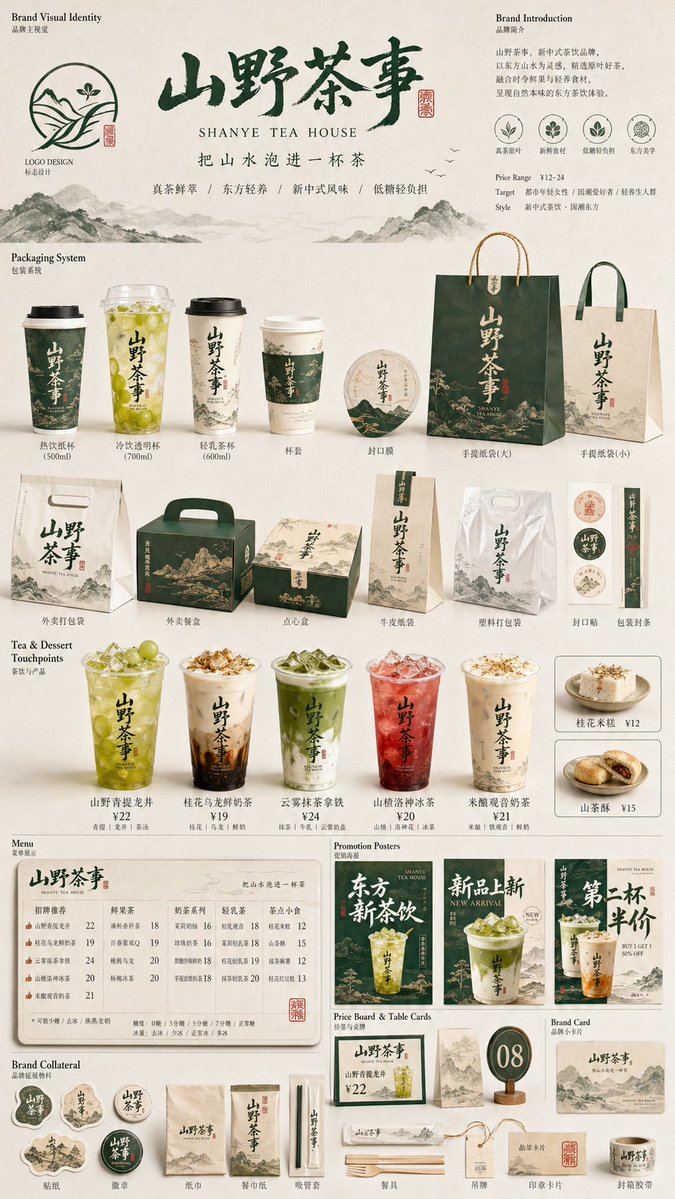
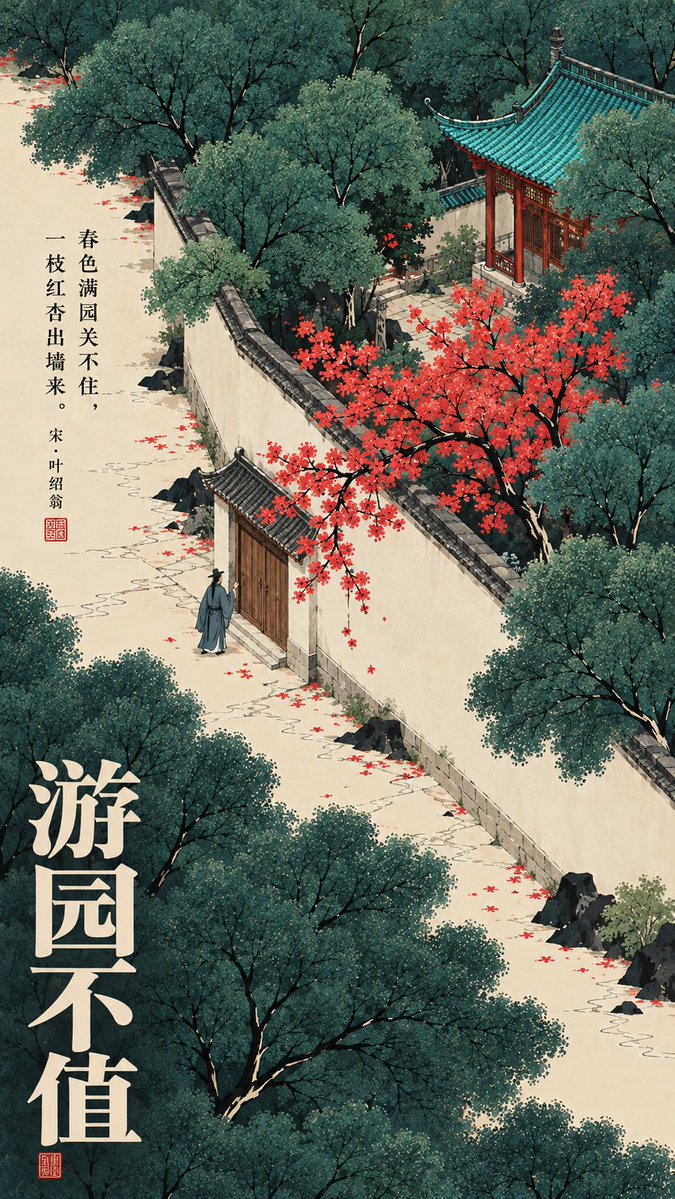
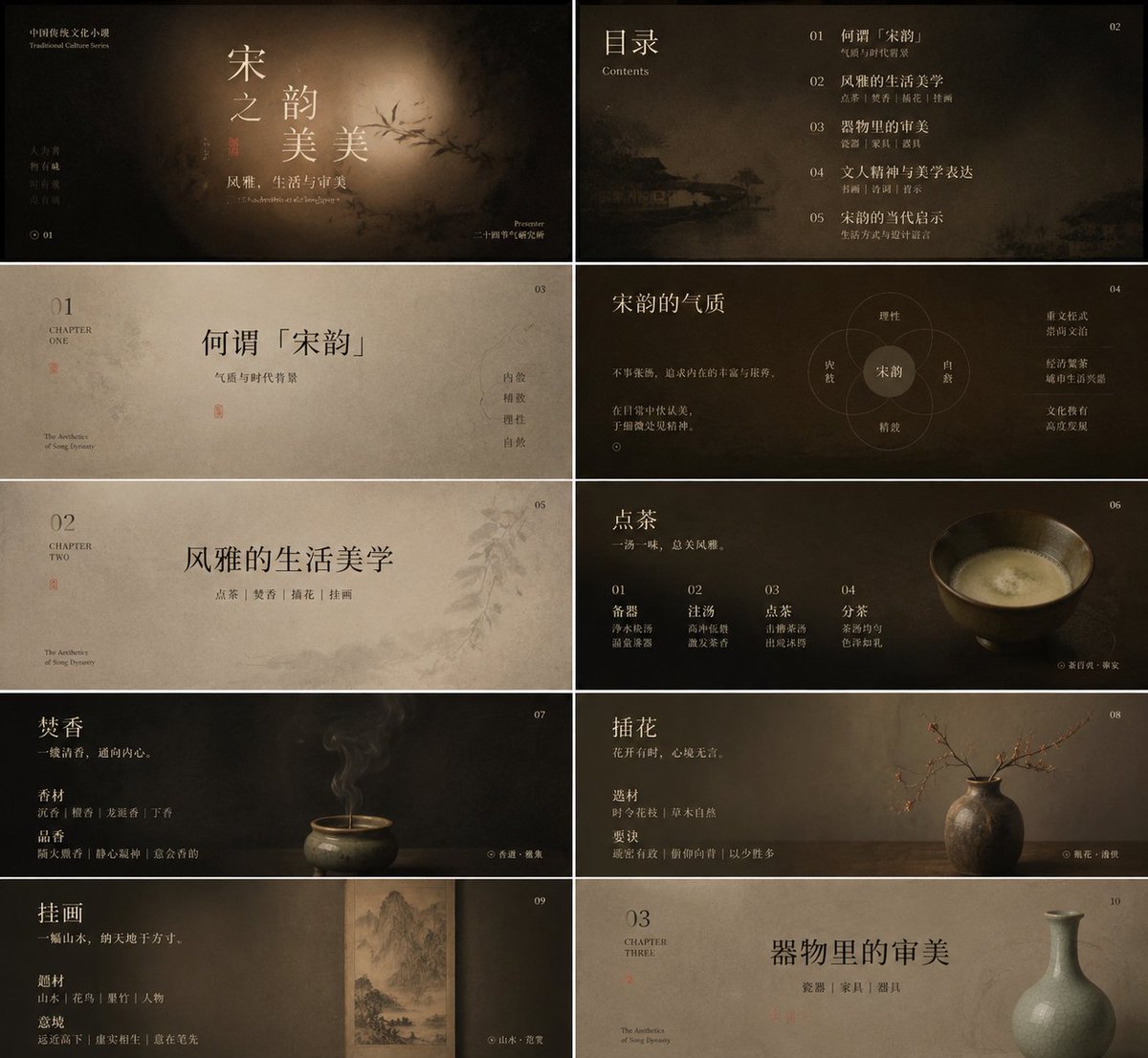
Dört farklı üslupta Doğu temalı poster serisi
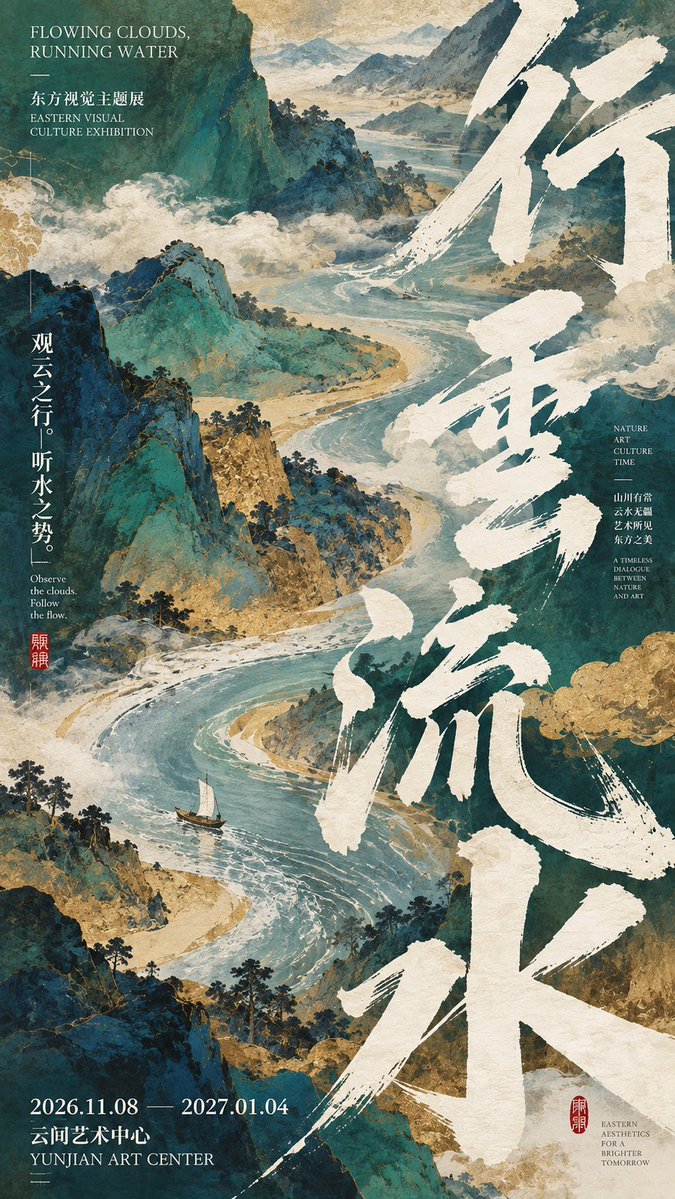
Tek bir Çince deyim etrafında kurulmuş dört dikey poster; her biri farklı bir grafik dilde yeniden yorumlanmış: mürekkep kolajı, müze ızgarası, mineral manzara ve siyah zemin üzerine dekonstrüksiyon. Kompozisyon ve tipografi değişirken tema dördünde de korunuyor.

- Model
- GPT Image 2
- Tür
- 4 görsel
- En boy oranı
- 9:16
- Paylaşım
- 2 Eki 2026
- X'teki beğeniler
- 39
İlgili İngilizce başlığı girinİsteğe bağlı
Görsel promptu
6,046 karakter【Theme】: {Enter a four-character Chinese idiom or four-character phrase, such as: 行云流水 / 山明水秀 / 清风明月} 【English Theme】: {Enter the corresponding English title} 【Exhibition Name】: {Optional, such as: Eastern Visual Culture Theme Exhibition} 【Date】: {Optional} 【Venue】: {Optional} 【Aspect Ratio】: 9:16 Design a set of four complete contemporary Eastern cultural posters around the same 【Theme】. All four posters must retain the same theme, core text, and basic exhibition information, while each uses one of four clearly distinct graphic design languages. The goal is not simply to change the color palette, but to alter the composition, typographic scale, image organization, information structure, materials, and visual rhythm so that they are immediately recognizable as “four design solutions for the same theme.” The overall direction should draw on the mature aesthetics of Eastern cultural exhibitions, art museum visual identities, editorial design, and contemporary graphic posters, combining traditional Eastern elements with modern design language. Each poster must stand independently as a complete work, with a clear thematic expression, primary visual, supporting imagery, typographic hierarchy, and information system. Do not create a template-like mockup consisting only of a title and background. The first style is 【Deconstructed Ink Style】: use warm-white xuan paper, extensive negative space, monumental free-form calligraphy, fragments of ancient paintings, water ripples, mountain forms, drifting clouds, and ink traces in an asymmetrical collage. The enormous Chinese calligraphy should directly form the structural framework of the composition, creating occlusion, cropping, and interweaving with the ancient paintings, water patterns, and ink marks. Add a small amount of modern Chinese and English editorial information and a cinnabar seal. Use mainly black, white, and gray, with a free and dynamic visual quality that evokes Eastern experimental art and contemporary editorial design. The second style is 【Modern Exhibition Style】: use a strict contemporary editorial grid, extremely oversized Chinese characters, horizontal bands of visual samples, and a refined system of small informational elements. Reorganize Eastern natural materials, details from ancient paintings, patterns, artifacts, or photographs as though they were part of a museum research archive. Use restrained combinations of off-white, ink green, celadon gray-green, and cream yellow. The giant typography should first register as a geometric construction and only then be read as the theme. The overall result should have the professional visual character of a cultural institution, art museum, or design exhibition. The third style is 【Colored-Ink Giant Typography Style】: use Eastern mineral colors such as azurite blue, mineral green, ochre gold, gray-blue, and beige to create a near-full-page landscape color field. Rivers, drifting clouds, and mountain forms should establish continuous visual movement, overlaid with extremely large ivory-white calligraphy. The text must genuinely overlap, interweave with, and establish foreground-background spatial relationships with the landscape rather than simply being placed on top of it. From a distance, the powerful color fields and giant lettering should dominate; up close, the natural scenery and fine details should emerge. The fourth style is 【Black-Background Deconstruction Style】: create a collage on a deep charcoal-black background using enormous modern Chinese typography in ivory white, Eastern artifacts, rocks, flowing-cloud patterns, silhouettes from ancient paintings, and continuous curves. Add restrained geometric frames, fine lines, exhibit annotations, and a museum-archive-style information system. Use primarily black, ivory white, celadon gray-green, aged gold, and a very small amount of cinnabar, giving traditional cultural materials the visual sophistication of a contemporary art exhibition, design biennale, or high-end cultural institution. The four posters must maintain a clear sense of belonging to one series: the theme must be identical, the core Chinese and English titles must match, the basic exhibition information must remain consistent, and a small number of recognizable Eastern cultural elements must be shared. However, the four posters must differ clearly in composition, visual center of gravity, typographic treatment, color system, image materials, and organization of information. They must not be the same template with different colors or backgrounds. Establish a clear three-level visual hierarchy in each poster. The first level is a sufficiently powerful large-scale primary visual or enormous thematic text. The second level consists of Eastern cultural imagery, landscapes, artifacts, ancient paintings, or other theme-related visual materials. The third level contains Chinese and English exhibition information, date, venue, explanatory text, and a small number of seals. From a distance, the large forms and visual focal point should be clear; at close range, rich relationships between text and imagery and detailed design elements should become visible. Ensure that the work has sufficient information density, strong layout design, and a complete, resolved finish. Do not cut corners or generate only a “background image + centered title.” Genuinely design the interweaving, occlusion, cropping, proportions, negative space, hierarchy, and reading path between text and imagery so that each piece looks like a fully developed cultural poster created by a professional graphic designer. Avoid cheap commercialized Eastern aesthetics, historical-fantasy game UI, tourism advertisements, ordinary landscape paintings with text simply added on top, four versions that only change color, excessive symmetry, screens crowded with tiny elements, random decoration, meaningless English, garbled text, numbering, and four-point starbursts. Generate all four posters separately. Do not combine them into a four-panel grid or collage.
Nasıl kullanılır
Parantez içindeki tema satırını, istediğiniz dört karakterli bir Çince deyim ve İngilizce karşılığıyla değiştirin; yerleşimlerin uyması için 9:16 oranını koruyun. GPT Image 2 promptu olarak paylaşıldı. Dört posterin yalnızca renkte değil kompozisyonda da farklılaşması talimatını koruyun, çünkü seriyi dört ayrı tasarım çözümü gibi okutan şey budur. İsteğe bağlı sergi adı, tarih ve mekân alanları bitmiş bir poster için faydalı; bilgi katmanının gerçek ayrıntılar taşımasını istiyorsanız bunları doldurabilirsiniz.
2 Eki 2026 tarihinde X'te herkese açık olarak paylaşıldı. Bu prompt ve sonucunun tüm hakkı içerik üreticisine aittir. Bu sizin mi? Güncelleme veya kaldırma talep edin.