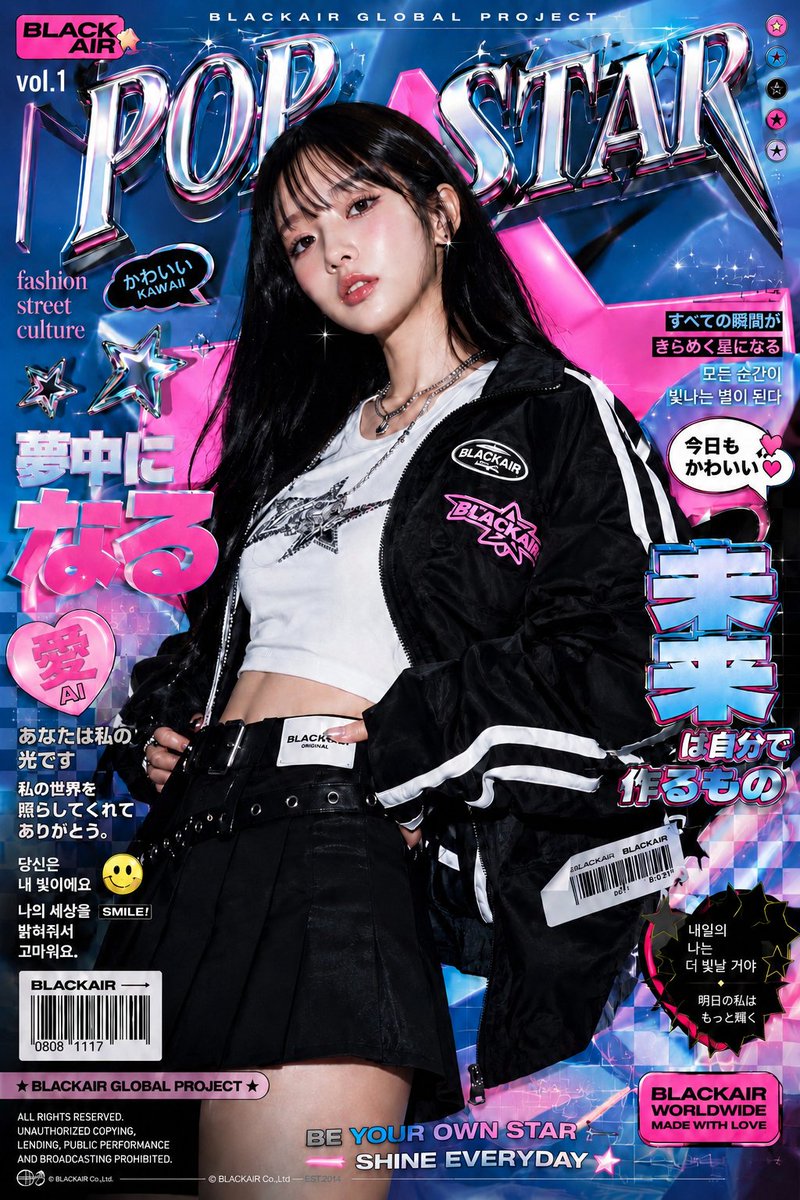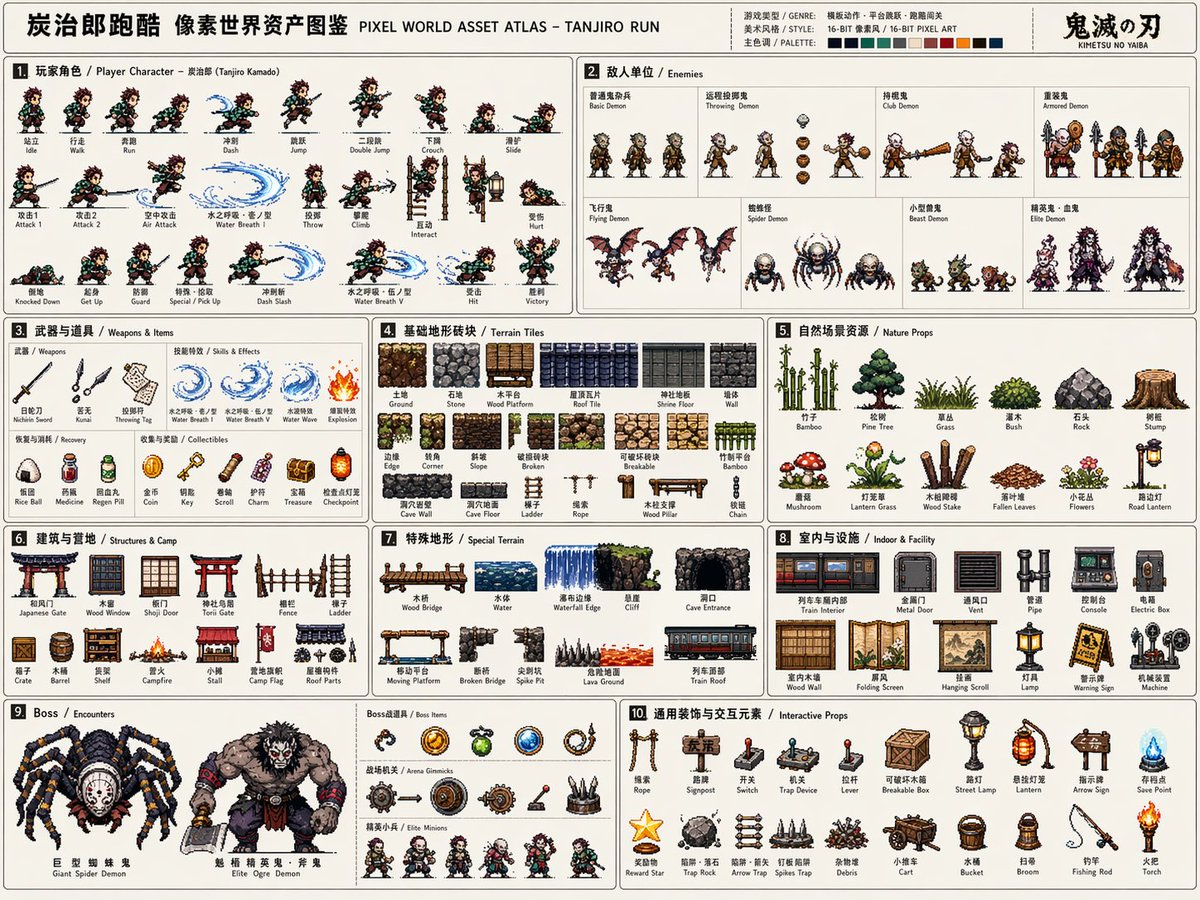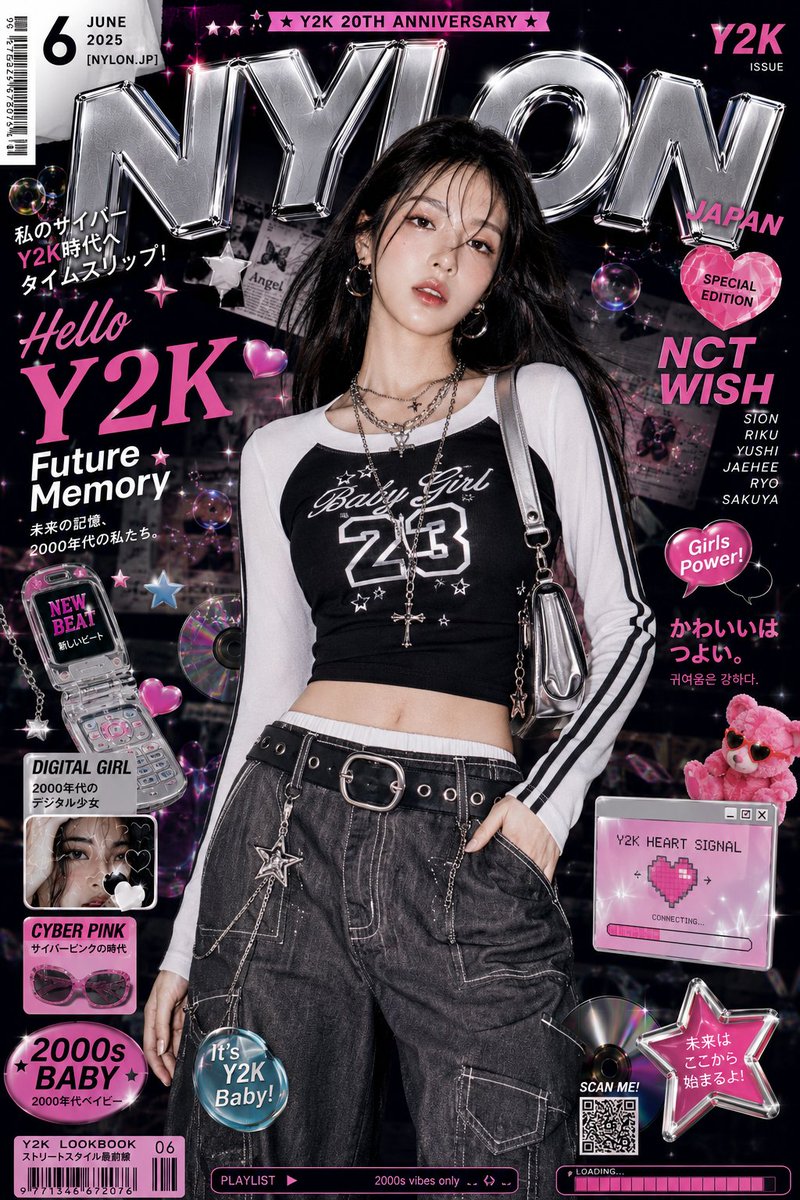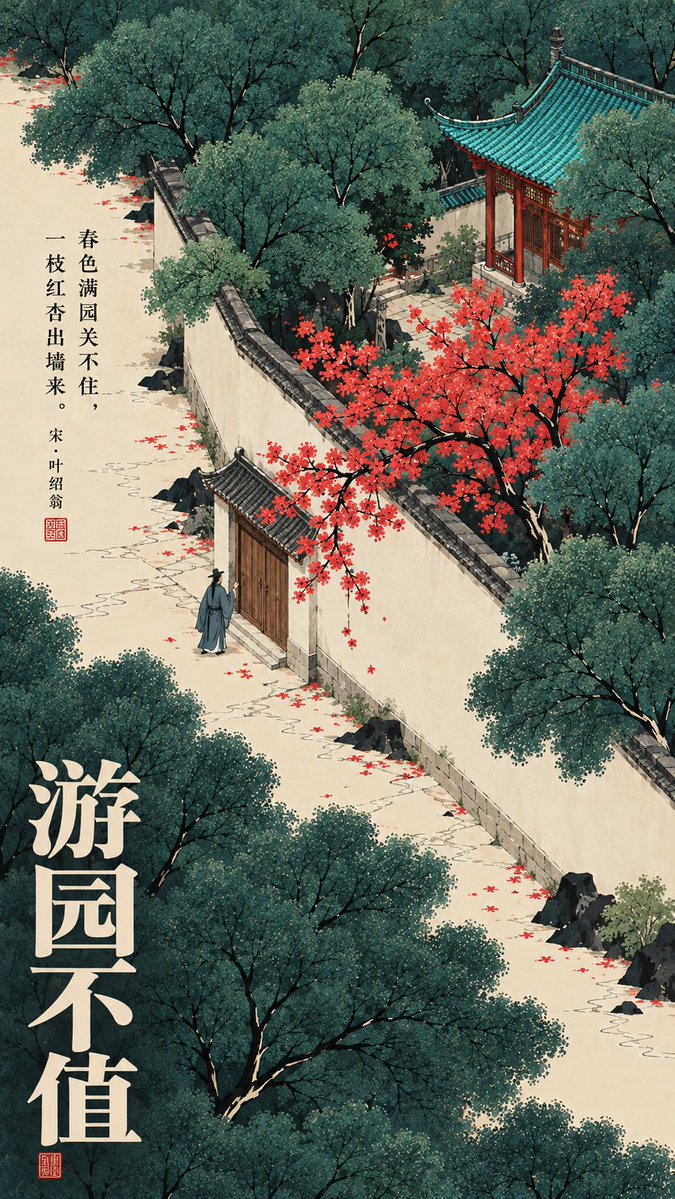
Afbeeldingsprompt Branding & UI Aanpasbaar
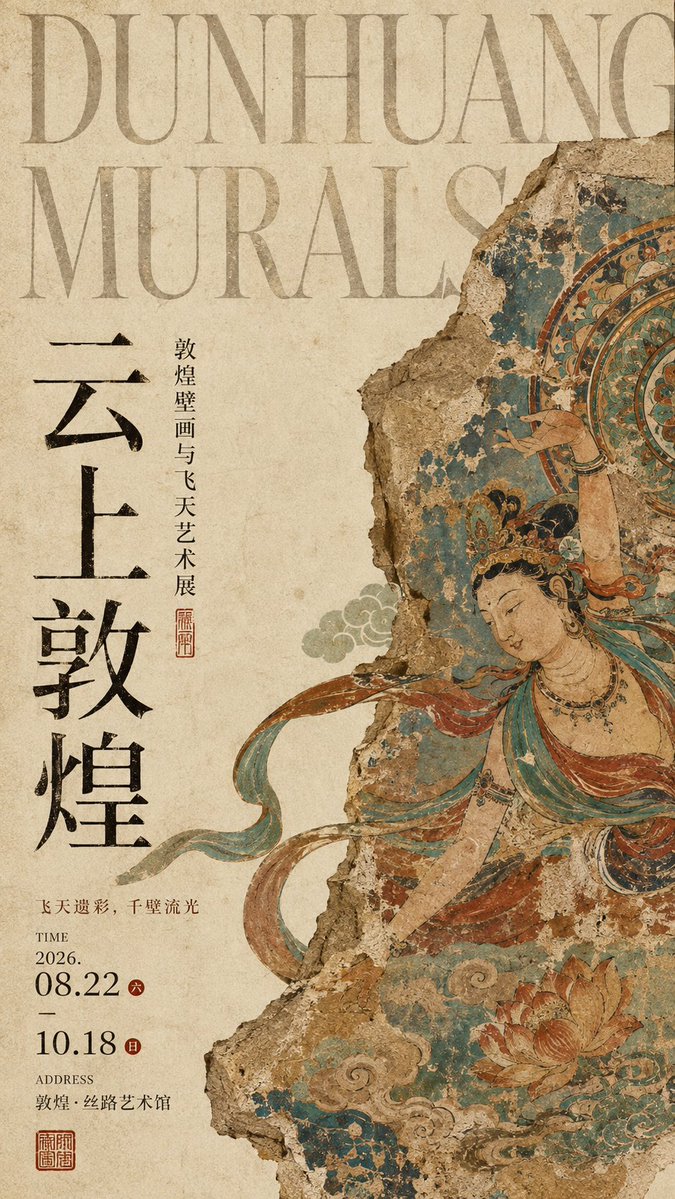
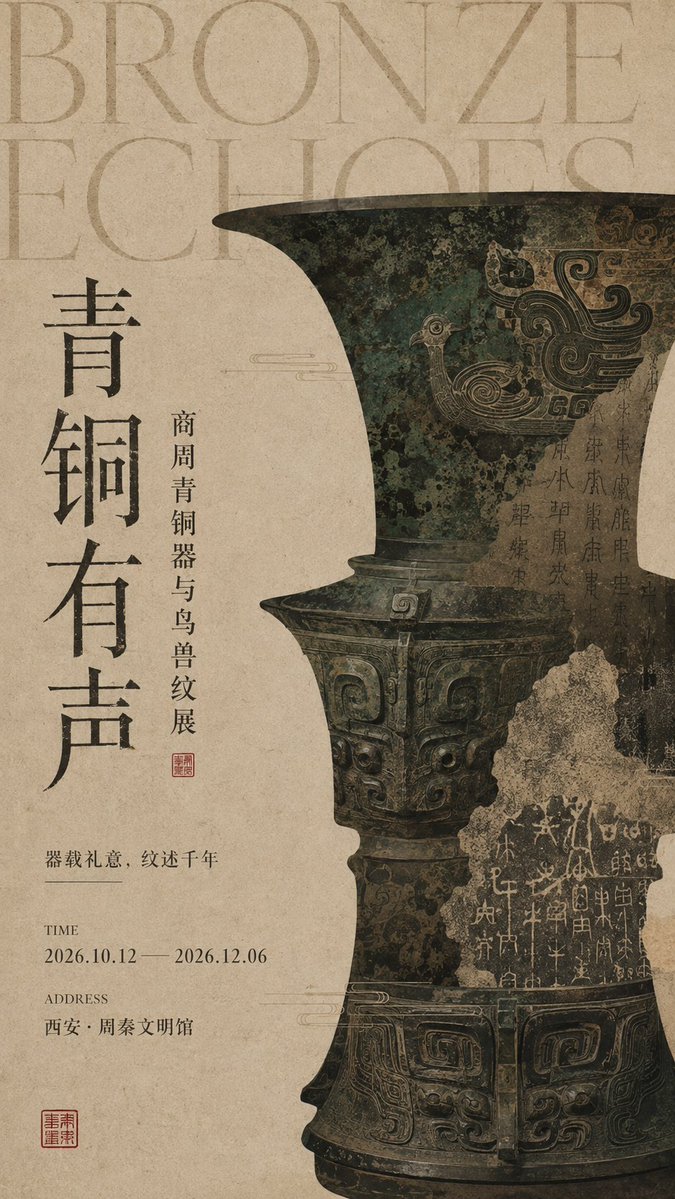
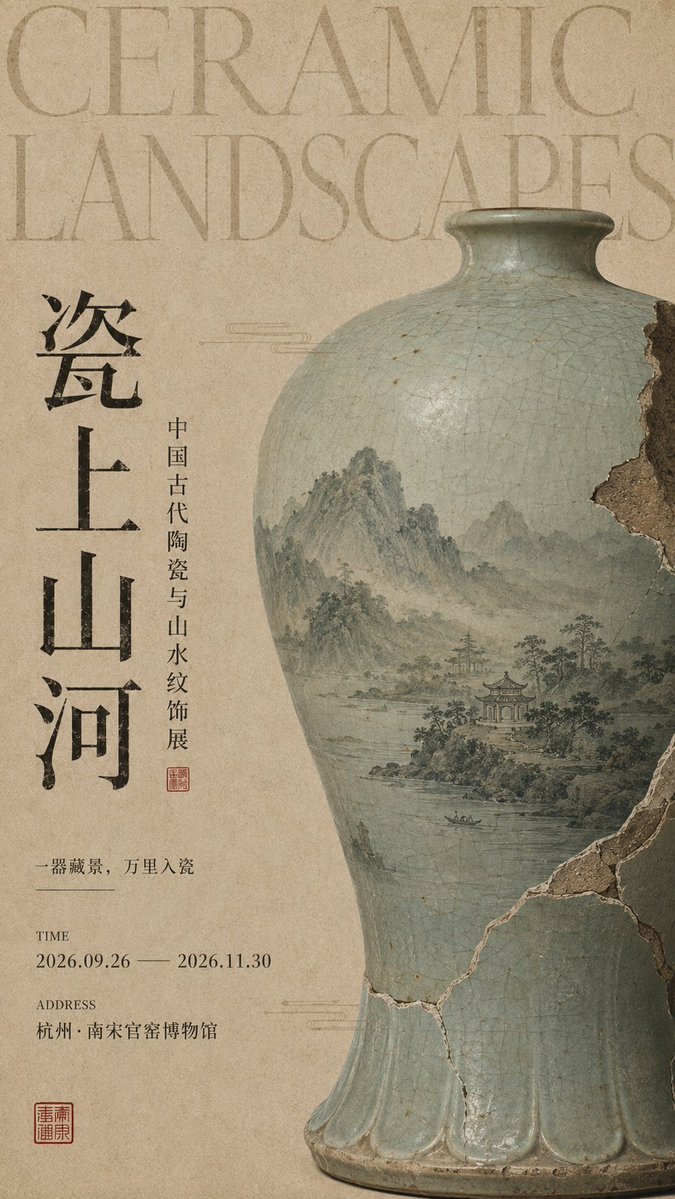
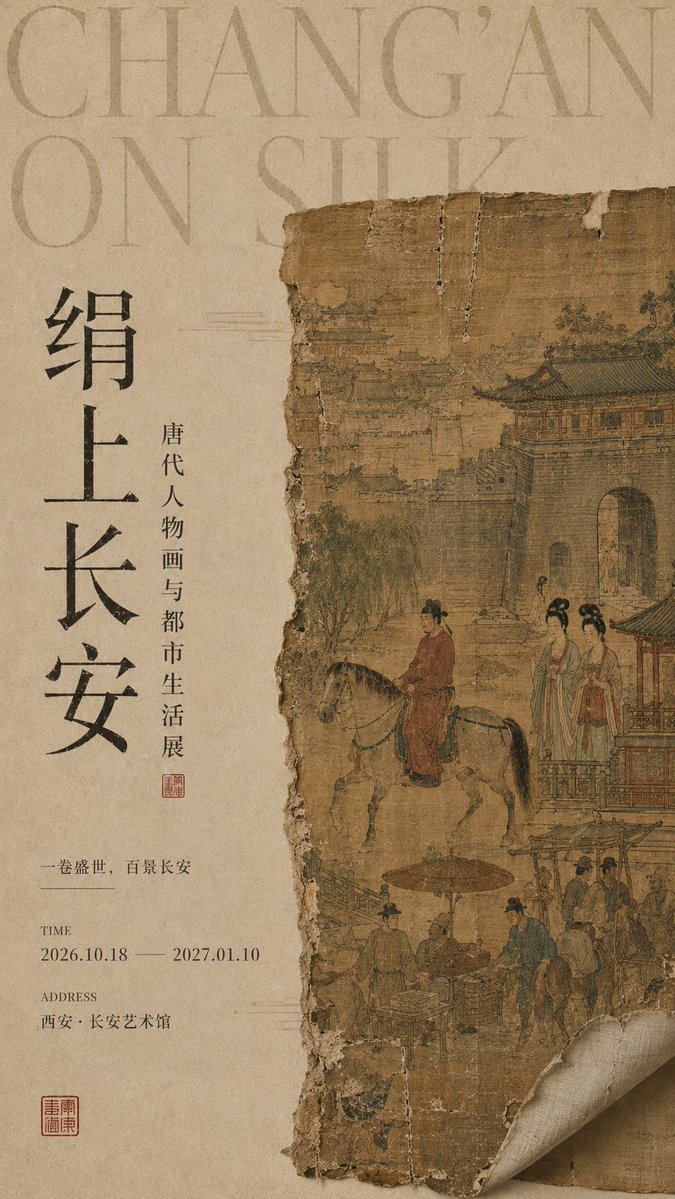
Tentoonstellingsposter van oosters museum met fragmenten van oude relikwieën
Een hoge, redactionele tentoonstellingsposter op verouderd rijstpapier, die een groot Engels titel met schreefletters combineert met bijgesneden fragmenten van bronzen, muurschilderingen en keramische relikwieën. Ingetogen, rustig en met een toon die past bij een museum.

- Model
- GPT Image 2
- Type
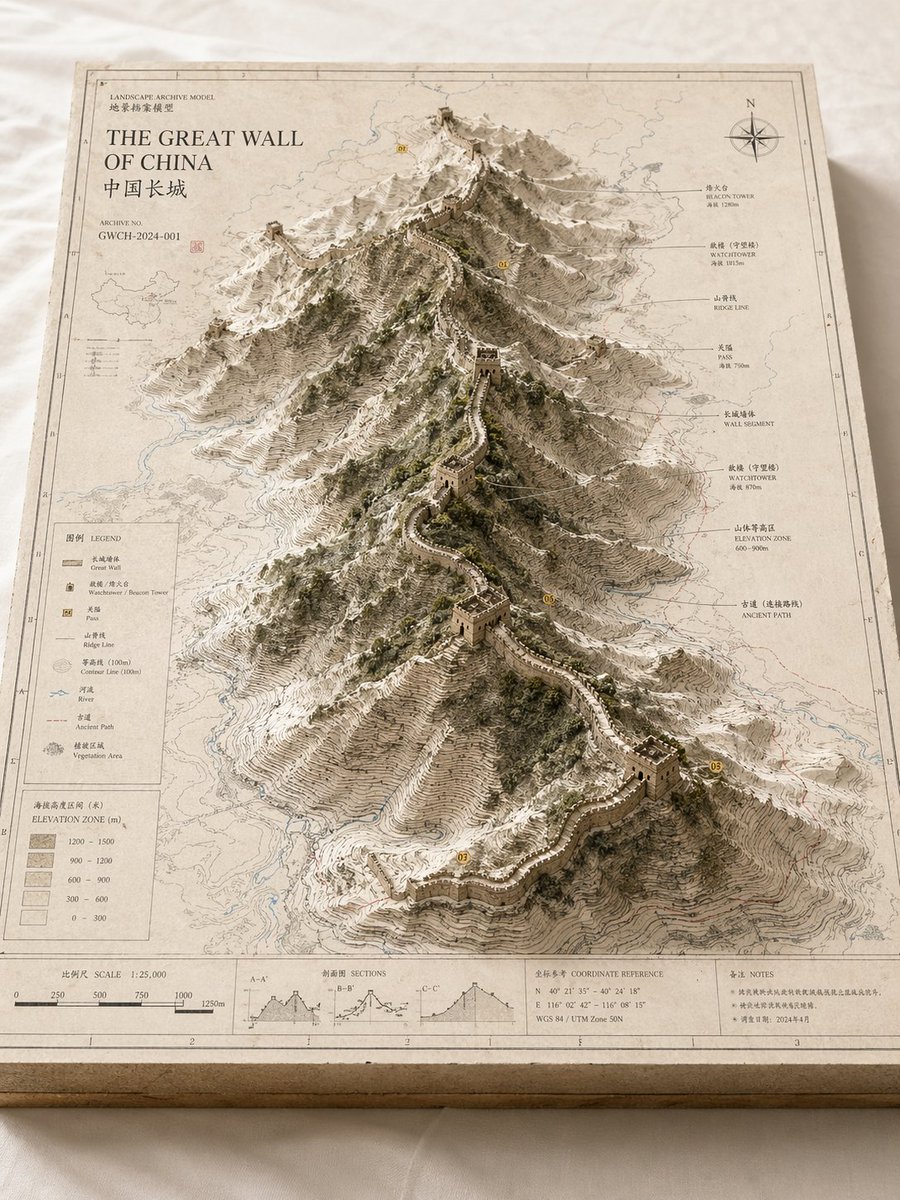
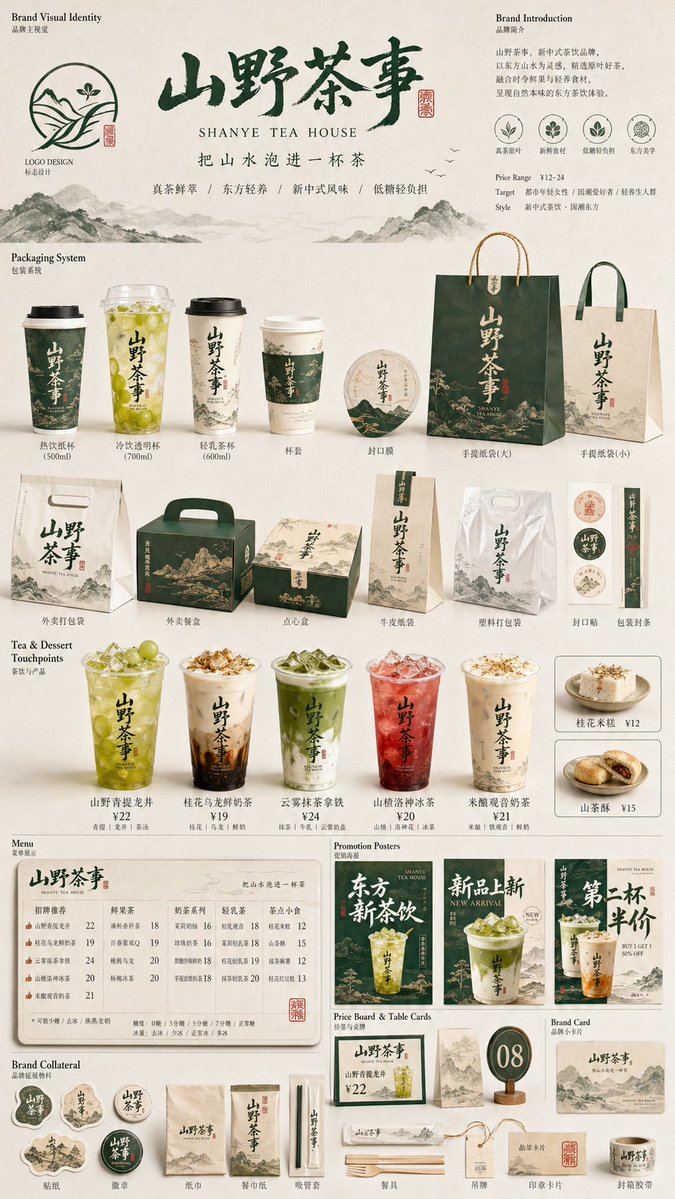
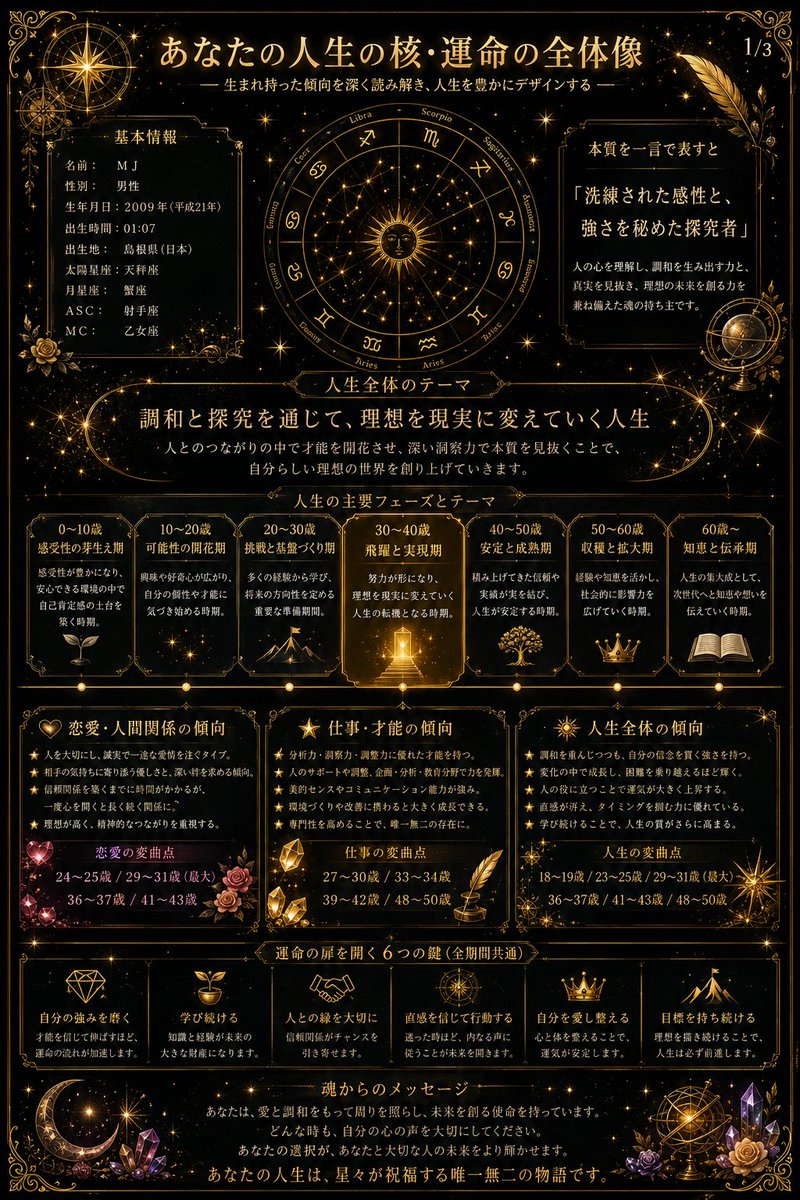
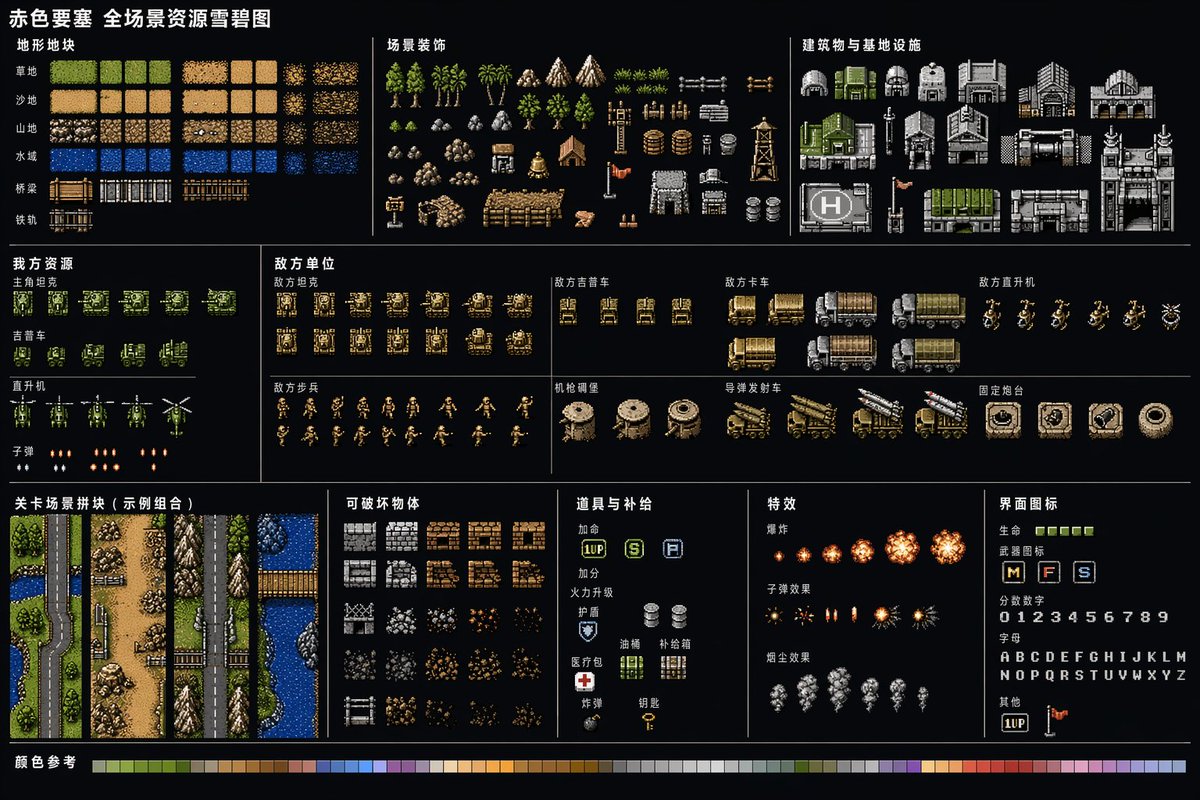
- 4 afbeeldingen
- Beeldverhouding
- 9:16
- Gedeeld
- 7 aug 2026
- Likes op X
- 130
TentoonstellingsthemaChinese titelEngelse titelDatum
Afbeeldingsprompt
2,450 tekens【Exhibition theme】: fill in the theme 【Chinese main title】: fill in 2–6 Chinese characters 【English title】: fill in the English exhibition name 【Subtitle】: fill in the exhibition description 【Art medium】: bronzeware / mural / ceramics / silk painting / ancient books / sculpture, etc. 【Main visual content】: fill in the specific artifact, painting, or historical scene 【Theme phrase】: fill in a short line of copy 【Time】: fill in the date 【Location】: fill in the venue 【Main color】: fill in cream, bronze green, mineral blue, celadon blue, ochre, etc. 【Aspect ratio】: 9:16 Design a high-end Oriental museum exhibition poster that combines ancient art media with modern editorial layout. Use a warm ivory, yellowed old paper, or rice-paper texture as the background, preserving natural paper fibers, slight grain, a scanned-archive feel, and real print wear. The whole is restrained, quiet, and historically weighty, like the key visual of a mature museum or art institution. At the top, add an oversized light-toned English serif title, allowing part of the text to run past the edges as a background-level visual structure; on the left, use a large Chinese main title, arranged vertically or in a column, paired with a smaller exhibition subtitle. At the bottom, group the time, location, and a theme phrase, and add a small cinnabar seal. On the other side of the composition, place a large 【art medium】 as the main visual, occupying about 40%–55% of the frame. Do not simply show it whole; instead reconstruct it through partial cropping, fragments, damaged edges, vessel-shaped windows, scrolls, mural flaking, glaze crackle, silk aging, and so on. Inside the 【art medium】, present the 【main visual content】, preserving genuine traces of age, material texture, faded pigments, and a sense of historical use, so the subject looks like a real cultural relic that has entered the museum after preservation, restoration, or excavation. Use an asymmetrical editorial composition throughout, keeping a clear visual hierarchy: giant English → artifact / ancient painting subject → Chinese title → exhibition information. Color centers on the 【main color】, low-saturation overall, with a little ink black, mud gold, ochre, and cinnabar red as structure and accents. The final effect should look like a museum exhibition poster, a cultural publication, and an Oriental art institution's visual system, rather than an ordinary Chinese-style poster.
Zo gebruik je hem
Begin met het invullen van het tentoonstellingsthema, de Chinese hoofdtitel, de Engelse naam en de datum en locatie, omdat die de lay-out dragen. Behoud de papiertextuur, de bijgesneden en beschadigde randen en het cinnaberrode zegel, want die zorgen ervoor dat het stuk leest als een echte institutionele poster en niet als een decoratief object. Deze prompt werd gedeeld als GPT Image 2-prompt en is geschikt voor de aankondiging van een museum- of cultuurtentoonstelling, een gedrukte poster of een socialmediapost in 9:16.
Openbaar gedeeld op X op 7 aug 2026. Alle eer voor deze prompt en het resultaat gaat naar de maker. Is dit van jou? Vraag om een aanpassing of verwijdering.