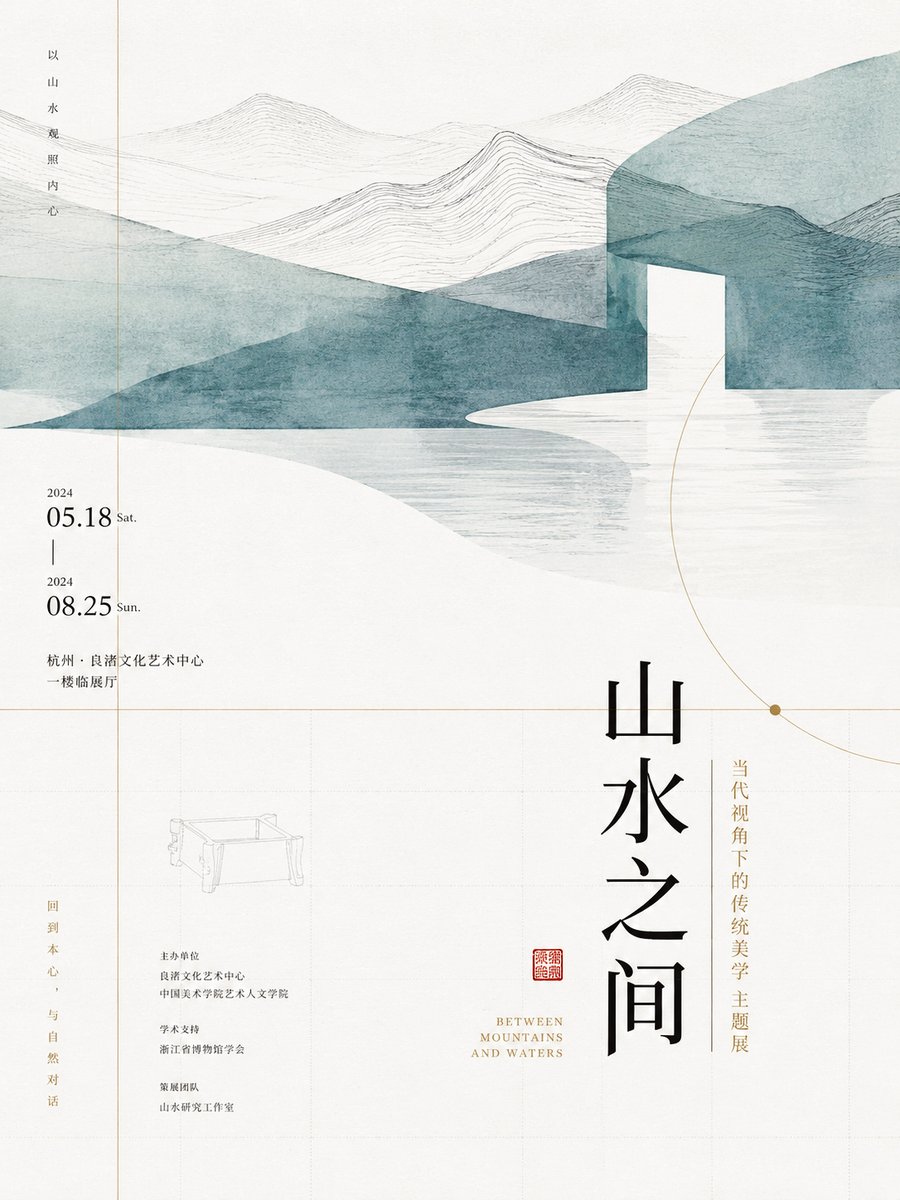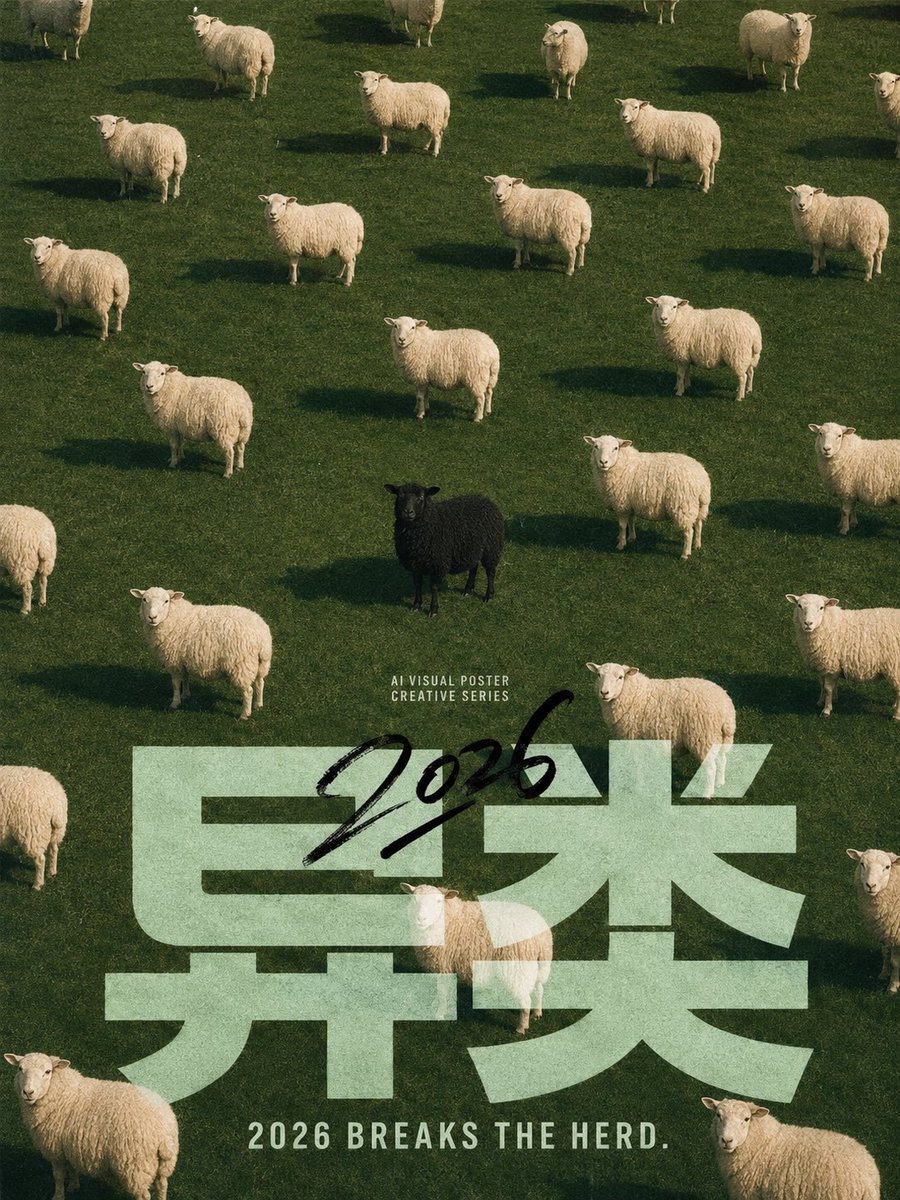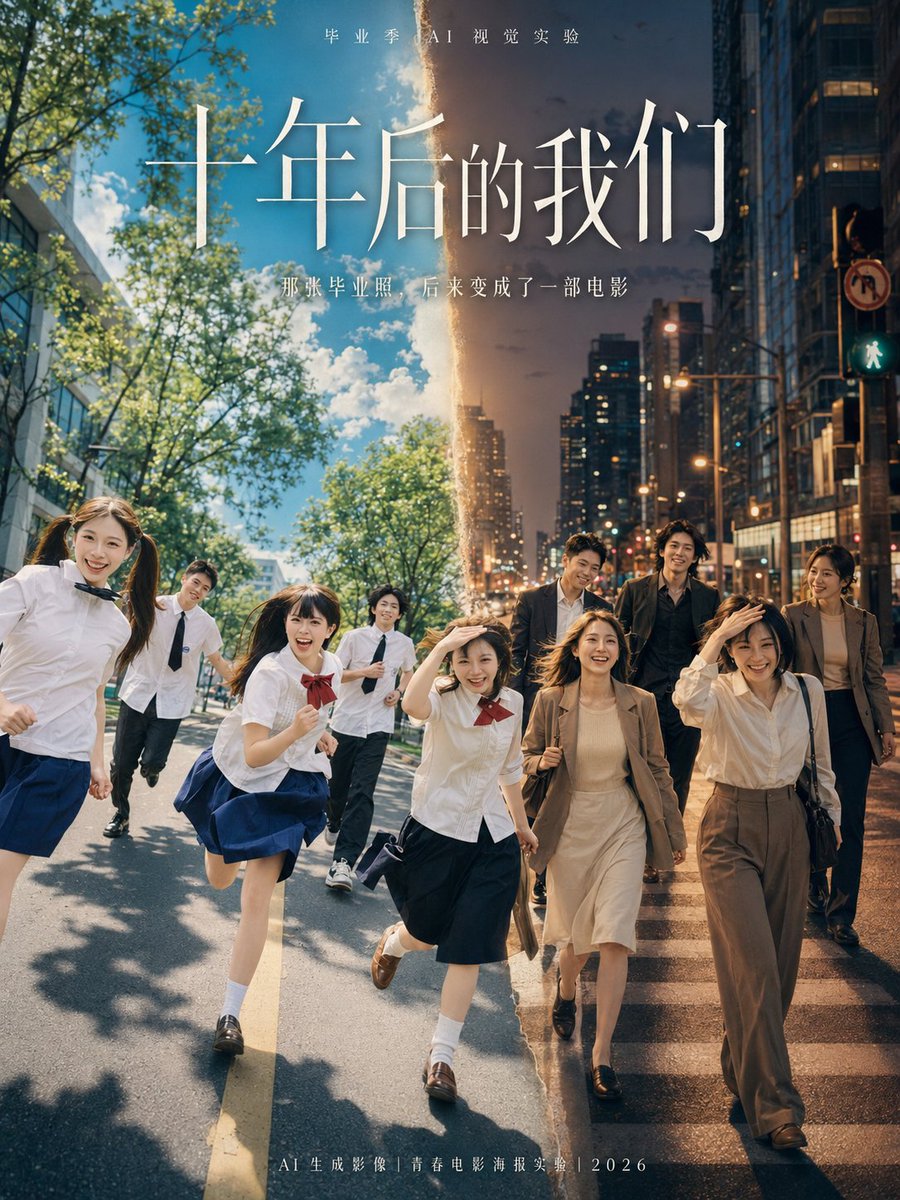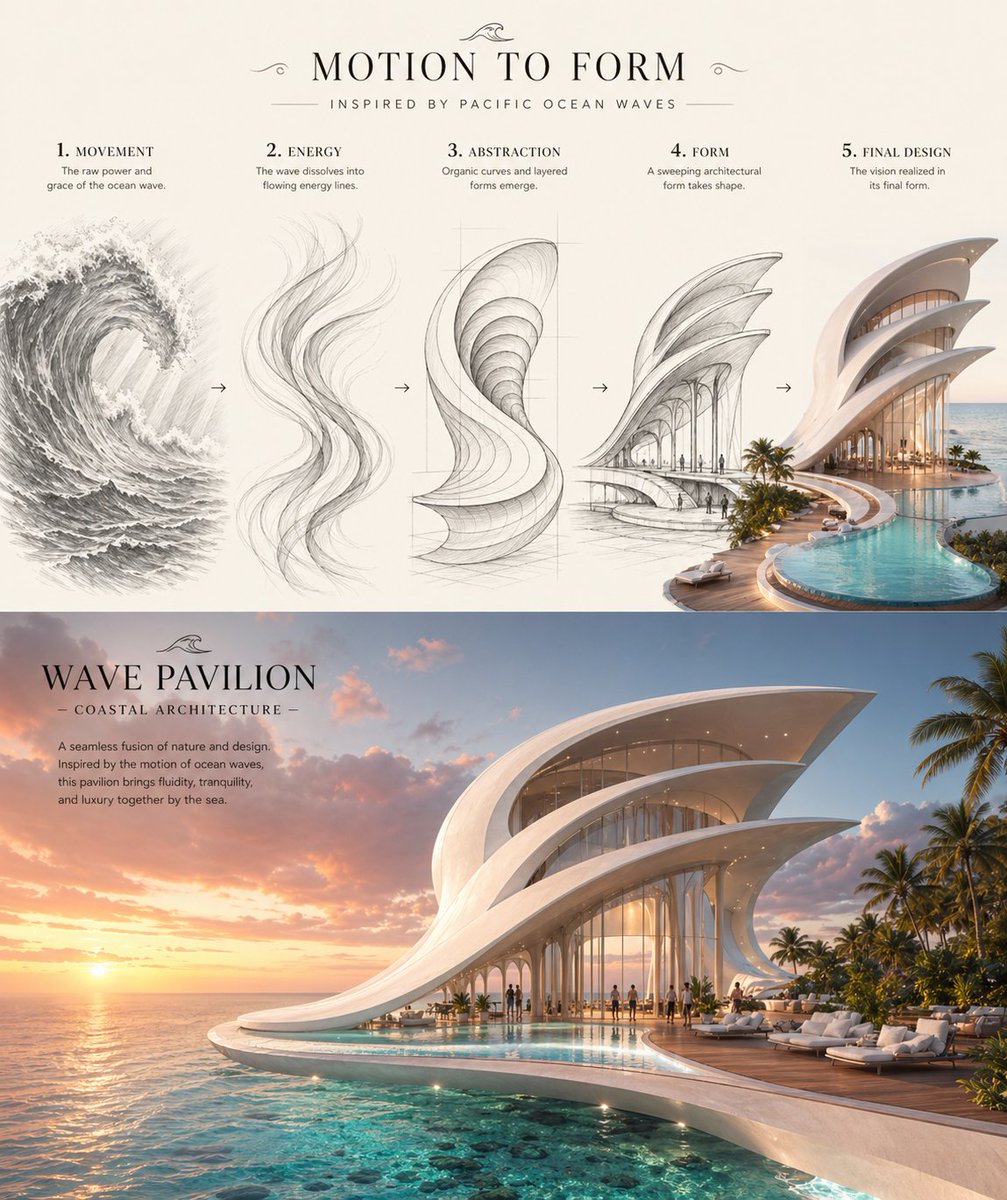


Bild-Prompt Szenen & Räume Anpassbar
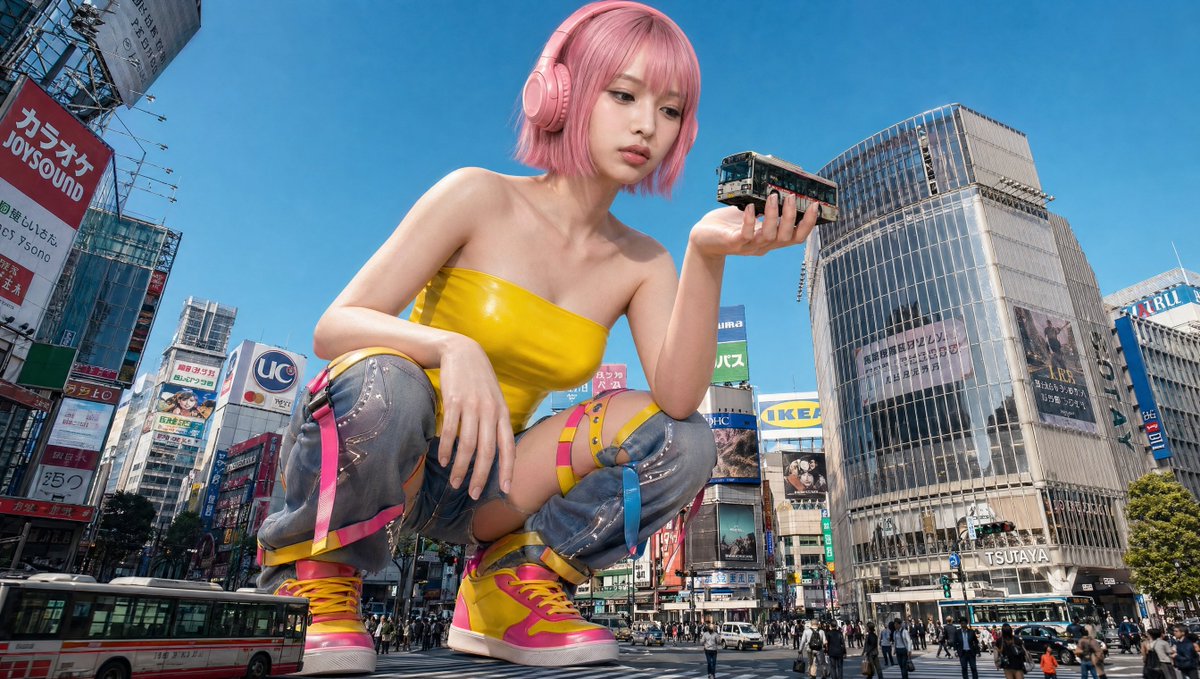
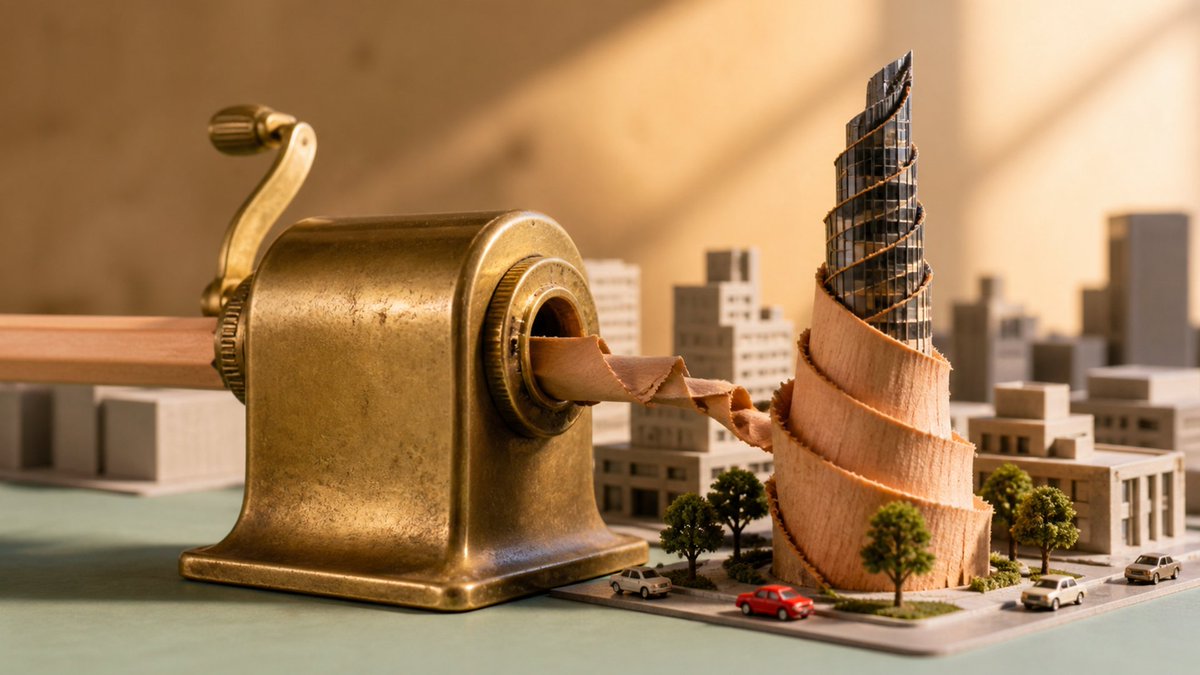
Riesentacker repariert eine Miniaturstadt-Straße
Ein riesiger Tischtacker, zwischen winzigen Fahrzeugen hochskaliert, schließt sein Maul über einer kaputten Fahrbahn und heftet den Schaden wieder zusammen. Der Witz funktioniert, weil sich jedes Scharnier und jede Feder genau so bewegt wie auf einem echten Schreibtisch.

- Modell
- GPT Image 2
- Typ
- 4 Bilder
- Seitenverhältnis
- 16:9
- Geteilt
- 12. Aug 2026
- Likes auf X
- 2
Büroartikel-MotivFunktion des BüroartikelsStadtproblemAusgeführte AktionSichtbare Vorher-nachher-Veränderung+3 mehr
Bild-Prompt
3,648 ZeichenGenerate a creative miniature-city photograph in strict horizontal 16:9; the final frame must be 1920×1080. 【Core concept】 Take an everyday piece of stationery with no brand and no text: [stationery subject], and enlarge it to 20—50 times its real size, placing it into an exquisite miniature city, strictly using its real-world mechanical function: [stationery function] to handle an instantly understandable city problem: [city problem]. The creative relationship must be "however the stationery works in reality, that is how it works in the city." Do not just set the stationery next to the city, and do not rely on magic, expressions, or anthropomorphic faces. The image tells only one causal punchline: problem appears → stationery performs the action → city produces a visible result. 【Subject and action】 - [stationery subject] is the only giant subject, occupying about 45%—65% of the frame; - the stationery's shape, hinges, blade, rollers, rubber, metal, or transparent shell must be structurally correct; - the stationery is completing a clear action: [action performed]; - the city problem forms a clear before-and-after contrast: [visible before/after change]; - add a few unbranded miniature vehicles, construction equipment, or street fixtures as scale reference; - all objects must touch the ground and cast believable shadows, with no floating and no clipping. 【Scene and composition】 The location is [intersection / overpass / nighttime block / construction site / city plaza]. Use a horizontal narrative composition so the viewer reads the causality left to right or front to back. Do not place the subject stiffly in the center; use diagonals, S-shaped paths, or strong perspective to arrange the direction of the action. Keep a moderate amount of clean negative space so the single main concept stands out. 【Visual style】 High-end real miniature-model photography, practical-effects advertising photography, precise handcrafted scenery. No cartoon illustration, no children's toy advertisement. Like a tangible model built in a real studio: fine road-surface grain, worn edges, metallic reflections, rubber friction marks, translucent-plastic refraction, miniature dust, and construction traces, all clear and believable. 【Lens and lighting】 45—60mm macro lens, slight overhead or low angle close to the ground. The main interaction area sharp, with natural shallow depth of field at the edges, but the causality must not be blurred away. Use [bright daylight / early-morning side light / warm nighttime window light / warm-cool zoned lighting], with color controlled in a three-color system: [main color], [secondary color], [accent color]. The image vivid, with collectible-grade quality, but not oversaturated and without a cheap plastic feel. 【Image goal】 At first glance recognize the stationery, at second glance understand what city problem it solves, at third glance discover the real mechanical details. The image should be playful, clever, and clean, like a visual idea that draws a knowing smile without needing much explanation. 【Negative requirements】 Do not add eyes, mouth, hands, feet, or expressions to the stationery; do not have multiple kinds of giant stationery appear at once; no magic beams, sci-fi weapons, explosions, disasters, casualties, or horror scenarios; no cluttered city skyline; no brands, logos, trademarks, car emblems, license-plate text, billboards, readable text, letters, numbers, watermarks, or borders; do not copy the specific style of any living artist; no structural errors, melting objects, repeated vehicles, floating, clipping, or unreasonable shadows.
So geht's
Tauschen Sie das Büroartikel-Motiv und das Stadtproblem aus, behalten Sie aber die Vorher-nachher-Struktur und die echte mechanische Aktion bei, denn diese Ursache und Wirkung lässt das Bild auf einen Blick verstehen. Lassen Sie den Makro-Look eines praktischen Modells und den Beleuchtungsplan mit drei Farben stehen, denn sie tragen das haptische Gefühl. Das Ergebnis eignet sich für ein Poster, einen Social-Post oder eine Gesprächsfolie über Alltagsgegenstände.
Am 12. Aug 2026 öffentlich auf X geteilt. Alle Rechte an diesem Prompt und seinem Ergebnis liegen beim Creator. Ist das Ihr Werk? Bitten Sie um Aktualisierung oder Entfernung.