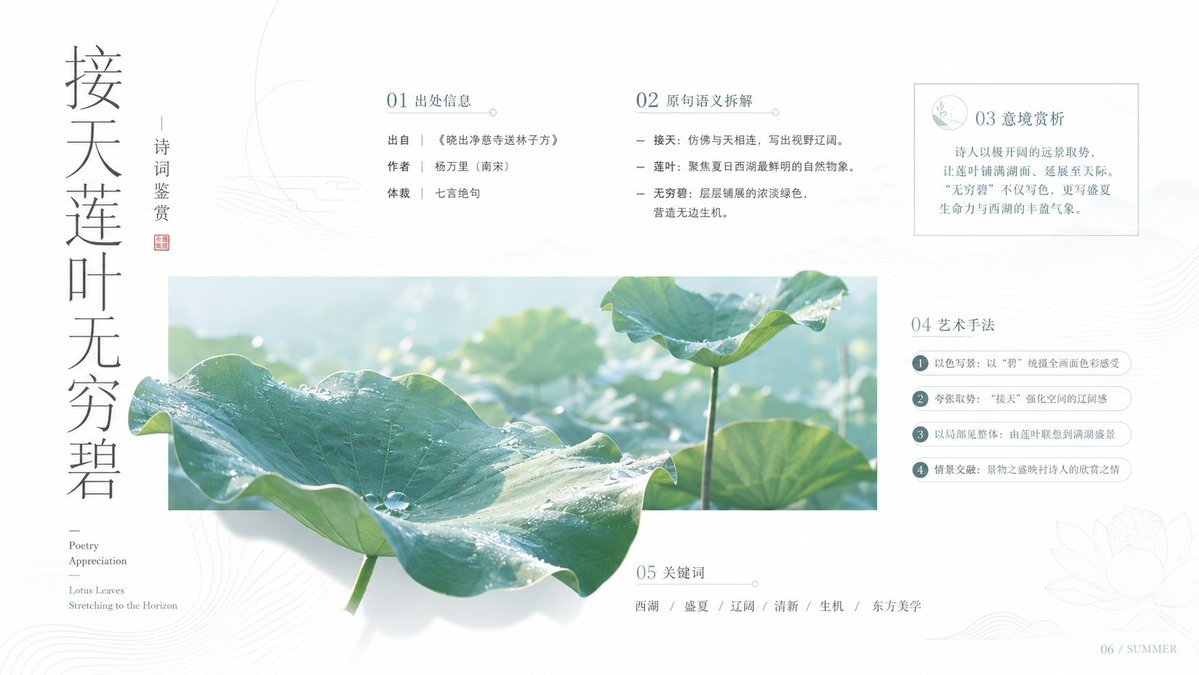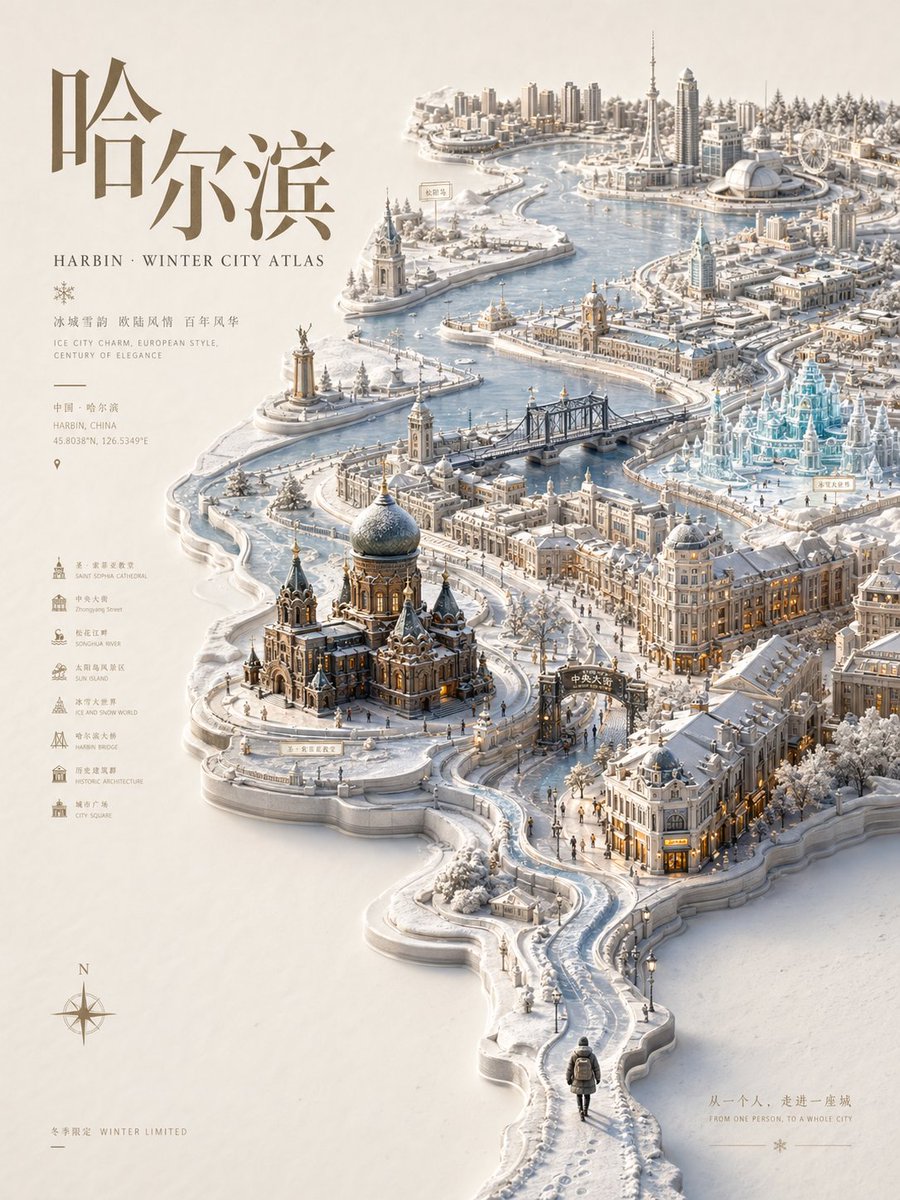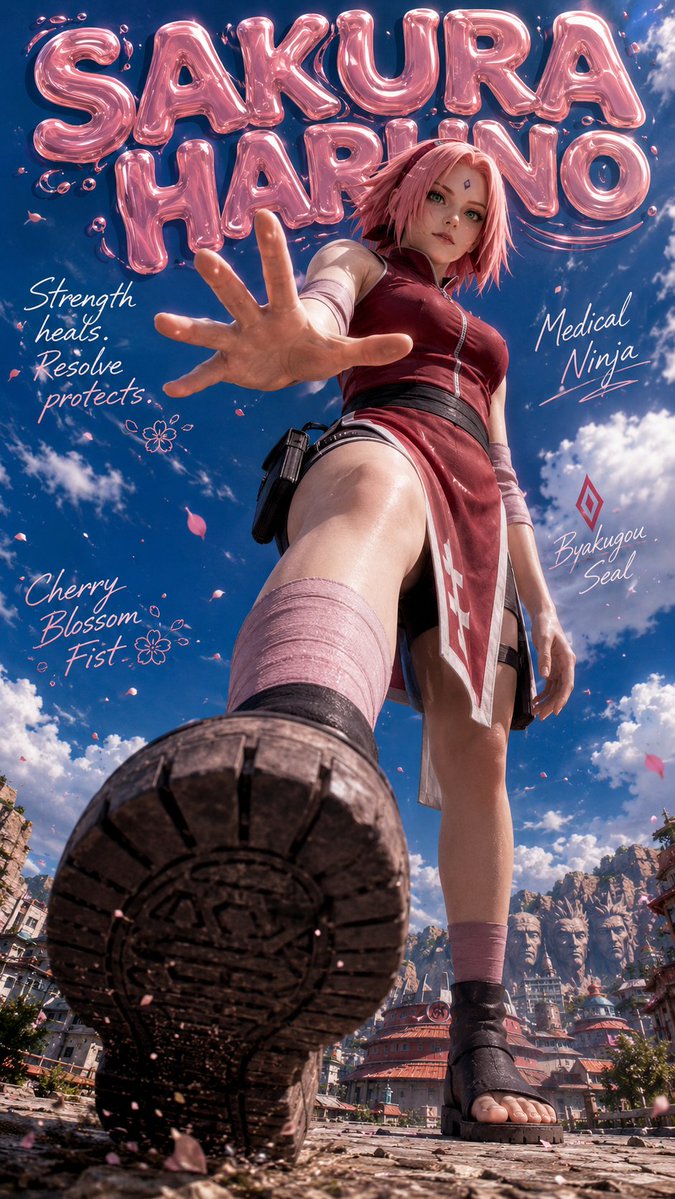
Prompt per immagini Poster e tipografia
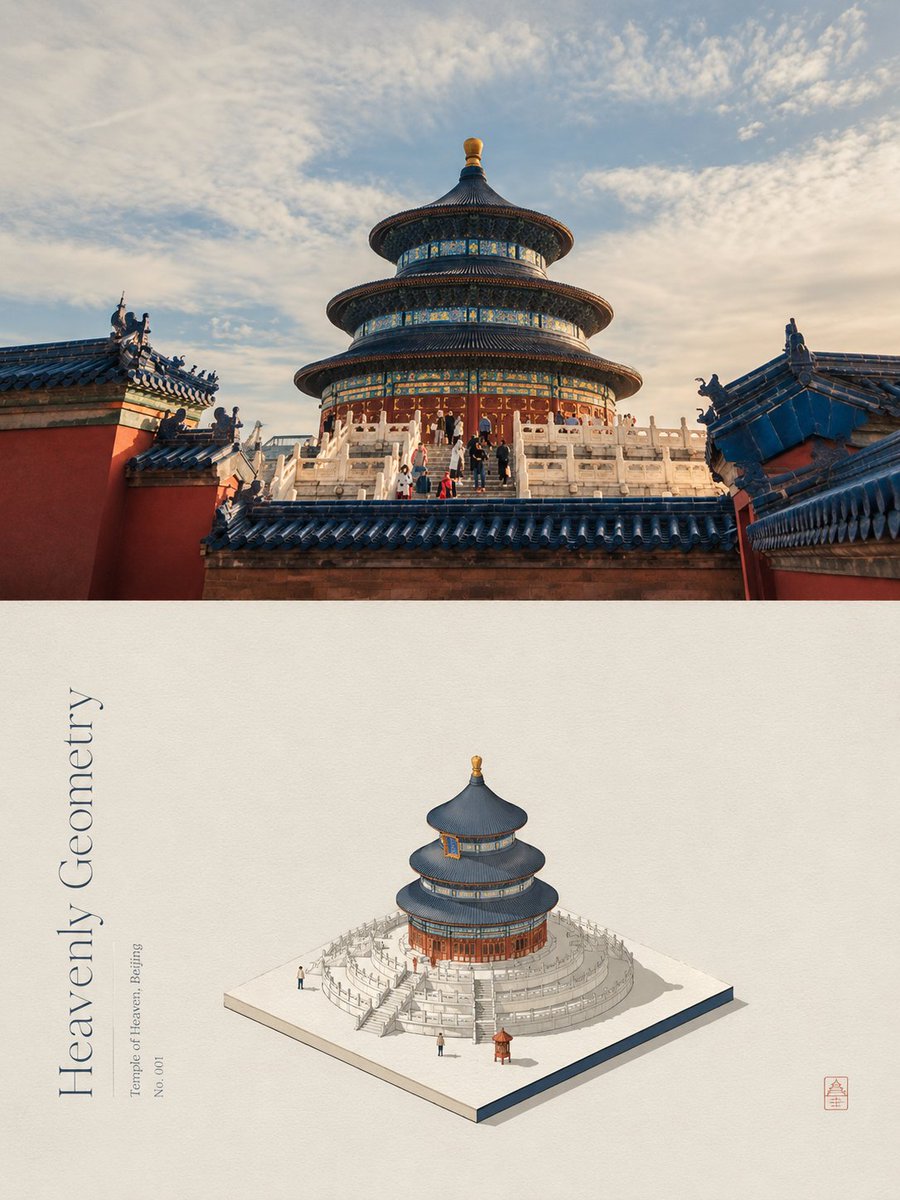
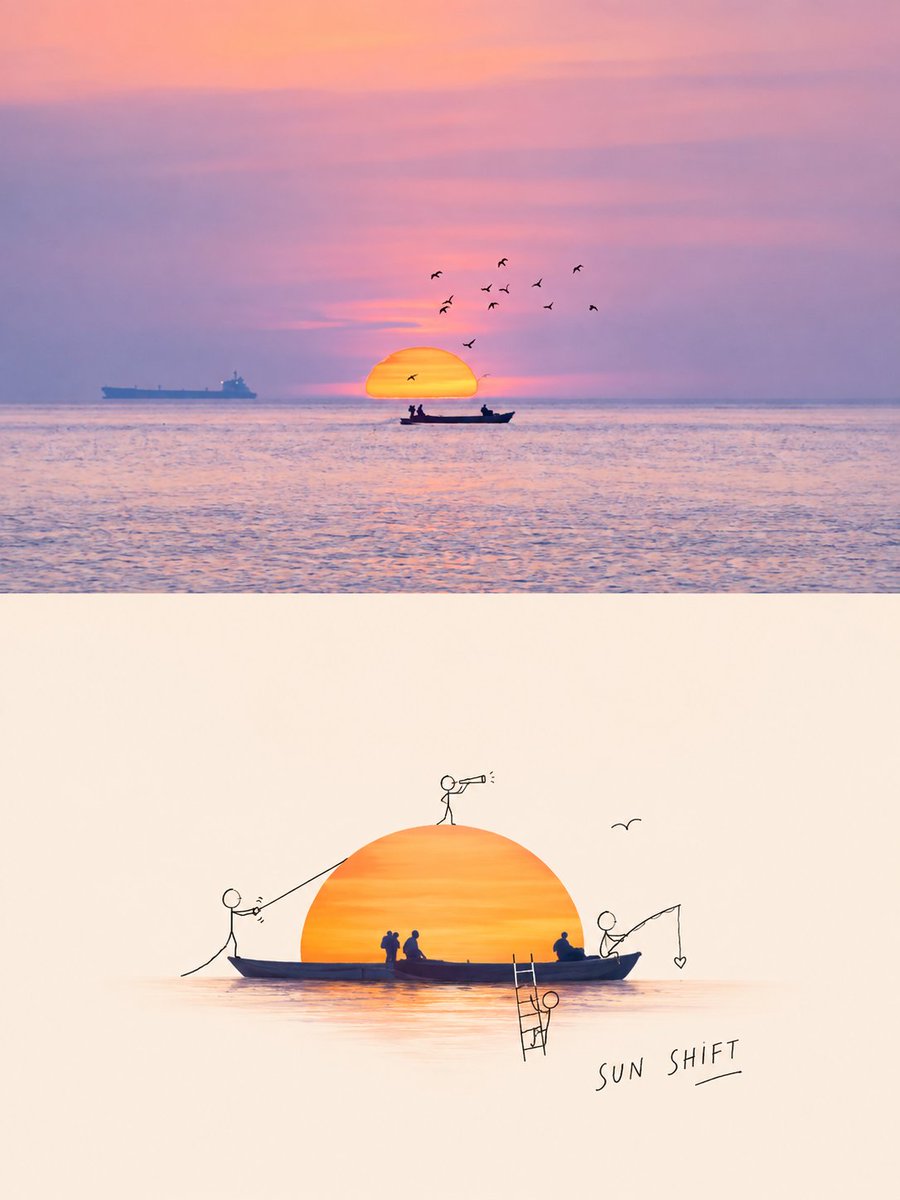
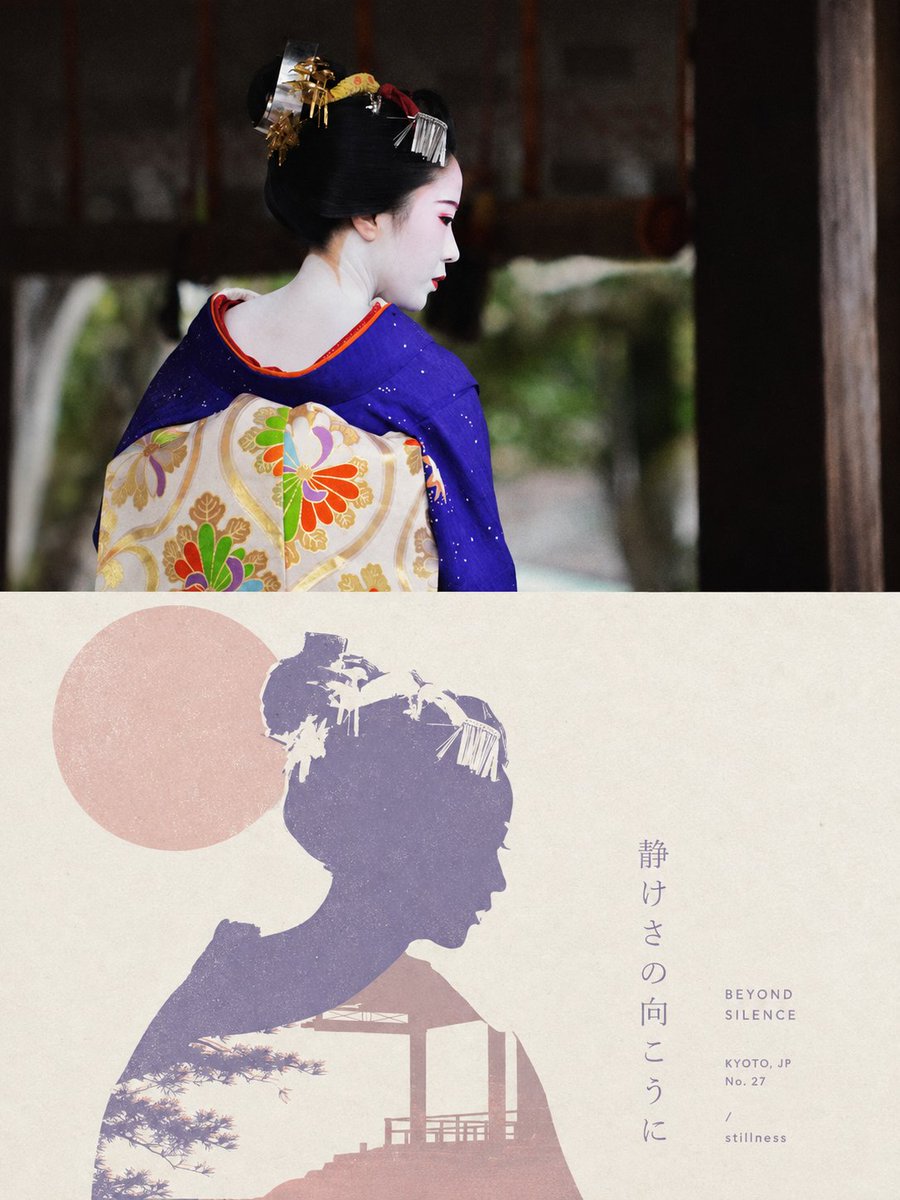
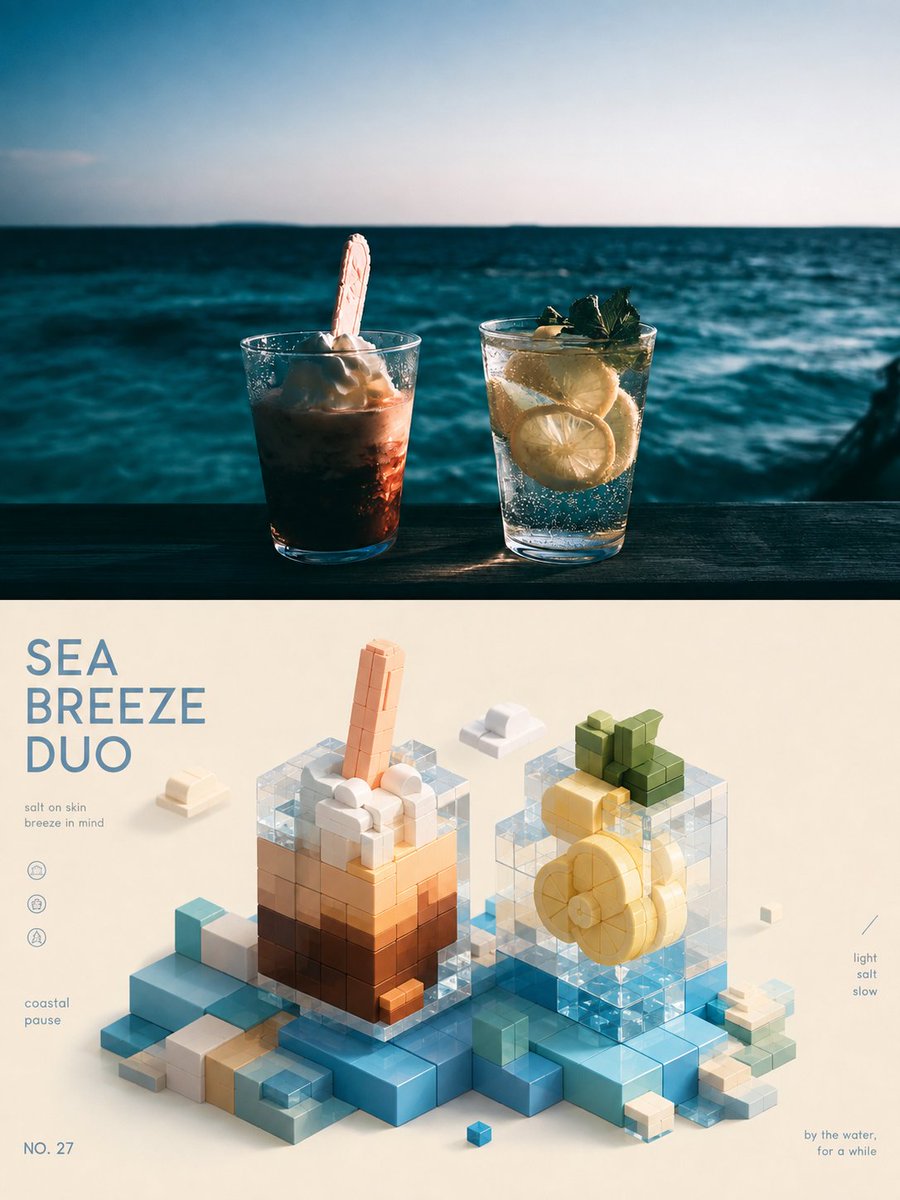
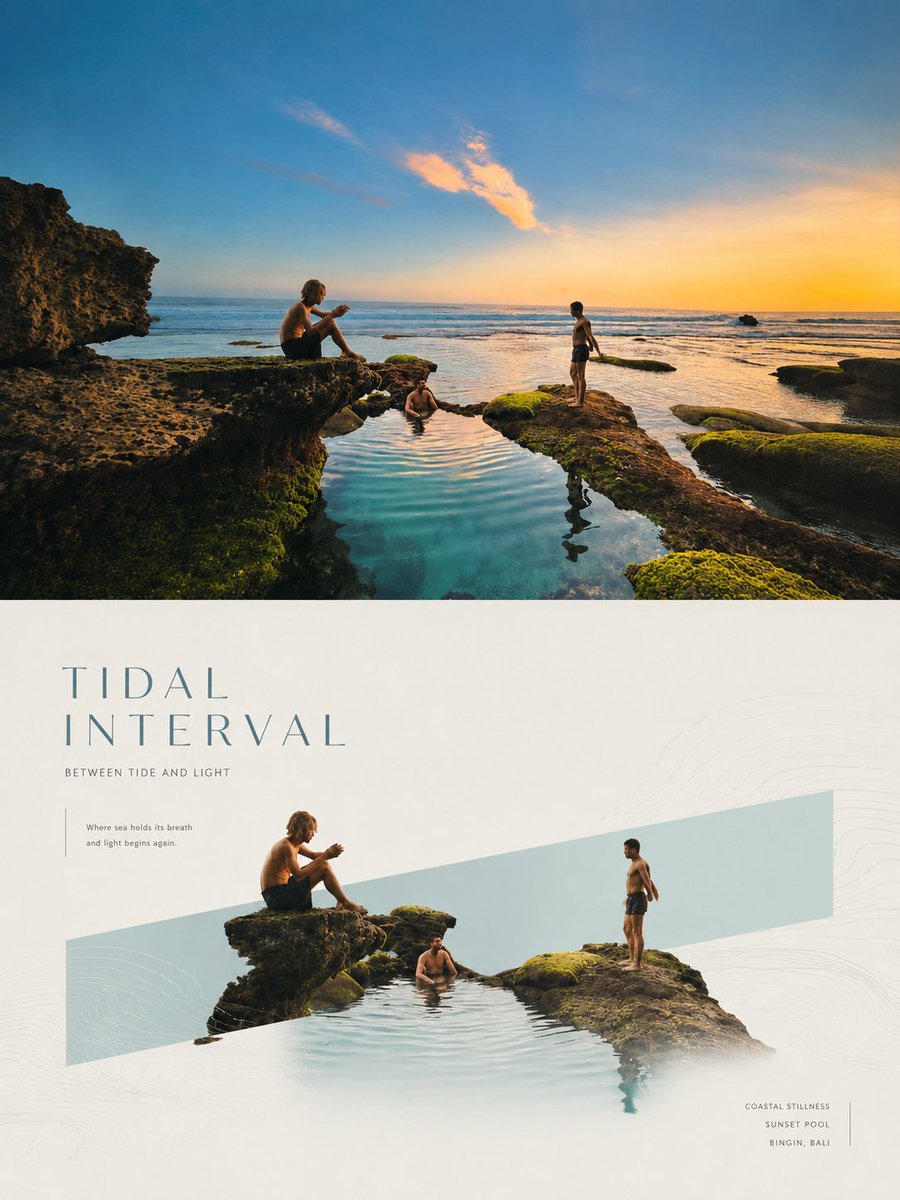
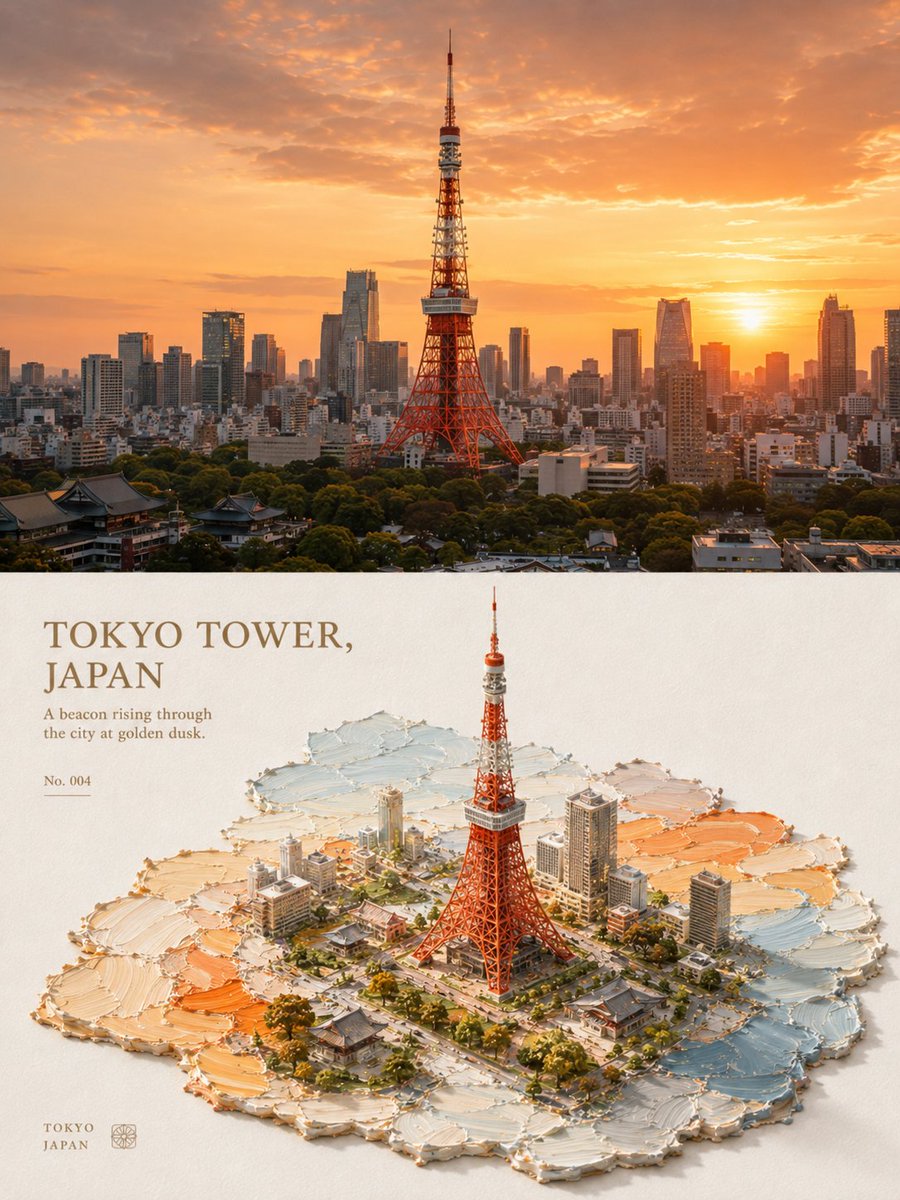
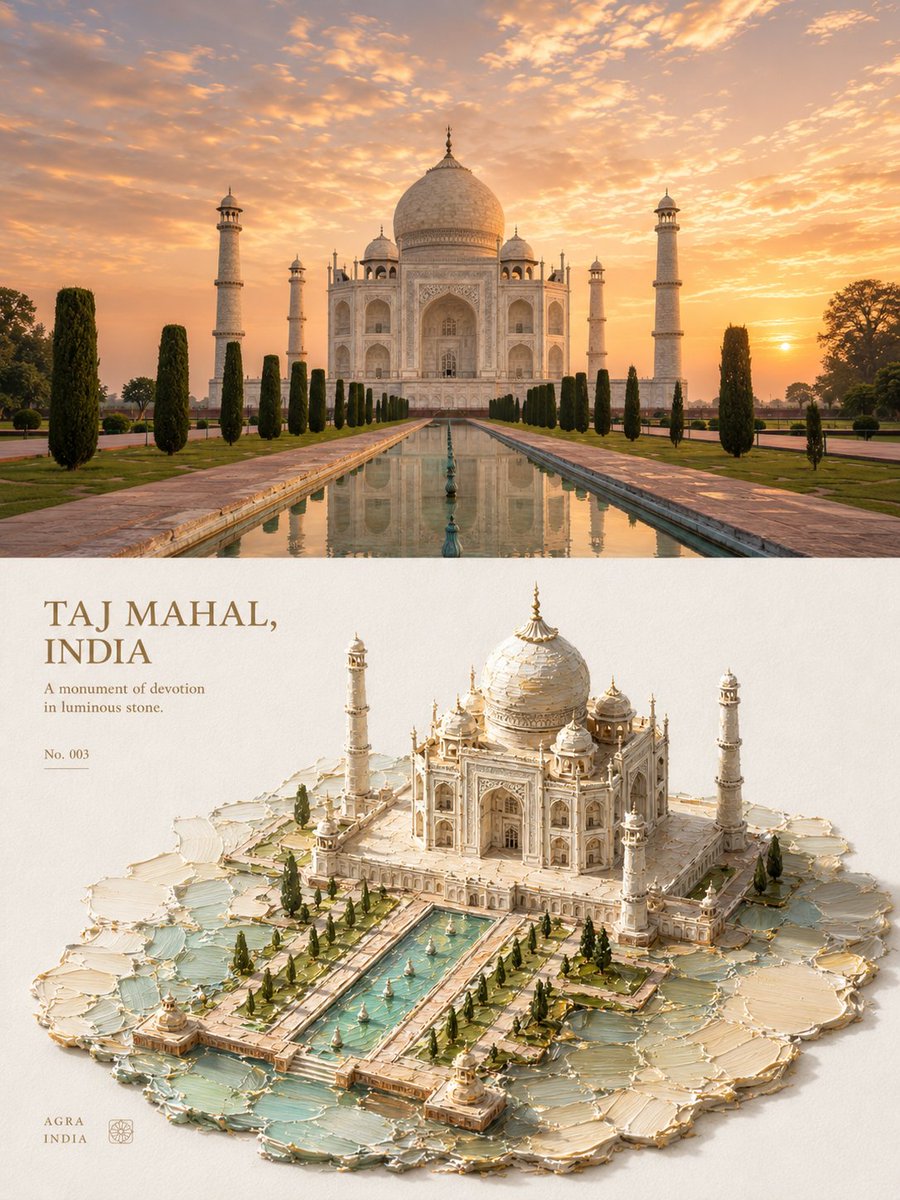
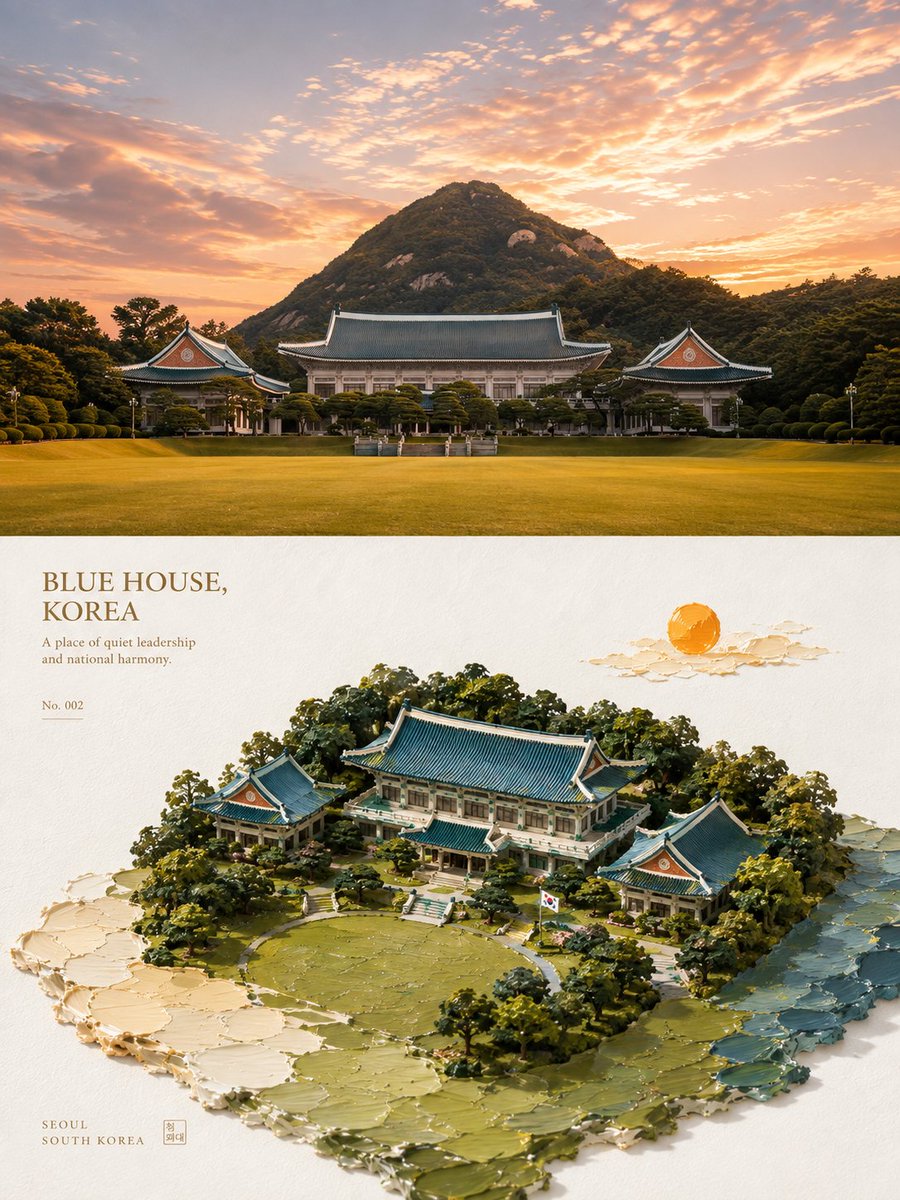
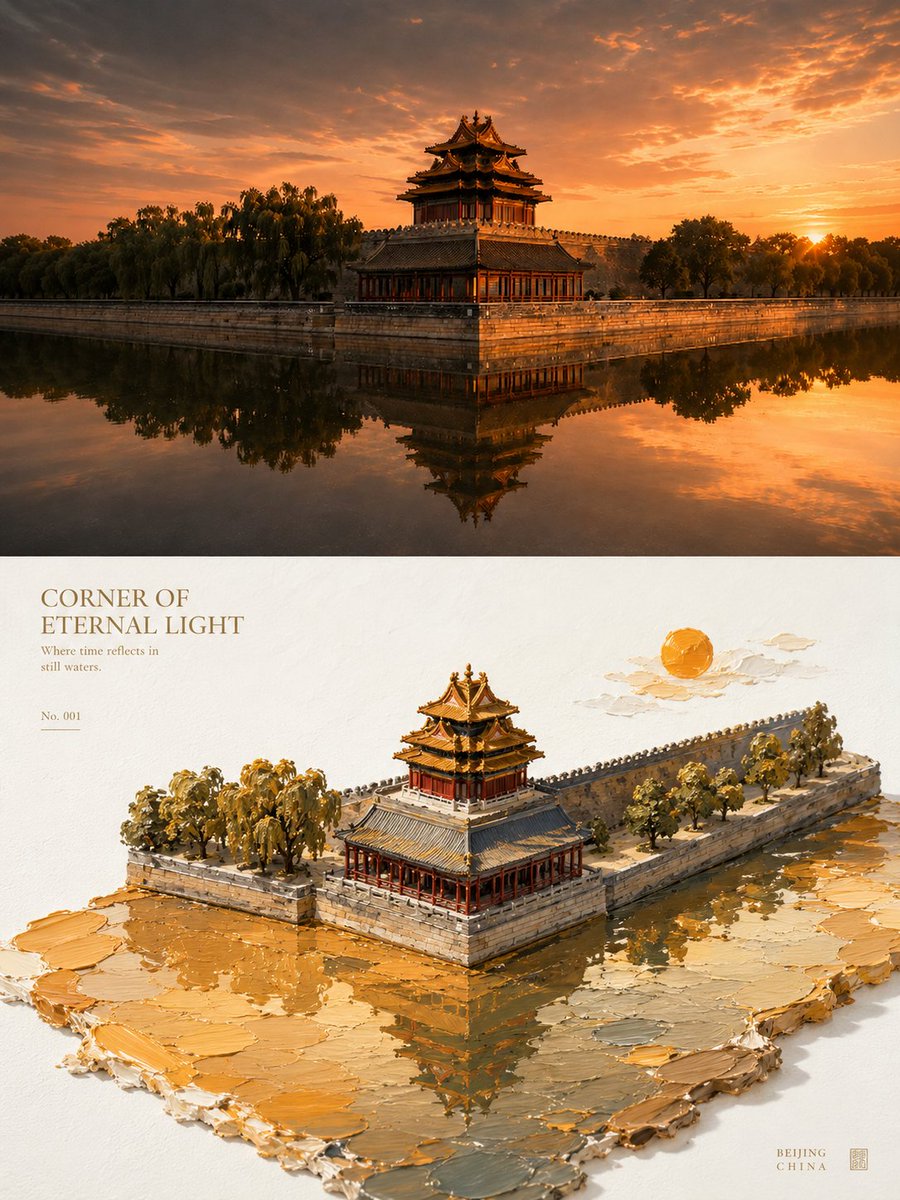
Poster diviso con scena in miniatura su olio
La metà superiore mantiene la tua foto in una finitura graduata in stile rivista, mentre la metà inferiore ricostruisce il soggetto come una piccola figura scolpita in piedi su un blocco di colore brillante e spesso. Il contrasto tra reale e miniatura lo fa sembrare una stampa da esposizione.

- Modello
- GPT Image 2
- Tipo
- 4 immagini
- Proporzioni
- 3:4
- Condiviso
- 23 ago 2026
- Mi piace su X
- 171
Prompt per immagini
4,365 caratteri🌷 Turn each photo I upload into a separate high-end design poster, no multi-image collages; each photo is output individually. Use an overall 3:4 vertical composition, with the upper and lower areas strictly 1:1 in height, each occupying 50% of the frame. The upper half keeps the original photo, preserving the subject's structure, real texture, natural light and shadow, and original color atmosphere, with only slight high-end photographic color grading, giving it the quality of an art magazine, independent publication, and exhibition photography. To fit the frame, you may naturally extend the sky, ground, or environmental background, but must not stretch, distort, or alter the subject. The lower half extracts the most recognizable **subject, silhouette, pose, and narrative relationships** from the photo and reconstructs them, using **isometric / axonometric 3D spatial logic**, into a refined impasto micro-landscape. The subject is not a flat illustration but a three-dimensional miniature entity with clear volume, structure, front-to-back relationships, and a stable footing; preserve the original object's most essential identity features, moderately adjusting angle and proportion to make it more complete, clear, and sculptural within the unified axonometric space. The subject sits atop a **thematic color field** formed by thick impasto paint. The color block is not an ordinary rectangular background but should, according to the original image's content, transform into water, ground, road, grass, a band of light, a shoreline, shadow, or another theme-related spatial slice, extending naturally along the isometric perspective direction. The subject must have a real spatial relationship with the color block, and may land on, embed into, pass through, extend across, reflect, ripple, cast shadows, or partially cross the boundary, ingeniously connecting the 2D impasto brushwork and the 3D subject. The composition is arranged adaptively according to the subject's volume, orientation, and direction of movement, establishing professional spatial order with **oblique axonometry, a stable center of gravity, front-to-back depth, and large areas of white space**. The subject is usually placed at a key node of the color block rather than mechanically centered; the color block carries the visual guidance and perspective extension. If needed, add a set of low-weight clouds, sun, plants, ripples, or abstract natural imagery, forming depth layers with the subject but not establishing a second visual center. The painterly language fuses **three-dimensional miniature model × impasto oil painting × real paper surface**. The subject has refined details and clear volume, while the surrounding environment retains obvious palette-knife marks, thick paint buildup, undulating edges, and handcrafted brushwork; clouds, water, ground, and light may have a near-relief oil thickness, creating the tactile illusion of "a real model standing on not-yet-dry oil paint." The color scheme is remixed from the **brightest, most vivid colors that best represent the subject's spirit** extracted from the photo above, raising brightness, purity, and vitality, with abundant clean warm white as breathing space, paired with a translucent main color and a small amount of sunny warm accent. The whole is bright, healing, vivid, and refined, avoiding dirty gray, gloom, Morandi-ization, fluorescent feel, and cheap candy colors. Text intervenes sparingly, extracting a short title from the photo's subject, location, mood, or symbolic meaning, accompanied by very little subtext, numbering, or tiny annotations. Typography stays meticulous and restrained, and may align with the axonometric direction, the edges of the impasto color block, or the white-space areas, ingeniously echoing the spatial perspective, rather than being a title pasted independently onto the image. Overall it presents the visual relationship of **isometric three-dimensional subject × impasto color field × bright healing color scheme × real paper × large white space**. Whether the subject is a building, person, animal, plant, object, vehicle, or natural landscape, the 3D subject should truly "stand, grow, or exist" in the space formed by impasto color blocks, avoiding flat textures, ordinary illustration, plastic CG, toy-model feel, and templated micro-landscapes. 🌷
Come usarlo
Carica una sola foto, perché ogni immagine viene generata come poster a sé stante e i collage non sono previsti. Mantieni la divisione 3:4 e l'istruzione di ricostruire solo la posa e la sagoma più riconoscibili, perché sono loro a produrre l'effetto miniatura. Puoi cambiare gli accenti di sole e nuvole o la direzione dei colori per adattarli alla tua palette. È stato condiviso come prompt per GPT Image 2 e funziona bene come stampa per galleria o social.
Condiviso pubblicamente su X il 23 ago 2026. Tutto il merito di questo prompt e del suo risultato va al creatore. È tuo? Chiedi un aggiornamento o la rimozione.