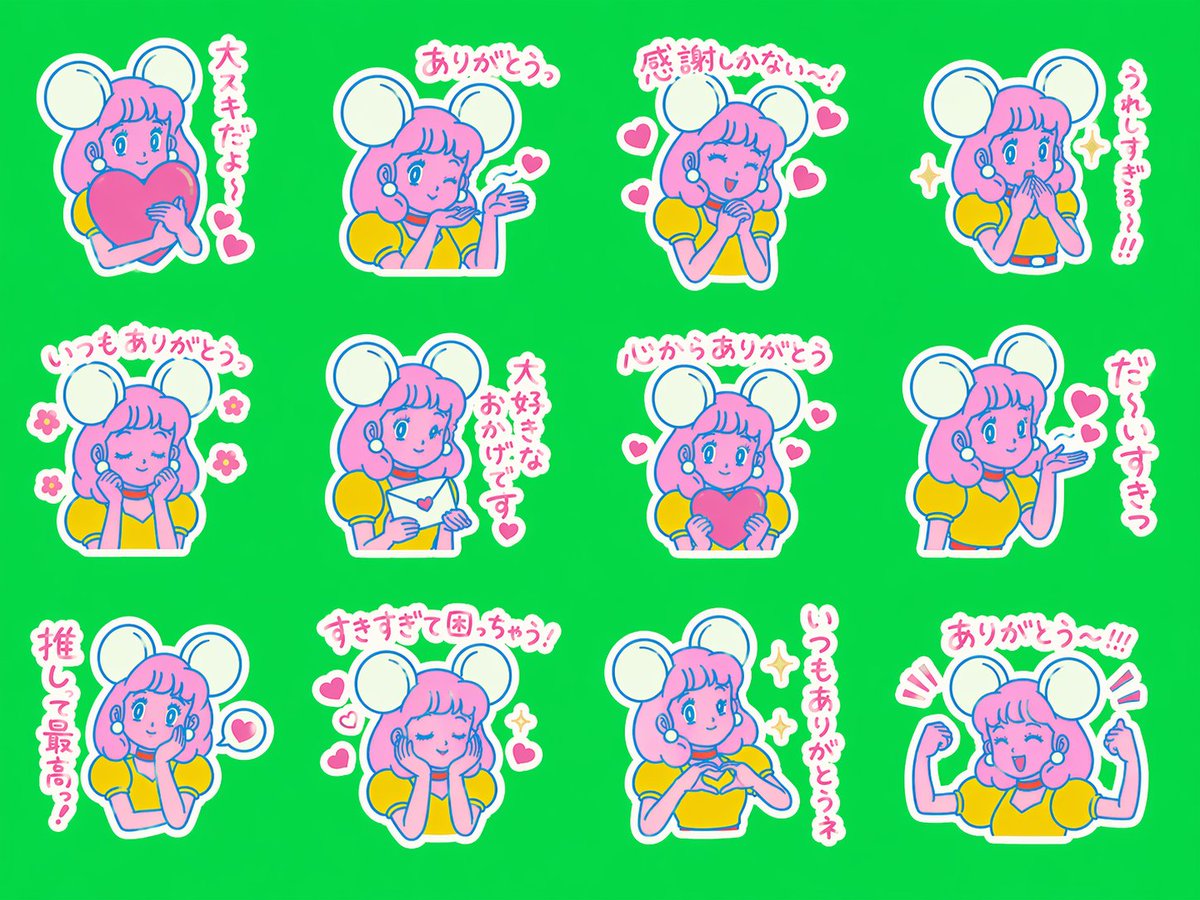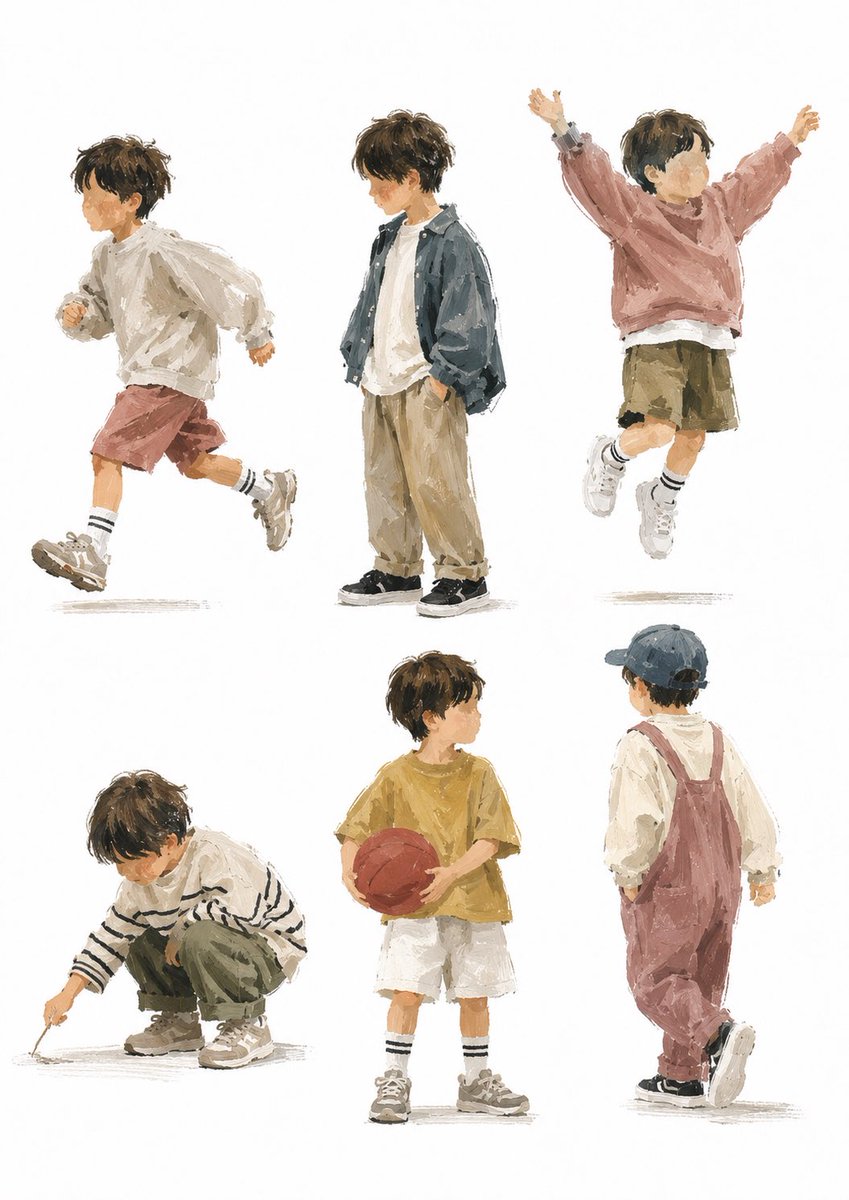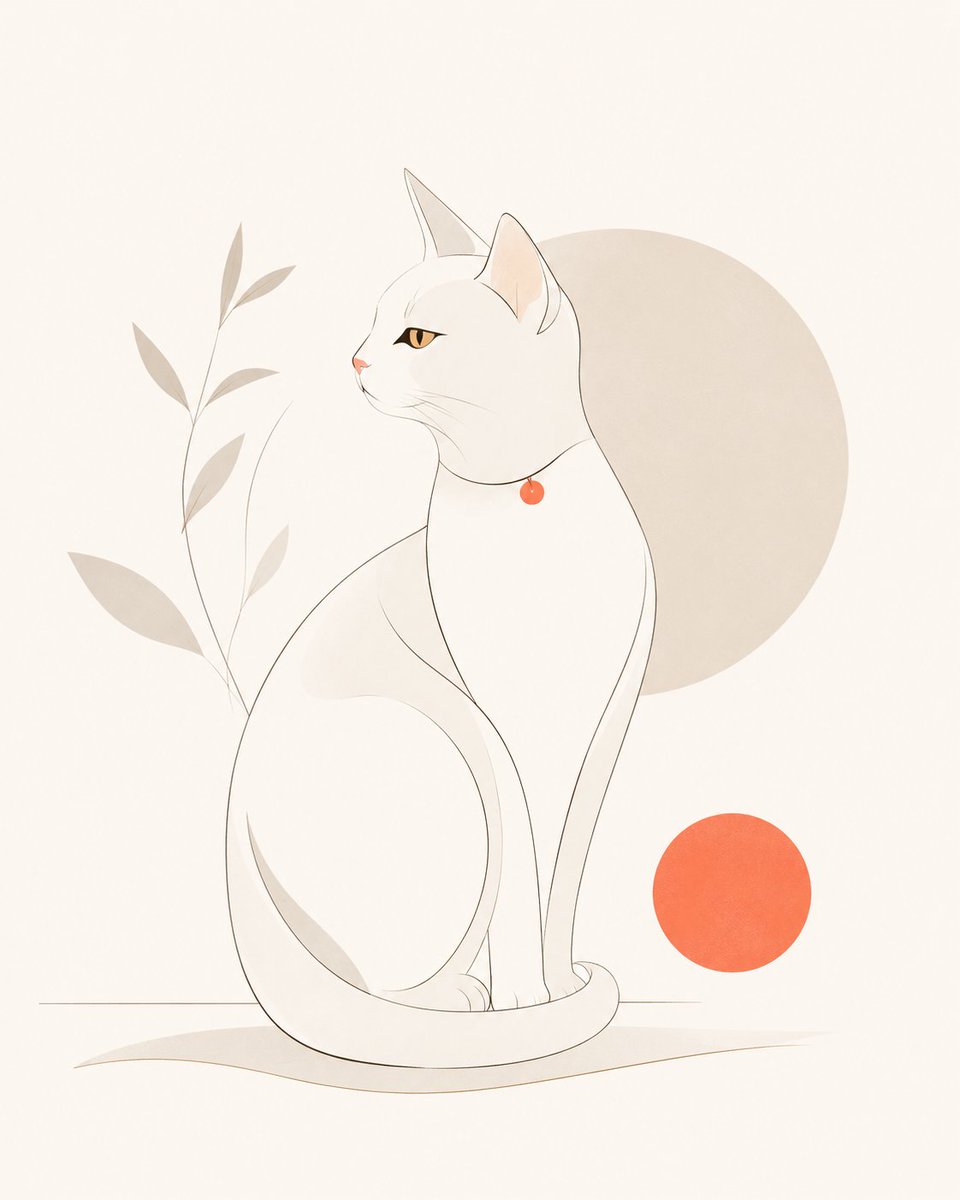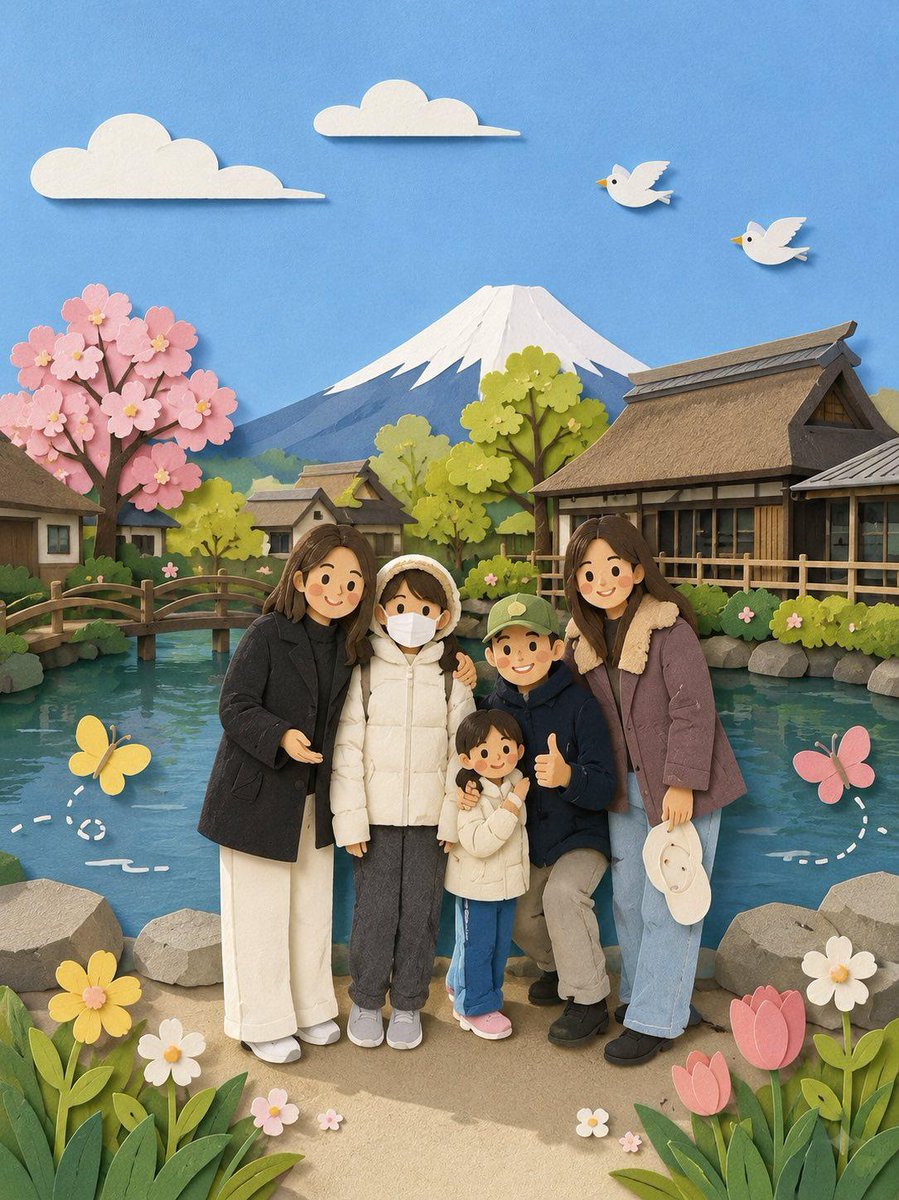

Prompt per immagini Illustrazione e personaggi Personalizzabili Aggiungi la tua foto
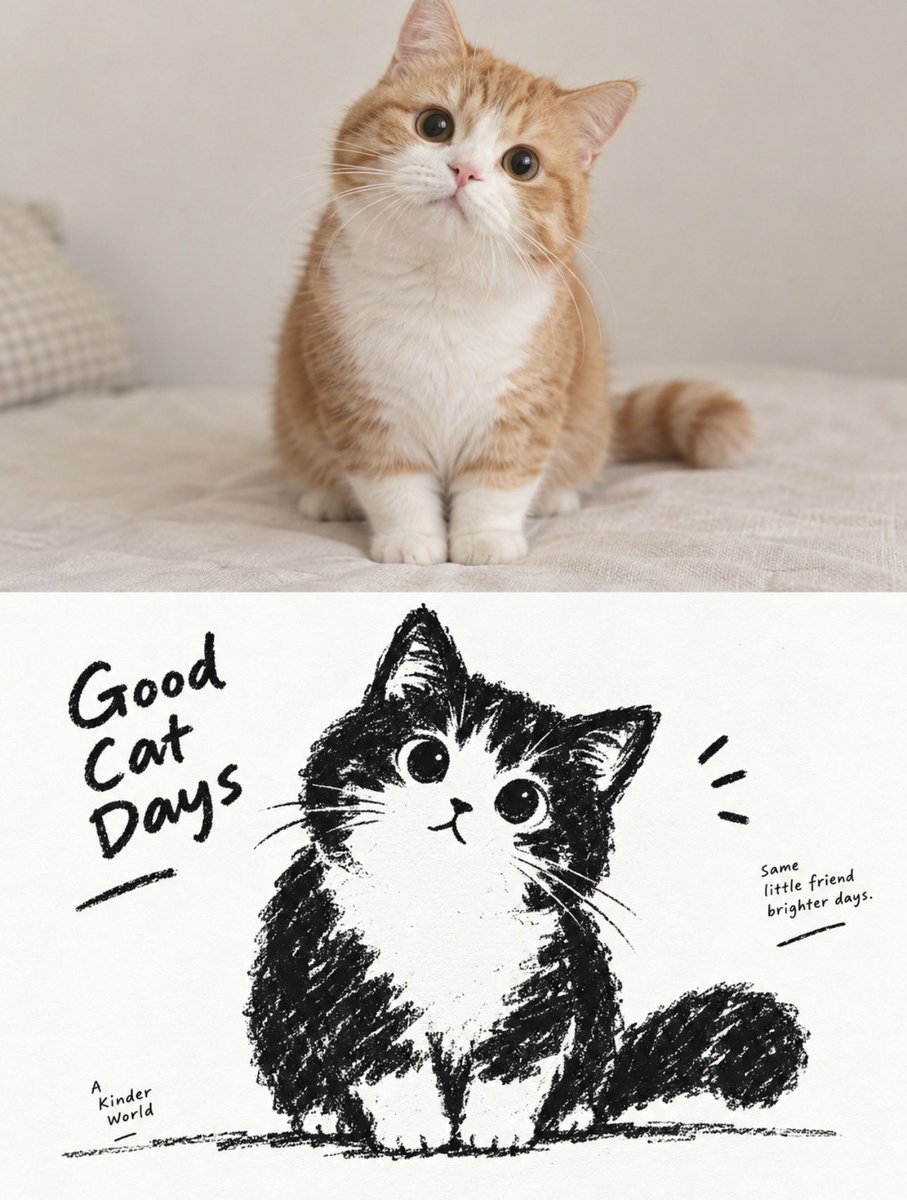
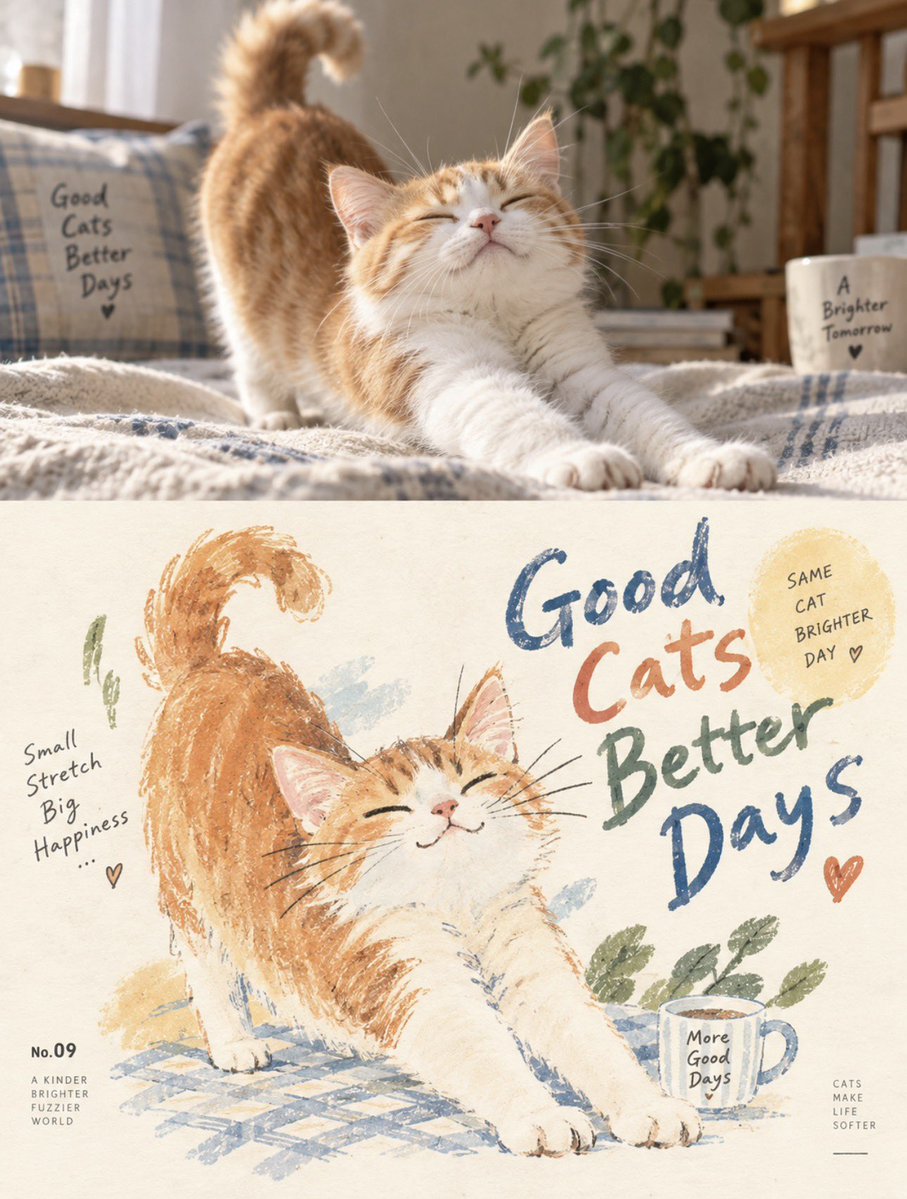
Ritratto in illustrazione editoriale ad acquerello con foto divisa
La metà superiore conserva la fotografia originale di una persona o di un animale domestico, mentre la metà inferiore ridisegna lo stesso soggetto come un'illustrazione editoriale naïf ad acquerello. Il contrasto tra un'istantanea reale e una versione libera, giocosa e disegnata a mano è proprio il cuore dell'idea.

- Modello
- GPT Image 2
- Tipo
- 2 immagini
- Proporzioni
- 3:4
- Condiviso
- 14 set 2026
- Mi piace su X
- 165
Stile dell'illustrazione
Prompt per immagini
3,598 caratteriCreate a vertical "top-bottom split" style poster, with the canvas strictly divided into two areas: the upper part is the real original photograph, and the lower part is a vintage watercolor hand-drawn editorial illustration translation of the same subject. The overall vibe is relaxed, playful, gentle, chic, retro, and with a touch of humor. Upper part: Place the original photo uploaded by the user. Use people, pets, animals, or the relationship between a person and a pet as the main subject, clearly presenting the subject's facial features, hairstyle, fur color, clothing, actions, posture, and overall atmosphere. The upper part keeps the real photographic style without illustration processing, and may be moderately cropped to strengthen focus on the subject. Keep the background restrained; architecture and complex spaces serve only as a weakened environment, not as the main content. Lower part: Extract the most recognizable subject, outline, posture, and narrative relationship from the upper photo, and reconstruct them into a light, naive, retro hand-drawn editorial illustration. Do not mechanically replicate details; re-express with summarized forms, moderately exaggerated proportions, symbolic features, and humorous visual metaphors, while keeping the original recognizable at a glance. Blend modernist editorial illustration, Bauhaus graphic composition, children's picture book, naive art, and fashion sketch temperament; forms are concise, outlines carry slight hesitation and handmade errors, and local features may be moderately enlarged, so the image has narrative, style, and playfulness all at once. The color scheme is extracted from the uploaded original photo, using a soft limited palette of high brightness and low-to-medium saturation, unifying the mood with analogous colors and creating visual accents with small areas of complementary colors. Use a mixed texture of watercolor, gouache, colored pencil, pastel, and dry brush, preserving paper grain, show-through, broken strokes, rough edges, slight muddy color, and old-print registration deviations. The background has large white space, supporting the subject only with loose light washes, local diagonal lines, or simple geometric elements, avoiding complex scene stacking, realistic light and shadow, smooth vectors, 3D rendering, and over-polishing. Text is distilled from the photo's location, people, scene, or theme into a few English keywords, titles, numbers, or fitting punchy lines, continuing the hand-drawn editorial language of the image. The main title uses a slightly naive and retro hand-written art font, while auxiliary text uses a restrained gentle sans-serif or serif font, which may be slightly misaligned, tilted, stretched, color-overlaid, or produce old-print registration offset, so the text grows naturally as part of the illustration rather than being a layout element pasted on afterward. Overall use an off-white or light background with plenty of white space; the subject's features, colors, posture, and visual symbols maintain unified correspondence across the image. The overall vibe is relaxed, playful, retro, gentle, clever, chic, humorous, romantic, and laid-back, with a touch of clumsiness and quirky confidence, like a page from a carefully preserved old fashion picture book and a modern art magazine. Overall it must clearly convey that "the upper part is the original photo reference, and the lower part is the vintage watercolor editorial illustration translation of the same subject," with both identity consistency and an obvious style gap between them.
Come usarlo
Carica una foto nitida di una persona, di un animale domestico o di una persona con il proprio animale, perché il prompt ha bisogno di un riferimento reale per la metà superiore. È stato condiviso come prompt di GPT Image 2. Mantieni la disposizione divisa, la carta color avorio e le istruzioni su forme semplificate e texture ad acquerello, perché sono loro a creare il contrasto stilistico. Cambia la palette o il titolo scritto a mano per adattarli alla tua foto.
Nelle raccoltePrompt IA per ritratti di animali
Condiviso pubblicamente su X il 14 set 2026. Tutto il merito di questo prompt e del suo risultato va al creatore. È tuo? Chiedi un aggiornamento o la rimozione.