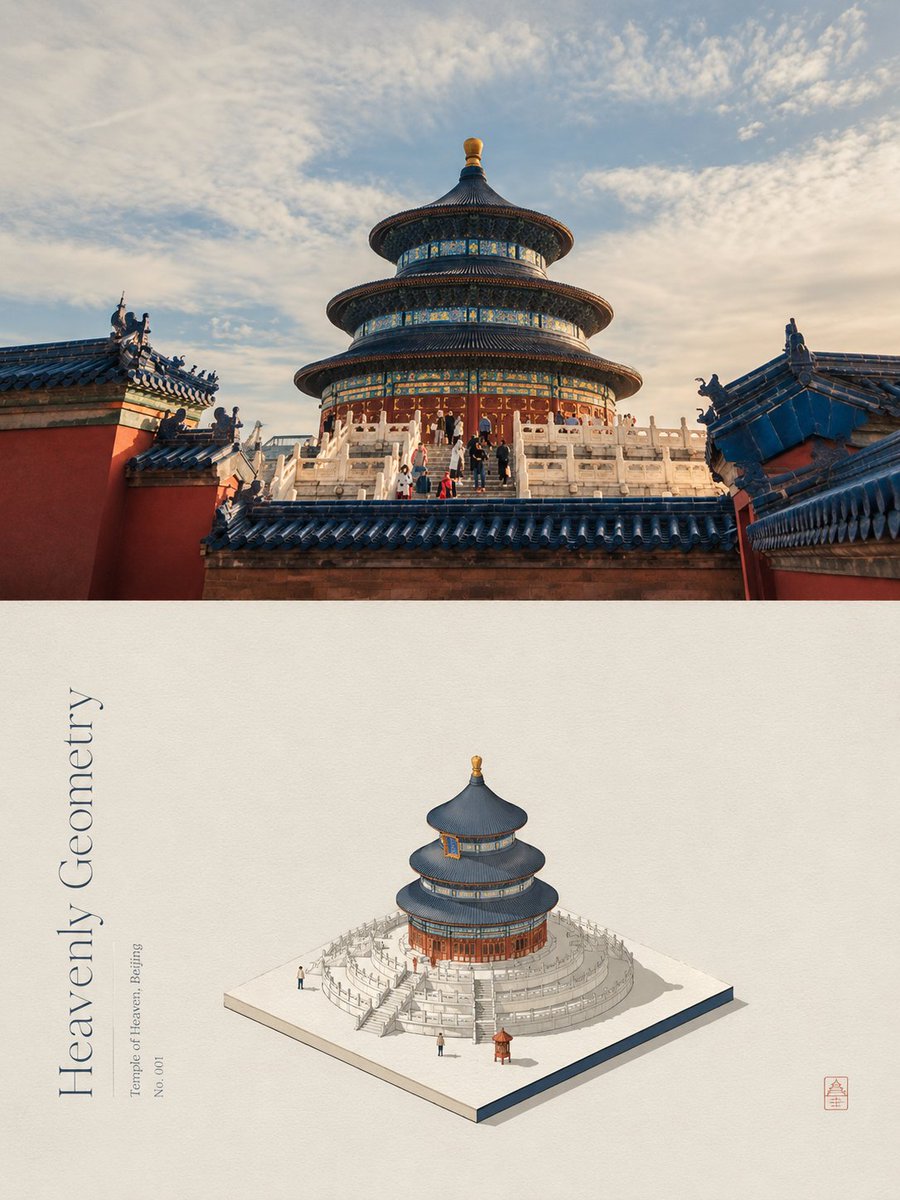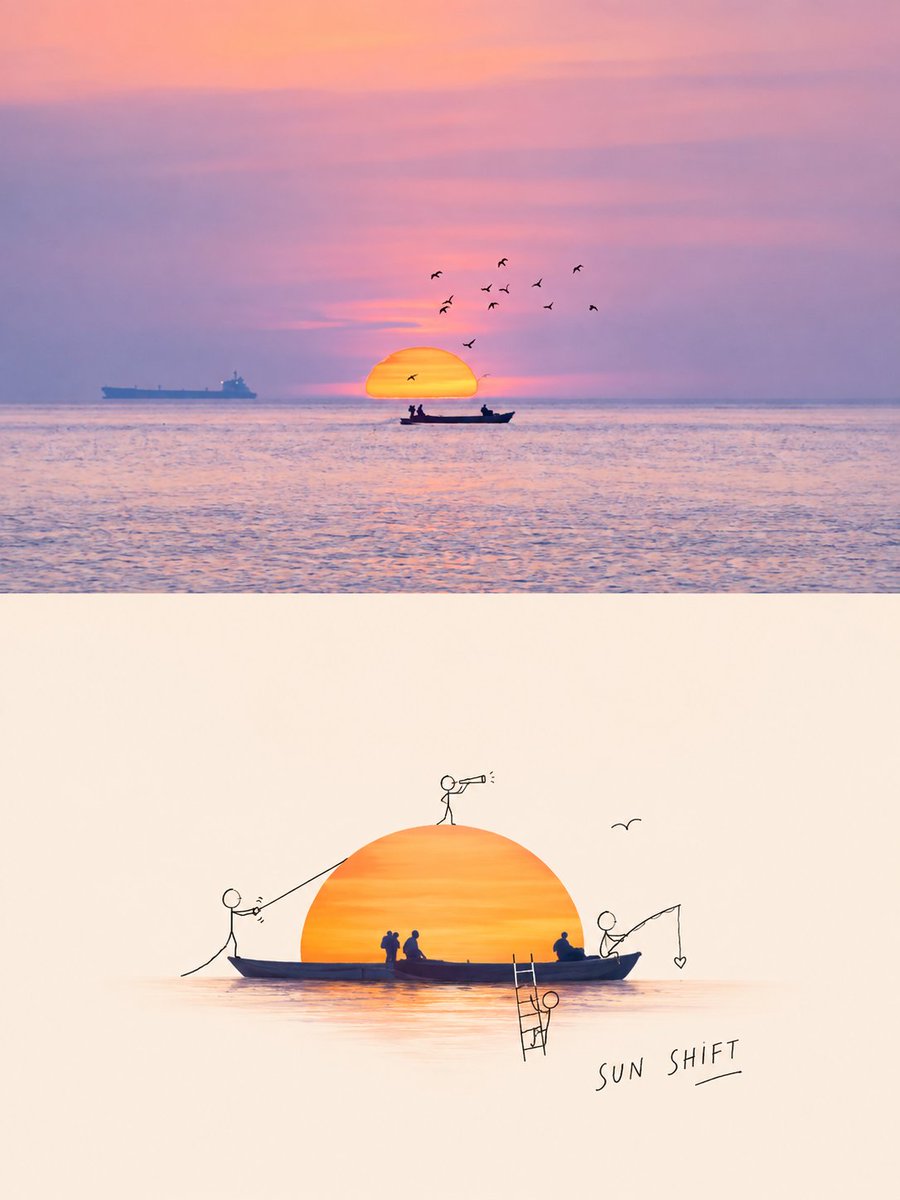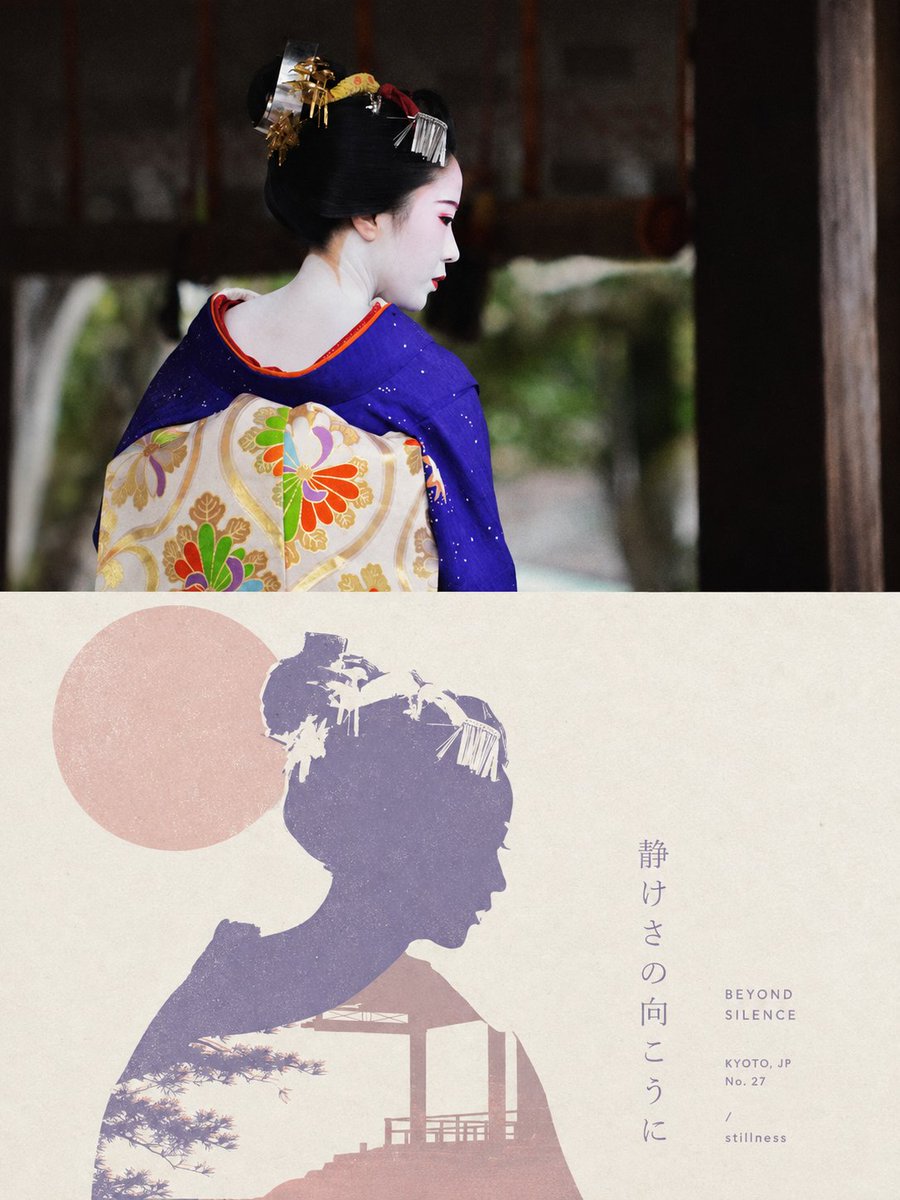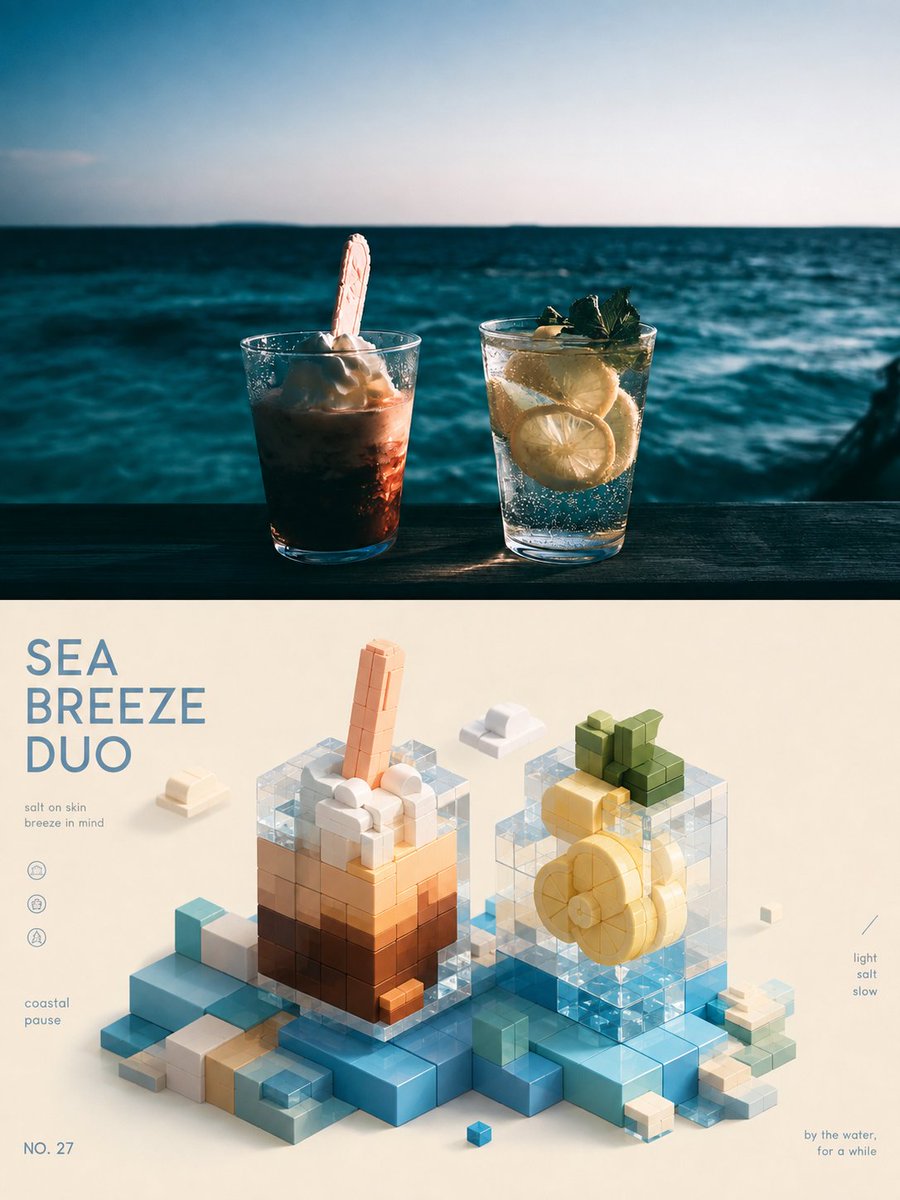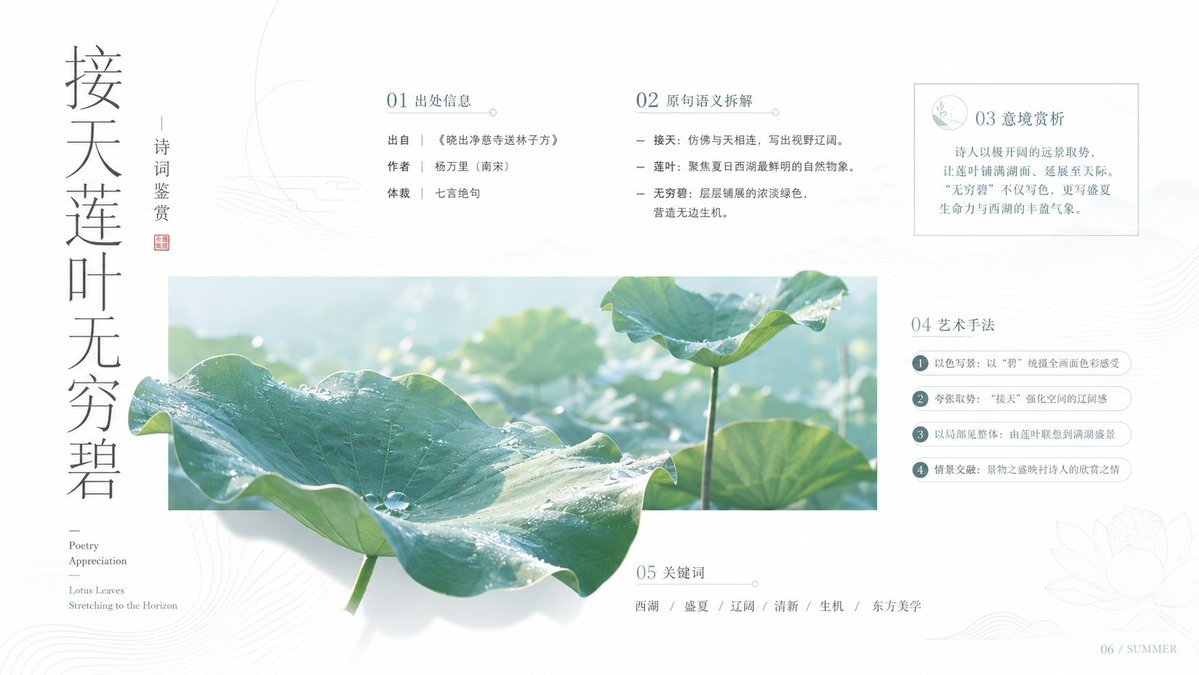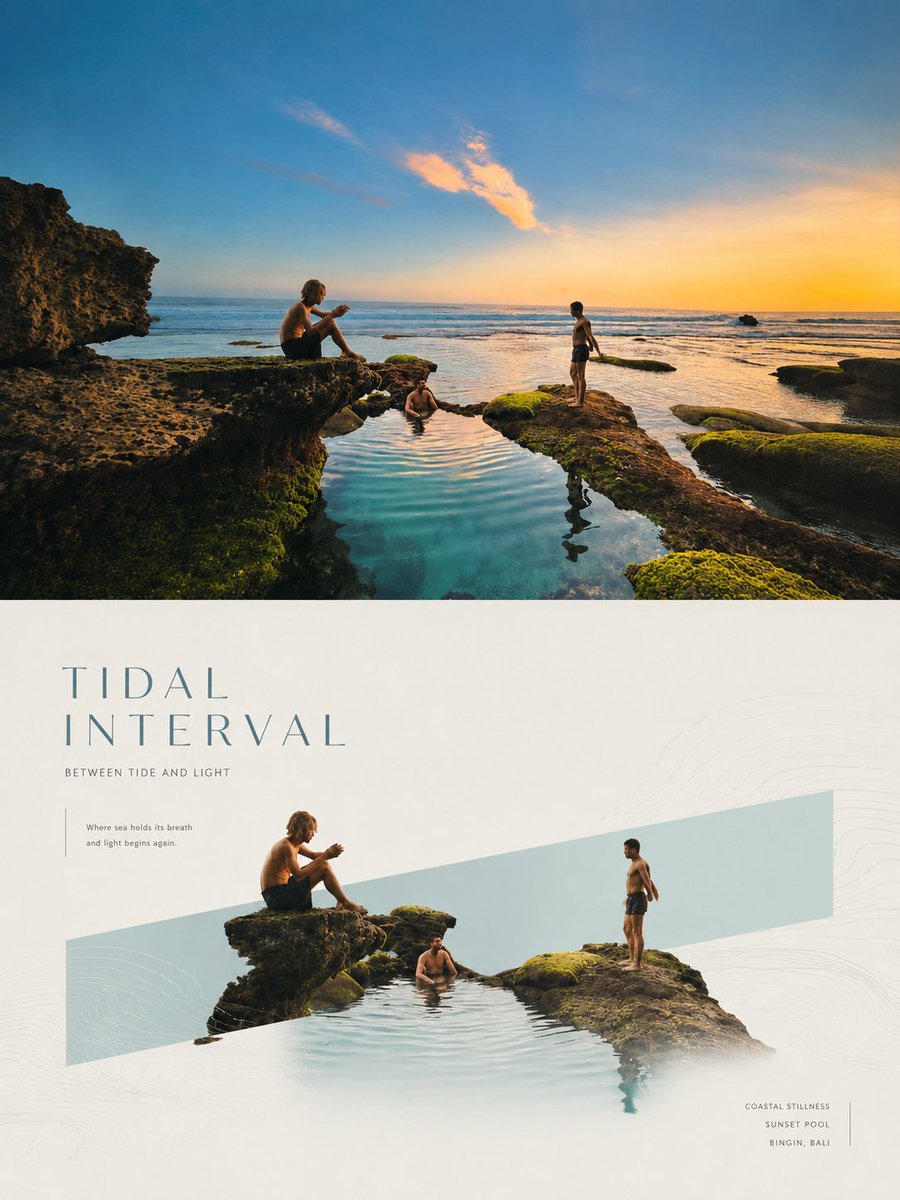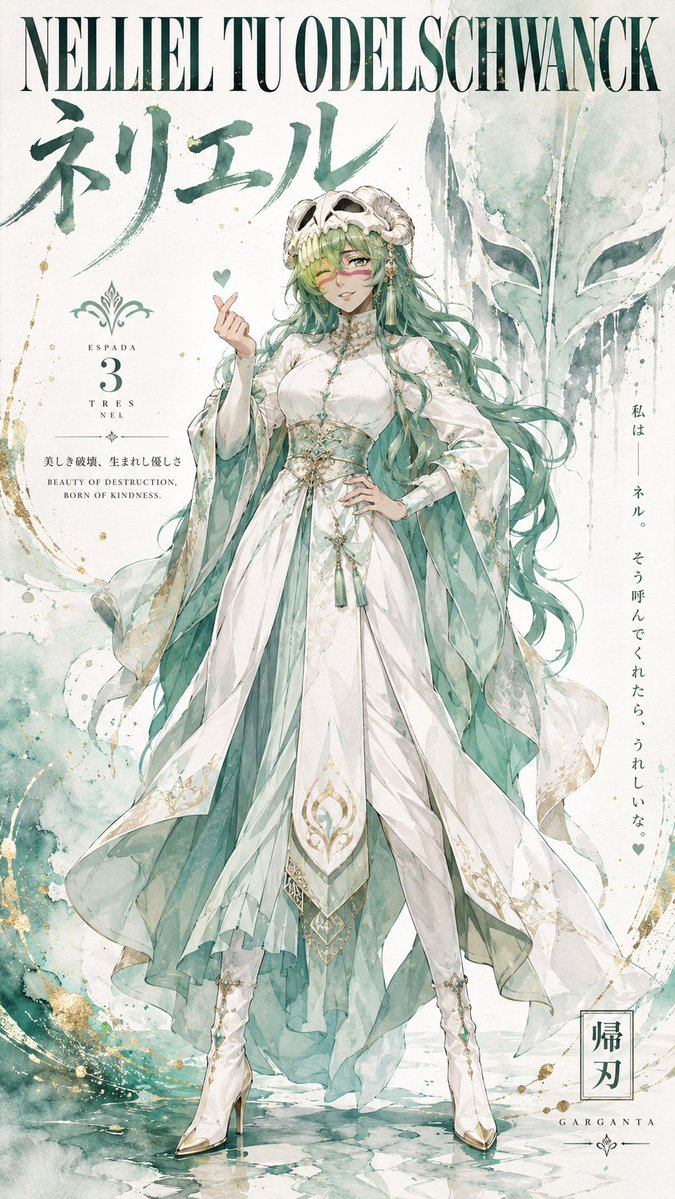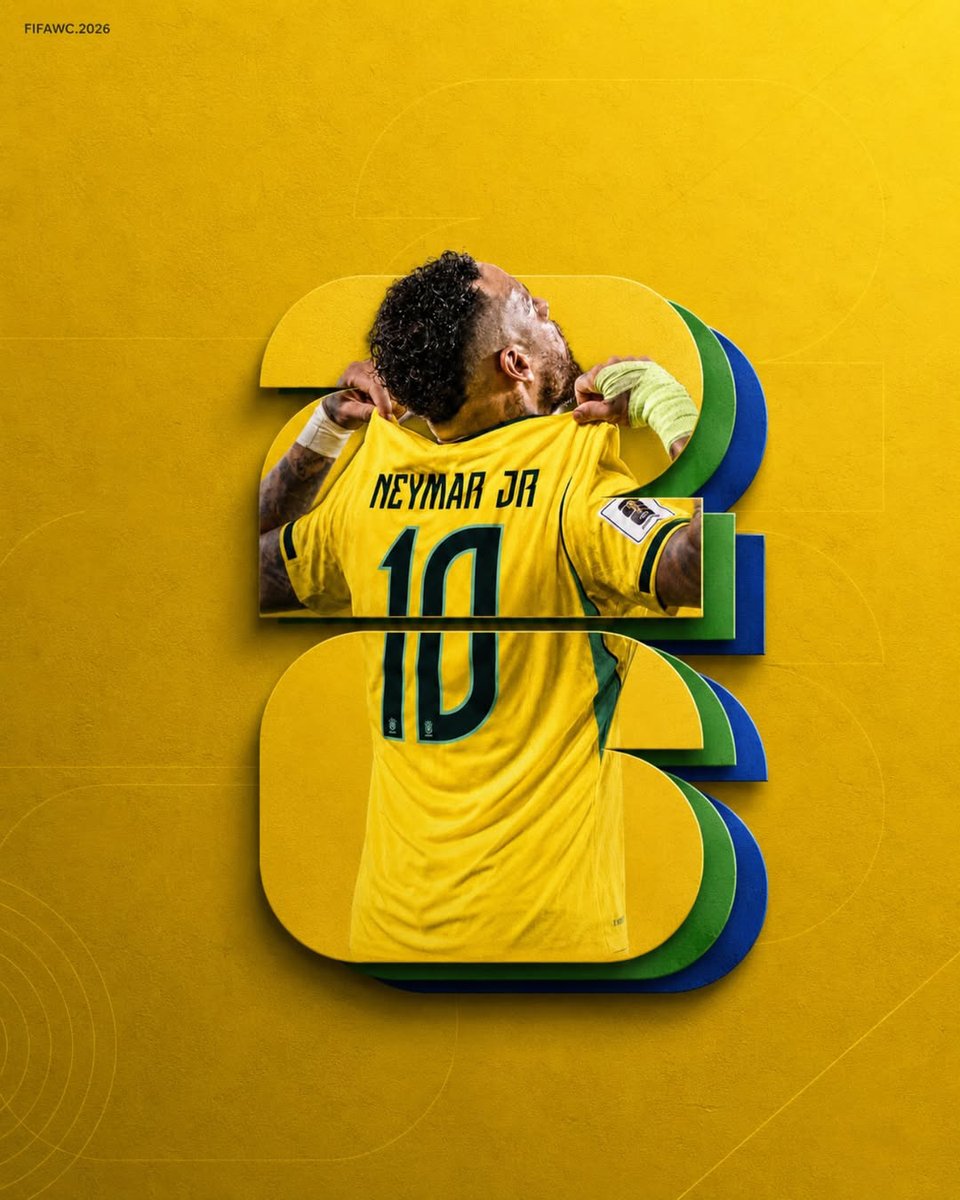


Prompt per immagini Poster e tipografia Personalizzabili
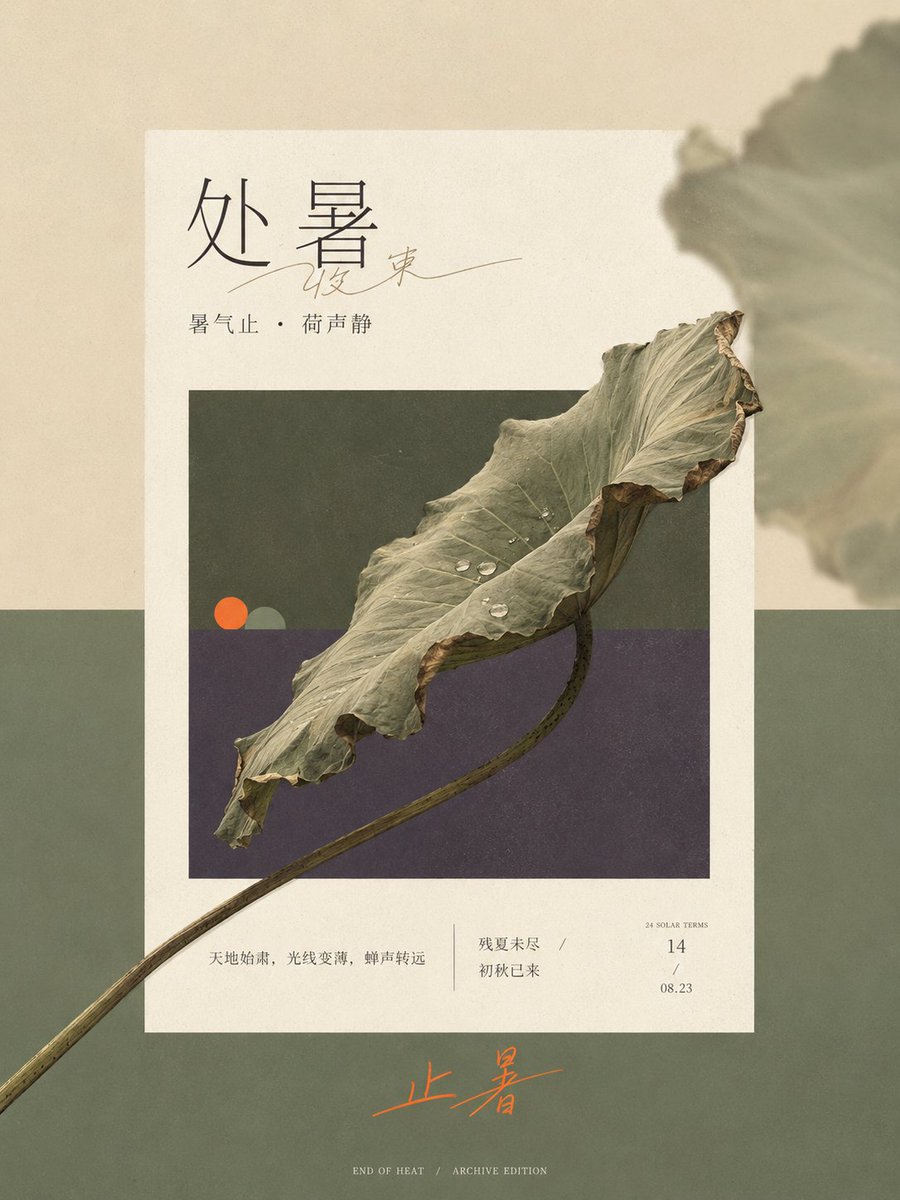
Design di poster editoriale per Chushu, la fine del caldo
Un poster alto e stretto si divide in un campo di colore profondo e una finestra calda di carta, con un'unica forma diagonale che esce dalla finestra e va oltre i bordi. Eco sfocati svaniscono nel campo mentre una riga scritta a mano attraversa il titolo con grazie.

- Modello
- GPT Image 2
- Tipo
- 4 immagini
- Proporzioni
- 3:4
- Condiviso
- 17 ago 2026
- Mi piace su X
- 60
Prompt per immagini
4,676 caratteriAround a specific theme, generate an extremely narrow, tall vertical editorial visual in which the large outer color field, the central warm-white paper page, and the theme window inset within the page form three clear flat layers. First derive two structural colors from the theme's contrast of states and its emotional temperature, covering most of the frame with one hard horizontal divide; inside the embedded window, restate this division in the same direction and a similar but shrunken proportion — the outer field brighter and emptier, the window interior deeper and denser, with paper white as the highest-luminance separating layer of the whole image. The weight gathers in the middle third; above stays a broad title zone, below an expansive emotional resting point; the paper edges are straight, with no heavy floating shadows, and a wide annotation band remains beneath the window. From the theme's direction, process, structural connections, and temporal change, extract one continuous, recognizable core form and organize it as a single diagonal axis running through the middle, crossing at least two boundaries from inside the window — pressing over the frame, entering the paper's blank space, and extending into the outer color field. The boundary-crossing form stays whole and continuous; the endpoints that pass the edges keep the clearest recognizable silhouette while internal detail is moderately compressed; along the axis the form moves from dense to sparse, and the other auxiliary objects shrink into quiet small geometric focal points that stay stably inside the window near the color divide. Keep the horizontal color boundary, vertical format, rectangular page, and inner window in strict orthogonal order; only the core theme has license to break the rule, building space through precise occlusion relations rather than perspective or dramatic projection. Along one edge of the theme's motion, place a few same-source echoes: enlarge, crop, and lower the transparency and contrast of the core form, blurring it strongly until only soft color patches remain, partly running off the canvas; the central subject stays clear and the opposite side stays clean, giving the flat color field shallow air and a sense of memory. The colors keep a clear area order: the two structural colors together take about 80%, a theme mediating color crosses both fields and stitches warm/cold or state differences, and one small-area accent color appears only twice at a distance — at the window's visual focus and in the typographic gesture outside the paper. The exact hues change with the theme, but the luminance relationship stays stable: paper white highest, a few deep contours holding the structure, and the accent winning by saturation rather than area. The type system continues the image's order and boundary-crossing relation. The main title uses a slender, sharp editorial serif skeleton with marked stroke contrast and refined terminals; Chinese adopts fine forms with a publication character and generous tracking; one keyword is turned into a continuous, free handwritten fine line that lightly crosses or adjoins the printed title, forming a personal script that echoes the theme's diagonal axis. Explanatory information recedes to the lower part of the paper, in two blocks of medium-small type and date-like microtype; below, outside the paper, a set of handwritten text with a long trailing stroke picks up the second accent color, and the very bottom edge keeps only minimal metadata. Title, image, notes, and footer decrease in density in sequence, so the text does not press on the core's recognizable edge. Treat objects with directionless soft daylight and low shadows, keeping the theme's limited real materiality while still obeying the flat color blocks. Cover the whole image with extremely light art-paper fiber, fine print halftone, and low-contrast scan grain; the texture on the paper and in the window is slightly more visible, the outer pure color field more restrained; object edges allow slight print softening and color bleed while key contours and letterforms stay clean. At first glance the image presents the white paper window within the long two-color format and the theme form growing continuously from inside the window to outside; only then do the blurred edge shadows, refined header, handwritten intervention, and tiny annotations emerge, forming a modern paper-print visual where strict editorial order and a vivid sense of time coexist. Theme: Chushu (End of Heat), one of the 24 solar terms Ratio 3:4 Four images in total Each image with different color scheme, illustration, composition logic, and copy logic
Come usarlo
Condiviso come prompt per GPT Image 2. Sostituisci la frase tematica Chushu con un altro termine solare o una stagione e mantieni intatta la struttura: la divisione bicromatica, la finestra di carta e l'unica forma diagonale che attraversa i bordi. Le regole tipografiche contano quanto i colori, quindi conserva il titolo con grazie sottile e l'unica parola chiave scritta a mano. Stampalo come poster o usalo come sfondo stagionale per il telefono.
Condiviso pubblicamente su X il 17 ago 2026. Tutto il merito di questo prompt e del suo risultato va al creatore. È tuo? Chiedi un aggiornamento o la rimozione.