Prompt per immagini Scene e spazi Personalizzabili Aggiungi la tua foto
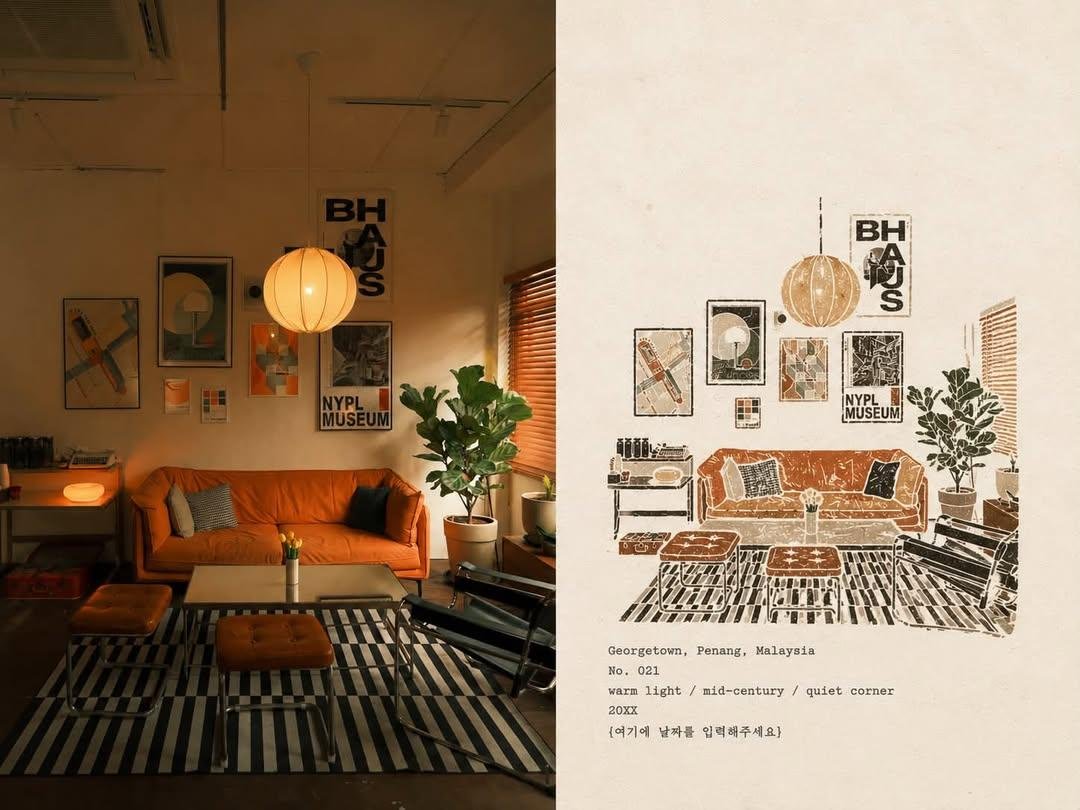
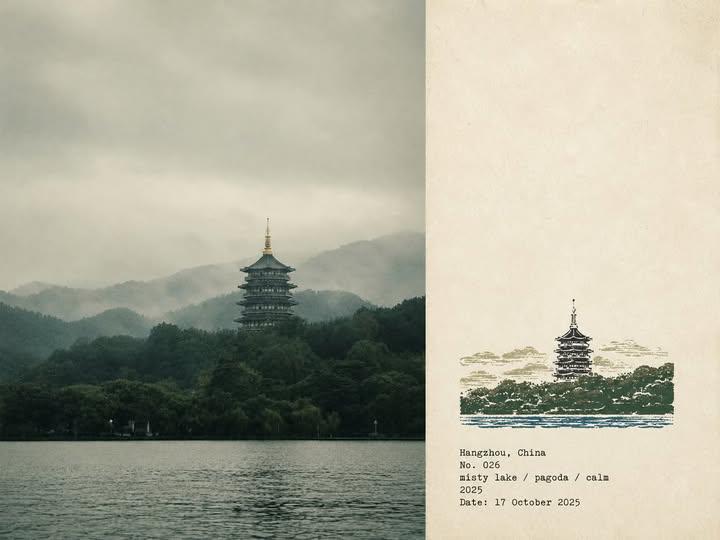
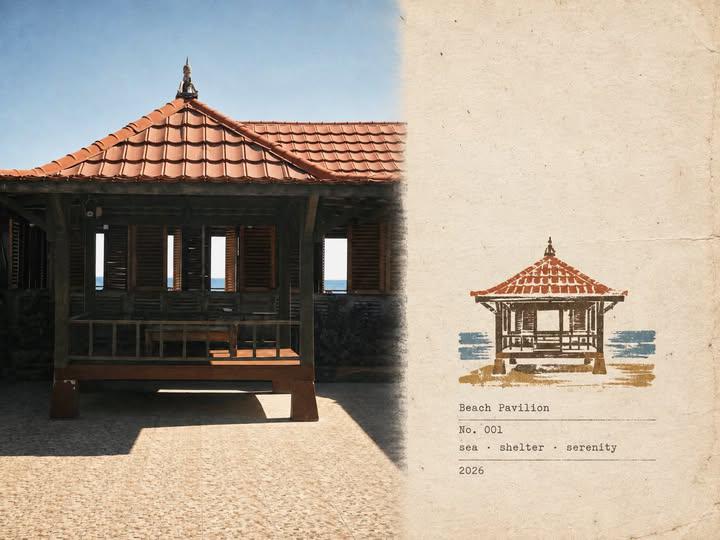
Timbro intagliato come nota di campo accanto a una foto di viaggio
Una foto di viaggio occupa la parte sinistra, mentre a destra un timbro in gomma intagliato a mano, con i contorni più riconoscibili, viene premuto su carta calda e invecchiata. Le ampie zone di carta bianca e l'inchiostro leggermente fuori registro gli danno il sapore di un diario di viaggio.

- Modello
- GPT Image 2
- Tipo
- 2 immagini
- Proporzioni
- 4:3
- Condiviso
- 30 ago 2026
- Mi piace su X
- 78
Inserisci qui la data
Prompt per immagini
4,885 caratteriPlease create a separate "Rubber Stamp Travel Field Notes Poster" for each photo I upload, outputting each photo individually without collage or multi-image combinations. Overall, use a 4:3 landscape composition, dividing the frame into left and right regions, but without drawing an obvious dividing line. The left side takes up about 58% of the frame, faithfully preserving the original photo. Accurately maintain the main subject identity, terrain, architecture, plants, people, spatial relationships, natural lighting and shadows, authentic textures, and the original color atmosphere; apply only restrained art publication-level photo color grading, and add extremely subtle, fine-grained film noise. For layout adaptation, natural cropping is allowed, but do not stretch, distort, shift, replace, or redraw the main subject. The right side takes up about 42% of the frame, using a warm off-white aged paper as the background. The paper features subtle fibers, natural grain, light usage marks, and a matte texture, while preserving large areas of unprinted paper whitespace, making the blank space an essential part of the layout. Analyze the original photo and extract the most location-distinctive subject outlines, architectural structures, terrain contours, plant forms, roads, shorelines, or other key visual relationships, compressing them into a small multi-color rubber stamp image. Do not replicate every single element from the photo item by item. Retain only the minimal information necessary to instantly recognize the original location, subject, and scene relationships. Remove crowds, vehicles, dense windows, repetitive buildings, fragmented vegetation, decorative elements, and irrelevant backgrounds. The stamp is positioned in the lower-middle of the right-side paper area, occupying only about 30%–38% of the right region's height, with ample whitespace preserved around it. The stamp must not be enlarged into a standard illustration, full landscape painting, or brand logo. Determine the stamp's organization based on the original photo's composition: * Iconic architecture: Retain the most distinctive outer contours, roofs, domes, arches, towers, or main structures. * Mountain settlements: Compress buildings into a few terraced color blocks aligned along the terrain. * Coastal scenery: Retain mountain contours, settlement layers, shorelines, and sparse intermittent water ripples. * City panoramas: Retain the main skyline, one iconic building, and one or two layers of distant mountains. * Natural landscapes: Retain primary mountain forms, trees, shorelines, or road orientations. * Foreground occlusions: If narratively important in the original photo, retain as foreground stamp outlines. Extract 2–4 spot inks from the original photo. Prioritize desaturated colors like carbon black, deep green, brick red, ochre yellow, slate blue, or taupe brown, but do not force a fixed palette. Preserve the most distinctive color character from the original photo, allowing only a small area of color for visual emphasis. Render each color as a separately hand-stamped effect: Authentic rubber stamp carving texture, hand-engraved marks, uneven line widths, contour notches, fractured edges, dry ink shortages, paper show-through, granular ink, uneven pressure, partial ghosting, and about 1–2 mm of subtle misregistration. Allow natural misalignment between color layers; edges must not be digitally smoothed. The print should resemble a real carved stamp pressed onto aged paper, not a filtered photo, smooth vector illustration, or line-art logo. Generate text based on the photo's location, theme, and visual imagery: Location English name No. Number Three short English keywords Gregorian calendar year Place the text below or adjacent to the stamp in the whitespace, using a small, restrained, slightly mechanically imperfect typewriter font. The typography should evoke a traveler's field record, not an ad headline. Ensure all text is spelled accurately, without adding irrelevant slogans, brands, or decorative copy. The overall vibe is like field notes kept by an architect, travel writer, or natural observer: quiet, restrained, tactilely real, regionally specific, with handmade imperfections and a collectible feel. The photo handles the on-site record; the stamp captures the most recognizable fragments of memory. The date should display the date I enter: [enter your date here] Avoid: Obvious central dividing lines, circular seals, Chinese red stamps, postage stamp perforations, wax seals, sticker collages, tourist souvenir templates, smooth vector logos, generic city icons, full replication of all architecture, dense detailing, childlike craftiness, cartoon style, 3D rendering, plastic textures, glossy digital gradients, oversaturation, excessive text, decorative clutter, and redrawing or altering the left-side original photo.
Come usarlo
Carica una foto per ogni esecuzione, perché il prompt chiede che ogni immagine venga generata separatamente. Il prompt si basa sulla registrazione sul posto della foto, quindi mantieni la riga della data e la descrizione del luogo nel blocco di testo, perché ancorano la nota di campo. È stato condiviso come prompt per GPT Image 2 e il segnaposto della data va sostituito con la tua data prima di avviare la generazione.
Condiviso pubblicamente su X il 30 ago 2026. Tutto il merito di questo prompt e del suo risultato va al creatore. È tuo? Chiedi un aggiornamento o la rimozione.