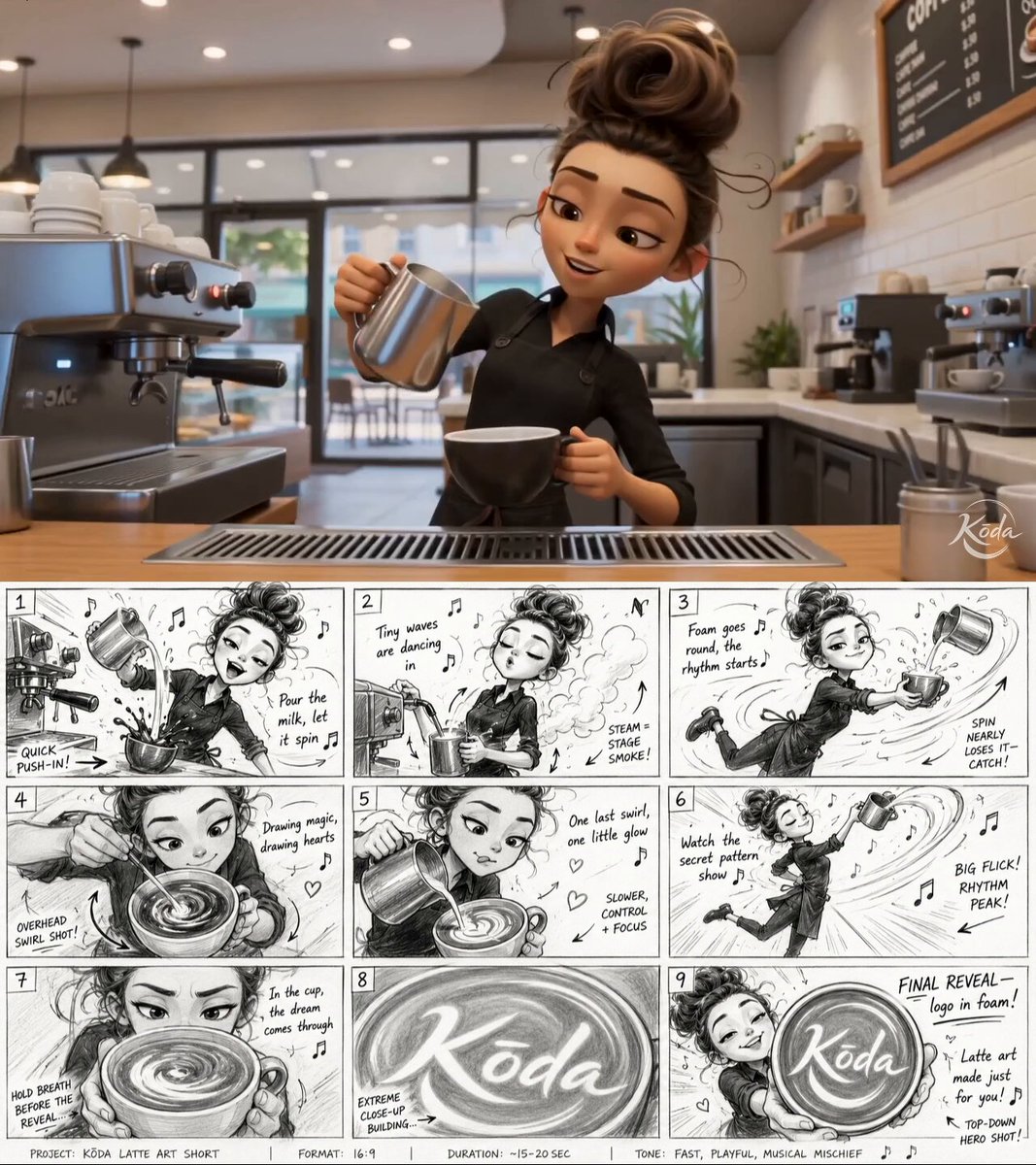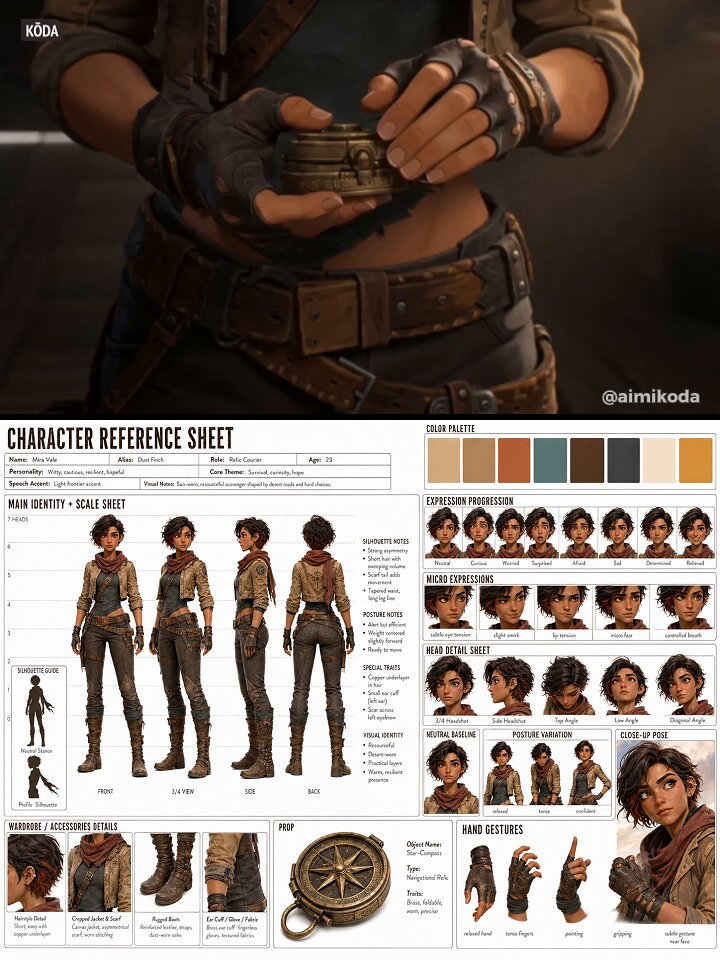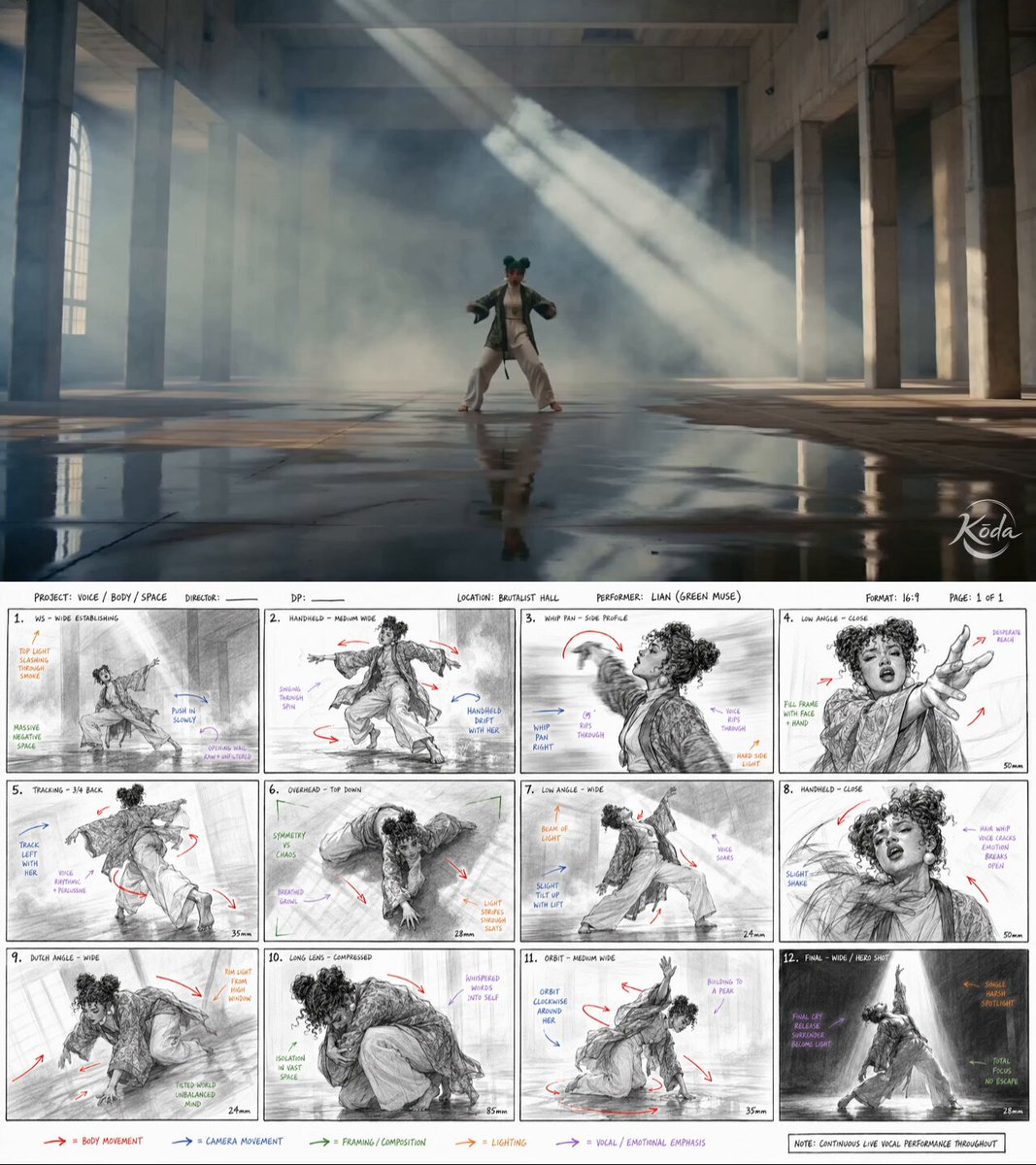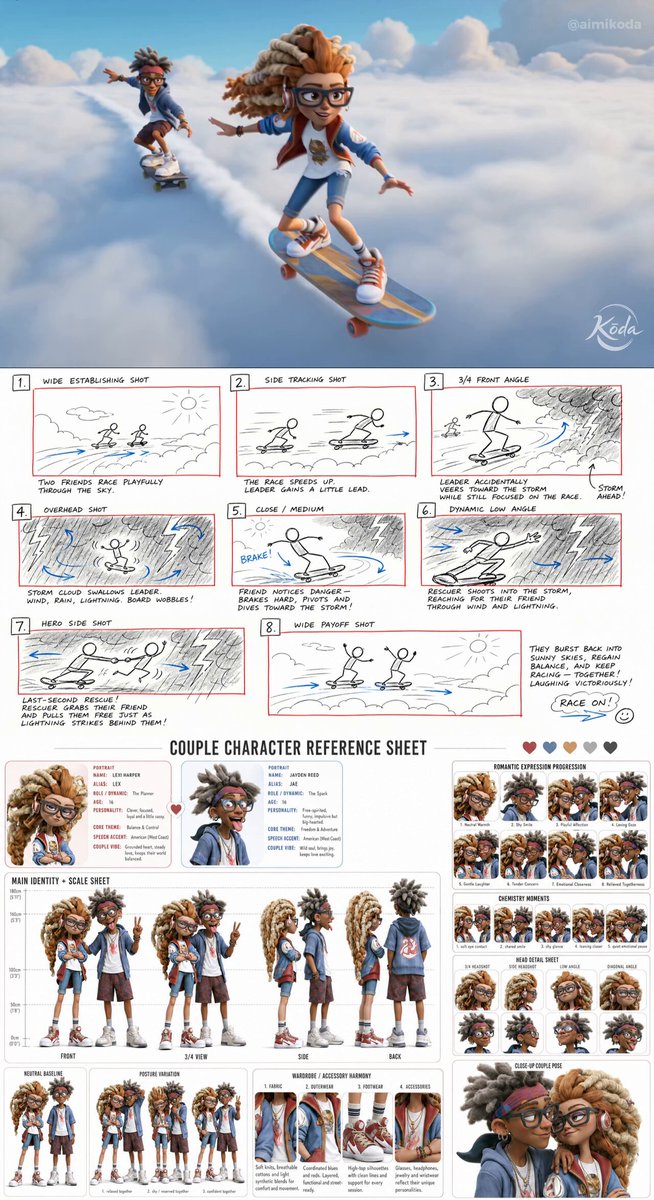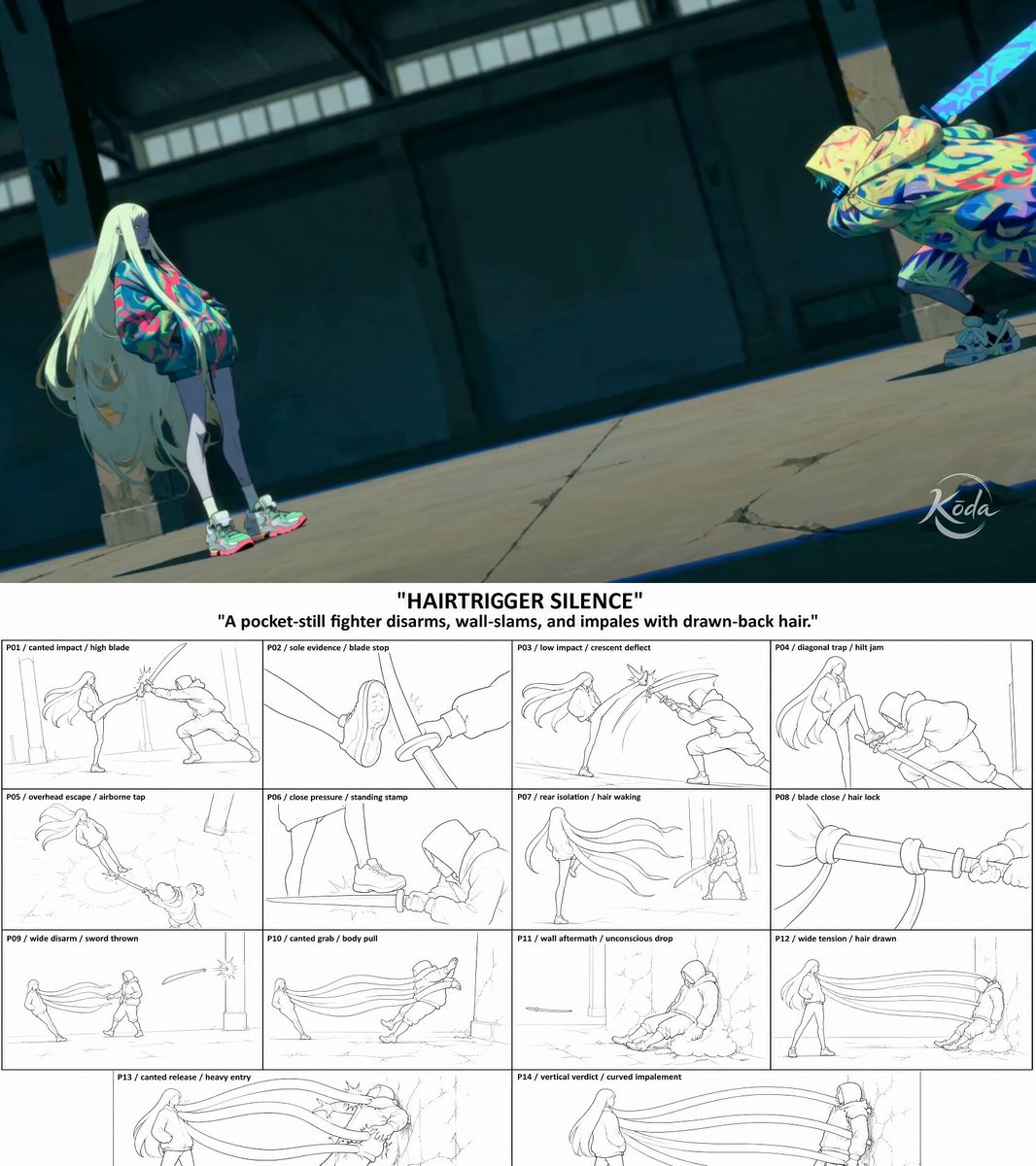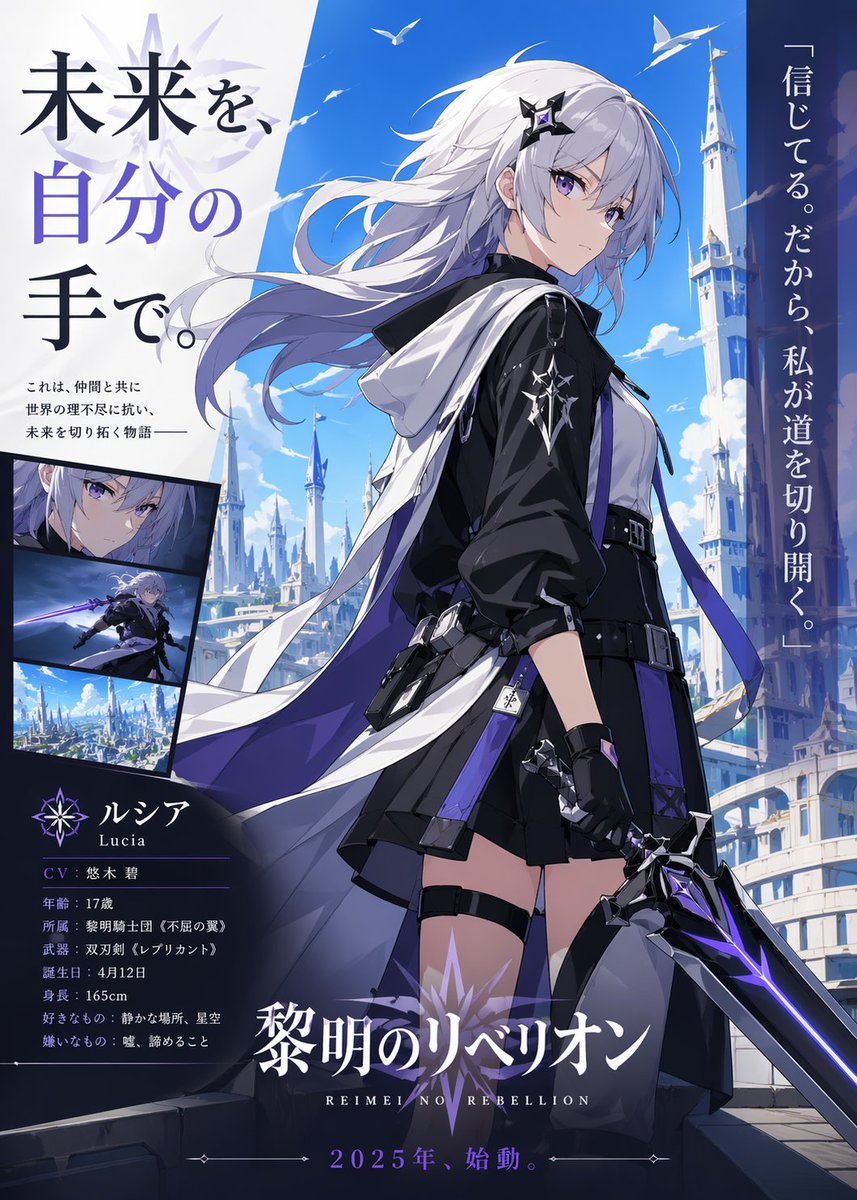
Prompt d'image Illustration et personnages Personnalisables
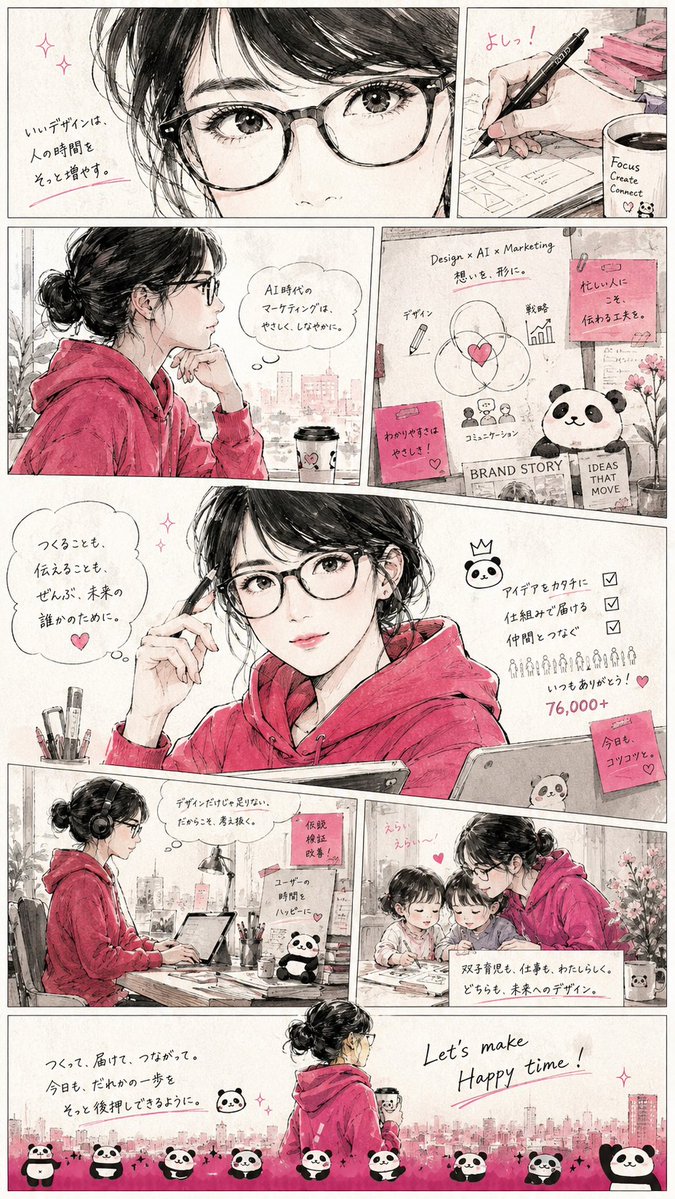
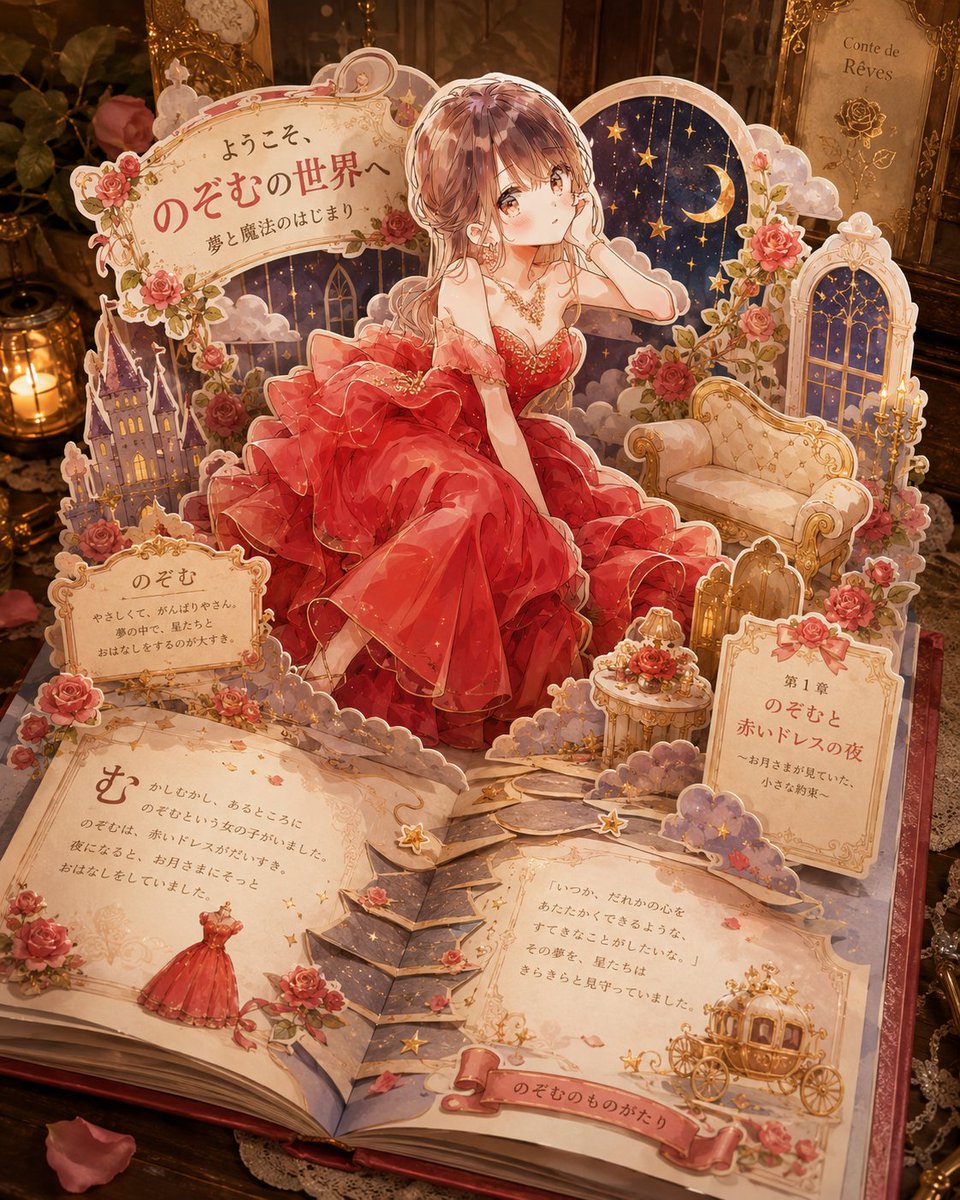
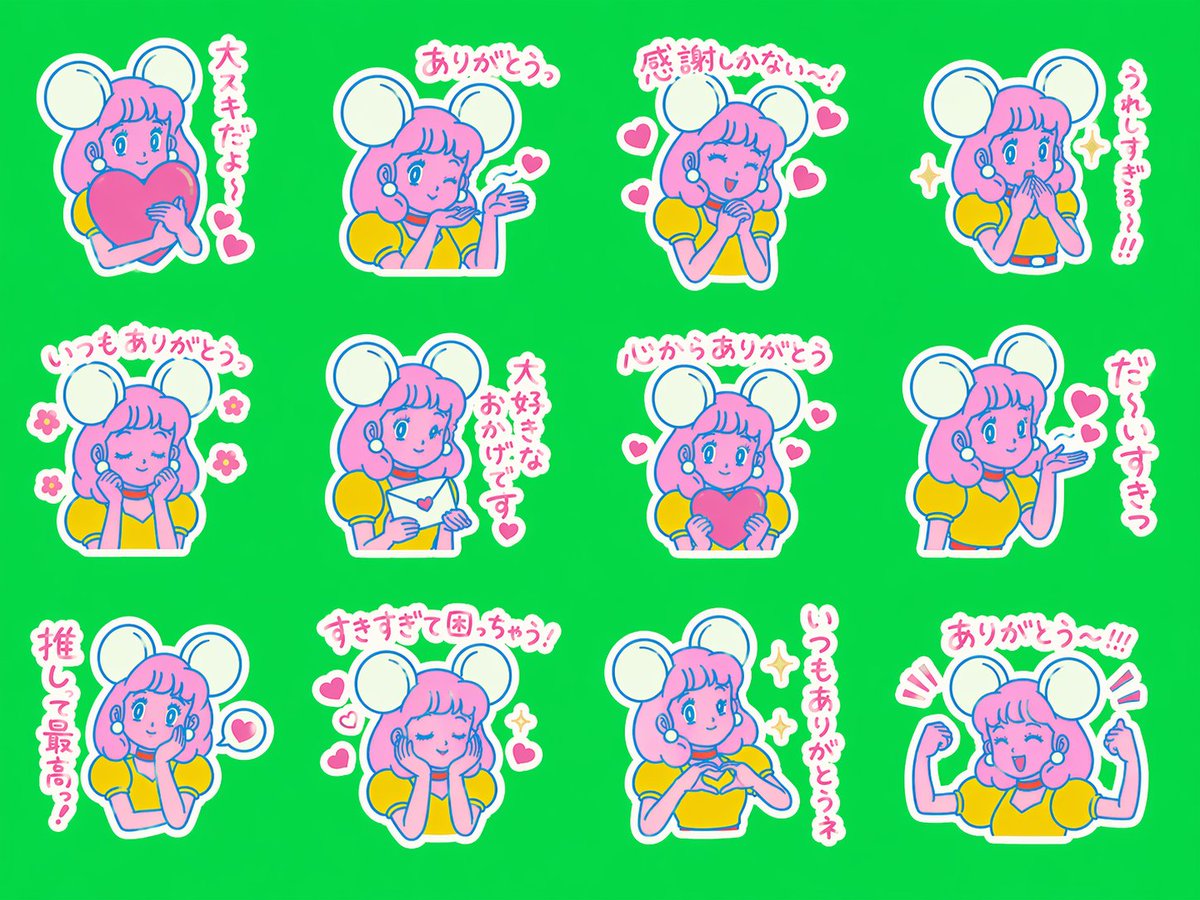
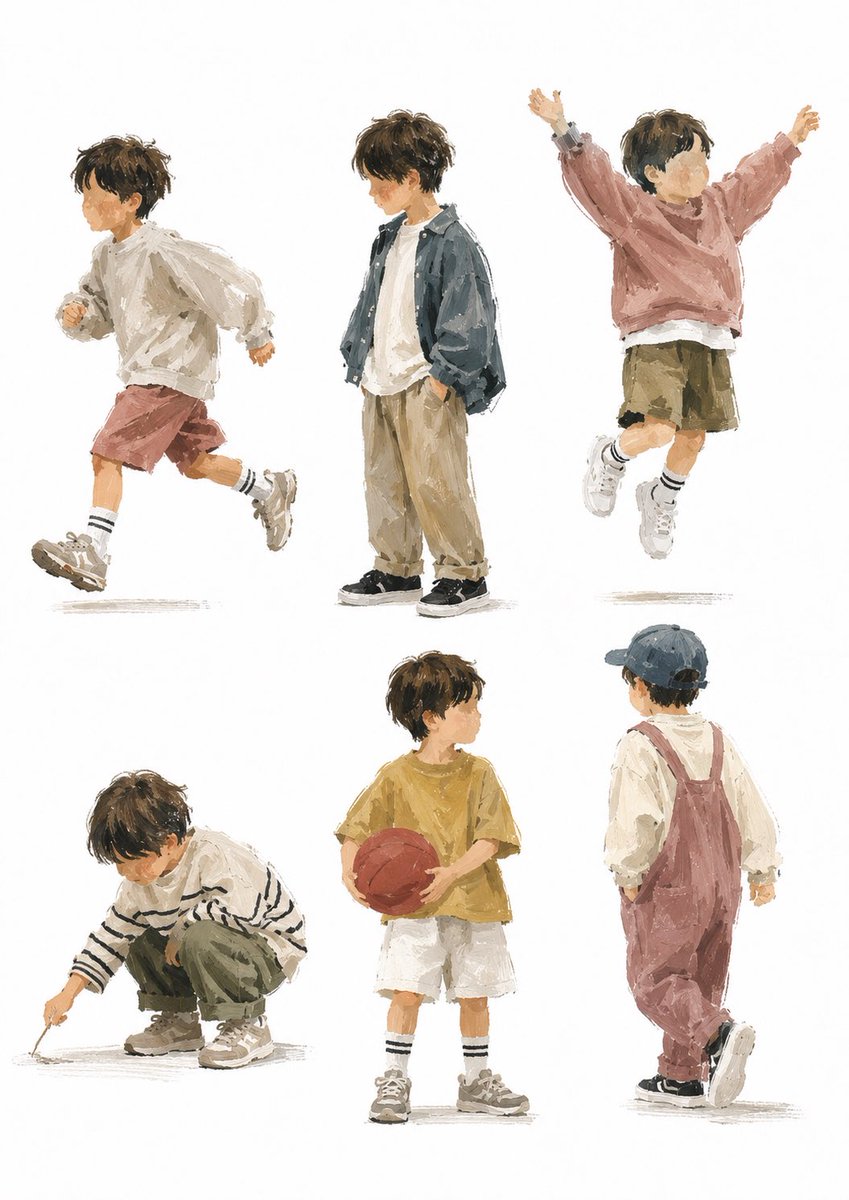
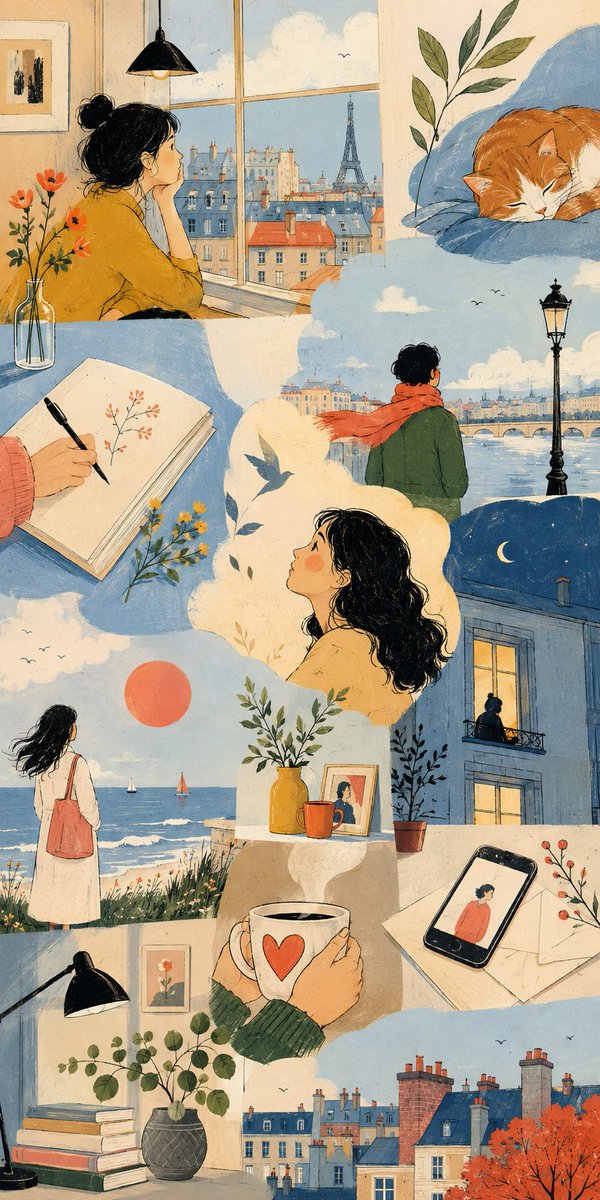
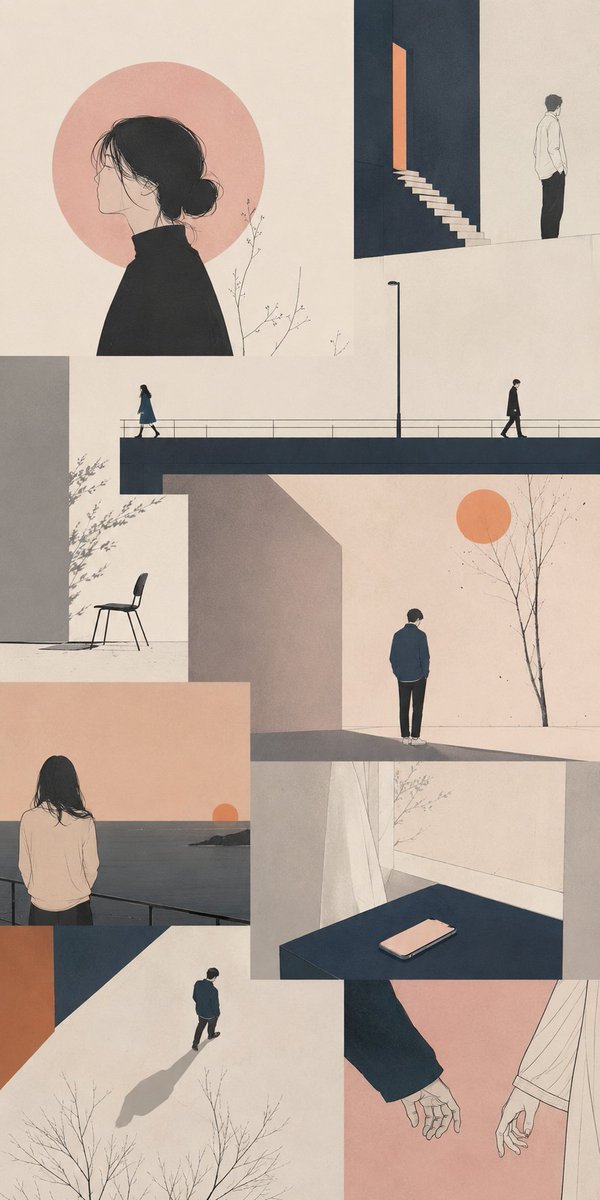
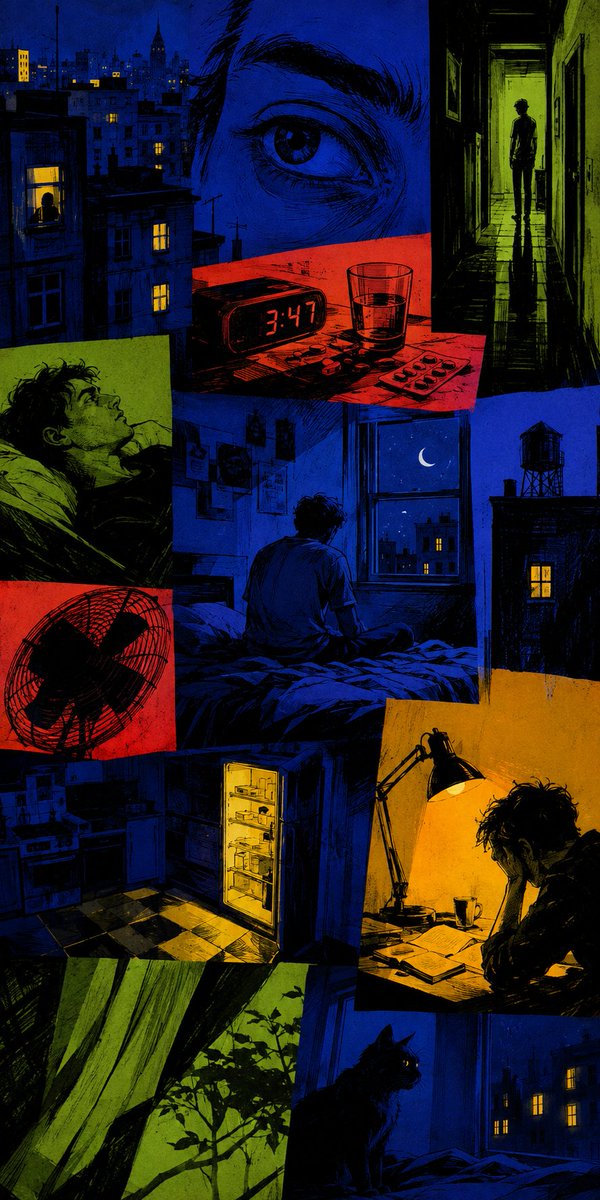
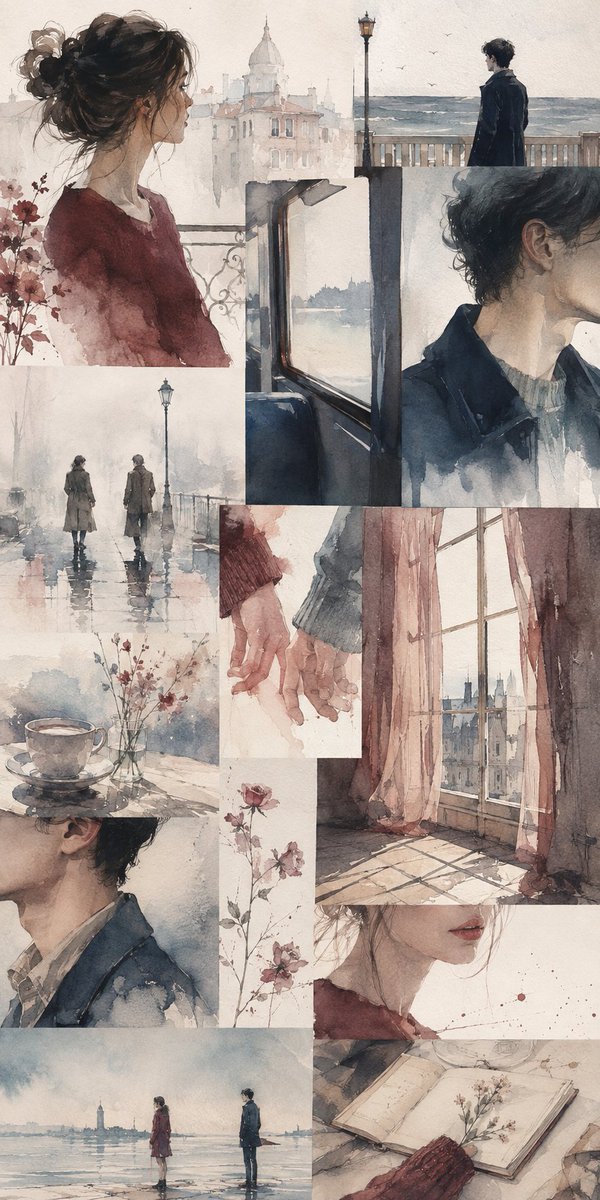
Illustration de modèle de collage éditorial multi-scènes
Une double page éditoriale haute et irrégulière, construite à partir de plusieurs scènes distinctes qui découlent toutes d'un même thème. Les scènes diffèrent par l'échelle, le cadrage et le point de vue, si bien que la page se lit comme un reportage de magazine d'art plutôt que comme une bande dessinée.

- Modèle
- GPT Image 2
- Type
- 4 images
- Format d'image
- 1:2
- Partagé
- 24 août 2026
- J'aime sur X
- 45
ThèmeStyle artistiquePalette de couleurs
Prompt d'image
5,178 caractèresTHEME = enter theme STYLE = enter the style you want PALETTE = enter the color palette ASPECT RATIO = enter the aspect ratio you want DO: Create an artistic multi-scene collage built entirely around THEME. Derive subjects, environments, objects, characters and visual events naturally from THEME. Derive the emotional tone, atmosphere and energy naturally from THEME. Use people, animals, objects, landscapes, architecture, abstract forms or any combination of them when they meaningfully support THEME. Treat each scene as a distinct emotional or conceptual fragment from the same world. Build the composition like an expressive editorial art spread rather than a storyboard or regular panel grid. Freely vary the number, scale, proportions and placement of scenes. Combine large dominant images with narrow vertical fragments, wide horizontal crops, small detail scenes and partially cropped compositions. Stagger scene edges and shift their alignments to create an irregular visual rhythm. Let some scenes extend fully to the canvas edge while others terminate against neighboring imagery. Use occasional L-shaped, stepped or offset arrangements created naturally by neighboring scene proportions. Avoid repeating the same rectangle size or alignment across the composition. Keep scenes visually separate without visible frames or empty gaps between them. Let neighboring scenes meet through irregular crop relationships while keeping their environments independent. Do not blend separate locations into one continuous environment. Keep the main subjects of each scene visually contained within that scene. Use architecture, large color fields and negative space to shape the overall composition. Connect neighboring scenes through color relationships, visual rhythm and thematic echoes rather than physically merging their content. Choose environments and situations specifically suited to THEME. Include occasional intimate fragments such as hands, objects, windows, silhouettes, architectural details or empty spaces when they strengthen THEME. Give each scene a different visual scale, point of view and conceptual focus. Use expressive lighting, shape, perspective and negative space according to STYLE. Vary the emphasis of PALETTE from scene to scene while preserving overall harmony. Maintain consistency whenever subjects, characters, objects or locations recur. Keep the final composition visually clean, sophisticated and intentionally irregular. CAMERA: varied editorial framing, environmental wides, cropped medium views, isolated details, unusual negative-space compositions, overhead fragments and off-center perspectives chosen according to THEME RULES: Use STYLE as the authority for medium, linework, texture, shading, shape design and overall rendering language. Use PALETTE as the dominant color system across the image. Let THEME determine subjects, setting, mood, symbolism and visual narrative. Every scene must explore a different facet of THEME. The composition must feel assembled, layered and rhythmically irregular rather than divided into uniform boxes. Keep individual scenes independently readable while allowing their shapes and proportions to interact compositionally. Use asymmetry, scale contrast, staggered alignment and varied cropping to create the collage structure. Do not use visible panel outlines. Render every surface freshly, with continuous natural texture flow. Keep grain fine, stochastic, and evenly distributed across the frame. Give each repeated element its own unique micro-variation. Keep flat areas smooth with clean, unbroken tonal gradients. Resolve fine detail crisply at native resolution, as a first-generation render. NO: rigid grid, equal-sized panels, repeated rectangular boxes, visible panel borders, white gutters, margins, outer padding, blended environments, fused scenes, characters spanning multiple scenes, conventional comic-page layout, speech bubbles, captions, text, logos, watermarks --- Example values: THEME = thinking of you STYLE = clean hand-drawn editorial illustration, playful naïve urban sketching, flat matte colors, loose imperfect ink contours, contemporary picture-book sophistication PALETTE = powder blue, warm cream, coral pink, burnt orange, mustard, leafy green, brick red, black accents ASPECT RATIO = 1:2 THEME = we don't talk anymore STYLE = minimalist contemporary editorial illustration, precise thin linework, large empty spaces, abstract architectural geometry, restrained flat color PALETTE = off-white, charcoal, muted navy, faded orange, dusty pink ASPECT RATIO = 1:2 THEME = sleepless night STYLE = expressive retro graphic novel illustration, loose ink drawing, flat saturated color fields, exaggerated perspective, dramatic blocks of light PALETTE = ultramarine blue, acid green, hot red, amber yellow, black ASPECT RATIO = 1:2 THEME = almost lovers STYLE = delicate watercolor editorial illustration, sparse pencil linework, translucent color washes, soft imperfect edges, elegant negative space PALETTE = dusty rose, faded blue, ivory, muted burgundy, soft gray ASPECT RATIO = 1:2
Comment l'utiliser
Remplacez les champs de thème et de style entre crochets par vos propres mots, et conservez l'indication de scènes séparées et de bordures de cases invisibles afin que la mise en page reste fragmentée. Gardez la liste de palette comme système de couleurs commun, car c'est elle qui relie les scènes entre elles. Ce prompt a été partagé pour GPT Image 2, et le format 1:2 convient à une affiche ou une couverture verticale.
Partagé publiquement sur X le 24 août 2026. Tout le mérite de ce prompt et de son résultat revient à son créateur. Ce prompt est le vôtre ? Demandez une mise à jour ou un retrait.