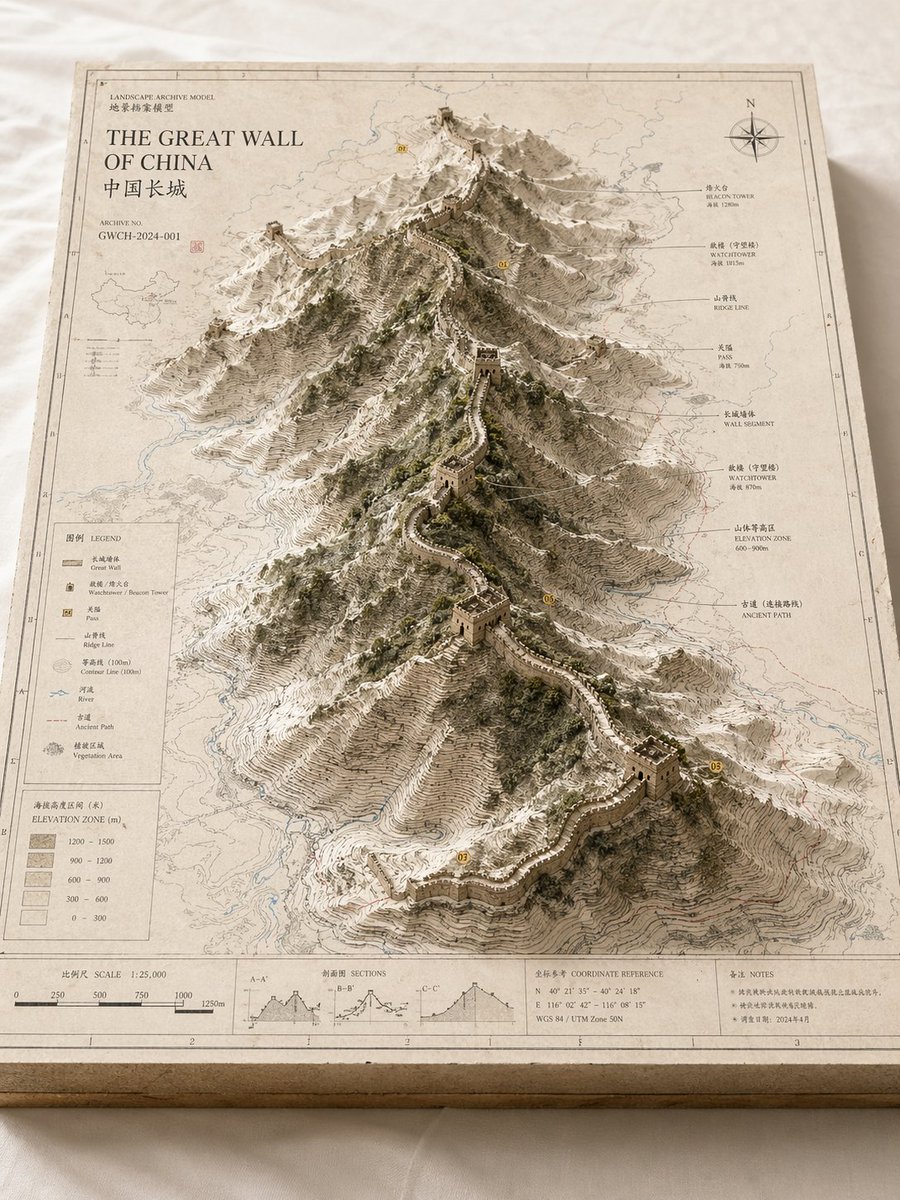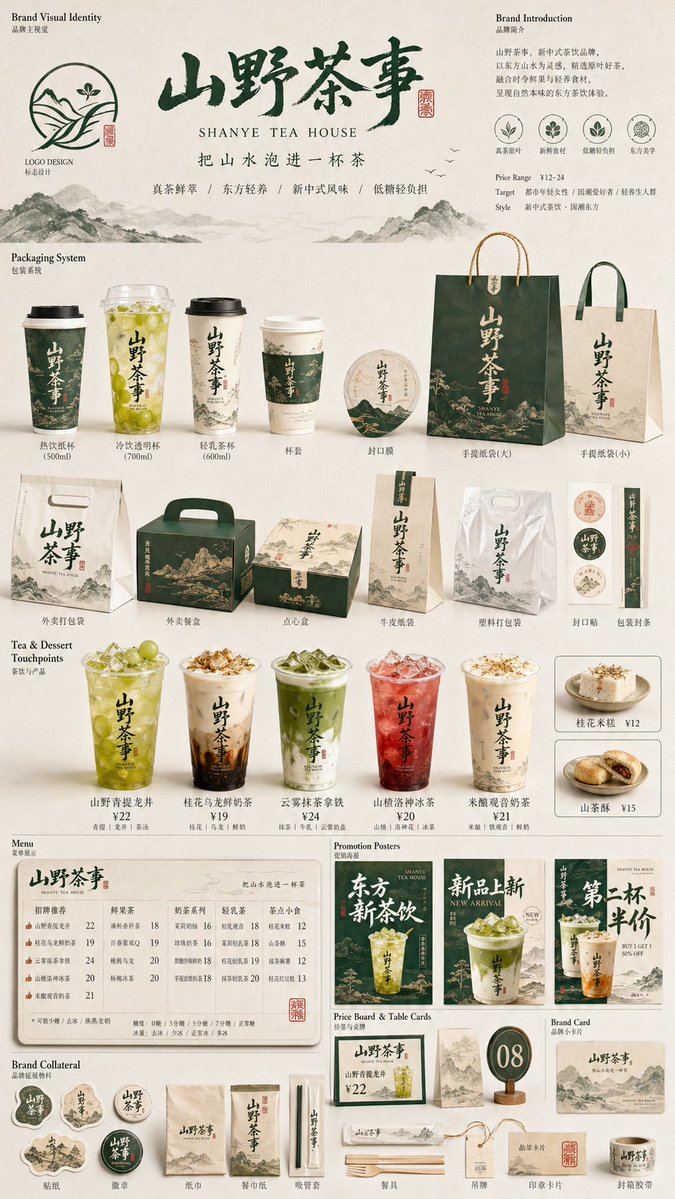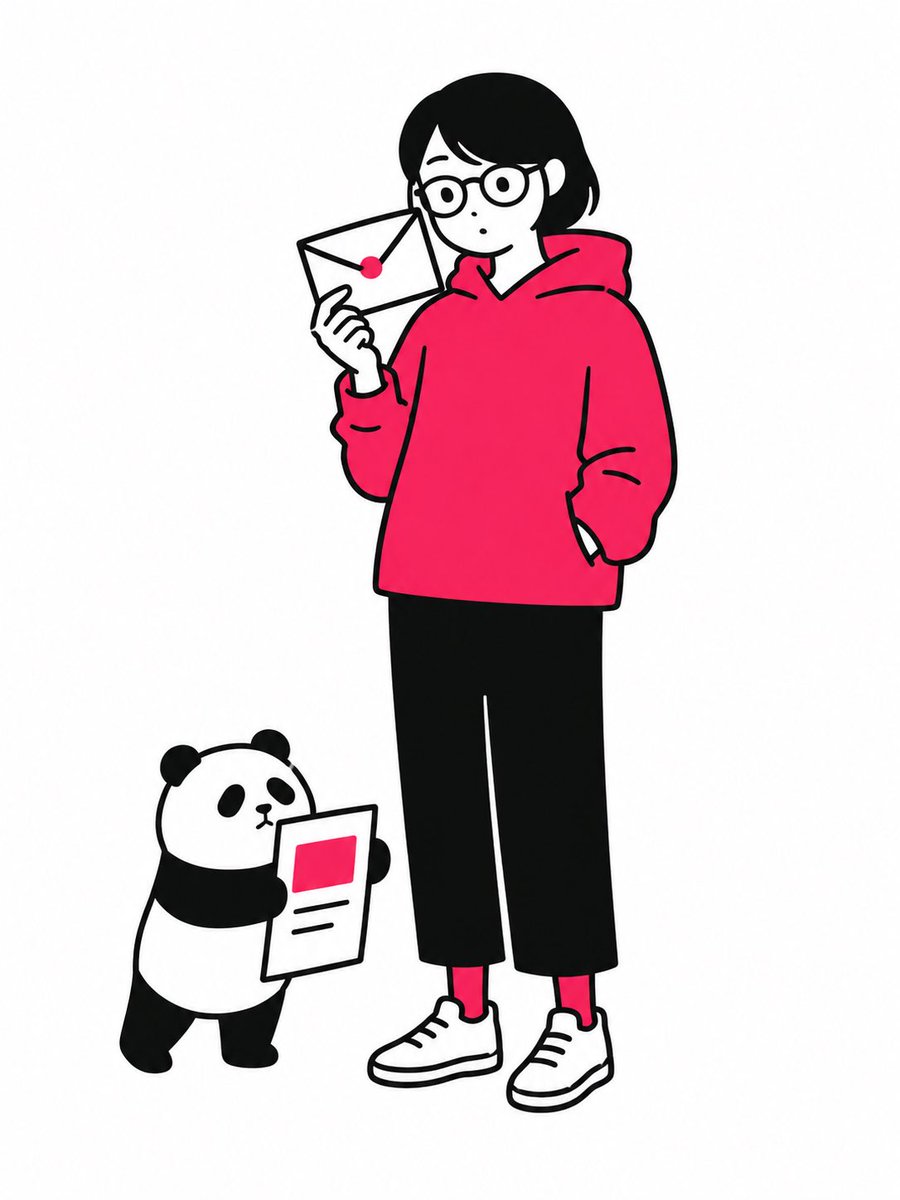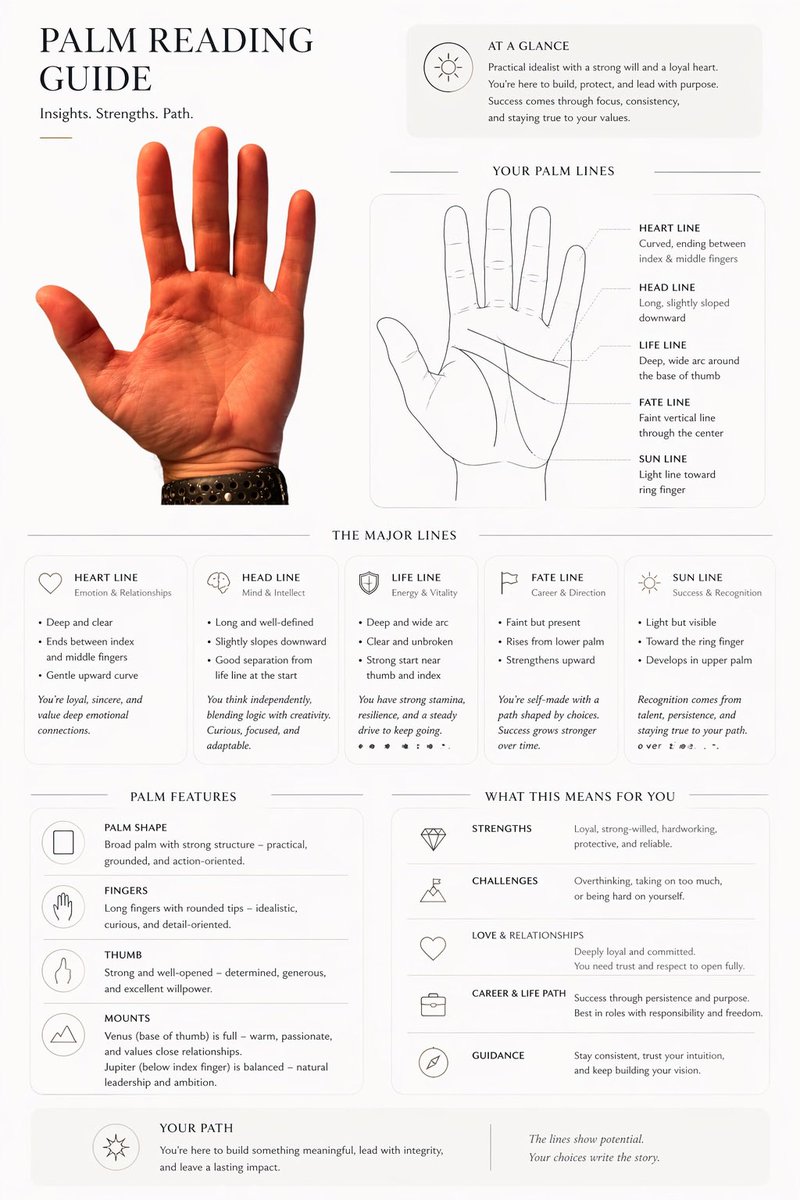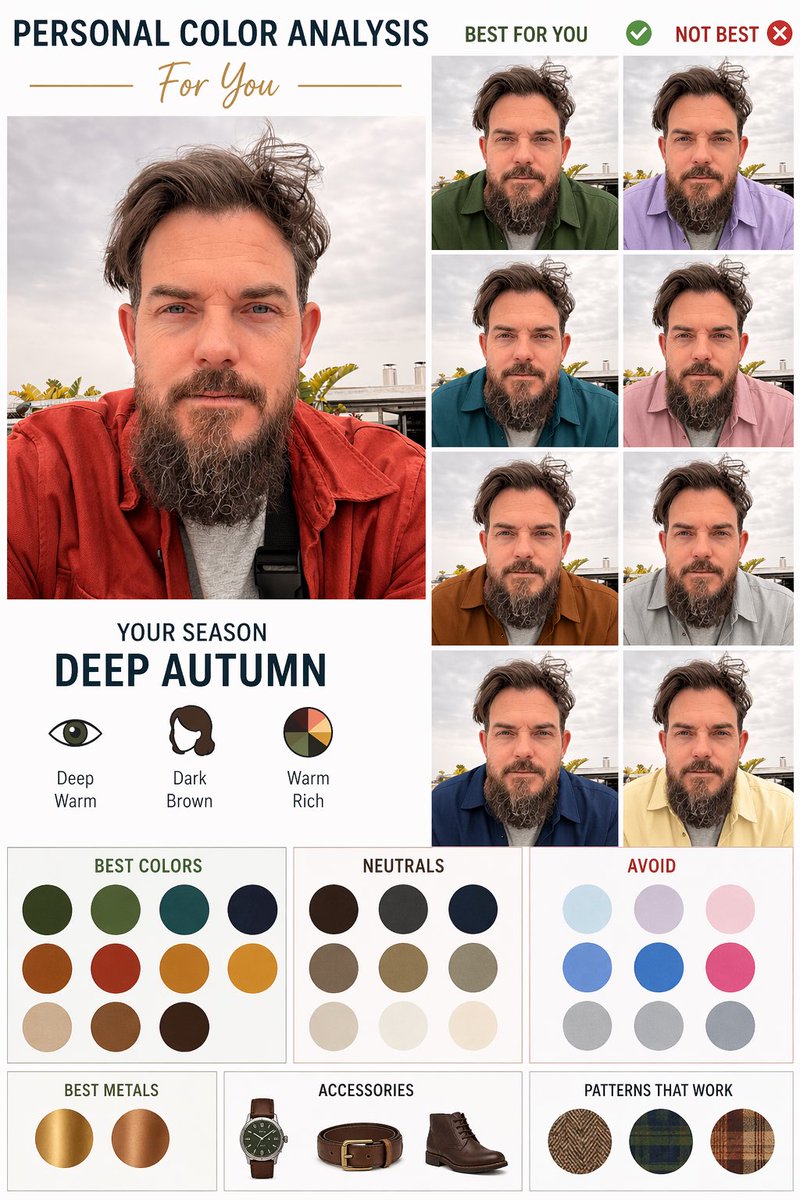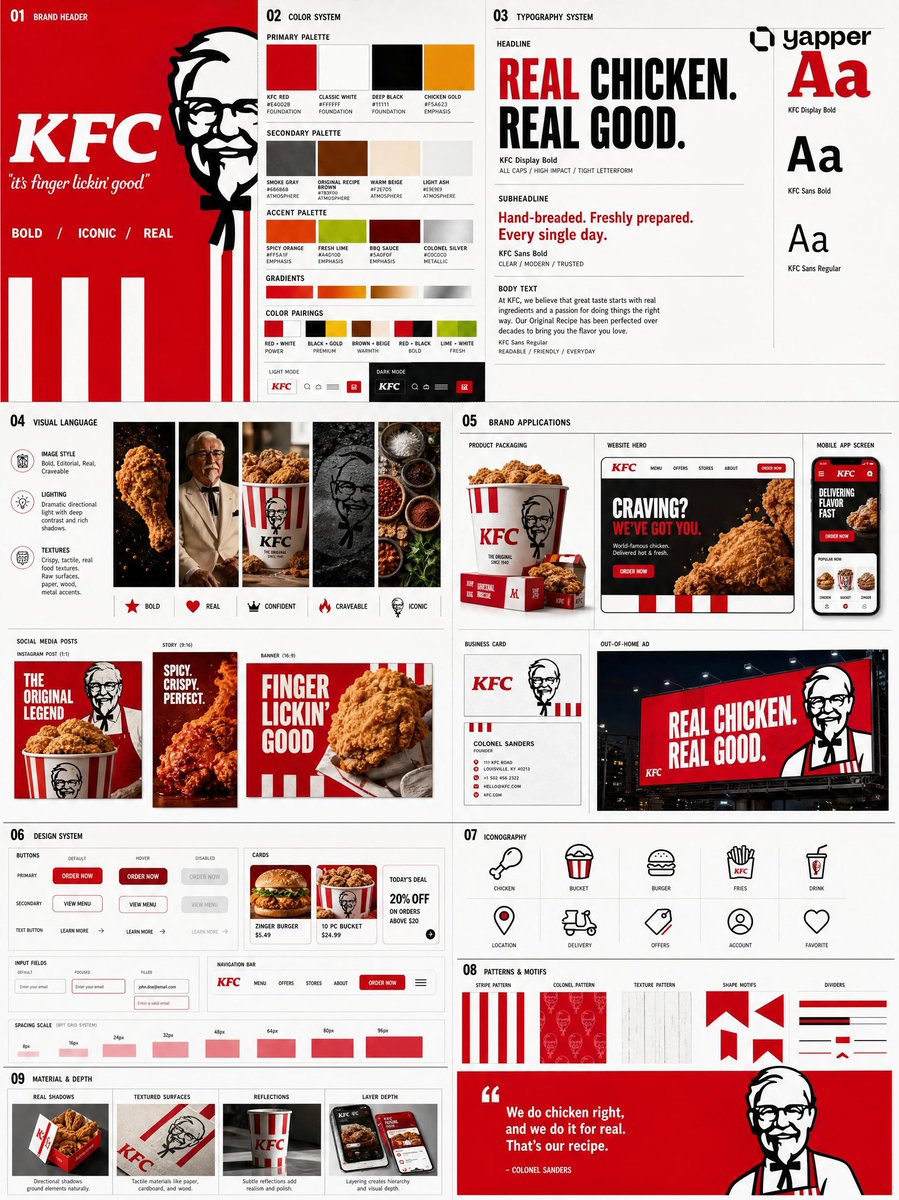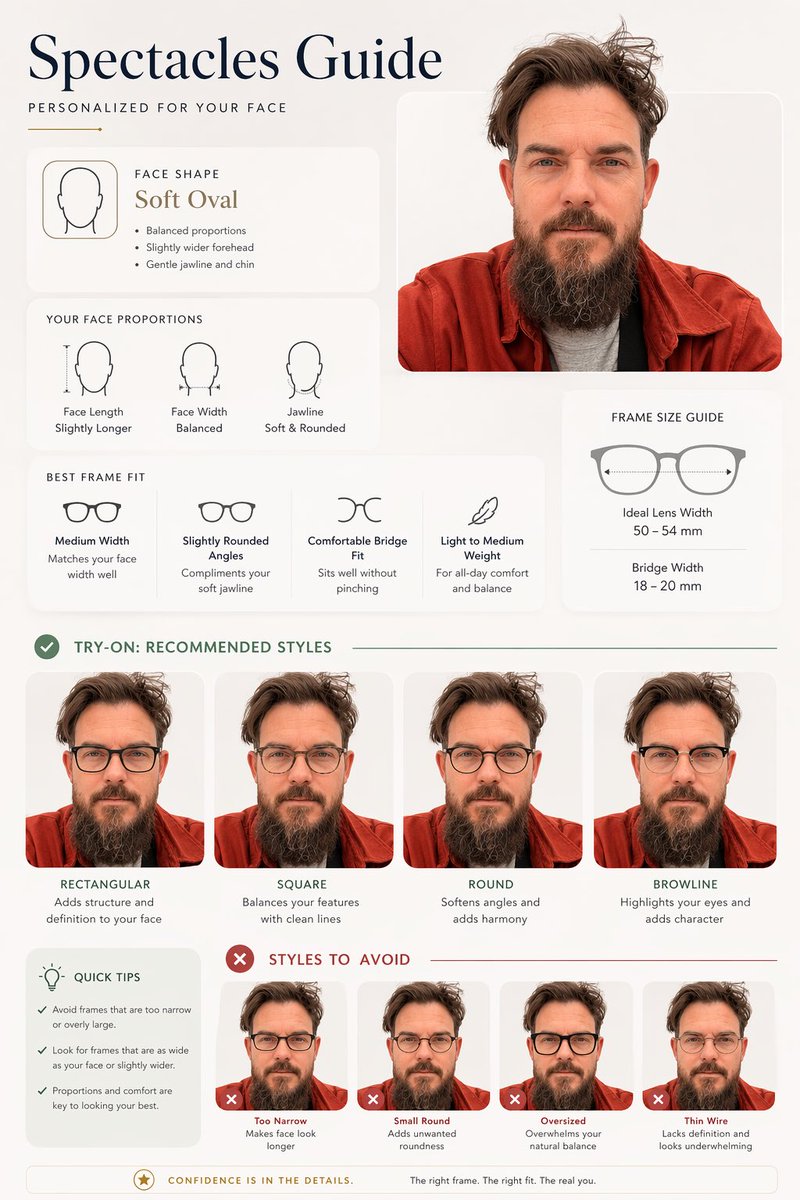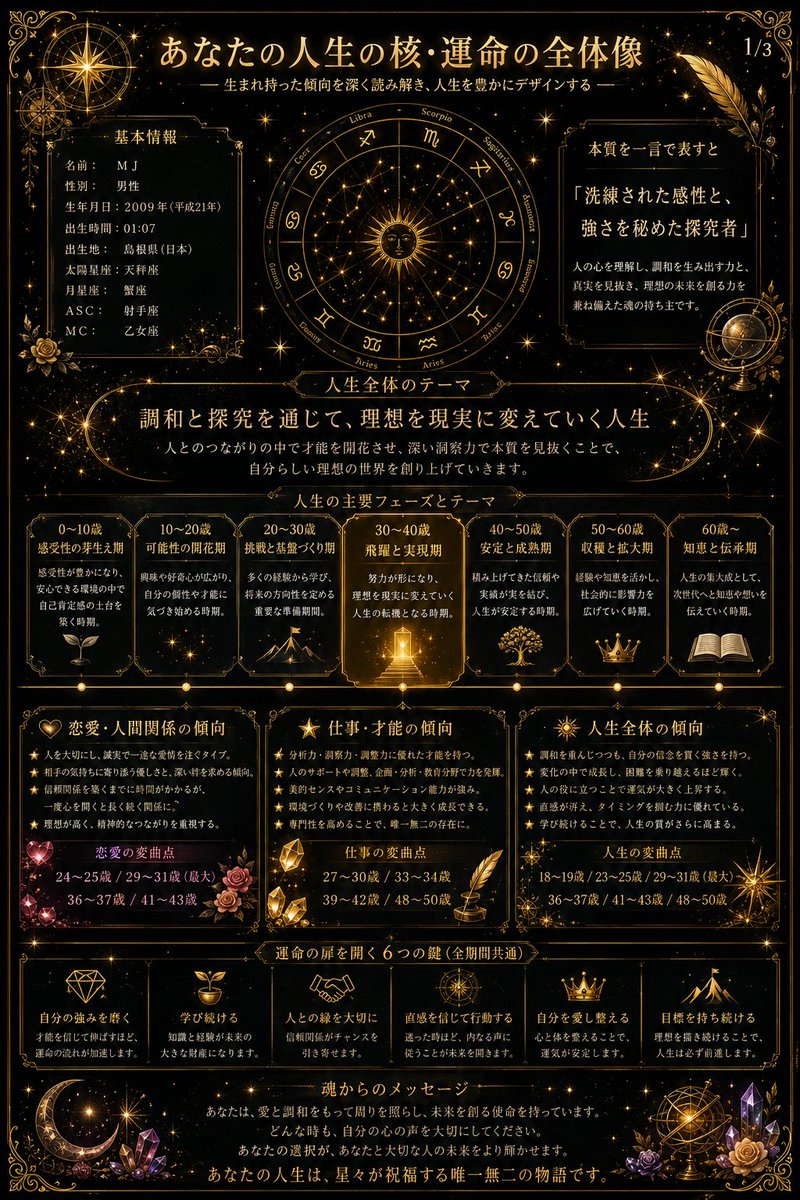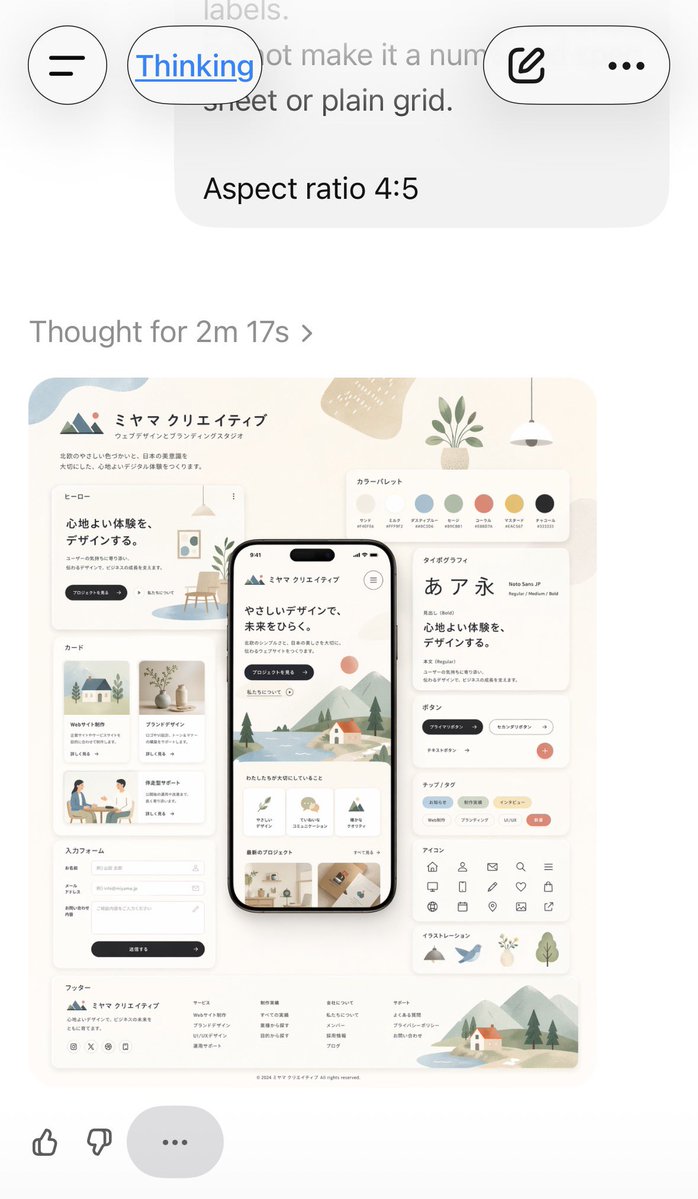
Prompt d'image Branding et UI Personnalisables
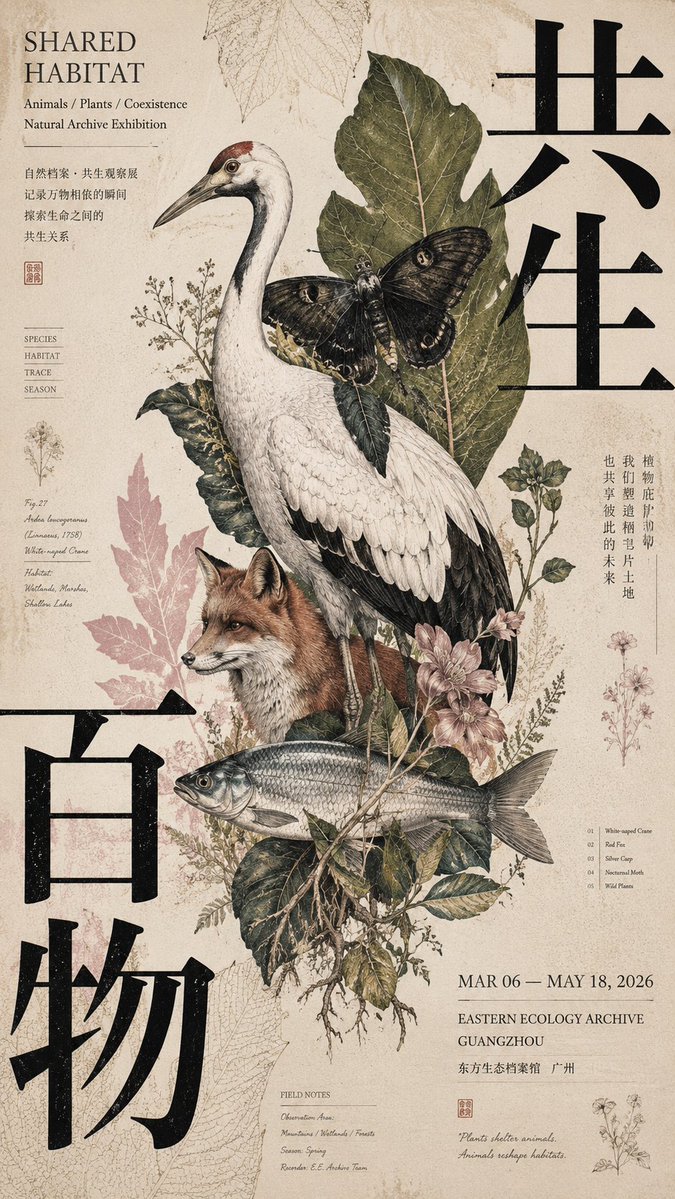
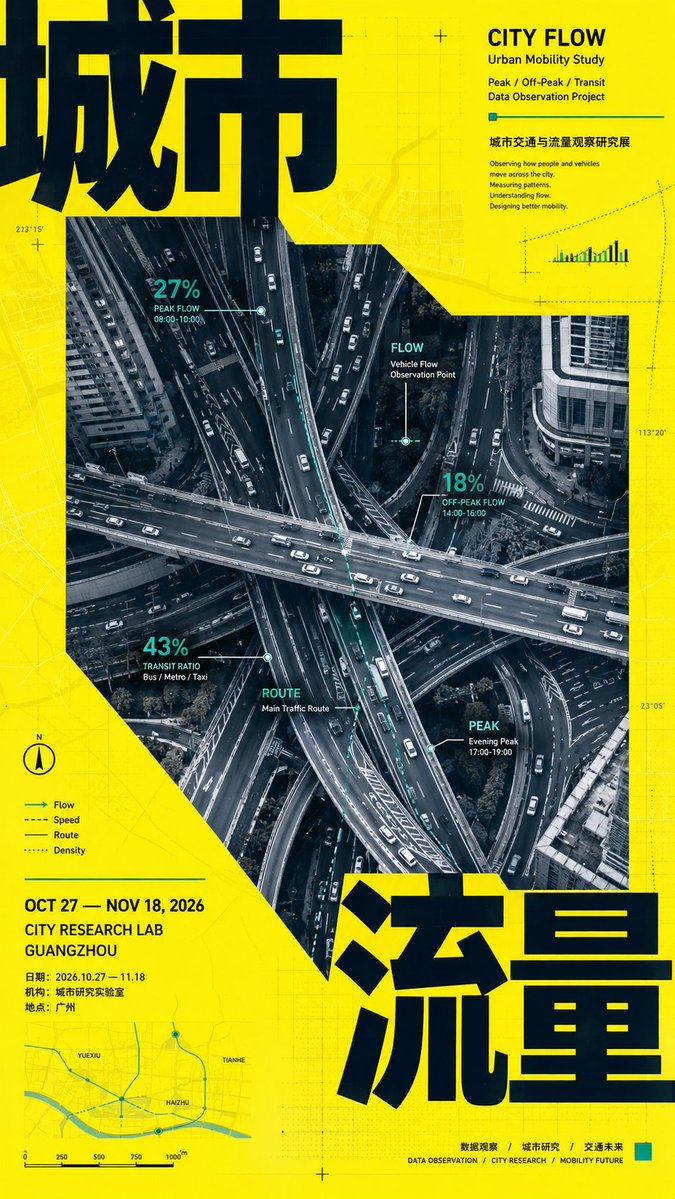
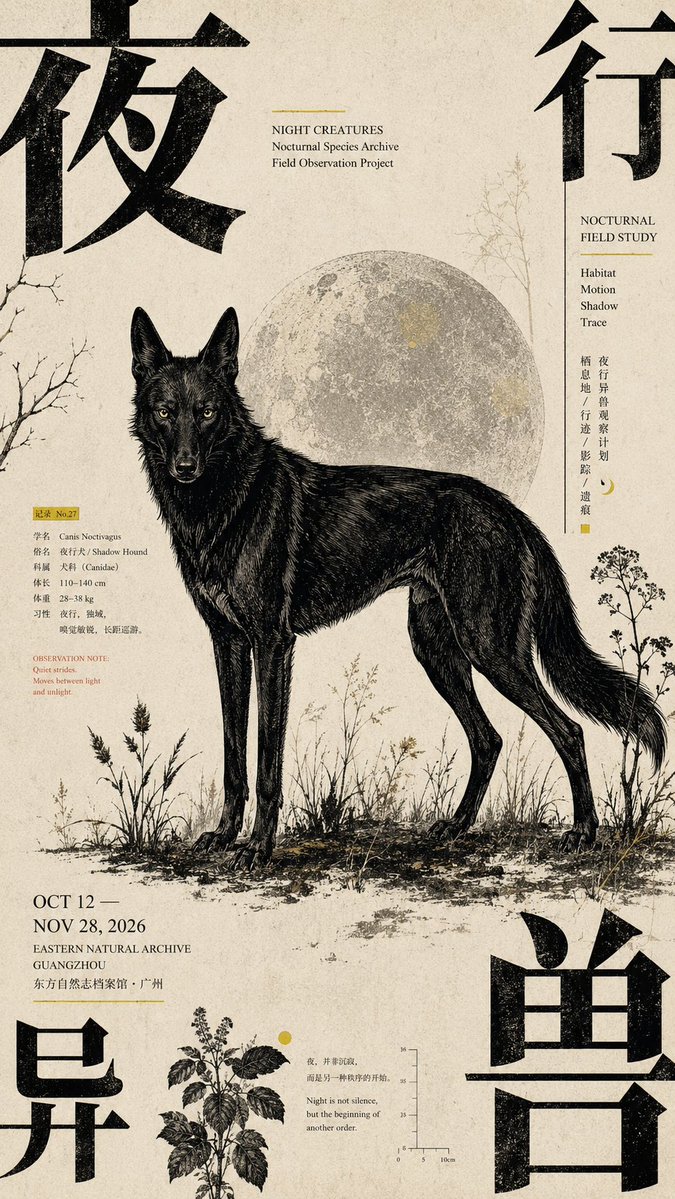
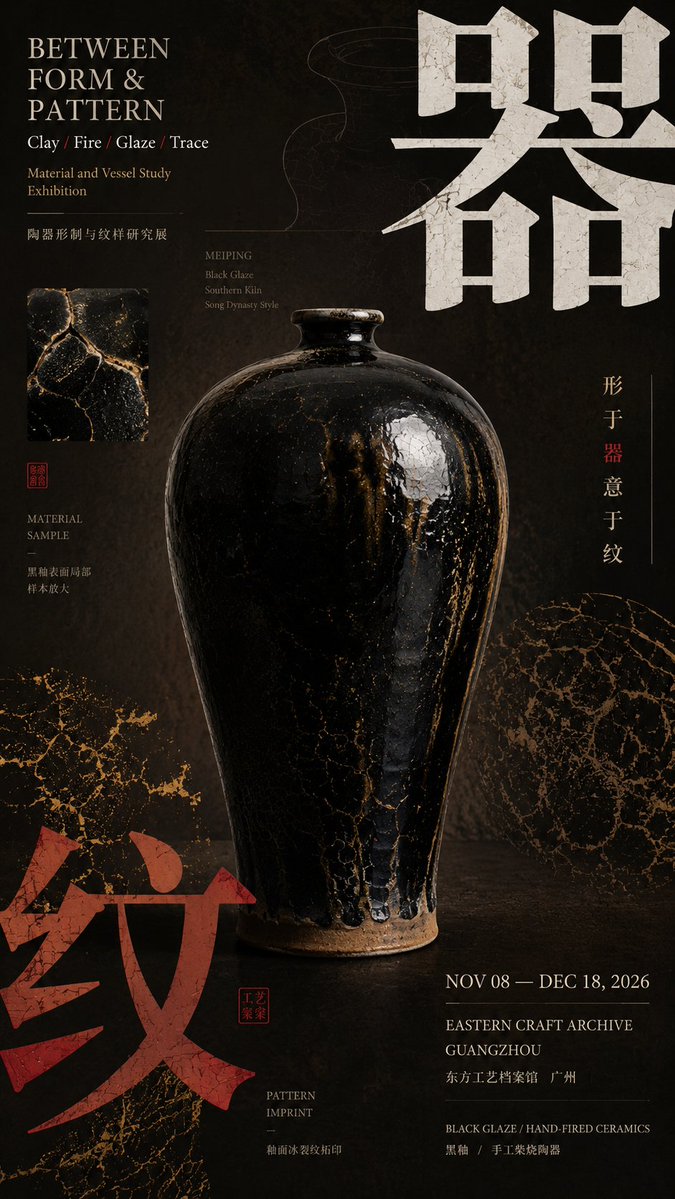
Mise en page d'affiche d'exposition culturelle à pression d'angles
Une affiche éditoriale verticale où une typographie surdimensionnée et des blocs de couleur compriment depuis les bords, maintenant en place un sujet central stable. La tension entre les angles chargés et le centre calme lui donne une allure imprimée, digne d'un catalogue d'exposition.

- Modèle
- GPT Image 2
- Type
- 4 images
- Format d'image
- 9:16
- Partagé
- 28 août 2026
- J'aime sur X
- 23
Sujet centralTitre principalTitre anglaisDate et institution
Prompt d'image
3,365 caractères【Theme】: ____ 【Chinese main title】: ____ 【English title】: ____ 【Central subject】: ____ 【Corner-pressure method】: four-corner text pressure / opposing two-corner pressure / three-corner encirclement + one-corner release / single-corner heavy pressure + diagonal response 【Corner elements】: large Chinese characters / color blocks / information zone / pattern 【Auxiliary motif】: ____ 【Main color】: ____ 【Accent color】: ____ 【Date / Institution】: ____ 【Ratio】: 9:16 Generate a "corner-pressure composition" poster with the mature air of a cultural exhibition and Editorial Graphic Design. The core is not simply placing text in the four corners, but using large typography, color blocks, information zones, or patterns at the edges of the frame to exert inward visual pressure, naturally "squeezing" the central subject out. The central subject stays complete, stable, and with clear visual weight; do not deliberately tilt or deform it to fit the composition. The subject carries about 40%–60% of the visual weight. Organize the layout according to the【corner-pressure method】: Four-corner text pressure: All four corners have visual elements, but there must be clear primary-secondary hierarchy; 1–2 corners carry the main weight and the rest are only auxiliary — do not make all four corners the same size. Opposing two-corner pressure: Choose two diagonal corners as the main pressure points, letting large titles or color blocks clamp the subject from two directions; the other two corners hold only small information. Three-corner encirclement + one-corner release: Three corners form a visual encirclement, and the fourth corner is deliberately kept lighter, giving the image room to breathe. Single-corner heavy pressure + diagonal response: One corner uses giant text or a strong color block to carry the main pressure; the opposite corner responds with smaller elements, and the central subject stays stable. The large Chinese title must genuinely participate in the composition — it may be partially cropped, set against the edge, and lightly overlap the subject, but stay clearly legible. The English title, date, institution, theme description, and other small text concentrate in 2–3 zones, forming a clear size hierarchy among the giant Chinese, mid-size title, and tiny information. The background cannot be entirely blank; add very faint patterns, archival information, structural diagrams, material textures, or caption remnants related to the theme, so the white space "has content" without stealing focus from the subject. The whole poster uses only one set of main auxiliary motif, which must have a real relationship with the theme; control colors to 3–5 main colors, with a clear chromatic stance for a single poster. Information density is medium-high, but the visual hierarchy is clear: at first glance, the subject and the corner-pressure relationship; at second glance, the large Chinese title; at third glance, the English, date, and auxiliary information. Each poster needs a complete theme and real content expression, without lots of meaningless placeholder words. Even with the small text removed, it should still be a valid visual work. Overall effect: cultural exhibition poster, magazine editorial design, a sense of mature printed publication, with pressure at the edges and focus at the center, rich but not chaotic.
Comment l'utiliser
Remplacez le thème, le titre principal en chinois, le titre anglais, le sujet central et l'institution par votre propre contenu, et conservez la méthode de pression par les angles ainsi que les blocs de couleur pour que la mise en page reste axée sur les bords. Elle a été partagée comme prompt GPT Image 2 : réglez le format 9:16 et utilisez un sujet central net, photographié ou illustré. Utilisez le résultat comme affiche ou couverture pour une exposition, un cycle de conférences ou un événement culturel.
Partagé publiquement sur X le 28 août 2026. Tout le mérite de ce prompt et de son résultat revient à son créateur. Ce prompt est le vôtre ? Demandez une mise à jour ou un retrait.