

Studio de prompts
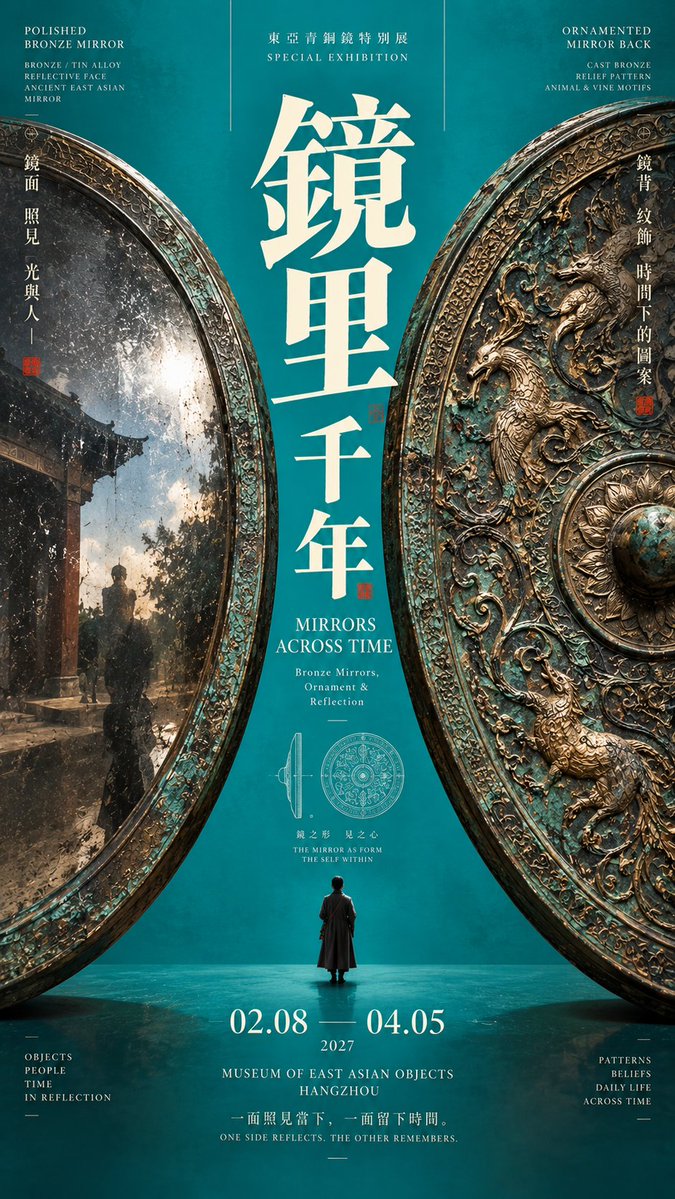
Personnalisez « Affiche à axe central avec sujets encadrants et titre audacieux »
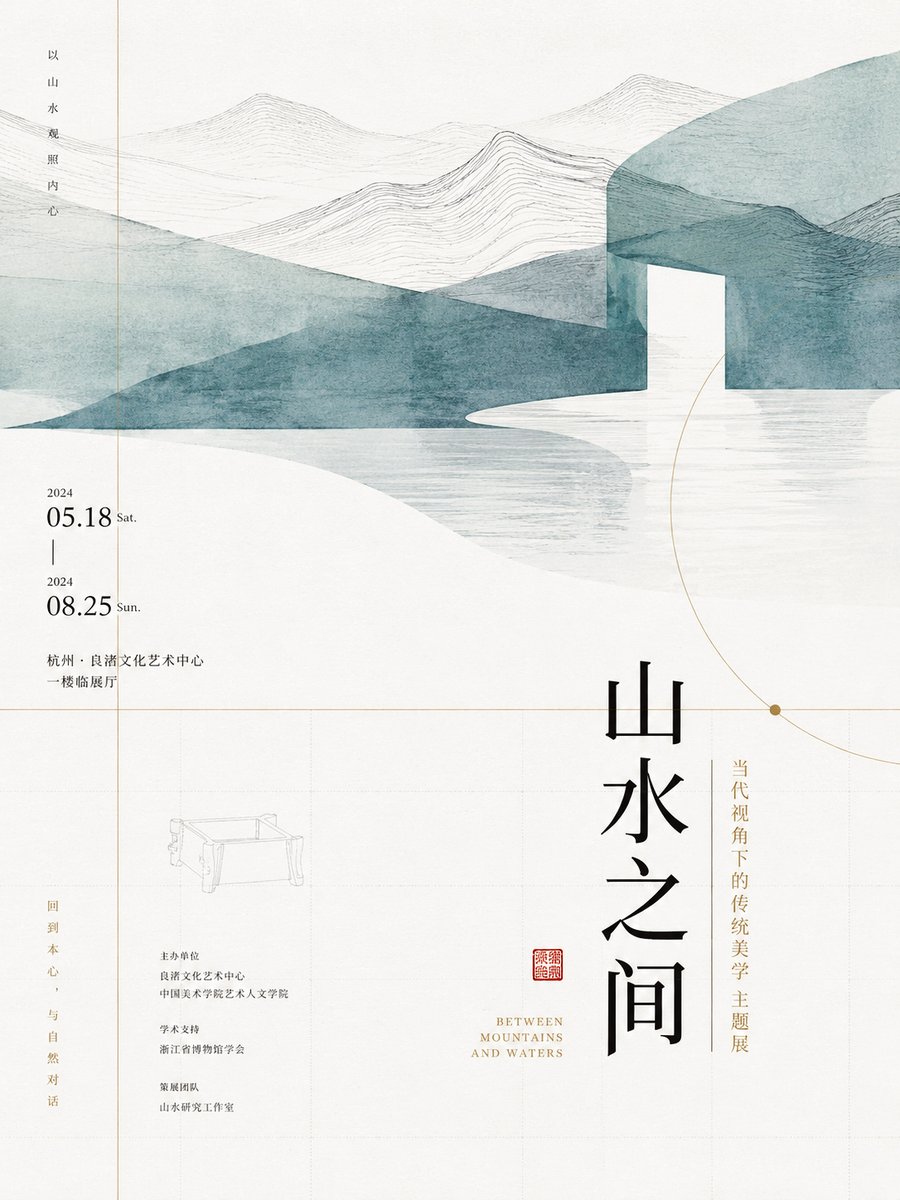
Deux grands sujets latéraux poussent vers l'intérieur depuis les bords, tandis qu'un titre vertical géant se dresse sur un axe central dégagé. Les côtés portent le poids et le centre retient le regard, avec de minuscules détails d'exposition réservés en bas.
 Prompt de @MrLarus
- Remplissez les champs ci-dessous.
- Regardez le prompt se mettre à jour à droite.
- Copiez-le, ou ouvrez-le dans un outil d'image.
Prompt d'image
[Theme]: ____ [Chinese main title]: ____ [English title]: ____ [Left subject]: ____ [Right subject]: ____ [Central-axis content]: title / figure / plant / negative space / other ____ [Framing method]: arc negative space / spatial perspective / flexible material / two-object counterbalance / other ____ [Main background color]: ____ [Subject material and style]: ____ [Date / Venue]: ____ [Aspect ratio]: 9:16 Generate a "central-axis framed" poster with strong visual impact and the refined air of a high-end cultural exhibition. First establish a clear, stable vertical central axis; then let the [left subject] and [right subject] form visual weight from both sides, pushing the main title, figure, plant, or negative-space area toward the center. The side subjects must be large enough, close to the edges with natural cropping allowed, together carrying the main visual weight. The two sides may differ in contour, size, color, material, and detail, but the overall visual weight must be balanced, avoiding simple duplication and mechanical mirroring. Choose the framing method by theme: circular or arc subjects can frame a central negative space by their contour; spatial subjects such as buildings or screens can form a depth axis through perspective; flexible materials such as fabric or plants can form soft framing through natural curvature; objects, figures, or artifacts can reinforce the central title through side counterbalance. The central axis must be the most important reading area. The Chinese main title uses a bold large type size, and may be vertical, mixed vertical-horizontal, with scale variation, partial occlusion, or slight overlap with the subject, making typography truly part of the composition rather than merely placed at the top. Allow one low-weight visual node on the axis, such as a tiny figure, a flowering branch, a pattern rubbing, a structural line sketch, or a study diagram, to give the center both focus and layering, but do not form a third equal-level subject. Information density can be rich but concentrated in 2–3 areas: central axis core information, side columns, and bottom exhibition details. Create a clear size contrast between the giant title and tiny text, without spreading small text evenly across the whole frame. Use one clear large-area dominant color to build recognizability, such as vermilion, cobalt blue, lemon yellow, grass green, cyan blue, dark brown, or persimmon orange. Keep 3–5 main colors overall, creating contrast through subject material, typography, and minimal accent color. Core principle: not simple "left-right symmetry," but using the visual weight of both sides to shape the center. The sides apply pressure, the axis focuses; structure stays stable, but details may differ. Overall requirements: strong axis, strong subjects, strong color gamut, clear design sense, rich but not chaotic information, sharp edges, clear text, real materials, with the finish of a mature cultural exhibition poster and editorial design.
Prompt partagé sur X par @MrLarus. Tout le mérite revient à son créateur.
Plus de prompts à personnaliser
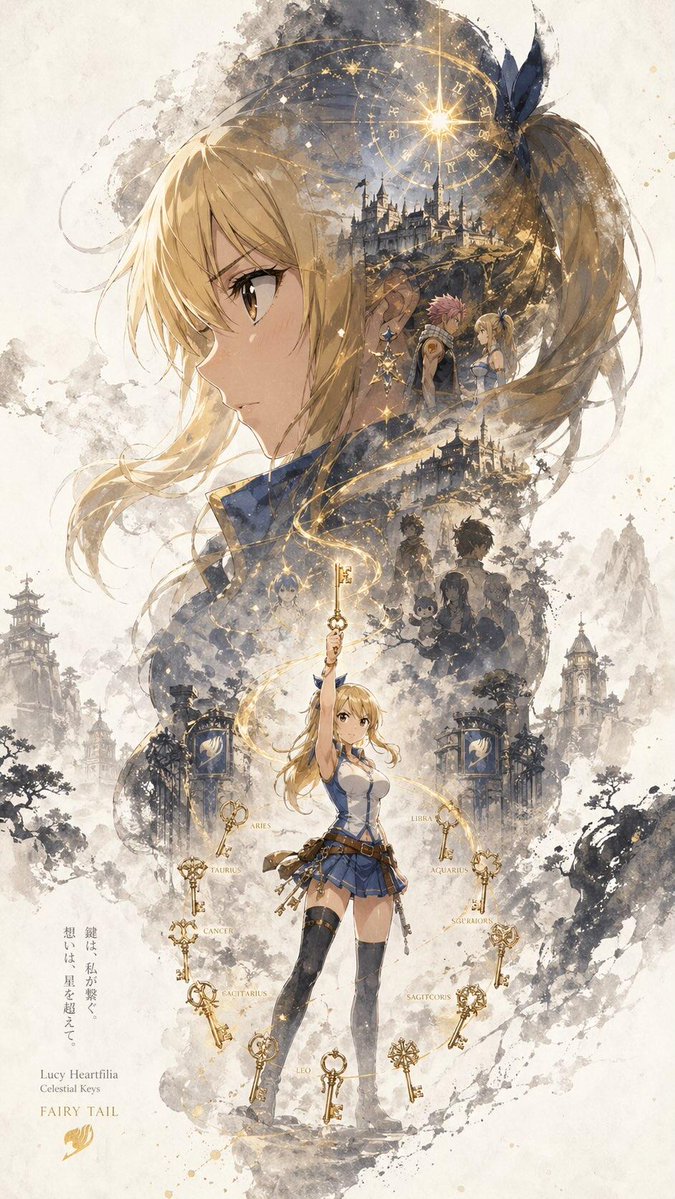 Affiche verticale de personnage avec silhouette à l'encre
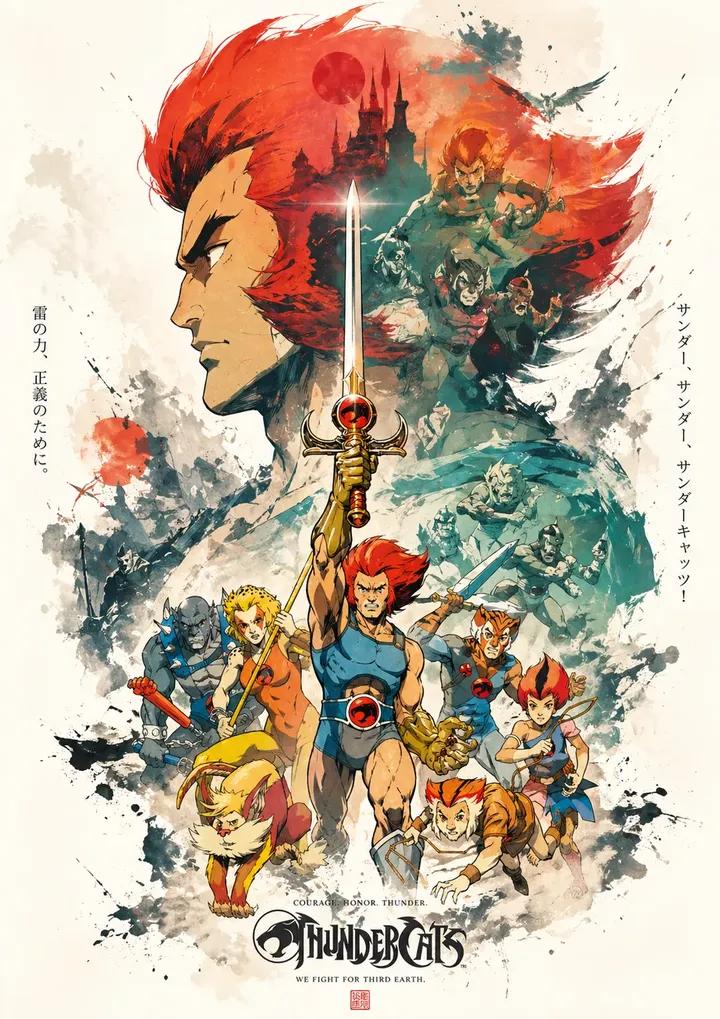 Affiche de propagande en double exposition avec collage d'encre superposé
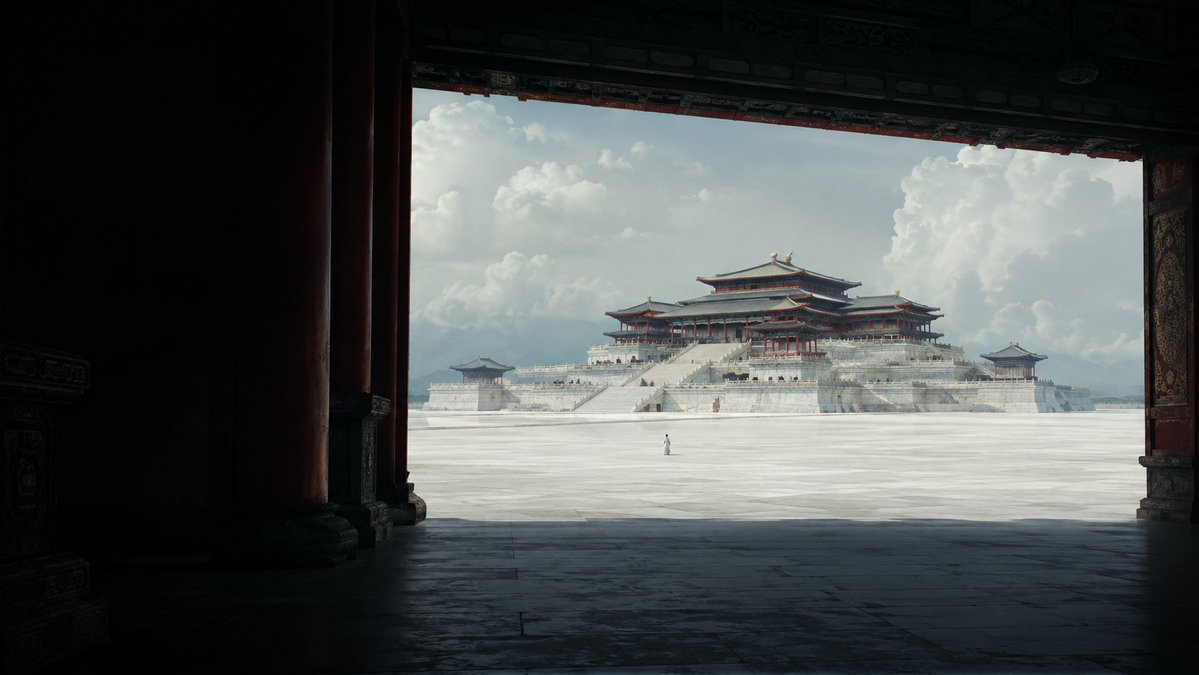 Affiche d'un palais de style Tang au-dessus des nuages
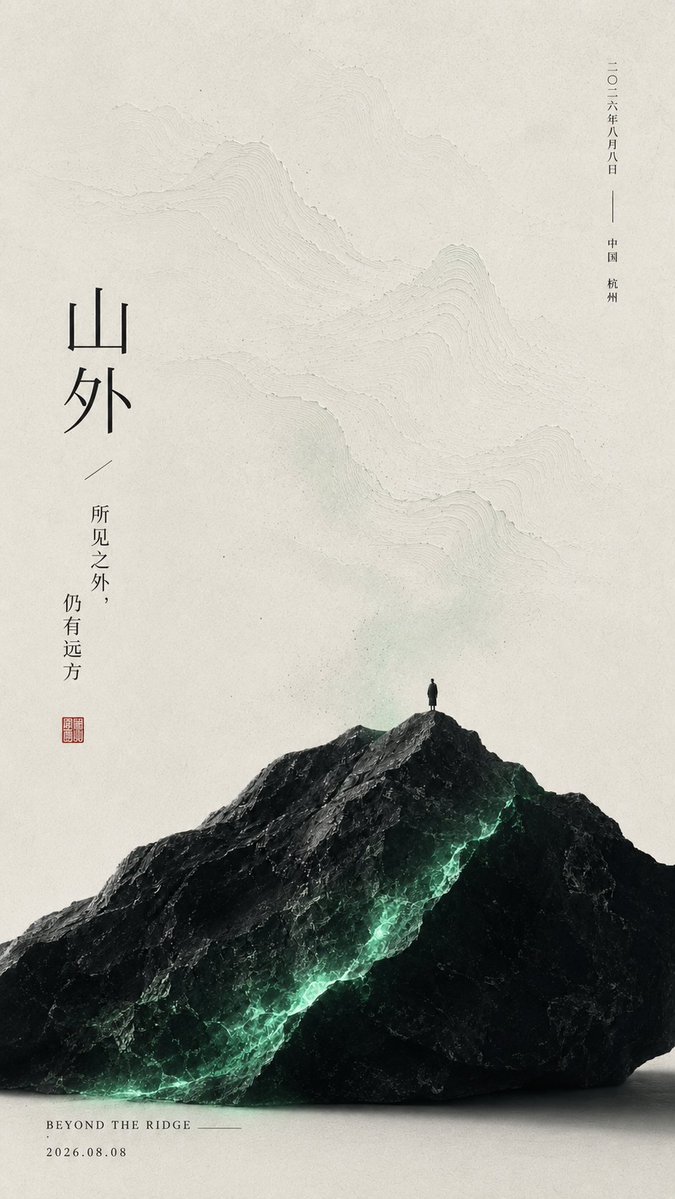 Affiche orientale à texture de papier fait main
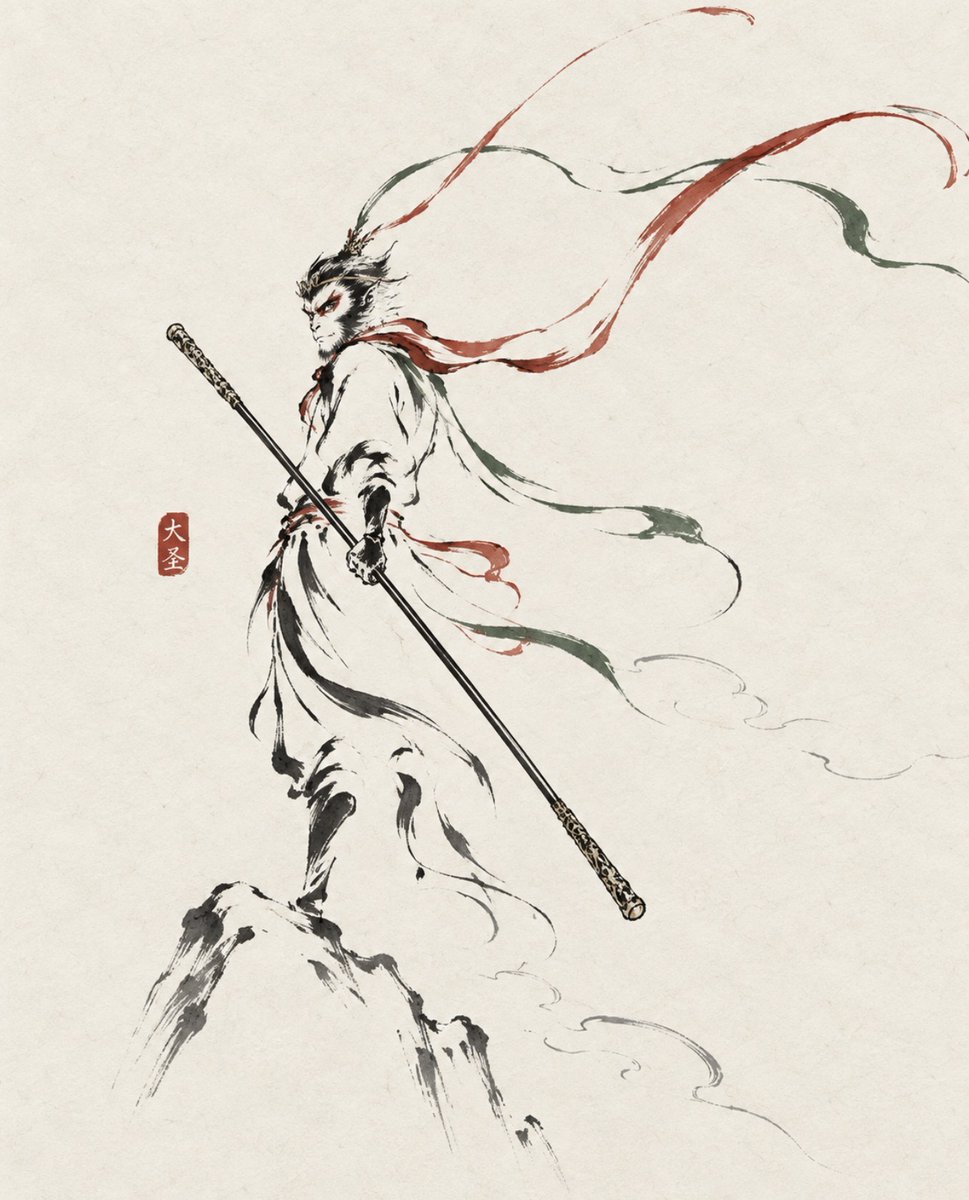 Ajoutez votre photoPrompt pour affiche minimaliste de portrait au pinceau et à l'encre
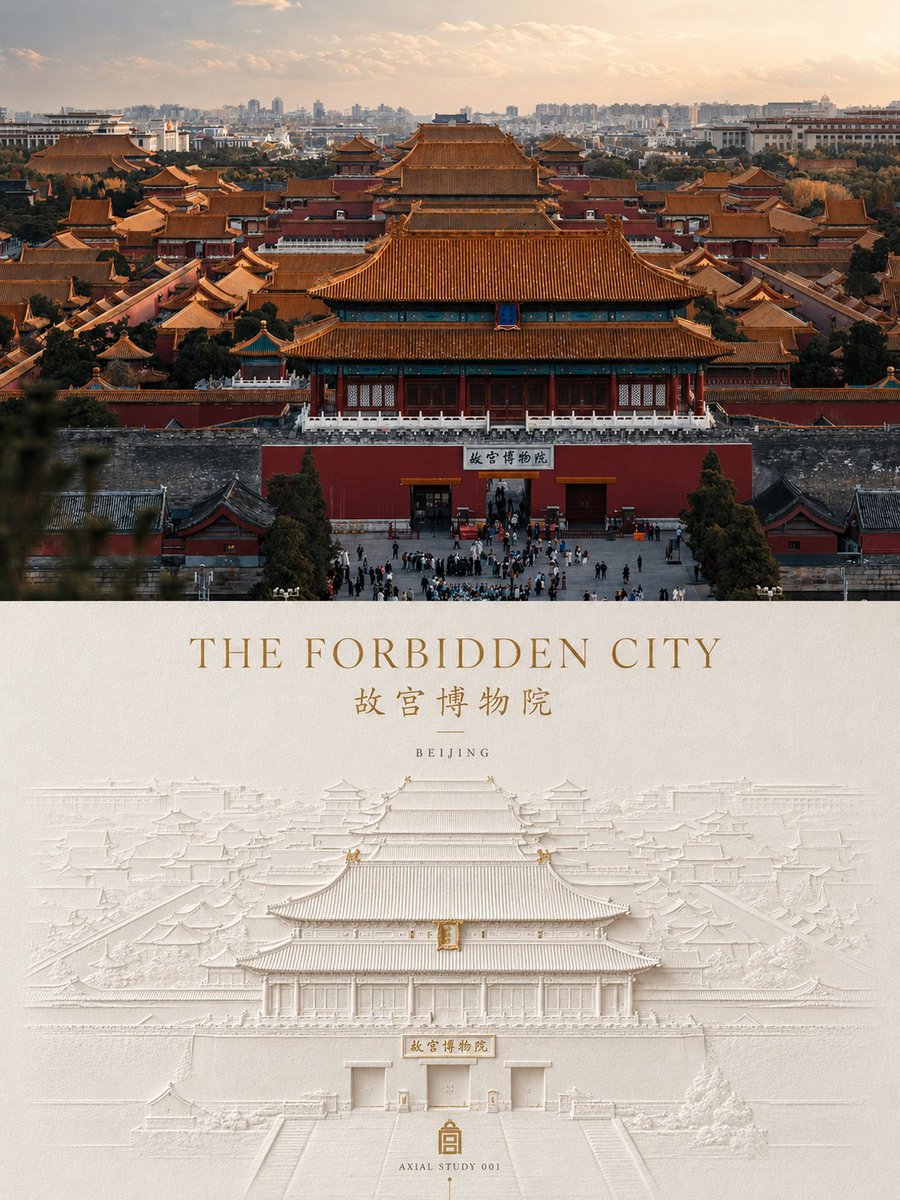 Ajoutez votre photoAffiche en relief de papier pressé à partir d'une photo
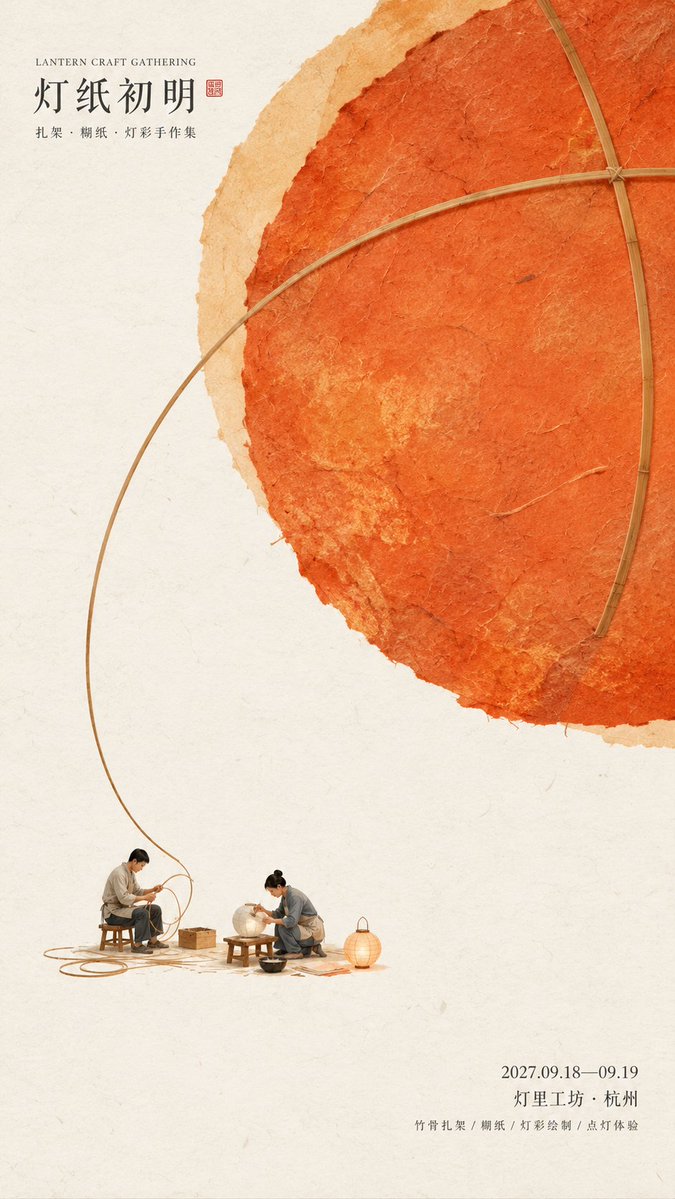 Affiche d'événement culturel oriental en texture de papier fait main
 Affiche minimaliste aux espaces blancs d'inspiration orientale