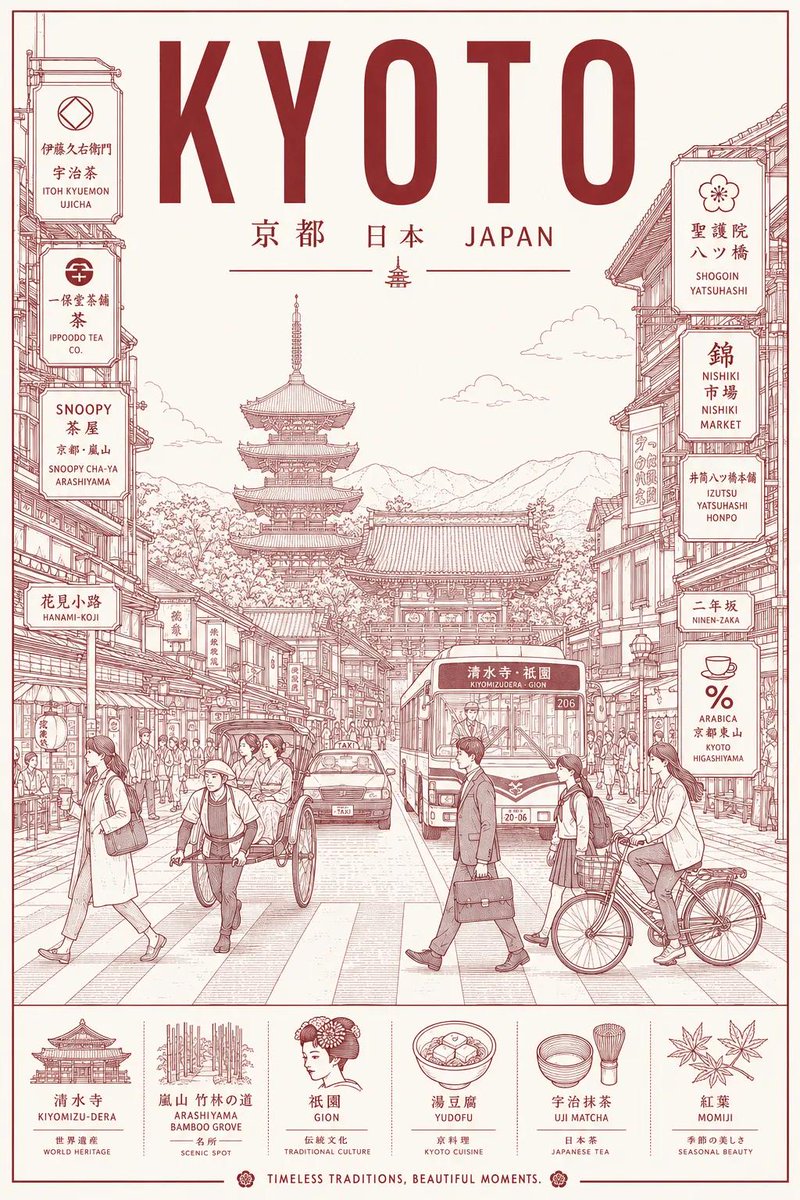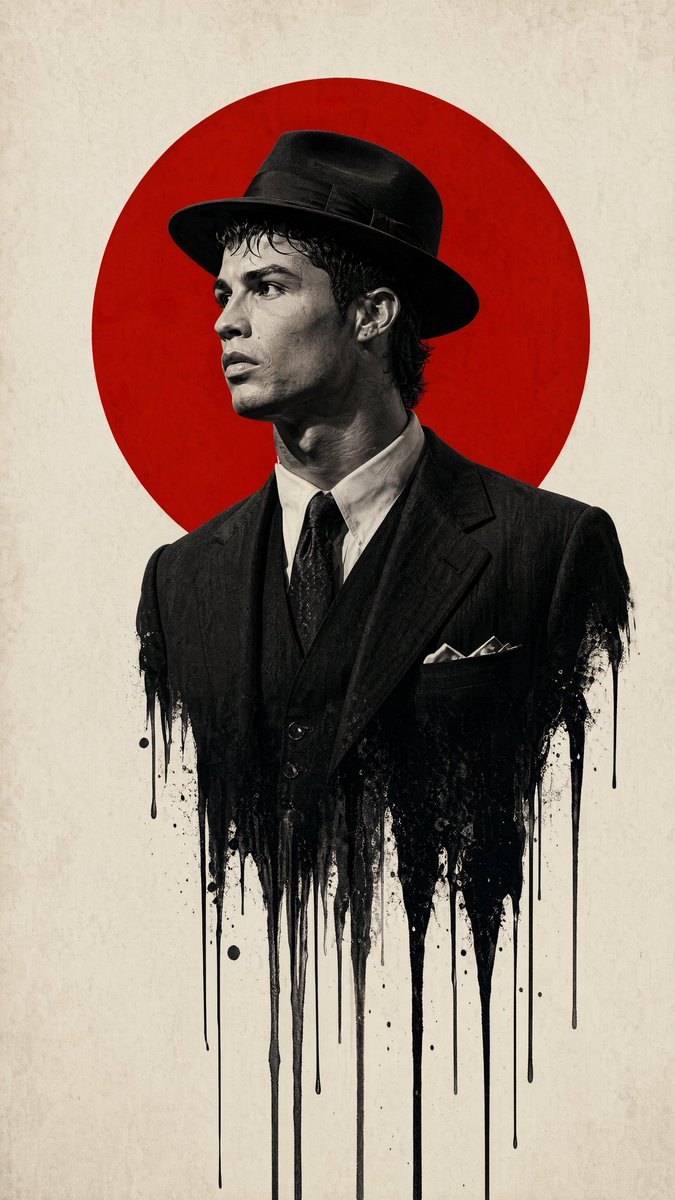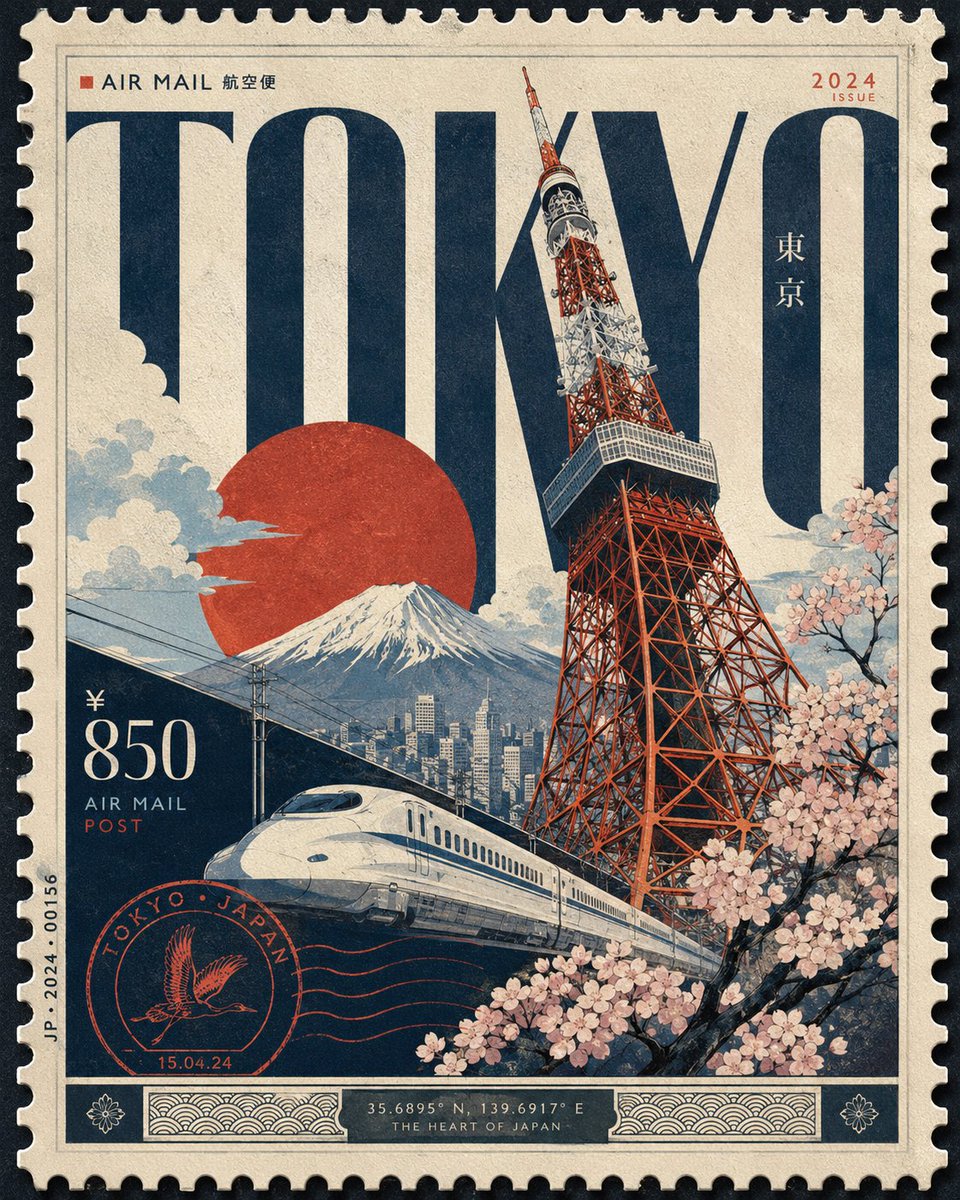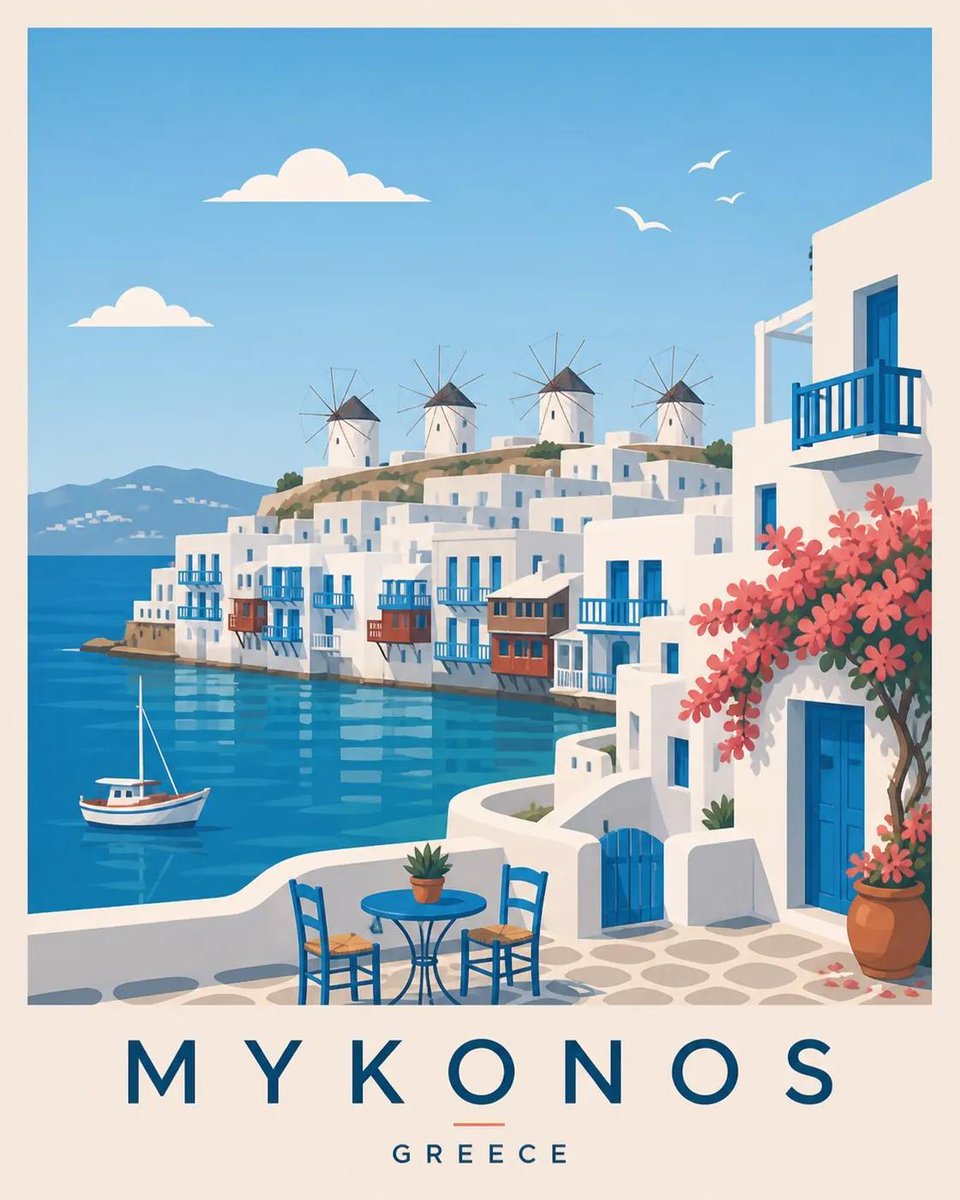
Prompt de imagen Branding y UI Personalizables
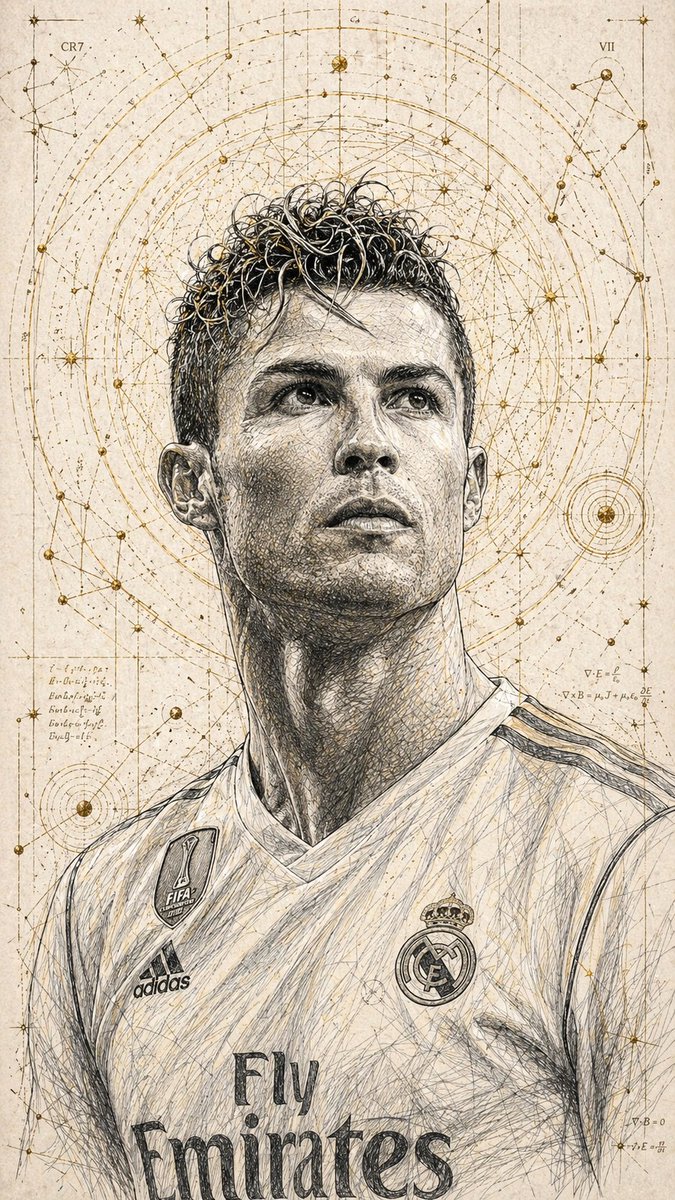
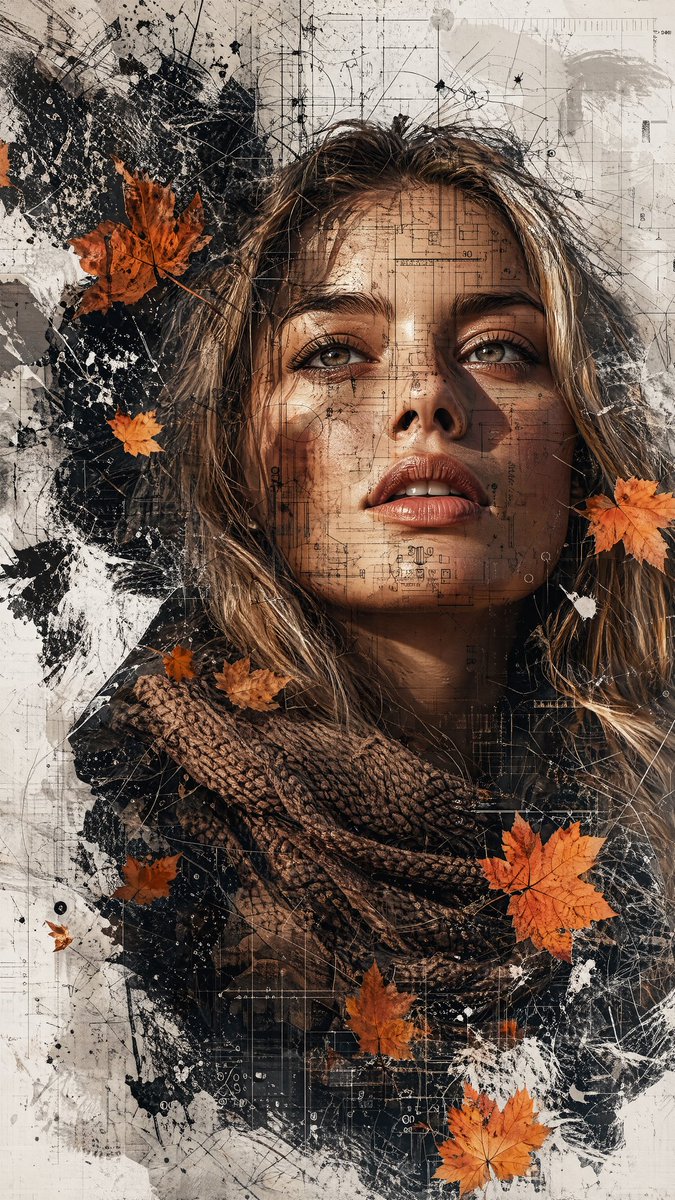
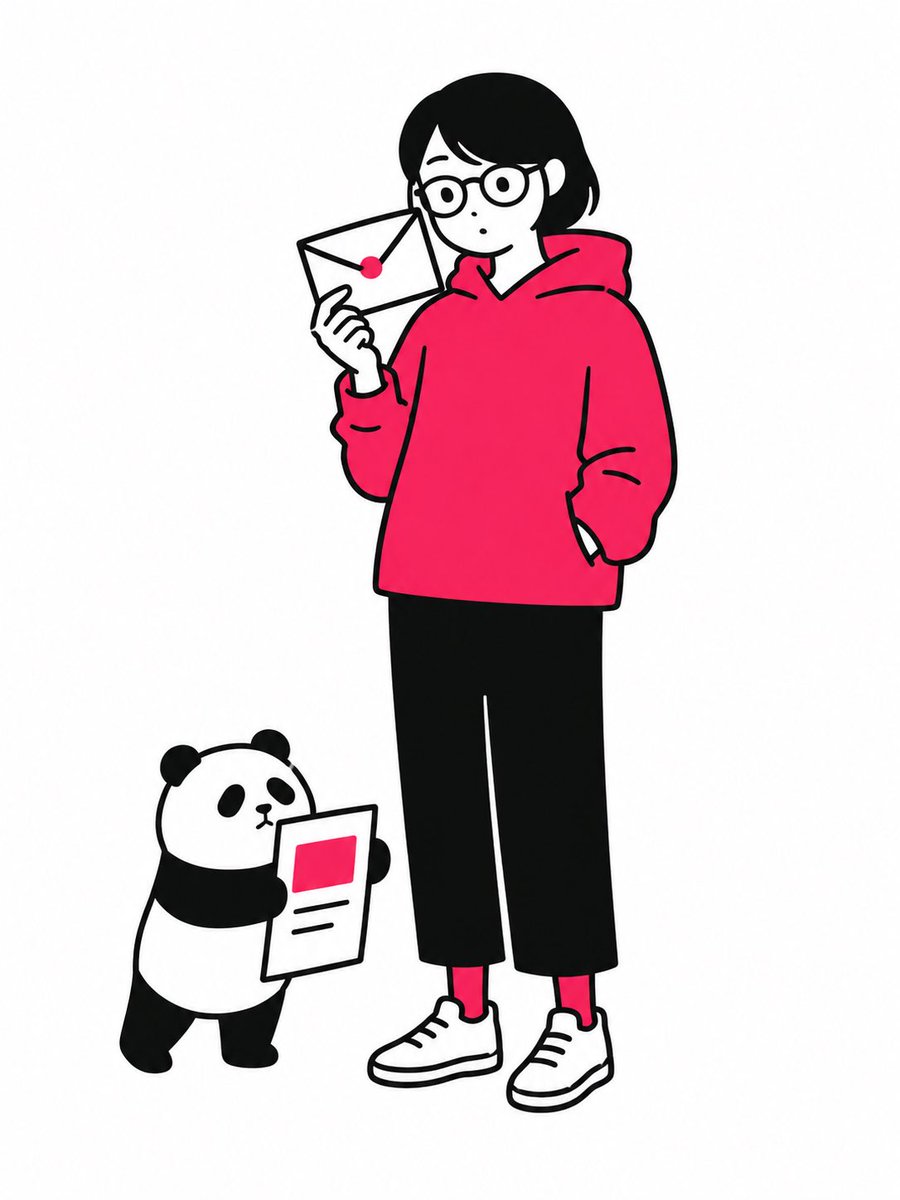
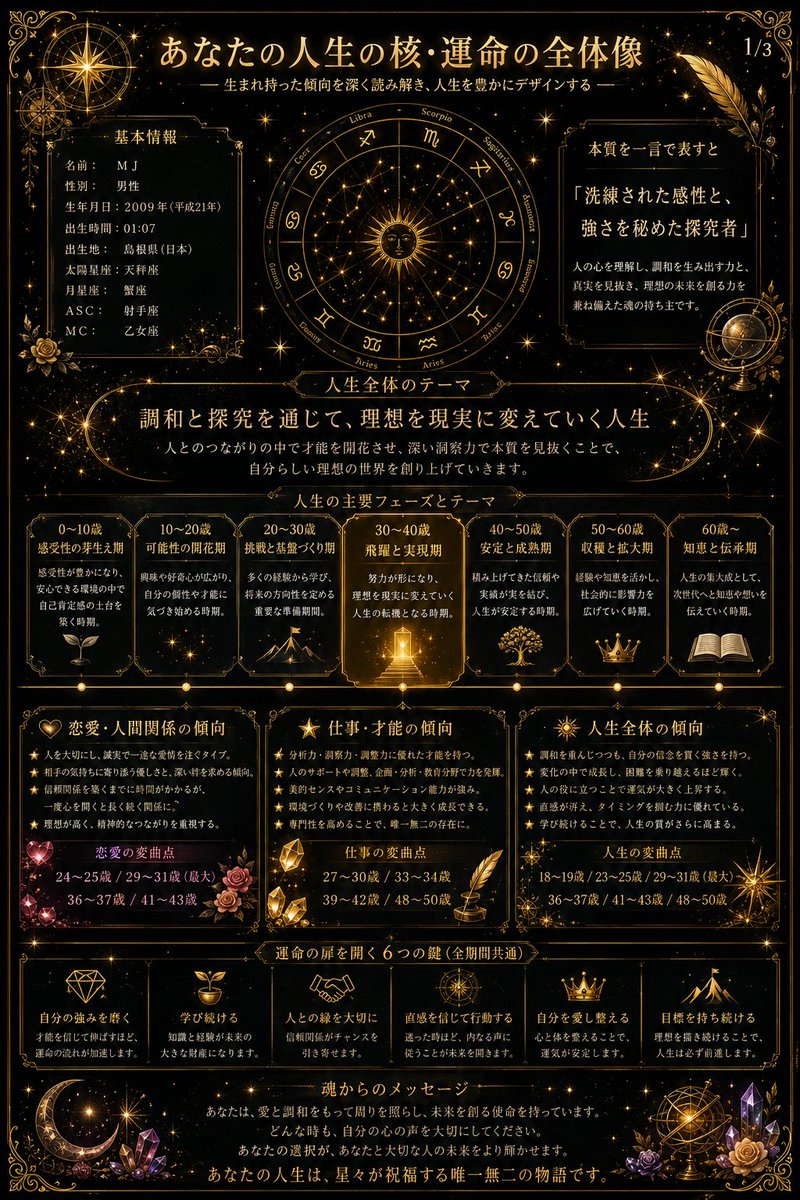
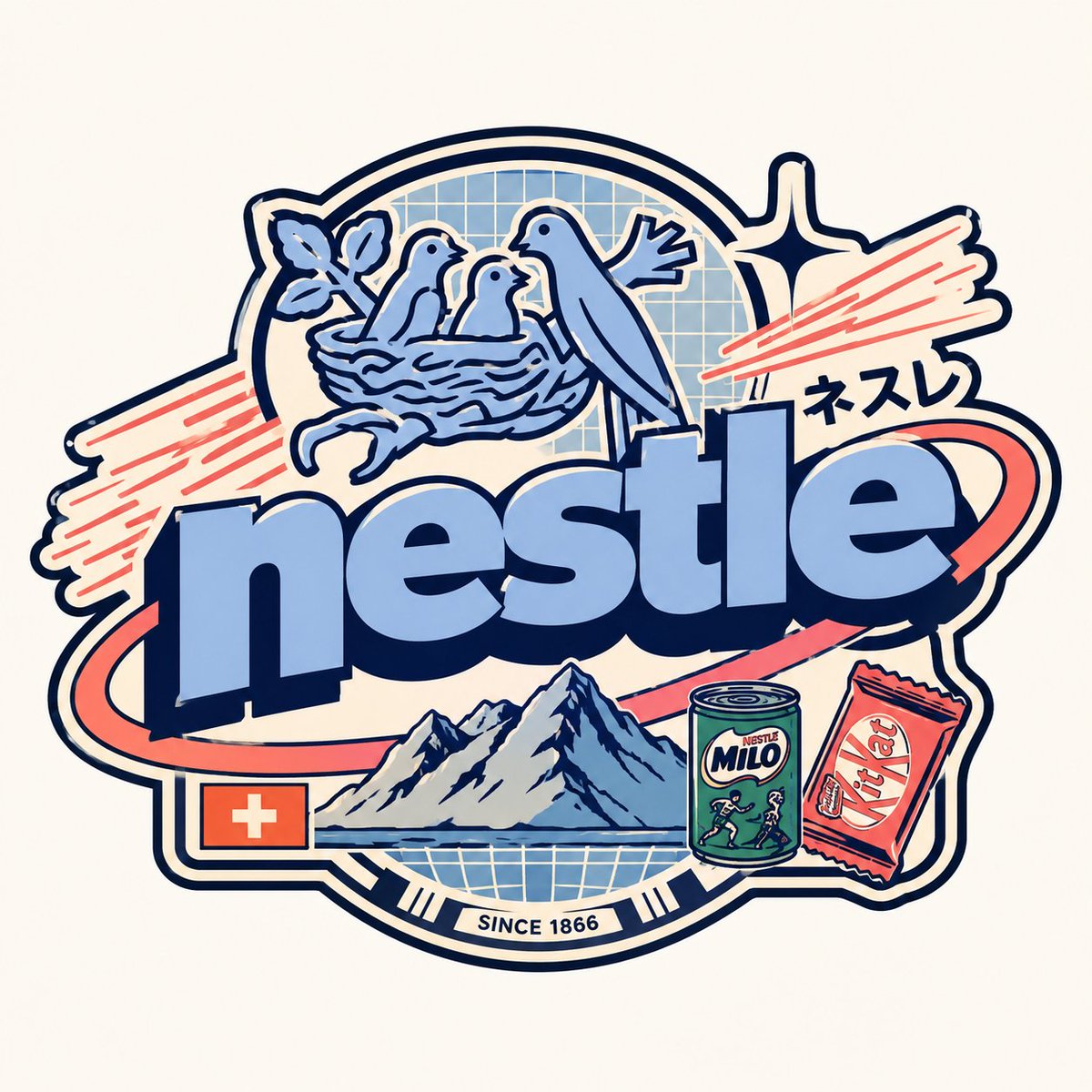
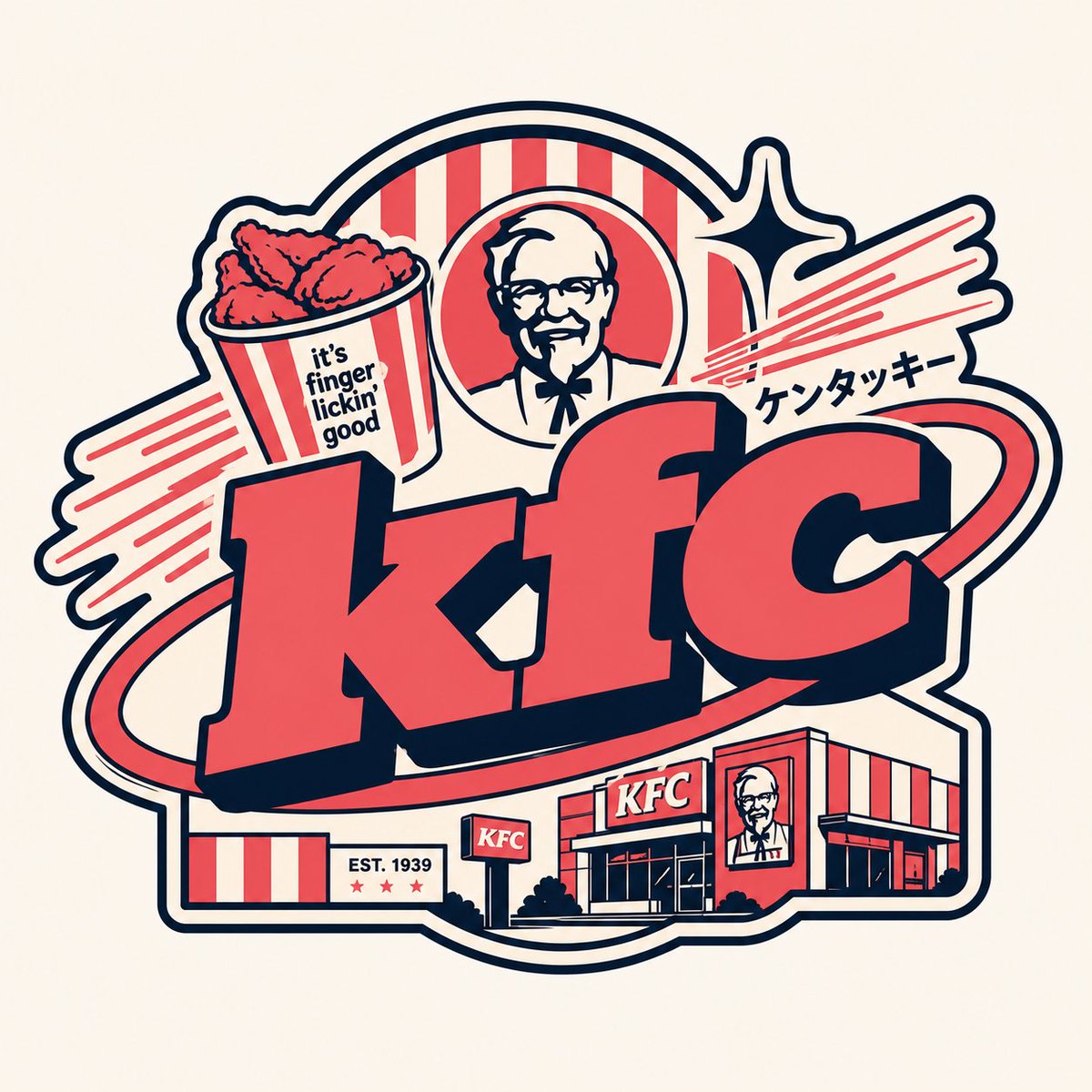
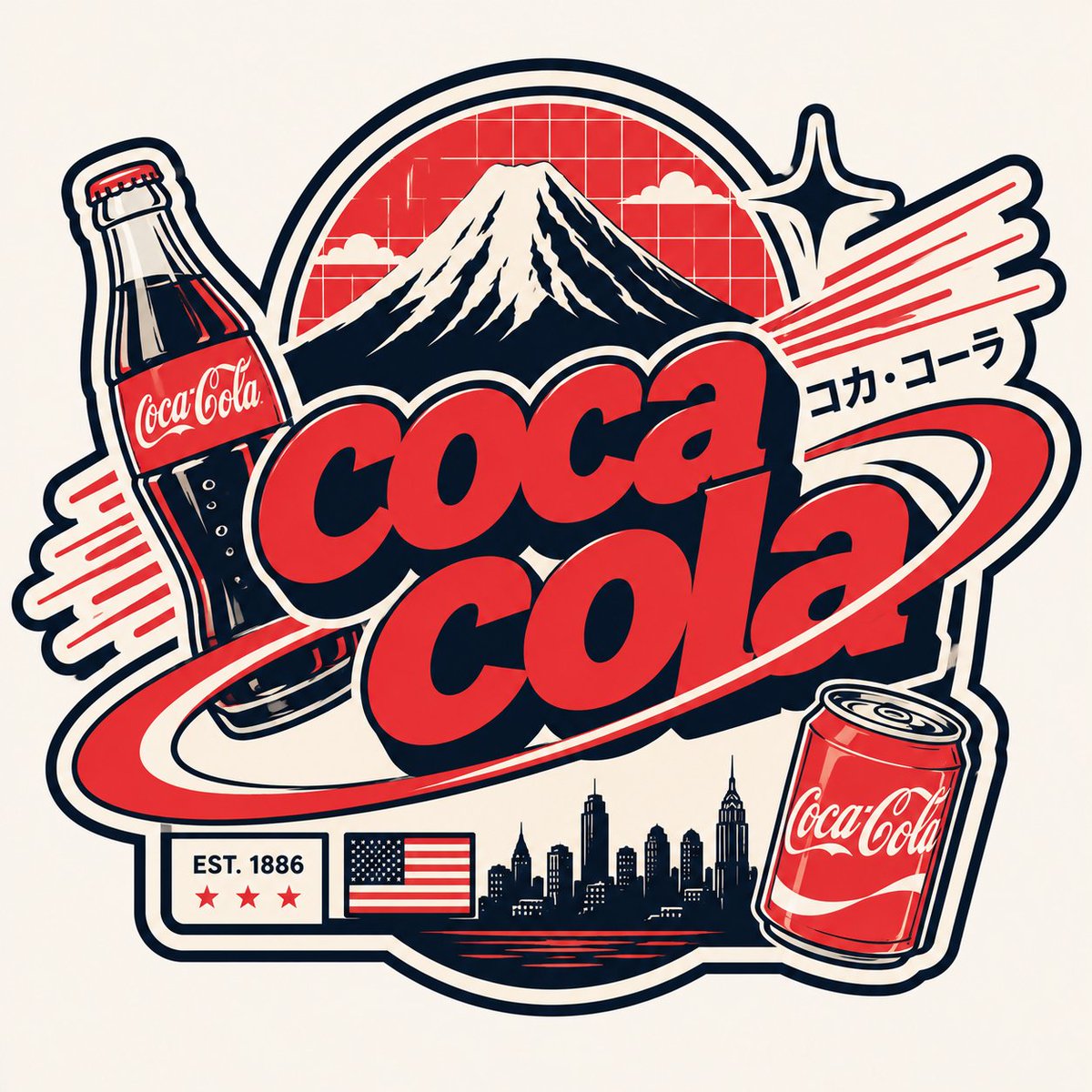
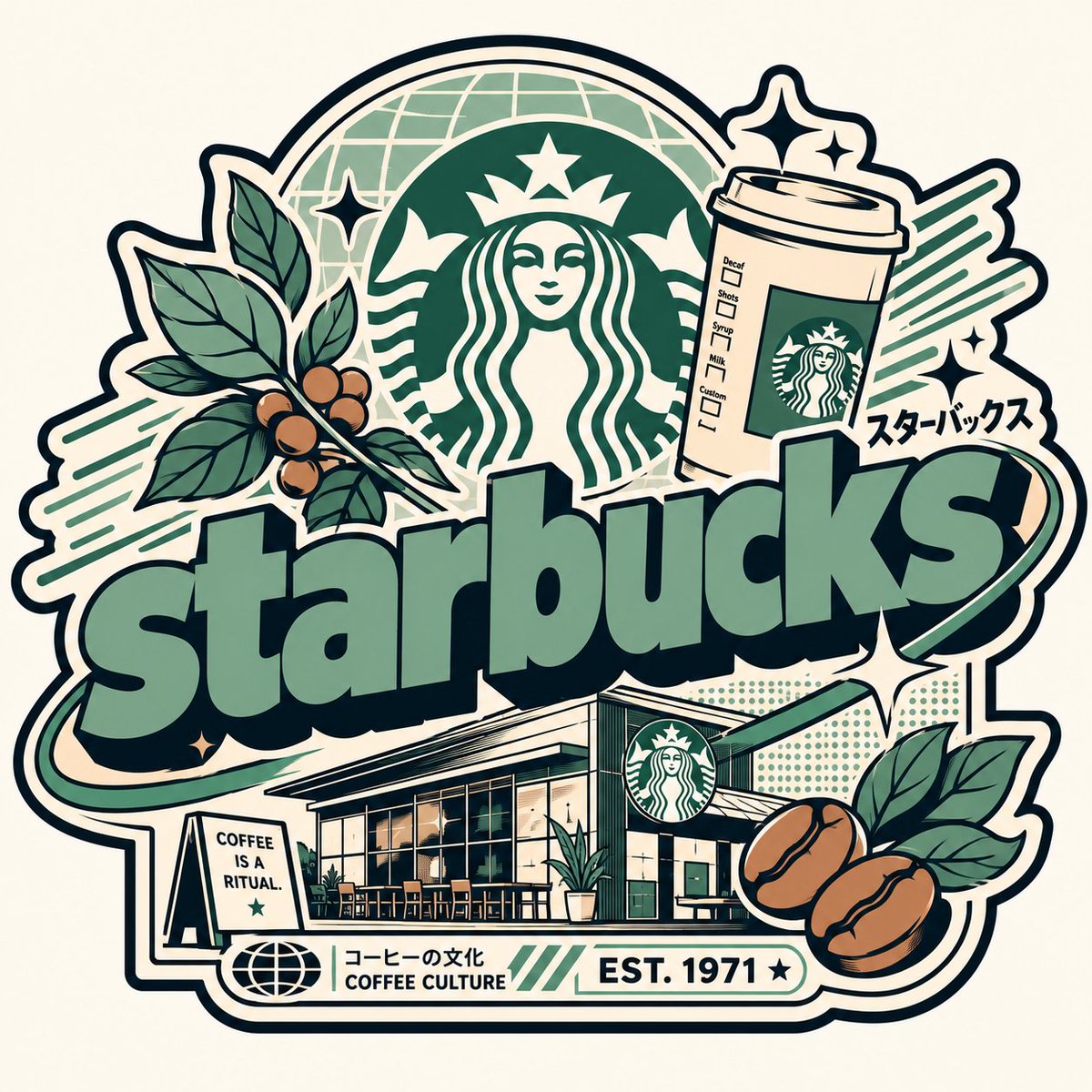
Diseño vectorial de insignia adhesiva con nombre del sujeto
Una insignia plana, lista para pegatina, con un nombre en minúsculas en negrita y tipografía redondeada, letras oscuras con extrusión y un apilado de formas pastel y saturadas alrededor. Pequeños katakana, un destello de cuatro puntas y símbolos diminutos le dan un aire de remezcla de Tokio.

- Modelo
- GPT Image 2
- Tipo
- 4 imágenes
- Relación de aspecto
- 1:1
- Compartido
- 16 jul 2026
- Me gusta en X
- 39
Nombre del sujeto
Prompt de imagen
2,534 caracteres{ "role": "Senior Vector Graphic Designer — Y2K Japanese streetwear badge specialist", "vibe": "Tokyo Harajuku bootleg remix, retro-futuristic sticker art, clean Illustrator vector — flat, graphic, sticker-ready. Structure invented fresh per subject — never templated.", "brand_intel": { "note": "Resolve ALL before designing — drives every decision", "1_primary": "Main subject color → softened pastel Y2K version (still recognizable, more kawaii)", "2_accent": "Secondary subject color → warm saturated pop", "3_dark": "Deep dark palette tone (navy/dark brown/near-black) → all outlines & extrusions", "4_letters": "Subject name bold lowercase or iconic abbreviation", "5_katakana": "Correct katakana transliteration of [SUBJECT NAME] → small secondary text", "6_flag": "Country/region of origin flag → small flat element (if applicable)", "7_shapes": "Subject's iconic geometry/forms → orbital & decorative badge elements (NO generic ovals)", "8_symbols": "1–2 iconic subject-world objects → tiny flat illustrations (not the logo)", "9_layout": "Autonomously design badge structure using subject DNA — ask: what shapes orbit the letters? What geometry feels native to this subject?" }, "phases": { "1_canvas": "1:1 square, flat off-white or warm grey, empty — no texture, no gradient", "2_structure": { "mode": "Fully autonomous from subject DNA", "must_have": [ "Central lettering", "Geometric shapes interacting with letters via z-layering", "One element crossing both behind and in front of letters", "Unified badge/patch silhouette" ] }, "3_lettering": "Large bold lowercase [SUBJECT NAME] — wide rounded font, flat PRIMARY fill, DARK extrusion offset down-right 8–12% of letter height, bold DARK outline. No gradients.", "4_y2k_dna": { "speed_lines": "Parallel/radial lines in ACCENT COLOR — energy and motion", "star": "One 4-point sharp sparkle near letters — thin, DARK COLOR", "katakana": "Small subject transliteration tucked in composition — DARK COLOR", "flag": "Small flat accurate origin flag placed naturally (if applicable)", "symbol": "1–2 cultural or iconic subject objects as tiny flat illustrations" } }, "rules": { "forbidden": ["gradients", "effects", "blur", "rendering"], "max_colors": 4, "palette": ["PRIMARY pastel", "ACCENT saturated", "DARK outline", "off-white"], "shapes": "Always from subject geometry — never reuse another subject's structure", "feel": "Collectible sticker or embroidered patch", "mood": "Tokyo designer obsessively fan-remixing [SUBJECT NAME] into a badge, stayed up all night" } }
Cómo usarlo
Sustituya el marcador de posición entre corchetes [SUBJECT NAME] por el nombre que quiera en la insignia y mantenga las reglas de paleta para que la pieza se limite a cuatro colores. Conserve los rellenos planos, la extrusión oscura desplazada y las líneas de velocidad, porque esos detalles son los que dan el aspecto de pegatina. Se compartió como prompt de GPT Image 2, así que el resultado funciona bien como maqueta de pegatina, parche o merchandising. Ajuste la relación de aspecto a 1:1 para un lienzo cuadrado limpio.
Compartido públicamente en X el 16 jul 2026. Todo el mérito de este prompt y de su resultado es de su creador. ¿Es tuyo? Pide que se actualice o se elimine.