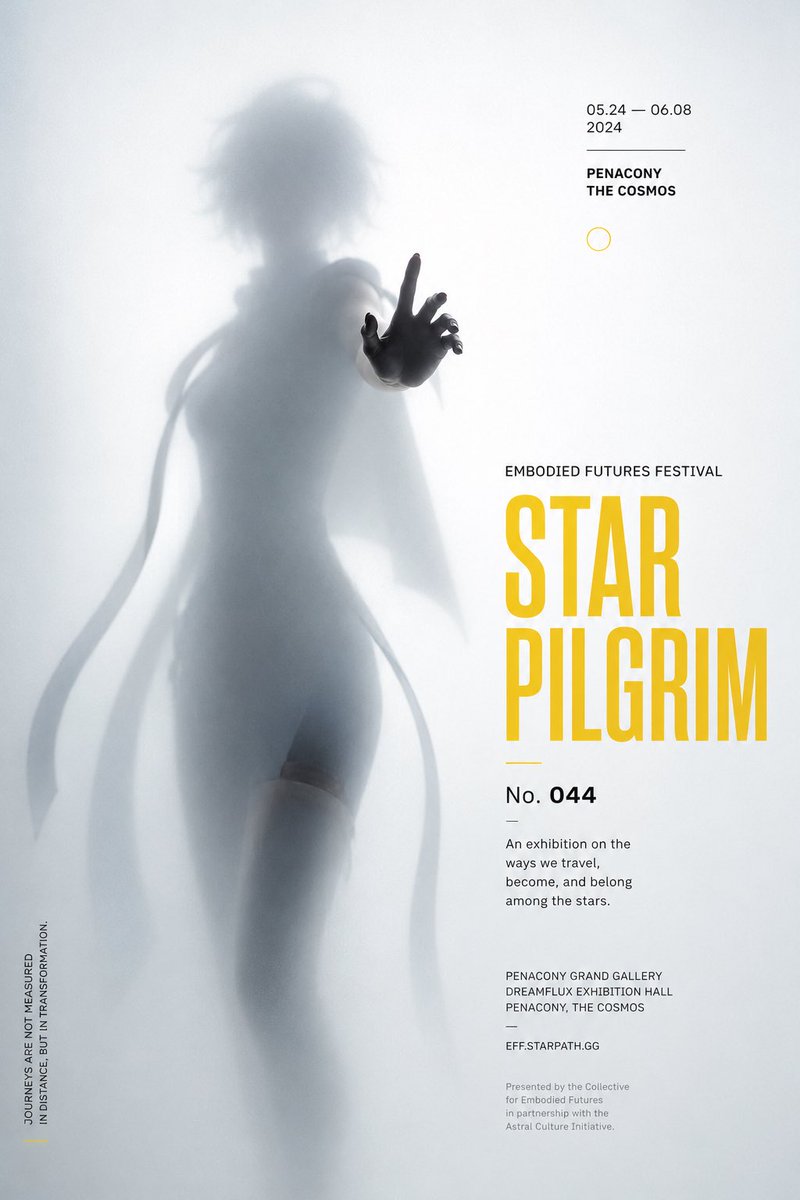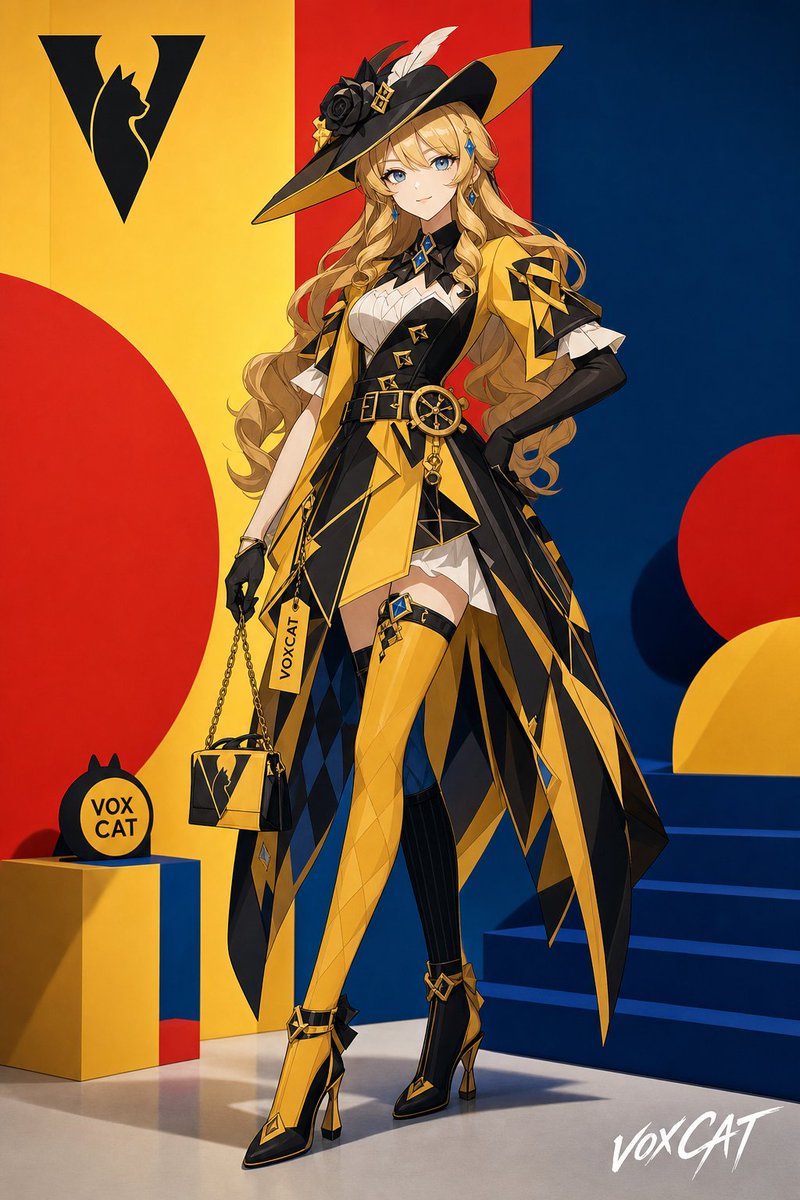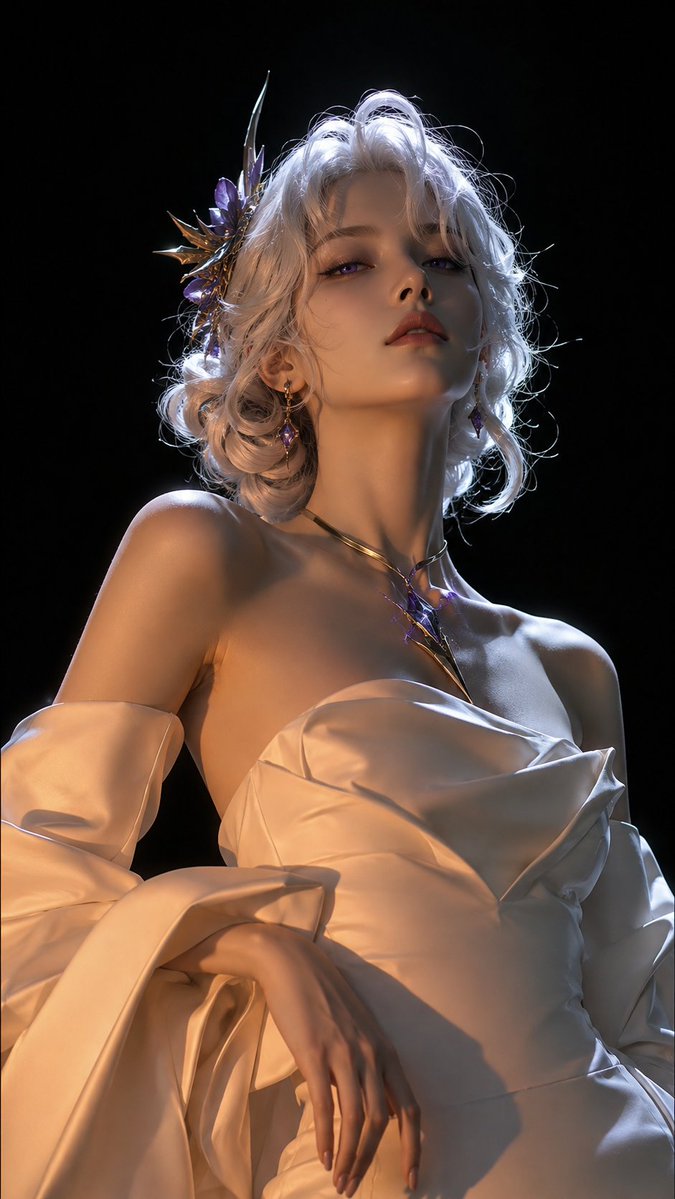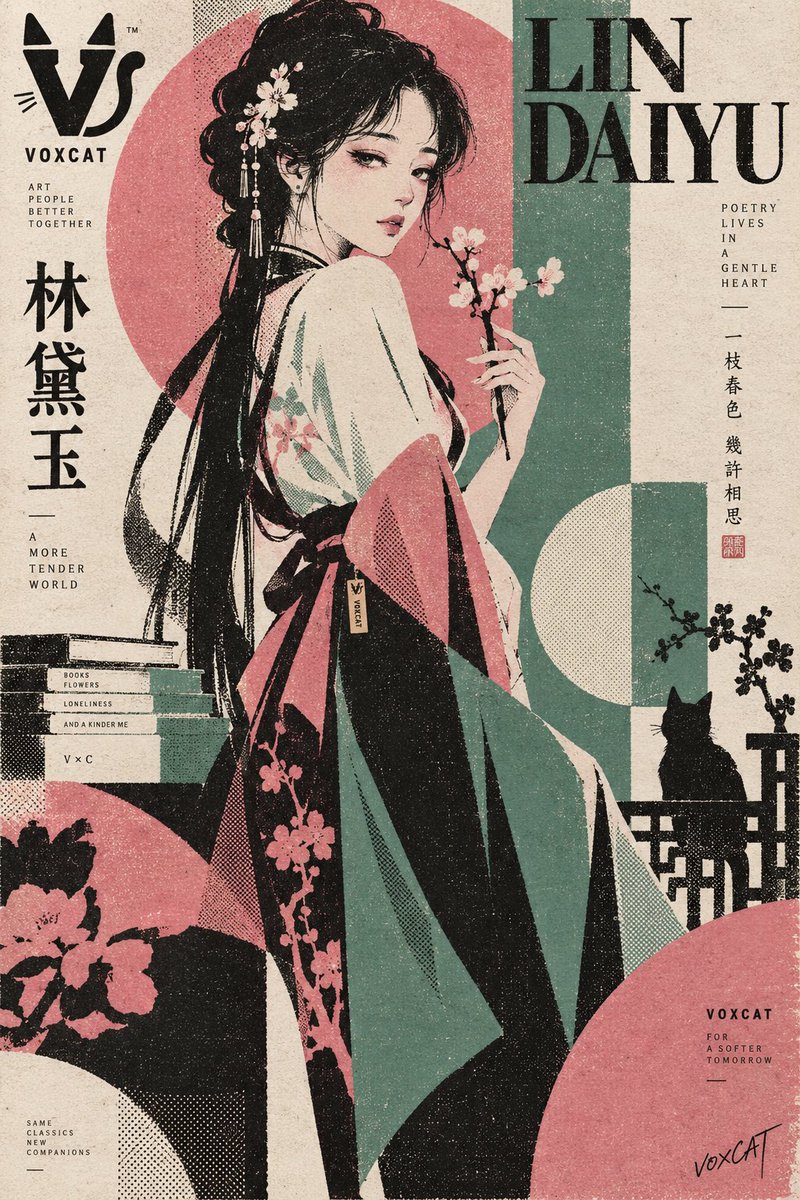
Prompt de imagen Pósters y tipografía Personalizables
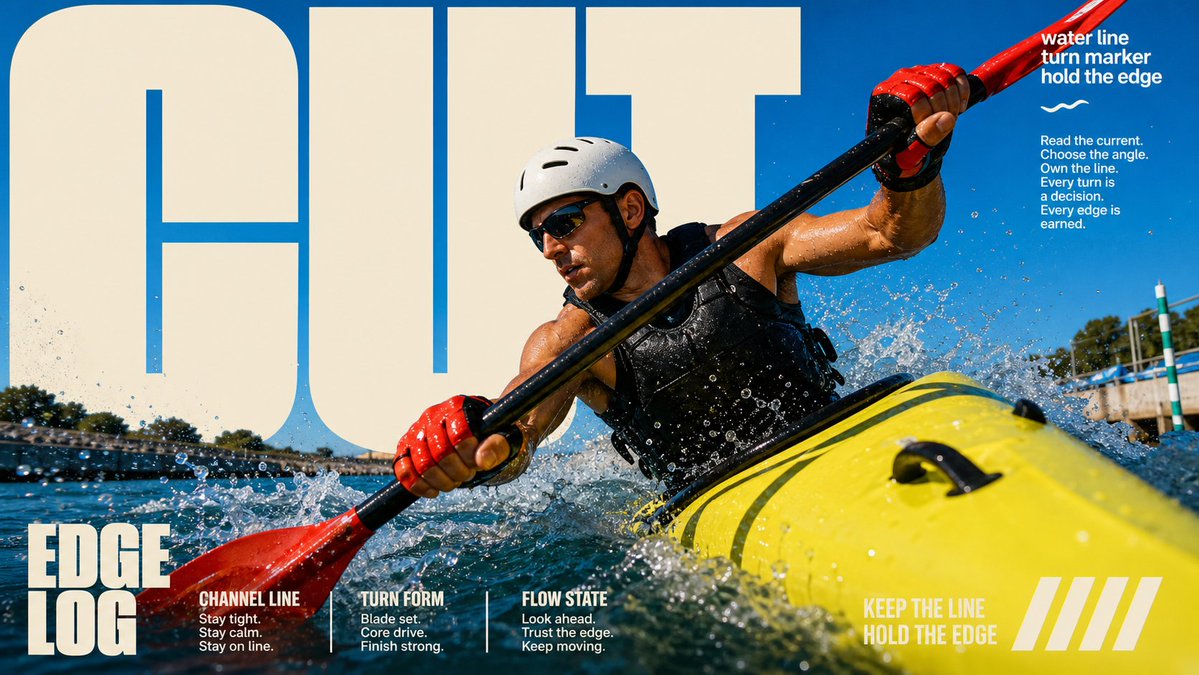
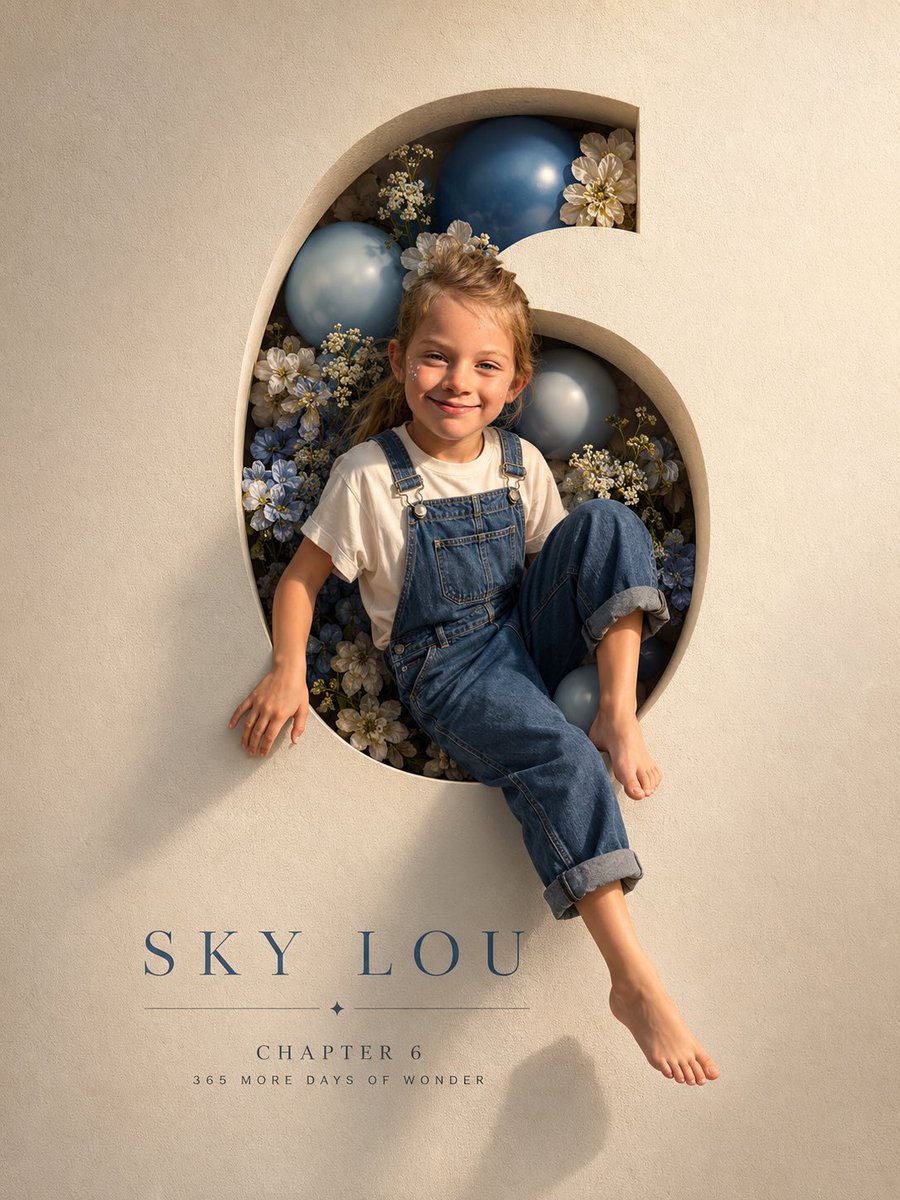
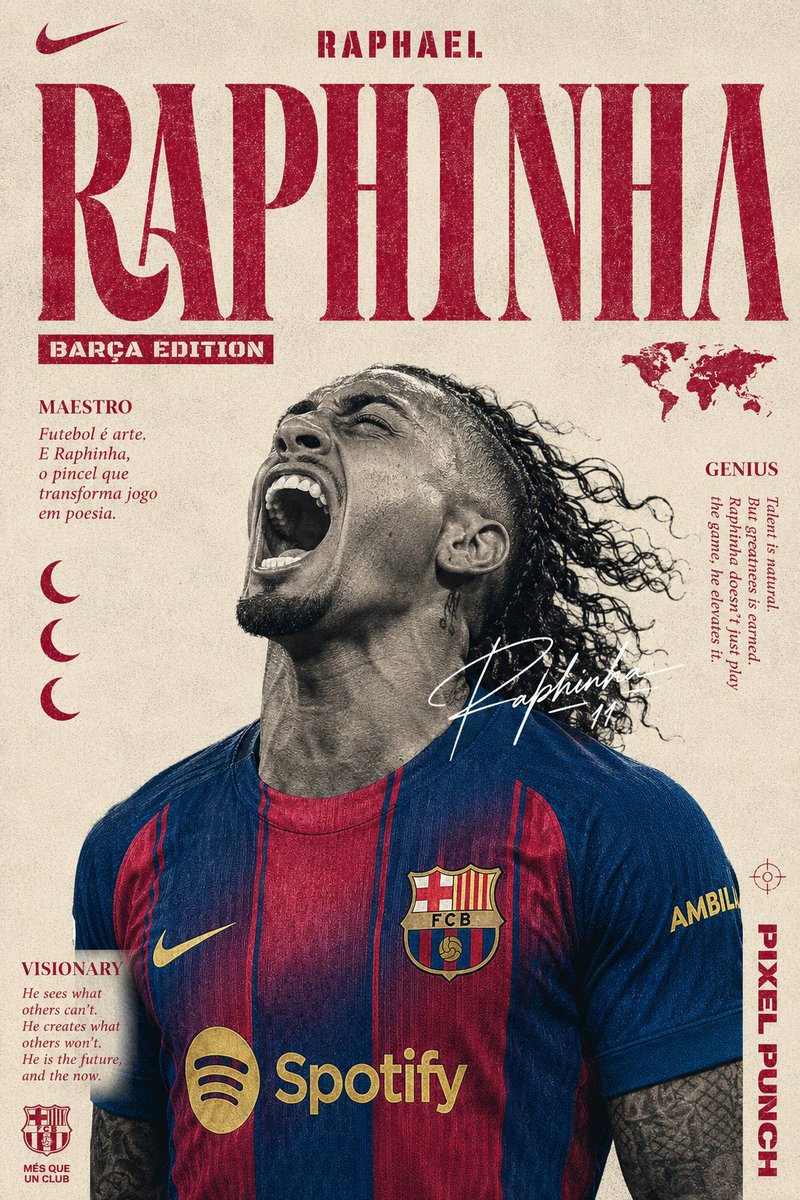
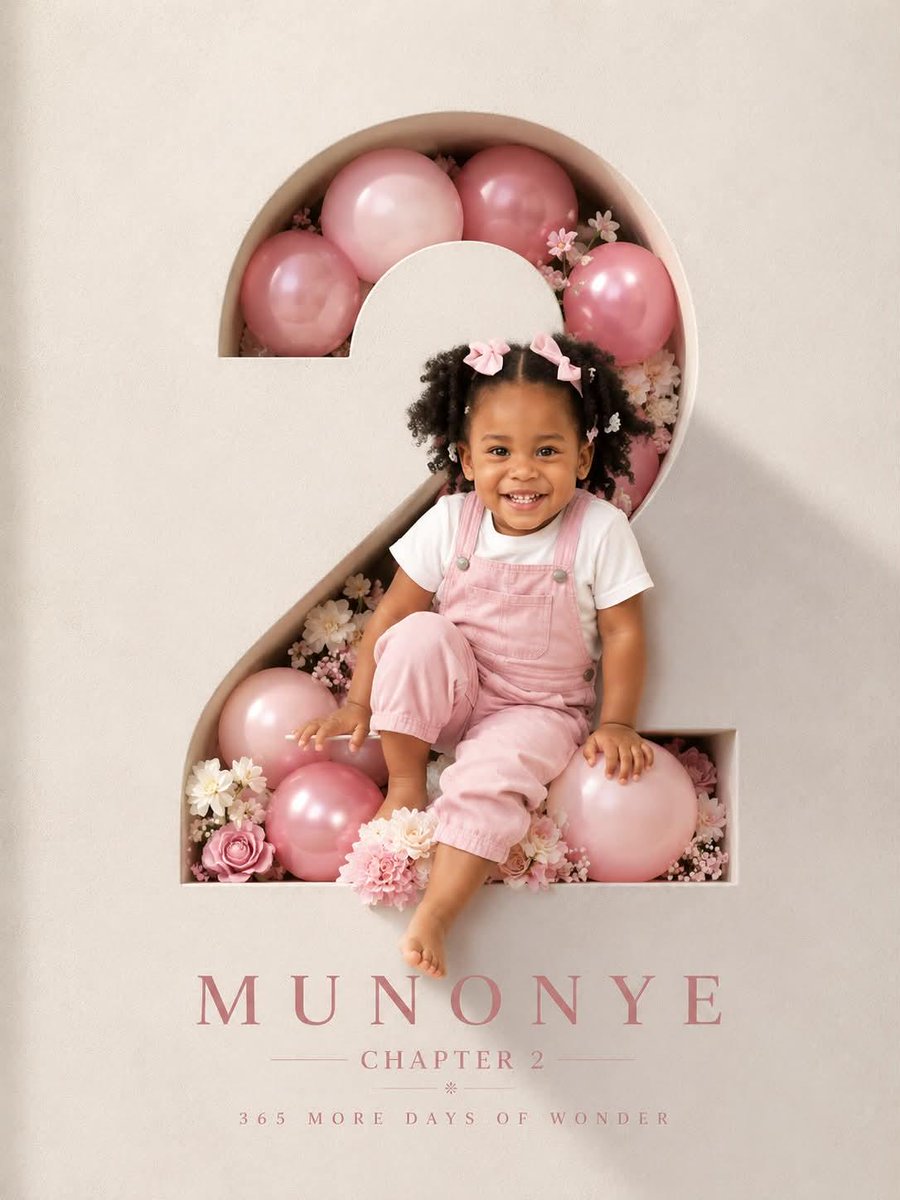
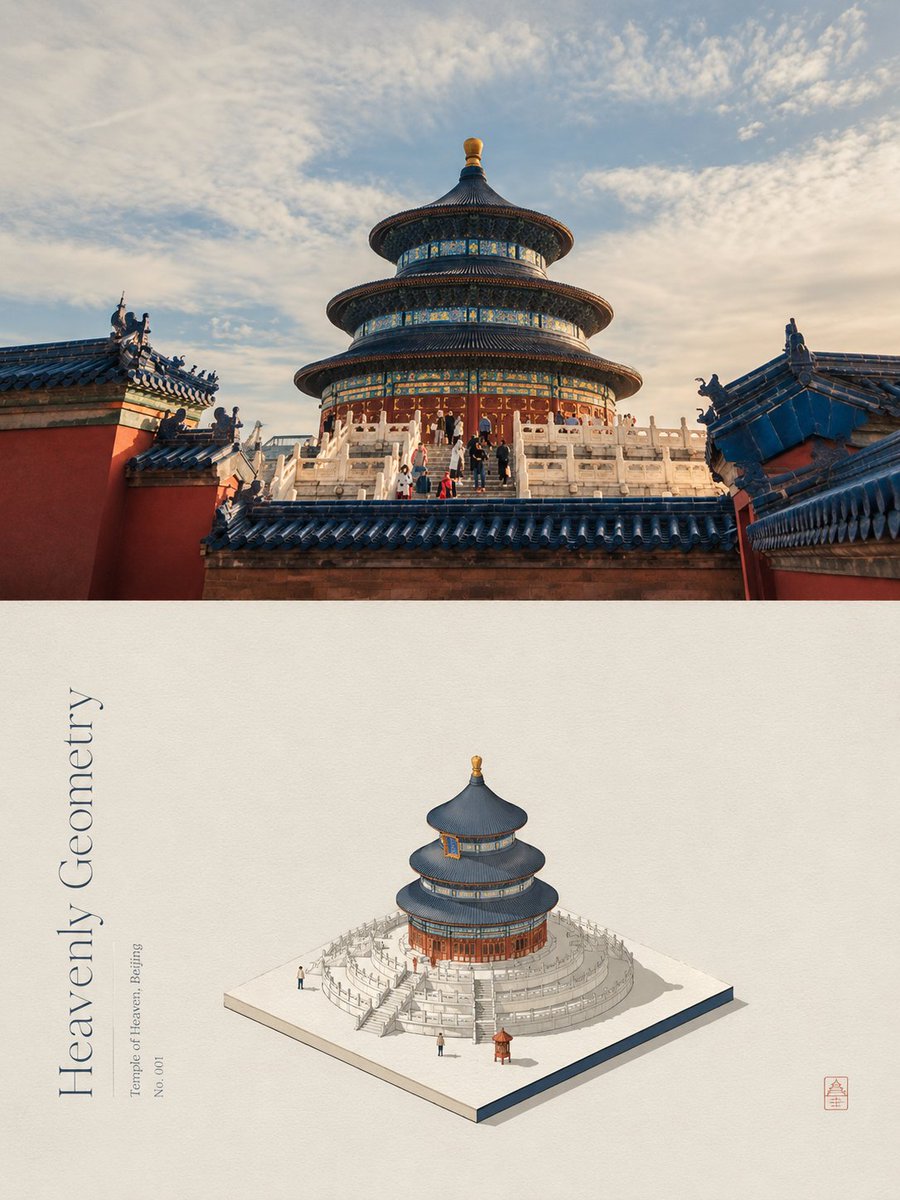
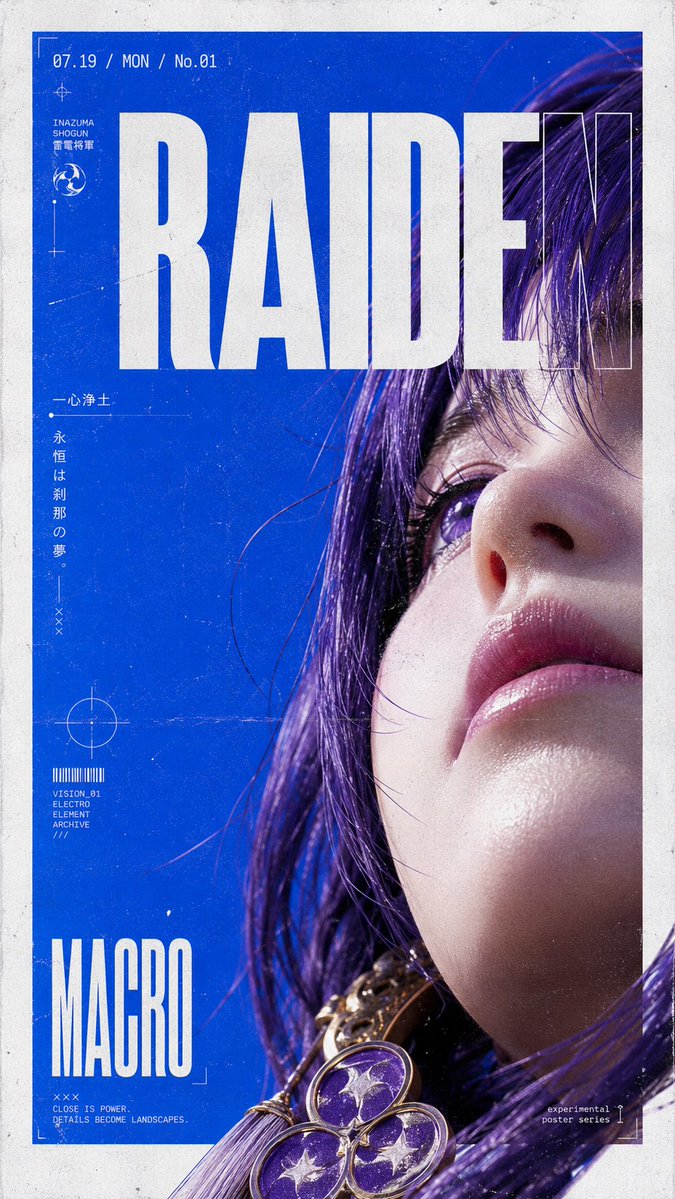
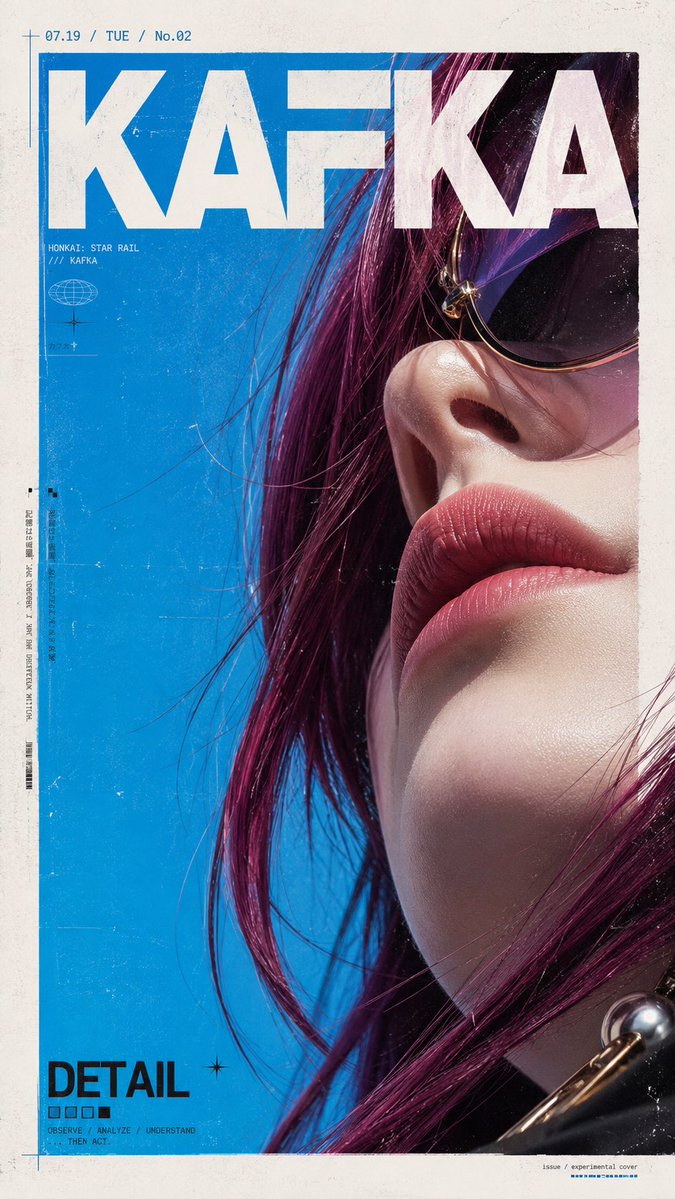
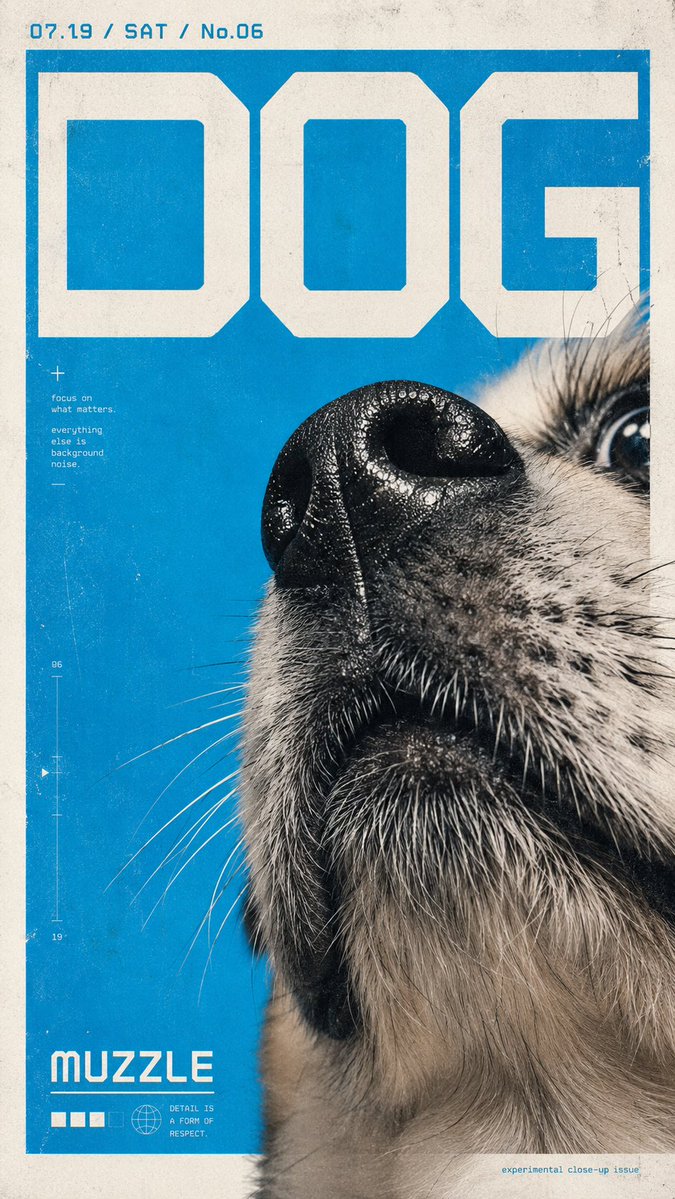
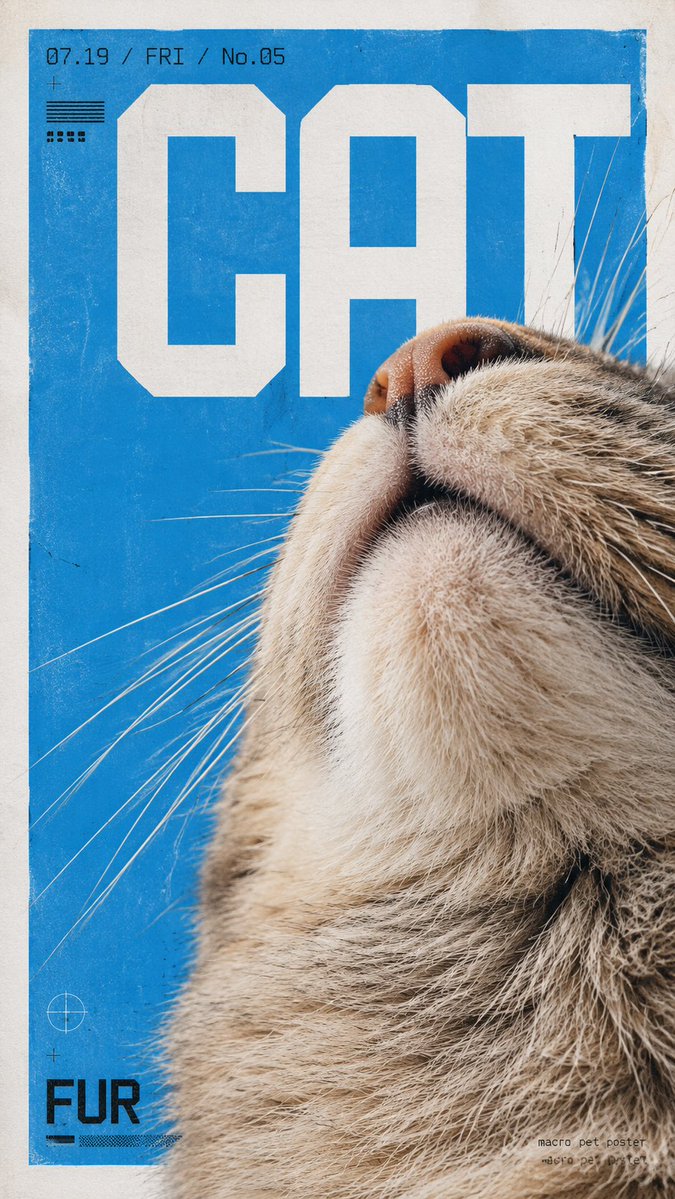
Diseño experimental de póster macro con textura riso
Un póster vertical construido en torno a un primerísimo plano extremo de un único sujeto, recortado de forma marcada sobre un fondo azul saturado. Una tipografía geométrica gigante atraviesa el sujeto, y el grano riso y el desgaste del papel le dan el aspecto de una portada de revista independiente impresa.

- Modelo
- GPT Image 2
- Tipo
- 4 imágenes
- Relación de aspecto
- 9:16
- Compartido
- 19 jul 2026
- Me gusta en X
- 35
Prompt de imagen
3,462 caracteresCreate a vertical experimental design poster on the theme of 【SUBJECT】. The overall style merges extreme macro photography, Japanese experimental graphic design, Swiss grid layout, Y2K geometric digital typefaces, indie magazine cover feel, and printed poster texture. 【SUBJECT】 is presented as an extreme partial close-up rather than shown in full: choose the most recognizable fragment to enter the frame — face, nose tip, mouth, chin, fur, surface texture, edge contour, or structural detail. Use an ultra-low camera angle shooting upward from very close range, or a pressed-in wide-angle macro perspective, producing pronounced near-large/far-small perspective and the effect of an everyday object photographed as a giant landscape. The frame is a 9:16 vertical composition. Keep a clean, generous white border around the outside; the inner subject area reads like a vertical poster embedded in the paper. The subject cuts in massively from one side and overflows the layout edge, creating a strong crop and an imposing sense of mass. It typically occupies the lower half and most of the right side, while the opposite side retains a large field of pure background color, producing distinct negative space and dynamic balance. The background is a highly saturated, pure flat color, preferably bright sky blue, cyan blue, ice blue, or electric blue, forming a clear warm-cool contrast with the subject. If the subject has warm fur, skin, metal, wood, or surface texture, it should stand out even more against the blue. The palette stays simple, vivid, and restrained, built on 1 dominant color + the subject's own color + paper white. Integrate large-scale display typography, where type is not only information but also graphic structure. Letterforms should be ultra-bold sans serif with geometric cut corners, modular strokes, and a digital, futuristic, architectural character, sweeping in large blocks across the upper or upper-middle area and interlocking, occluding, slicing, and overlapping with parts of the subject. Text can be a title, abbreviation, letters, numbers, a date, or short words — what matters is visual form, not information volume. In the upper-left corner or along the top, add a small cluster of date / number / weekday / issue information in a narrow techy typeface. The lower-left corner can carry a larger style word or title word. The lower-right corner gets micro-scale typesetting, such as a poster number, design credit, series name, or short caption. Altogether the type system forms a hierarchy of giant headline + small supporting information + micro corner typography. The imaging quality emphasizes a fusion of photography and print. Add fine grain, paper texture, slight wear, scratches, fading, uneven ink, old-poster abrasion marks, silkscreen feel, Risograph atmosphere, and a light photocopied-poster quality to the surface. The background color field is not a perfectly flat digital fill but carries subtle mottling and grain. Subject details stay sufficiently sharp, especially fur, skin, edges, whiskers, fibers, and highlights. The overall mood should convey deadpan humor, youth culture, independent design, experimental visuals, and a coexistence of cuteness and hardcore edge. The image carries strong graphic design while preserving the real tactility of the photographed subject. The final result looks like an indie design poster / trend magazine cover / pet art poster / experimental visual poster.
Cómo usarlo
Sustituye el marcador de sujeto entre corchetes por aquello que quieras ampliar, como un rostro, una pata o una textura de tela, y elige el fragmento que se lea con más claridad a esta escala. Mantén el ángulo ascendente ultrabajo, el fondo azul y el grano con el desgaste del papel, ya que son los que aportan el estilo. Funciona bien como póster, portada o impresión para pared. Se compartió como prompt de GPT Image 2.
Compartido públicamente en X el 19 jul 2026. Todo el mérito de este prompt y de su resultado es de su creador. ¿Es tuyo? Pide que se actualice o se elimine.