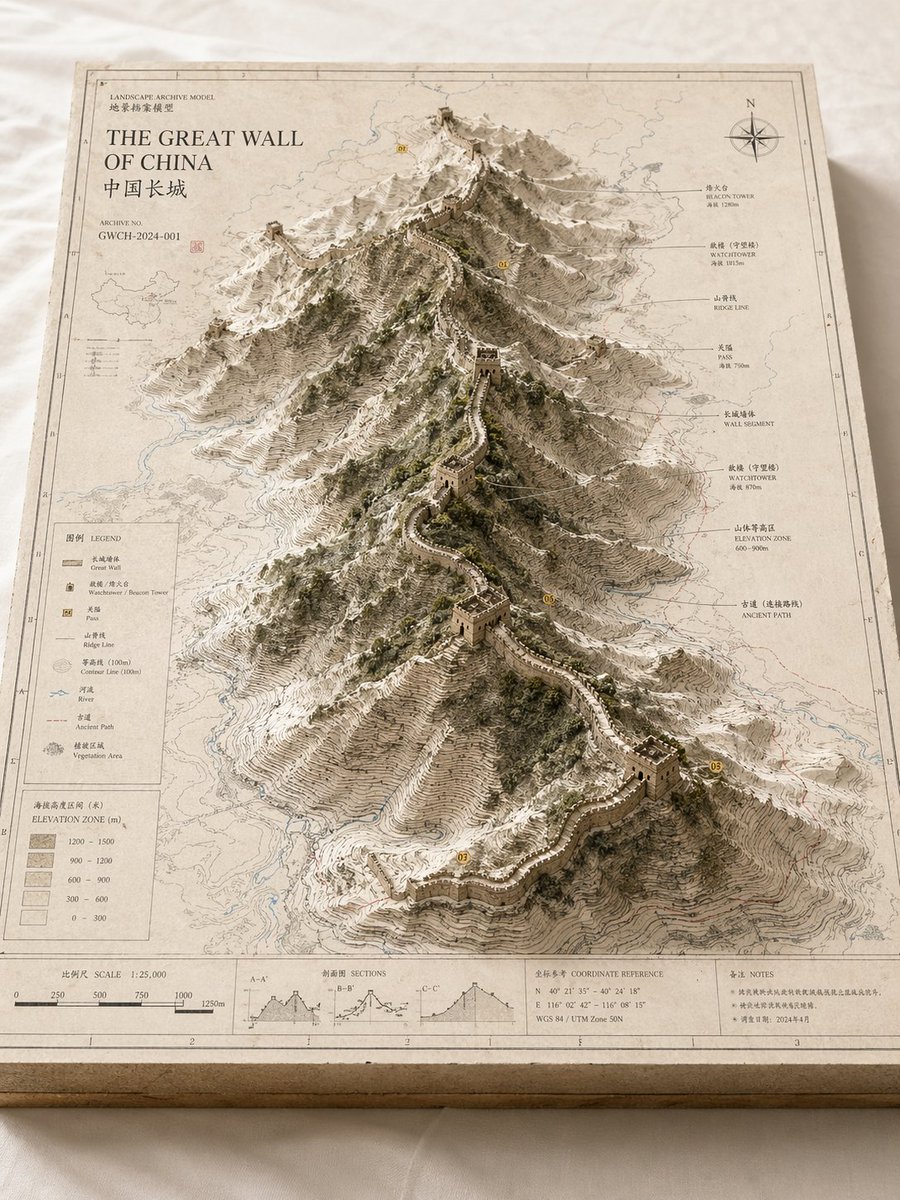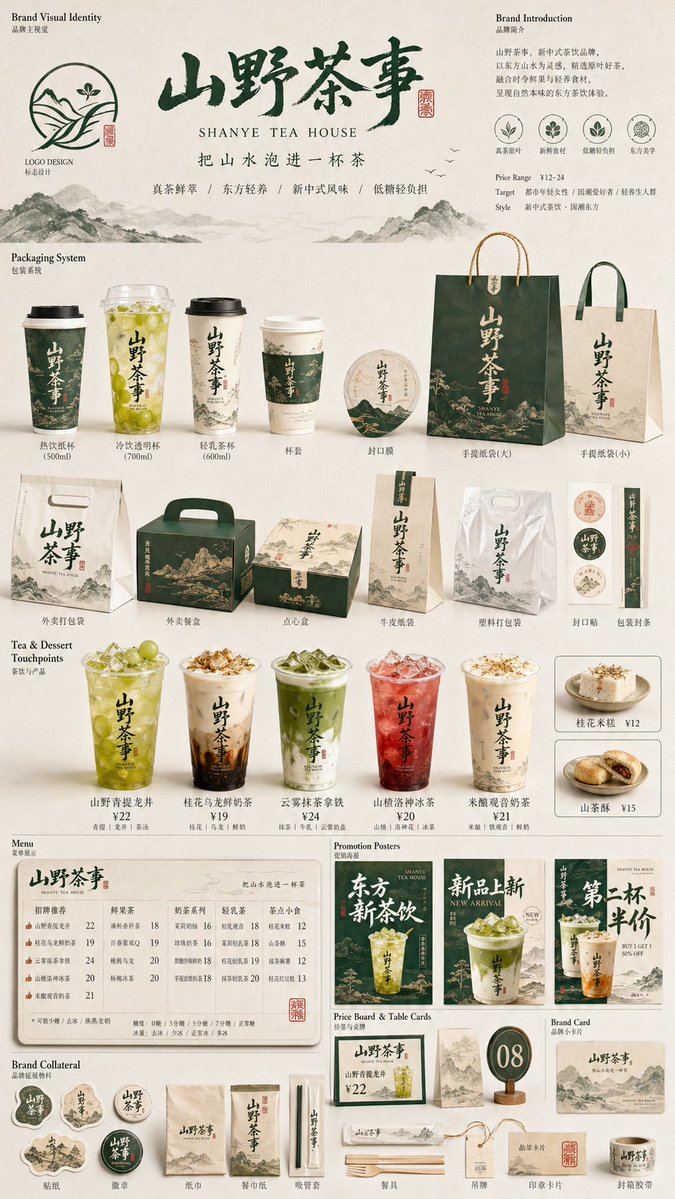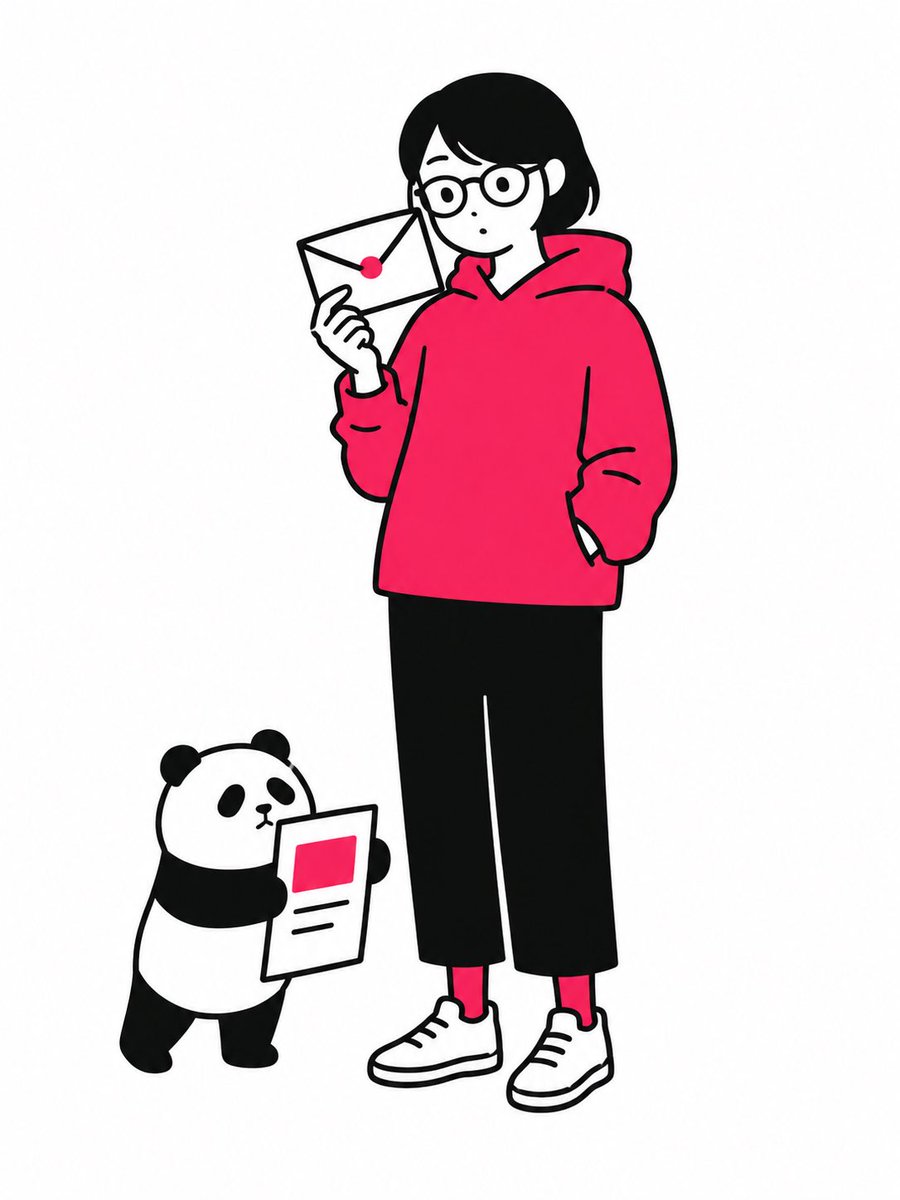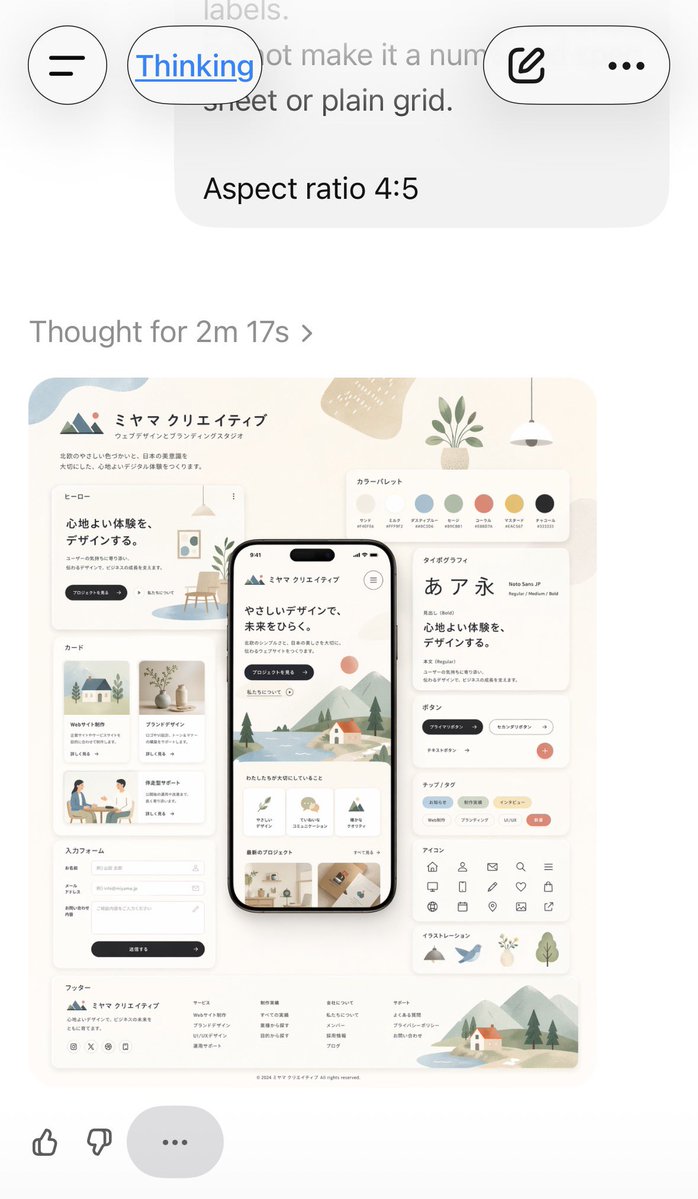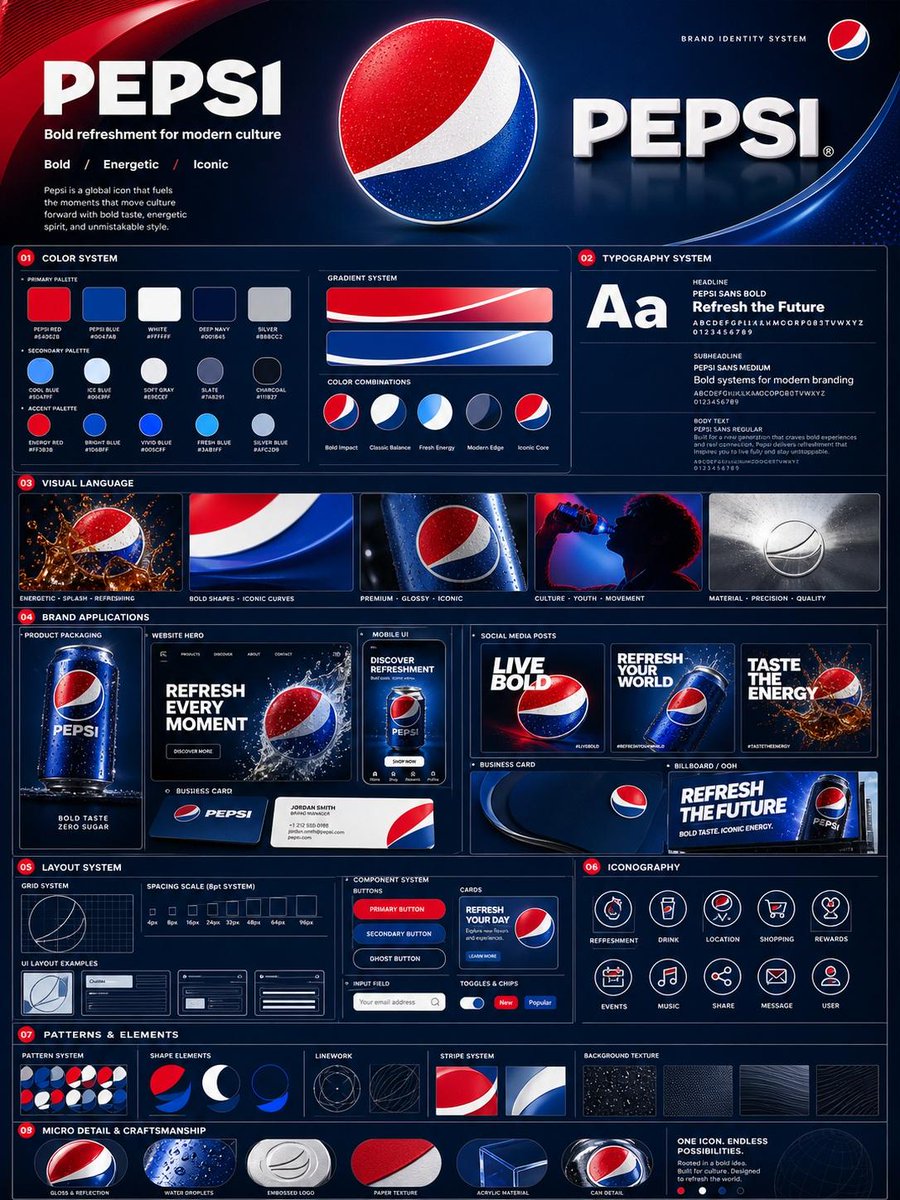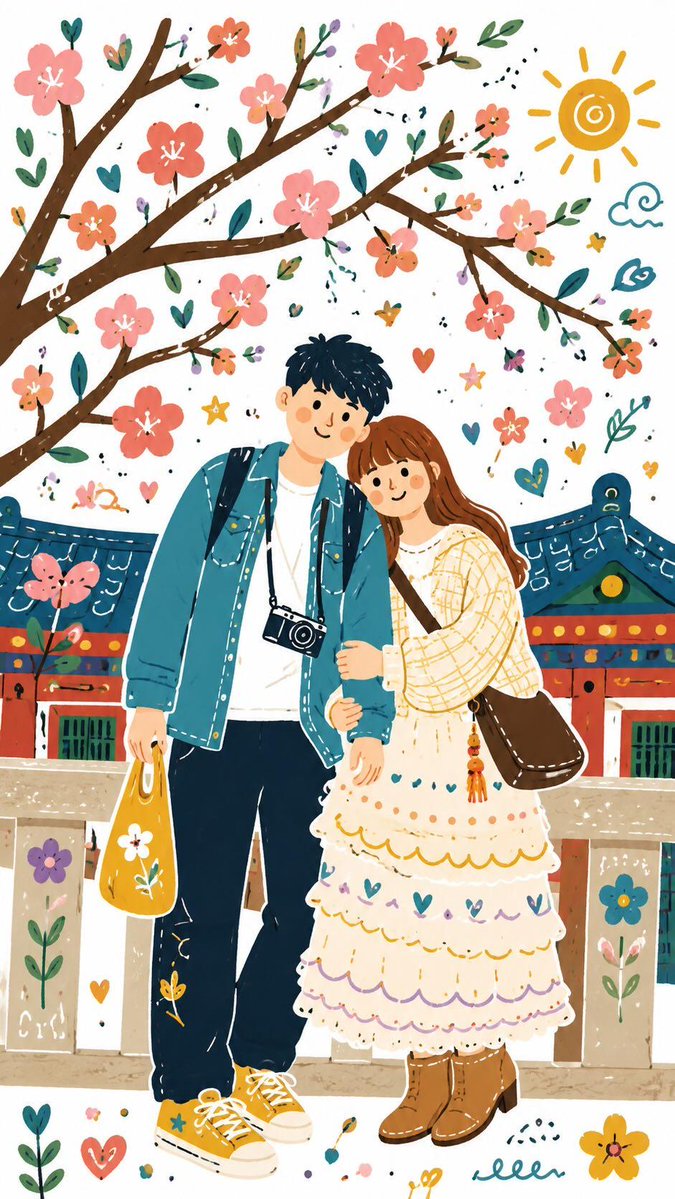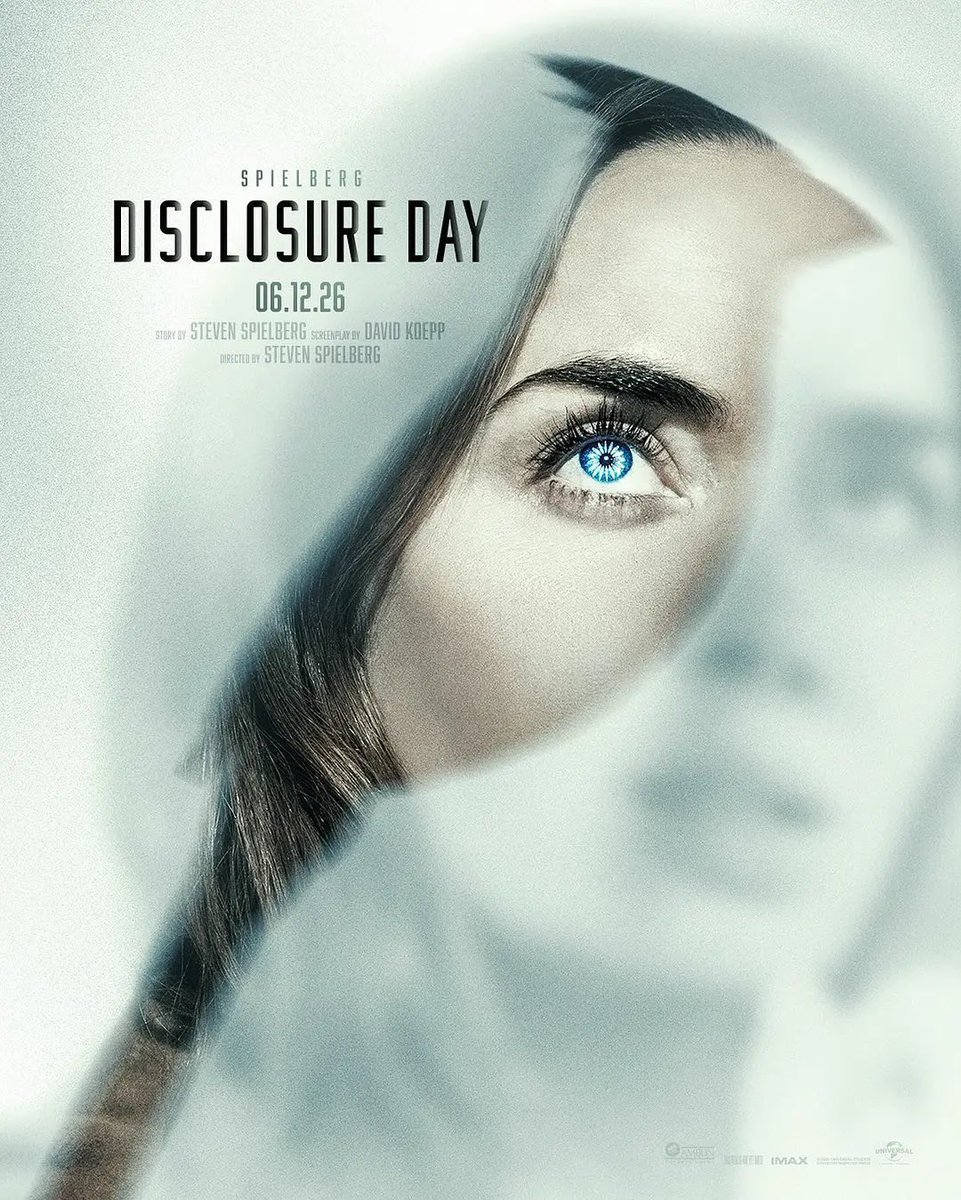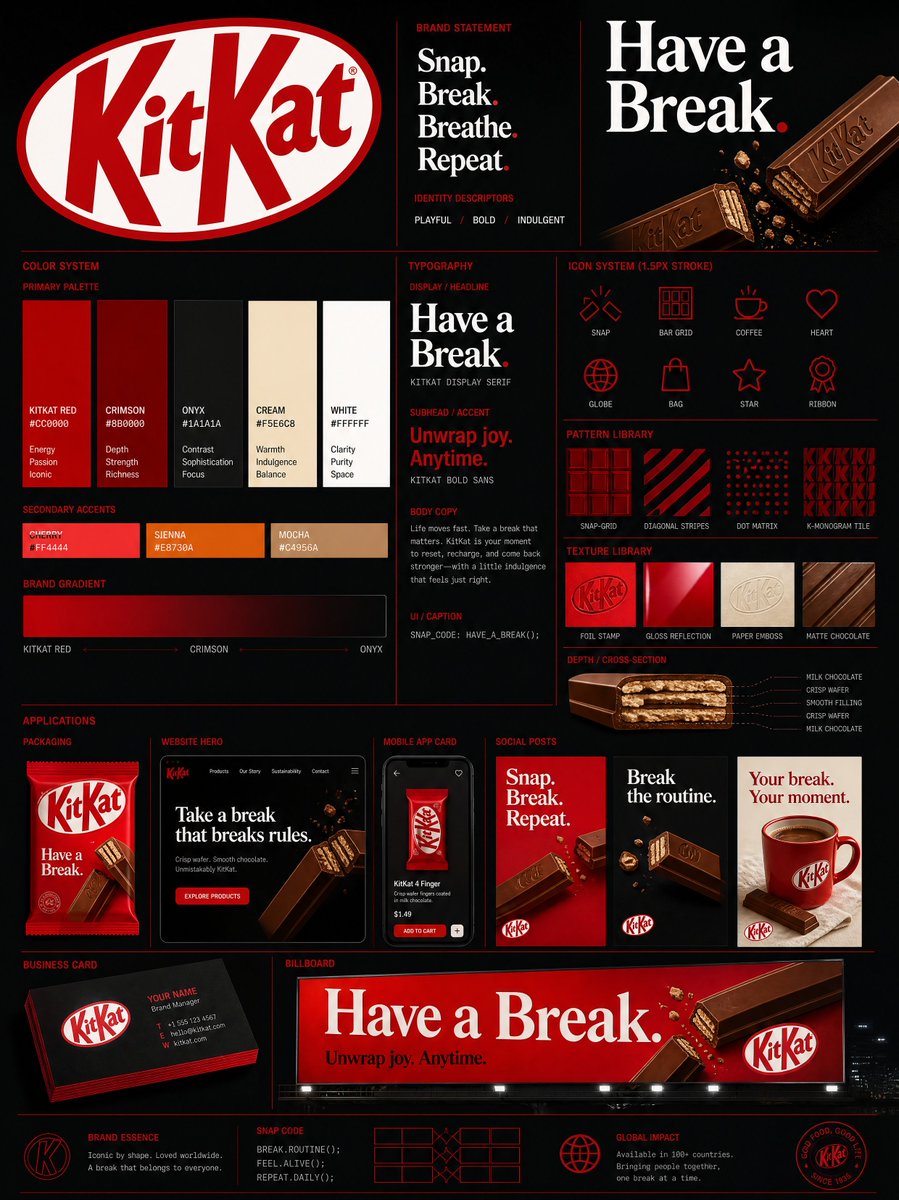
Prompt de imagen Branding y UI Personalizables
Set de identidad de marca con símbolo de logo y maquetas
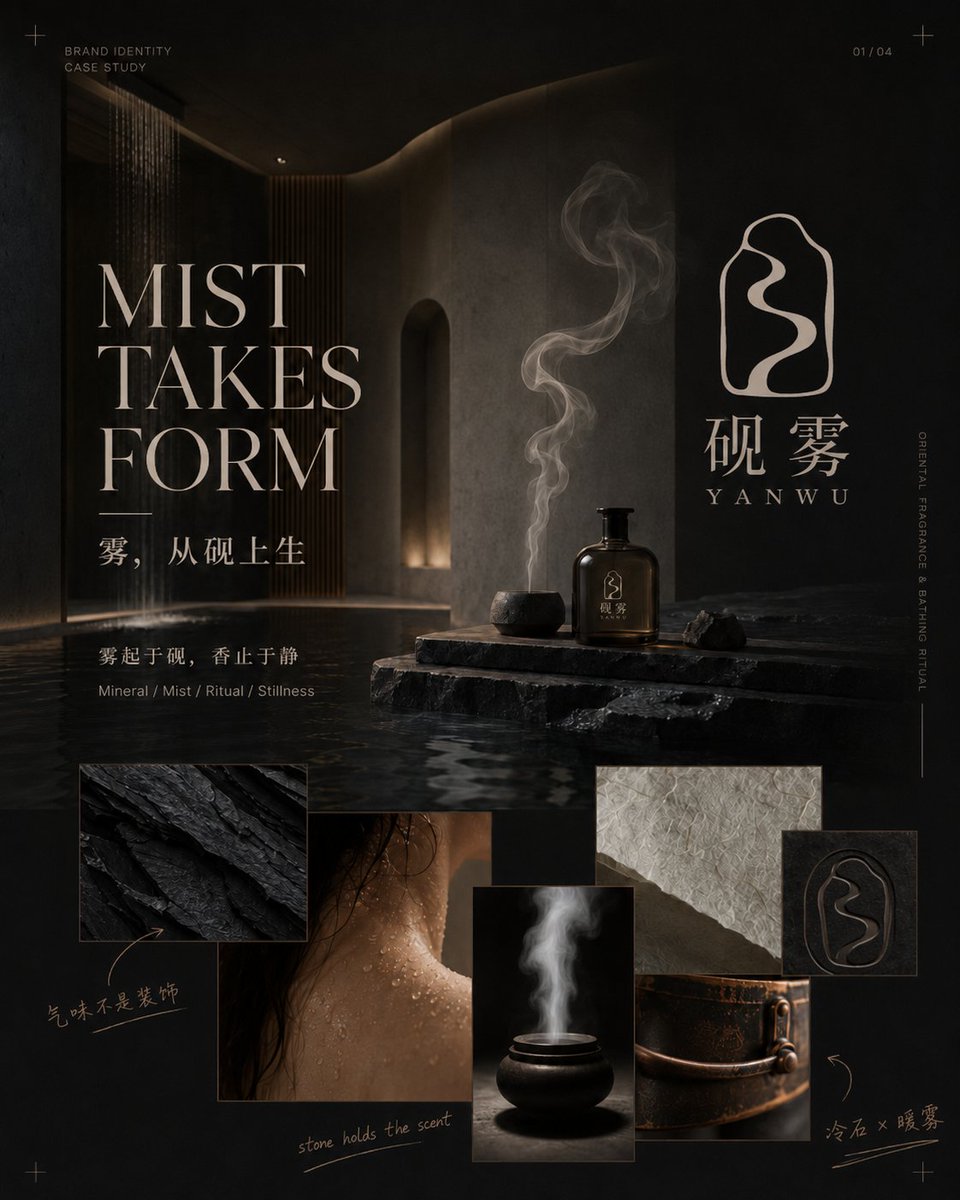
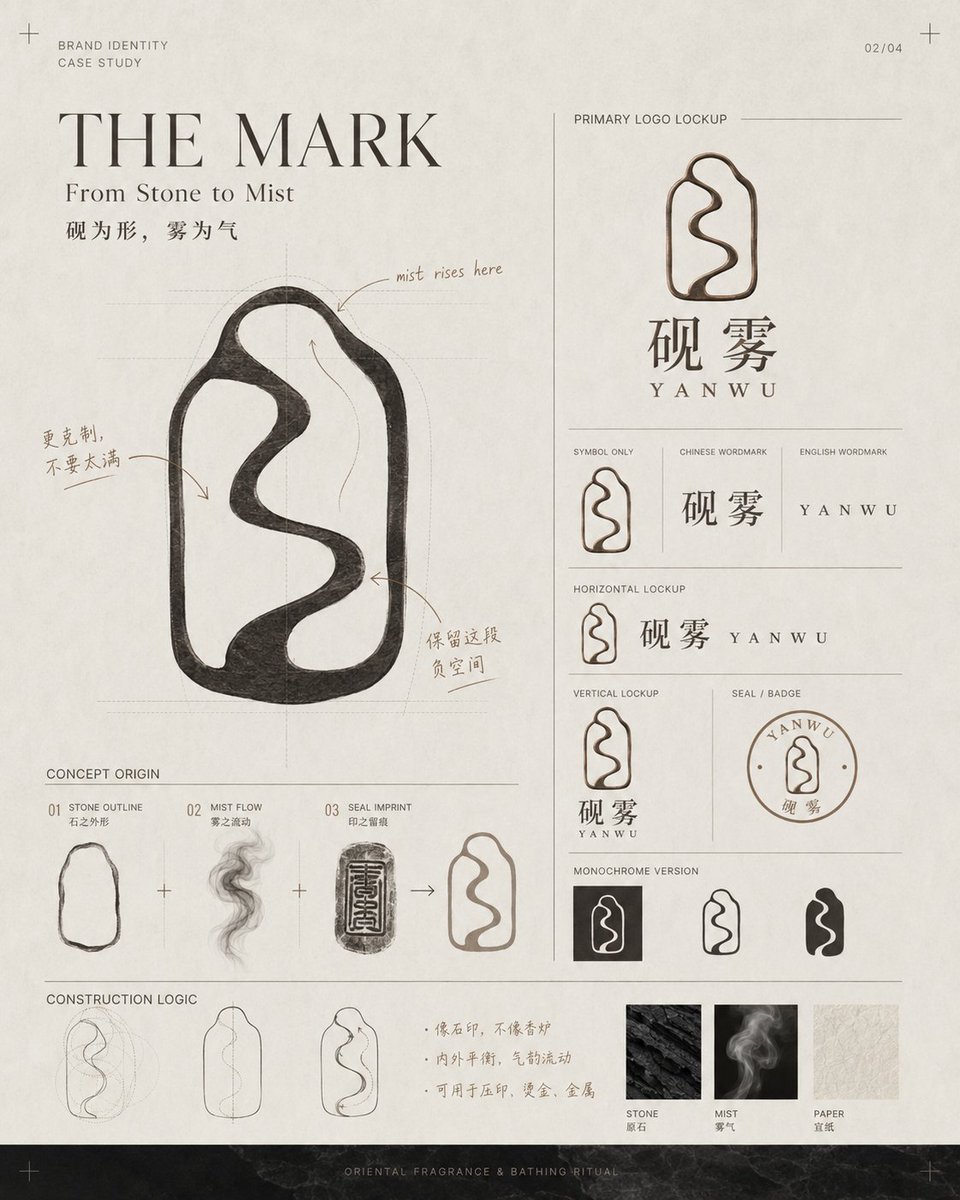
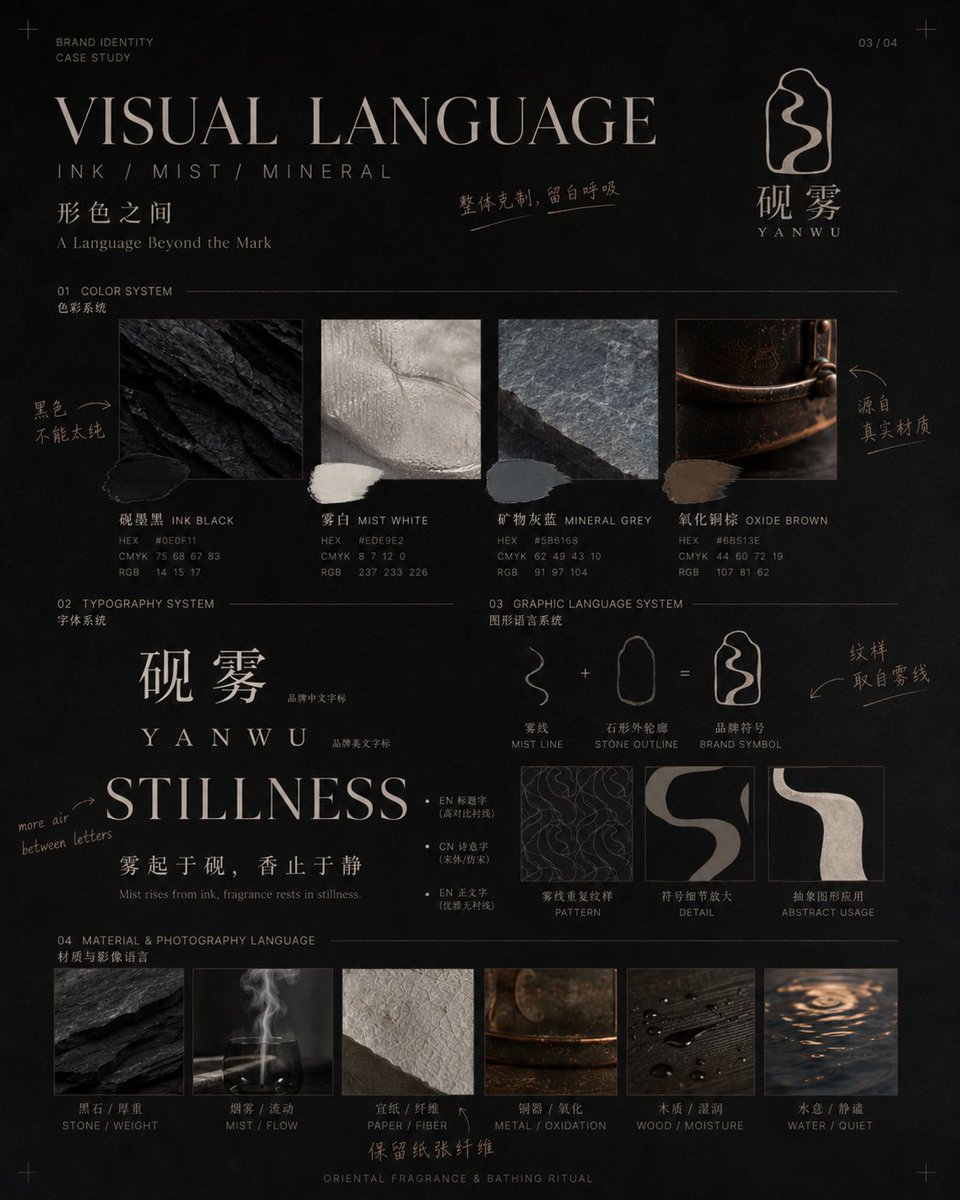
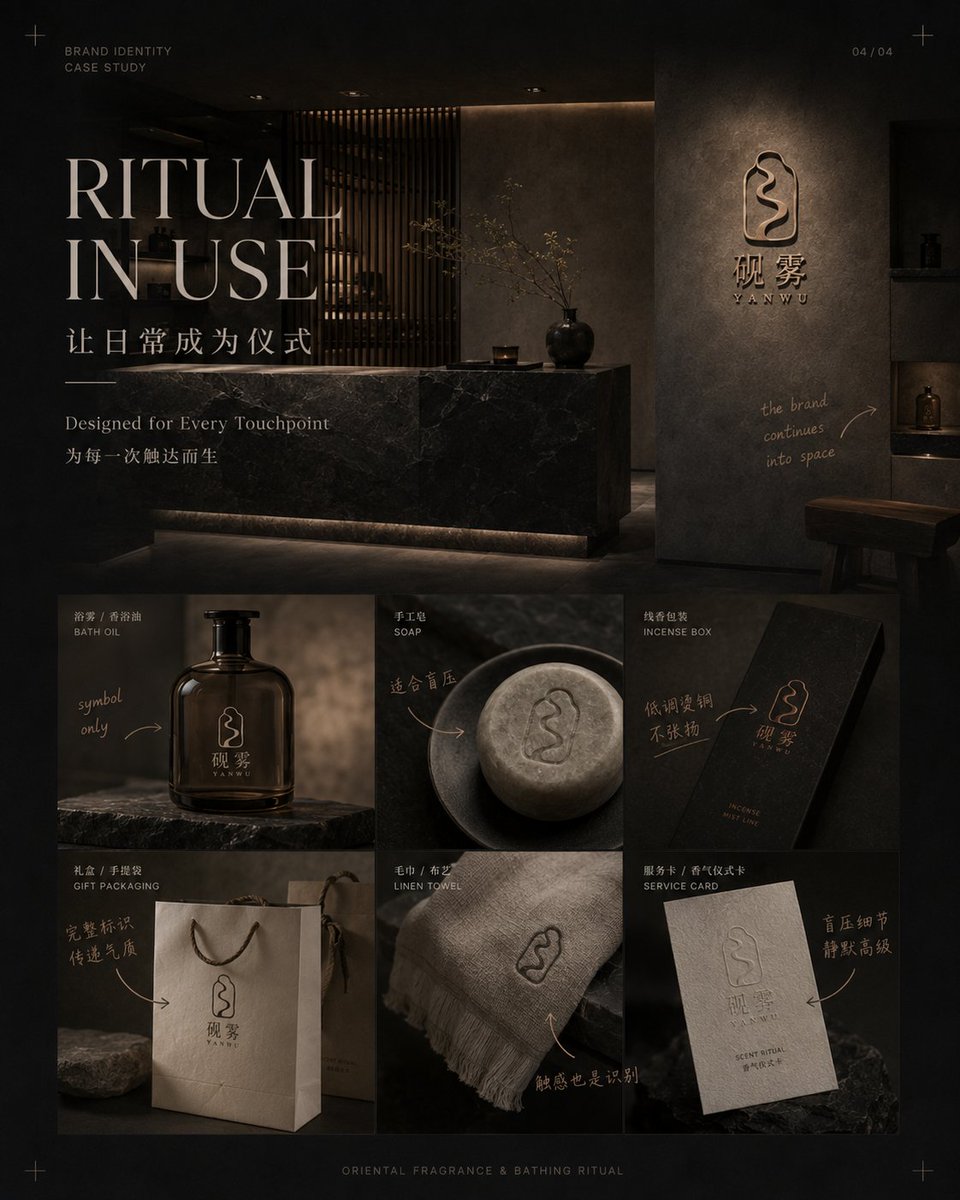
Una propuesta de identidad de marca en cuatro imágenes con maquetación editorial: una portada conceptual, un estudio del símbolo del logo, un sistema de color y materiales, y aplicaciones en productos y espacios reales. Un mismo logo se mantiene coherente en las cuatro páginas.

- Modelo
- GPT Image 2
- Tipo
- 4 imágenes
- Relación de aspecto
- 4:5
- Compartido
- 29 jul 2026
- Me gusta en X
- 230
Prompt de imagen
7,024 caracteresYou are a senior brand designer, logo designer, visual art director, and editorial layout designer. Based on the brand information I fill in, directly design and generate a [Four-Image Brand Visual Identity Proposal] for the same brand. Do not first output image prompts, and do not give only concepts or page outlines — directly generate 4 independent images. [Brand Information] Chinese brand name: [fill in] English brand name: [fill in] Brand industry: [fill in] Main products or services: [fill in] Brand positioning and target audience: [fill in] Brand core philosophy: [fill in] Brand personality keywords: [fill in 3–5] Brand slogan: [fill in, or re-distill from the philosophy] Logo inspiration source: [fill in] Logo type: [abstract symbol / character fusion / letterform graphic / geometric symbol / emblem, etc.] Meaning the logo should express: [fill in] Unwanted elements: [fill in] Overall visual style: [fill in] Main color: [fill in] Secondary and accent colors: [fill in] Main materials: [fill in 3–5] Photographic or spatial atmosphere: [fill in] Main products, packaging, and application scenarios: [fill in] Aspect ratio: [default 4:5 vertical] Text language: [mainly Chinese / mainly English / Chinese-English combined] Additional requirements: [fill in] If some information is not filled in, automatically supplement reasonable solutions based on the brand's industry, positioning, and philosophy; do not stop just because non-essential fields are empty. ━━━━━━━━━━━━━━━━━━ [Design Task] ━━━━━━━━━━━━━━━━━━ First, uniformly design and lock the brand system, including: - An original, clear, independently usable logo mark - Chinese and English wordmarks - Main, secondary, and accent colors - Typography, materials, and photographic language - Auxiliary graphics and patterns derived from the logo - Application methods for product, packaging, materials, and space The logo cannot be text only. It must include a designed independent symbol, related to the brand philosophy, with a clear outline, negative space, or geometric structure, still recognizable when scaled down, and suitable for embossing, hot stamping, embroidery, engraving, and spatial signage. Avoid directly using common industry icons, such as an incense burner, tea leaves, a female profile, a house, an ordinary leaf, lotus, auspicious clouds, tai chi, or a traditional seal. It needs abstraction, simplification, and recomposition to form an original brand symbol. Once the logo is set, the core outline, internal structure, wordmark, and combination method must remain consistent across the four images; do not redesign it in each image. ━━━━━━━━━━━━━━━━━━ [Content of the Four Images] ━━━━━━━━━━━━━━━━━━ Image 1|Brand Worldview and Concept Cover With one large brand key visual, establish the brand's mood and worldview, while clearly showing the full logo, Chinese name, English name, concept main title, brand manifesto, 3–5 mood or material images, and a small amount of handwritten concept notes. Use the structure "big title + large key visual + full logo + irregular mood collage". The logo must be clearly visible but not overpower the main title and brand atmosphere. Image 2|Logo Concept and Symbol Generation Logic With an oversized logo symbol as the visual center, show the full logo, Chinese/English wordmarks, horizontal and vertical combinations, simplified version, concept-origin sketches, negative space, and structural relationships. Add a small amount of hand-drawn outlines, arrows, circles, and the designer's handwritten notes so the audience understands why the logo is designed this way. The page should feel research-like, but must not become a complex engineering drawing or a traditional VI table. Image 3|Brand Visual Language and Design System Show the brand's main color, secondary colors, typography, materials, photographic language, partial logo crops, and auxiliary patterns. Colors must connect to real materials, such as stone, paper, metal, glass, plants, or fabric. Auxiliary graphics must be extracted from the logo outline, internal curves, negative space, or strokes; do not add irrelevant decoration. The layout combines a neat grid with free collage, adding large typography, vertical text, thin lines, and a small amount of handwritten marks. Image 4|Brand Application and Experience Scenarios Show how the brand enters real products, packaging, paper goods, fabrics, and spaces. Depending on the industry, choose 5–7 reasonable touchpoints, such as the main product, gift box, tote bag, card, label, uniform, towel, metal signboard, storefront, reception, or spatial wayfinding. Use the structure "one large product or space key visual + 4–6 application details". The full logo, standalone symbol, and auxiliary patterns should be used in layers; do not print the full brand name repeatedly on every item. ━━━━━━━━━━━━━━━━━━ [Whole-Set Visual Requirements] ━━━━━━━━━━━━━━━━━━ The whole set uses a design language combining a high-end brand proposal, editorial magazine design, an art direction board, and modern visual identity cases. Each image must have: - A striking large main title - A short subtitle - One core explanatory line - 2–4 keywords or info labels - 2–4 meaningful handwritten notes - A clear visual center - About 25%–35% white space The main title must participate in the composition — it can be enlarged, cropped, offset, arranged vertically, or interwoven with images and the logo; it cannot be just an ordinary header. Handwritten marks can use short phrases, arrows, circles, underlines, or simple sketches to explain the logo, typography, colors, materials, and craft. Handwritten content must be short, clear, and meaningful, avoiding meaningless gibberish and screen-filling scribbles. The four images use a unified brand name, logo, typography, color scheme, materials, photographic atmosphere, margins, and guides, but the layouts cannot be identical: - Image 1: large key visual and mood collage - Image 2: oversized logo and structural study - Image 3: color, typography, and material system - Image 4: product, space, and application implementation Avoid ordinary PPT, simple moodboards, traditional VI tables, stock-site mockup collections, neatly repeated grids, long body text, crowded information, low-quality 3D materials, cheap gold, color drift, and logo structure changes. ━━━━━━━━━━━━━━━━━━ [Output Requirements] ━━━━━━━━━━━━━━━━━━ Directly generate 4 independent 4:5 vertical images; do not merge the four into a single collage, and do not output image prompts first. Generate in the following order: 1. Brand Worldview and Concept Cover 2. Logo Concept and Symbol Generation Logic 3. Brand Visual Language and Design System 4. Brand Application and Experience Scenarios If only one image can be generated at a time, start directly from Image 1 and continue generating Images 2, 3, and 4 following the same already-locked logo and visual system, with no need to re-plan or change the design direction.
Cómo usarlo
Rellena los campos entre corchetes con el nombre de tu marca, tu sector, tu filosofía y tus colores, y mantén la instrucción de que el logo debe ser idéntico en todas las imágenes para que el conjunto tenga coherencia. Conserva la estructura de maquetación de cada imagen, ya que las cuatro composiciones distintas son lo que hace que el conjunto se lea como una propuesta. Se compartió como prompt para GPT Image 2, así que está escrito para la generación de imágenes de ese modelo.
En coleccionesPrompts para paneles de identidad de marca
Compartido públicamente en X el 29 jul 2026. Todo el mérito de este prompt y de su resultado es de su creador. ¿Es tuyo? Pide que se actualice o se elimine.