Bild-Prompt Poster & Typografie Anpassbar Dein Foto hinzufügen
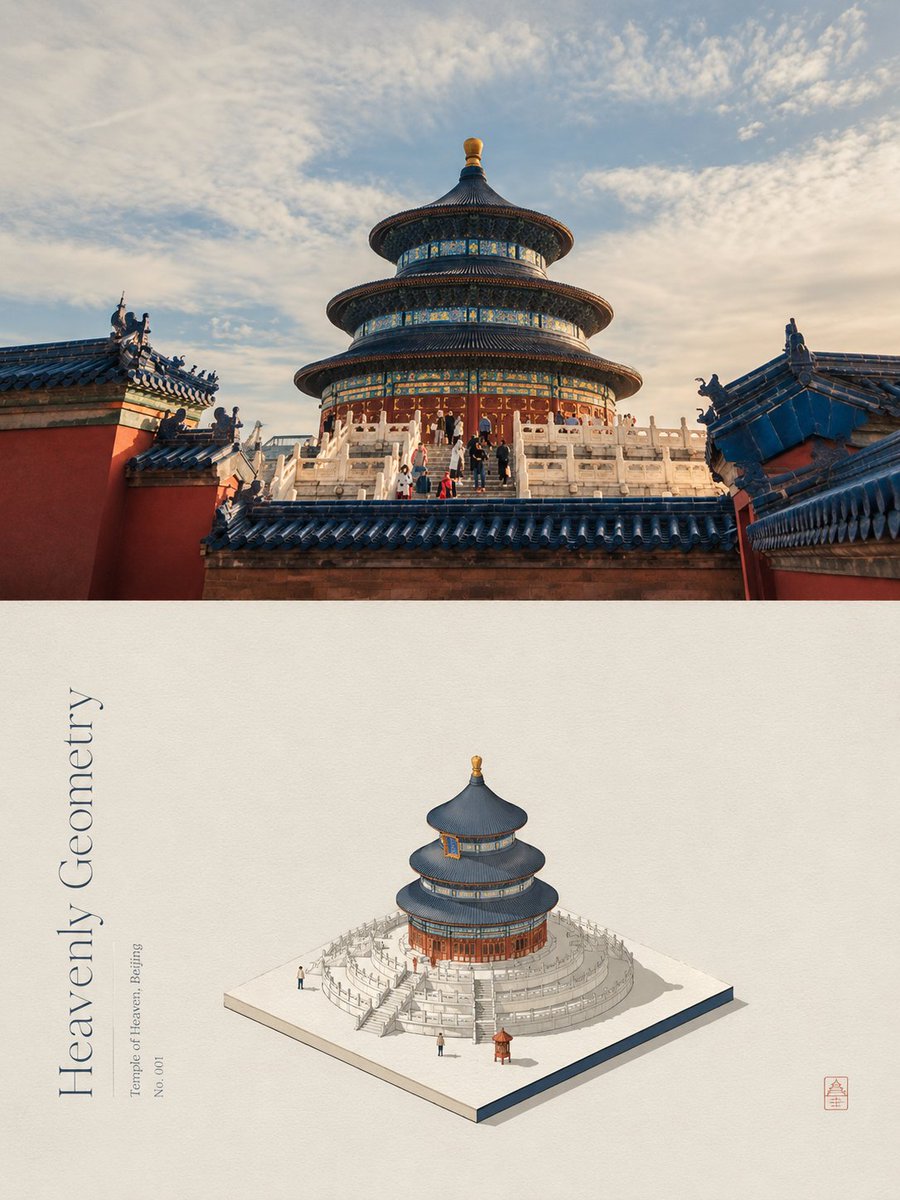
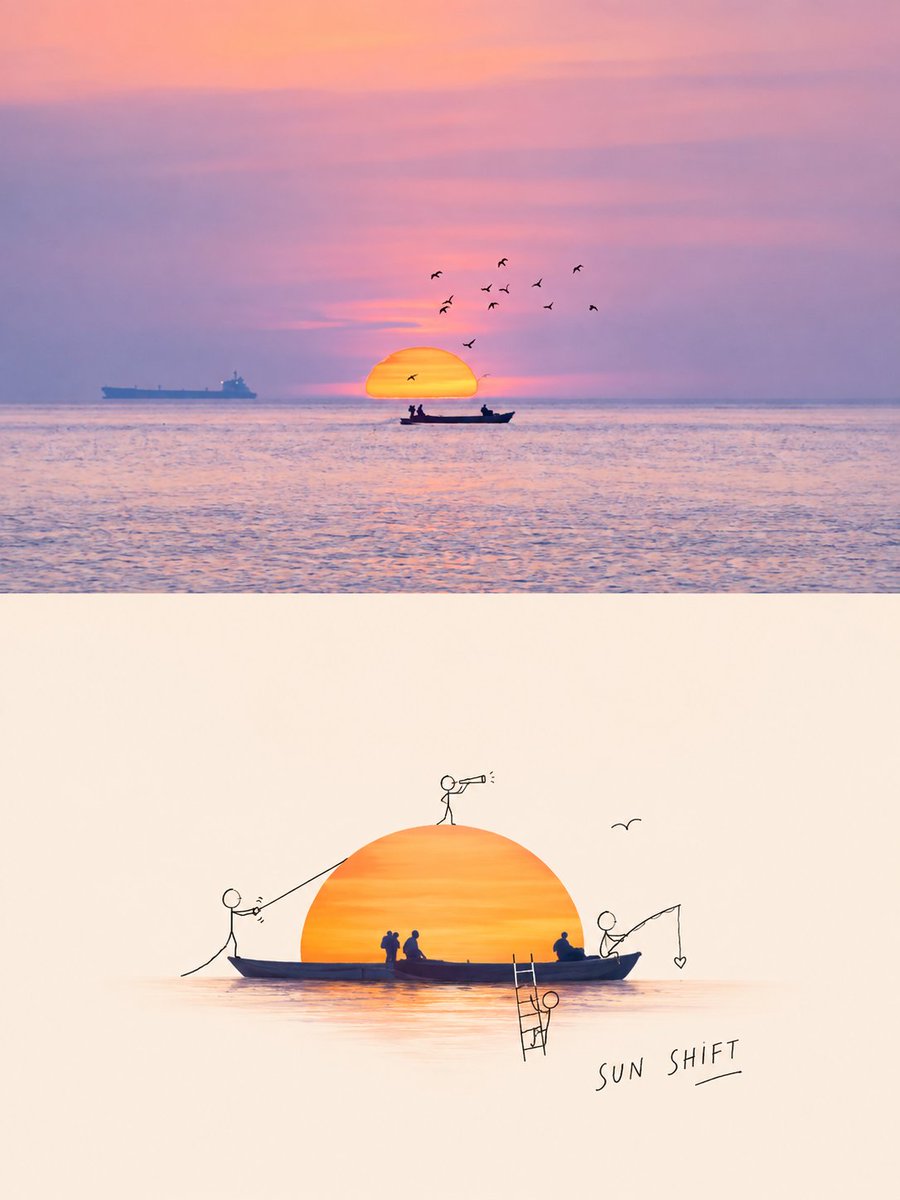
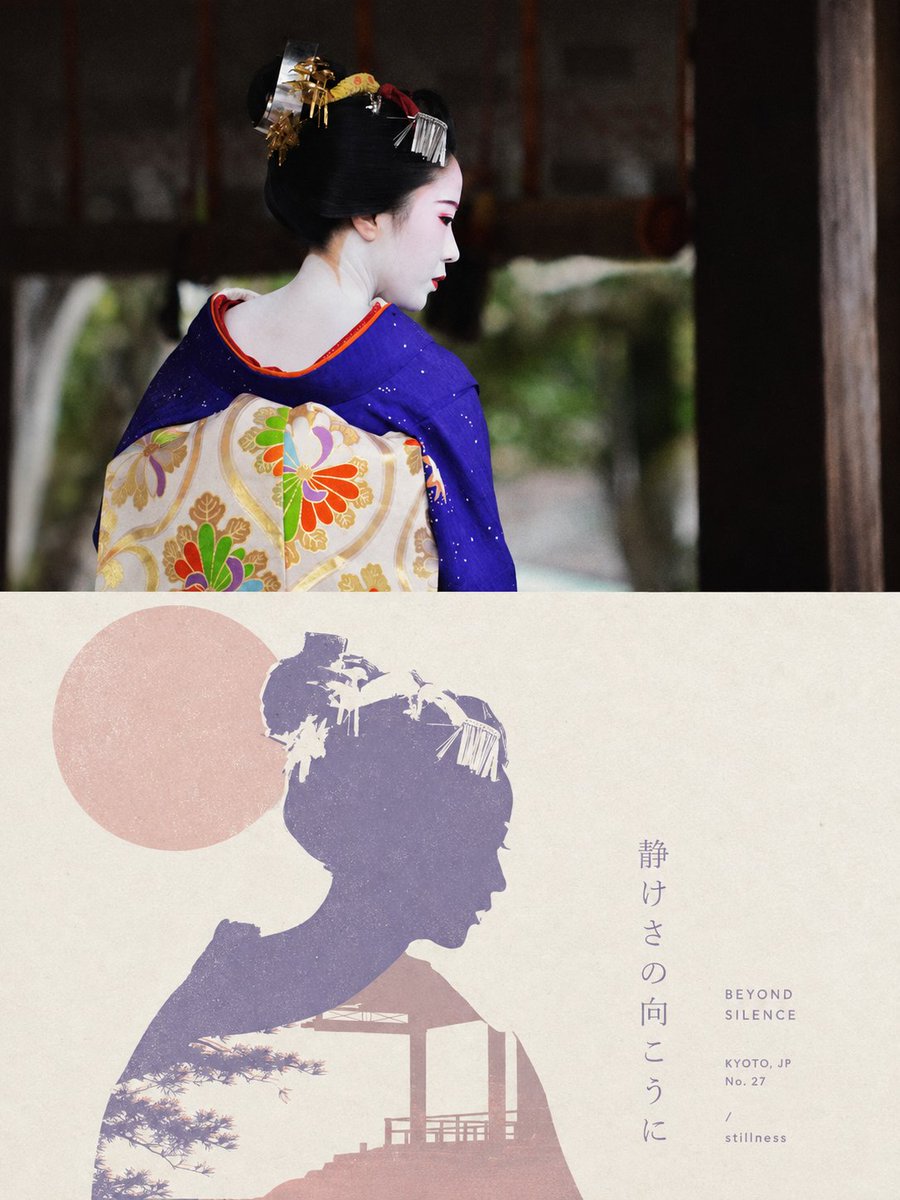
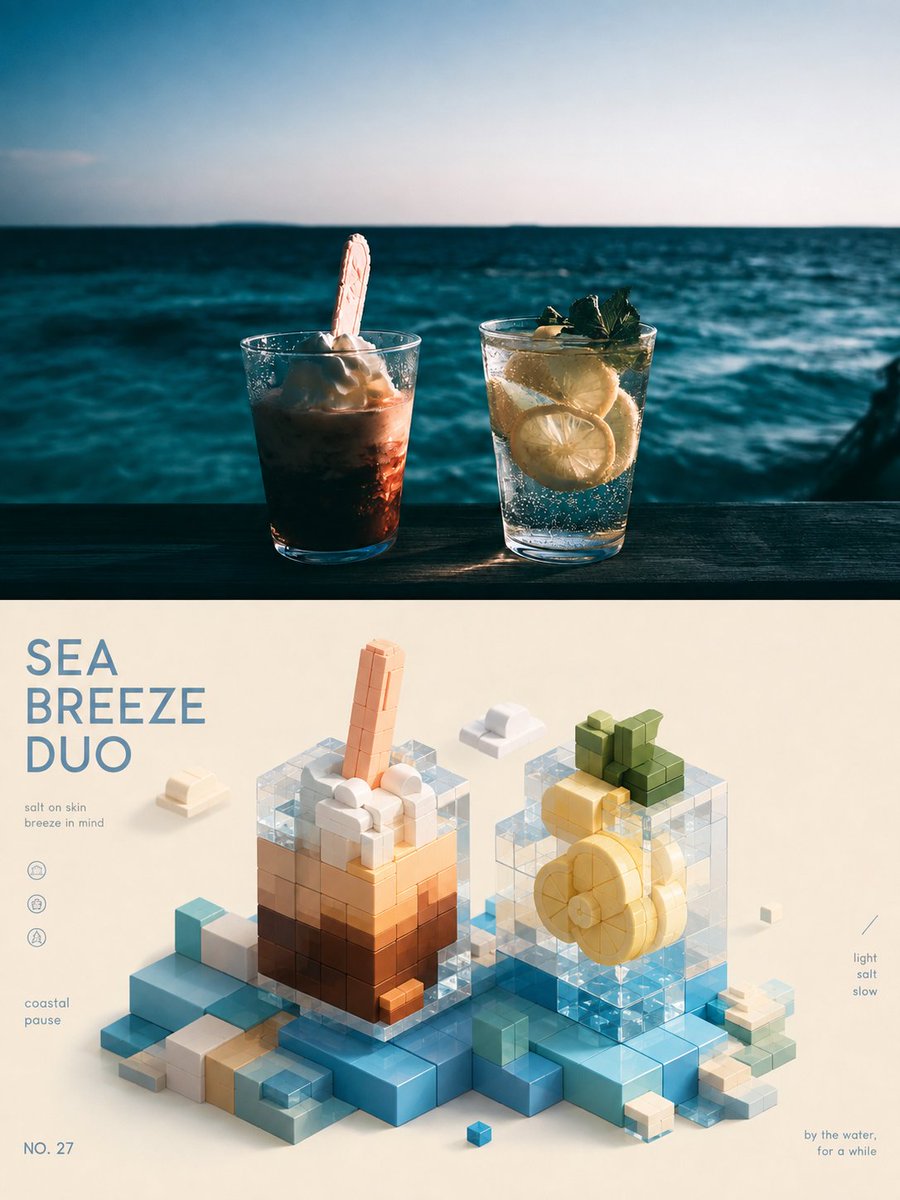
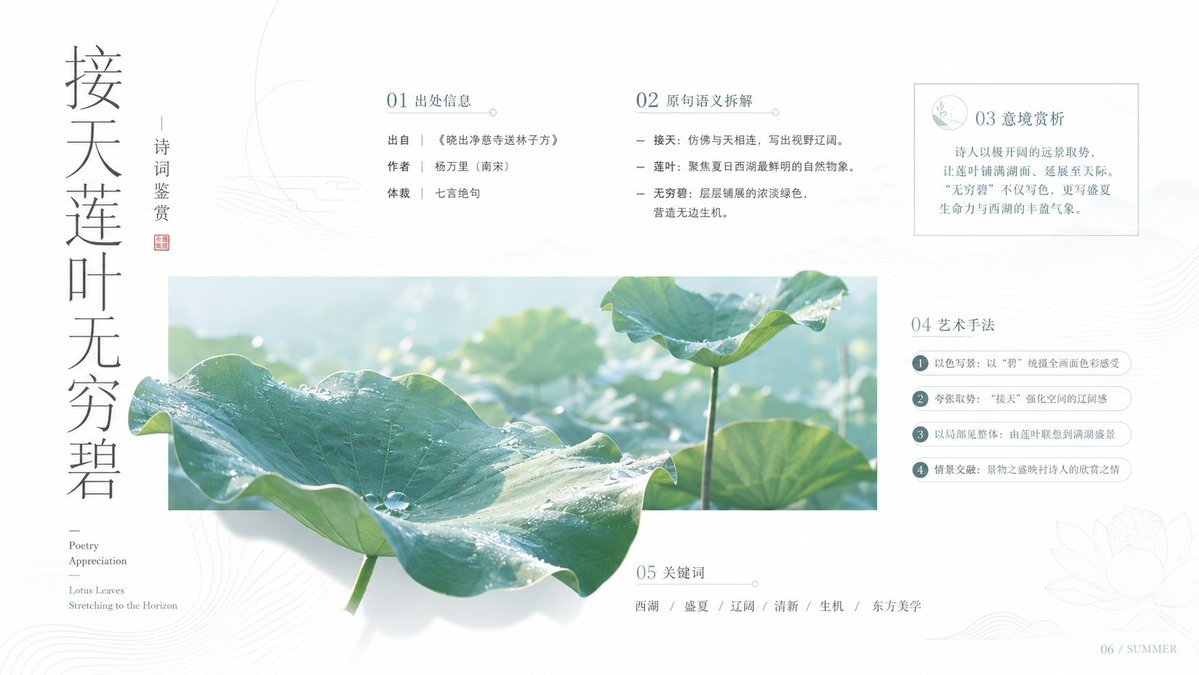
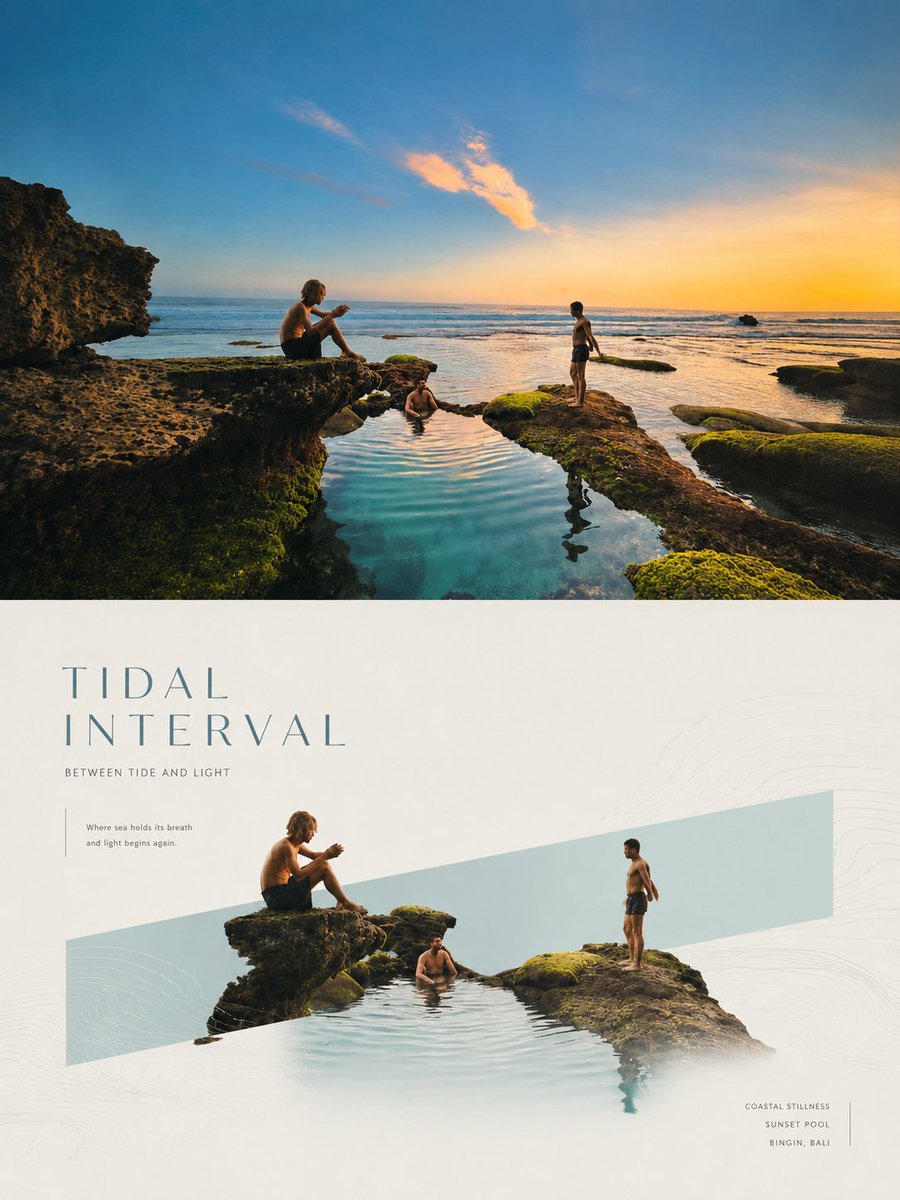
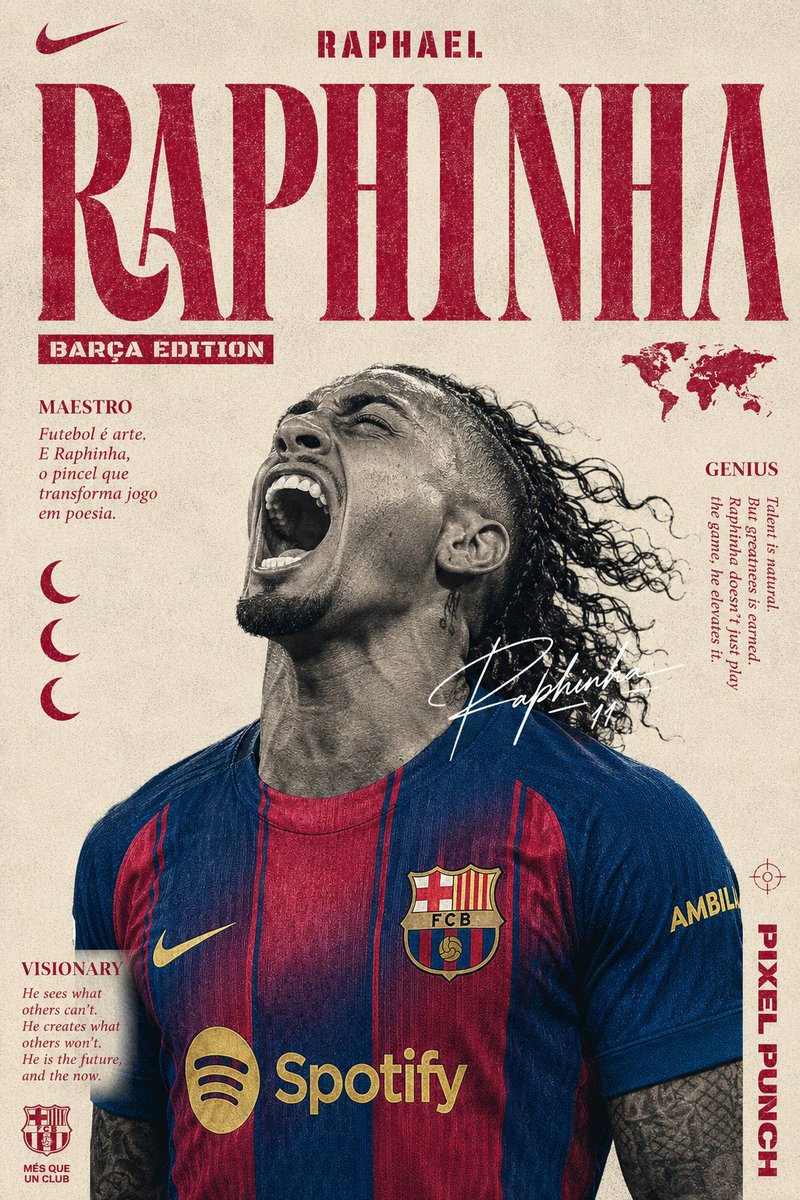
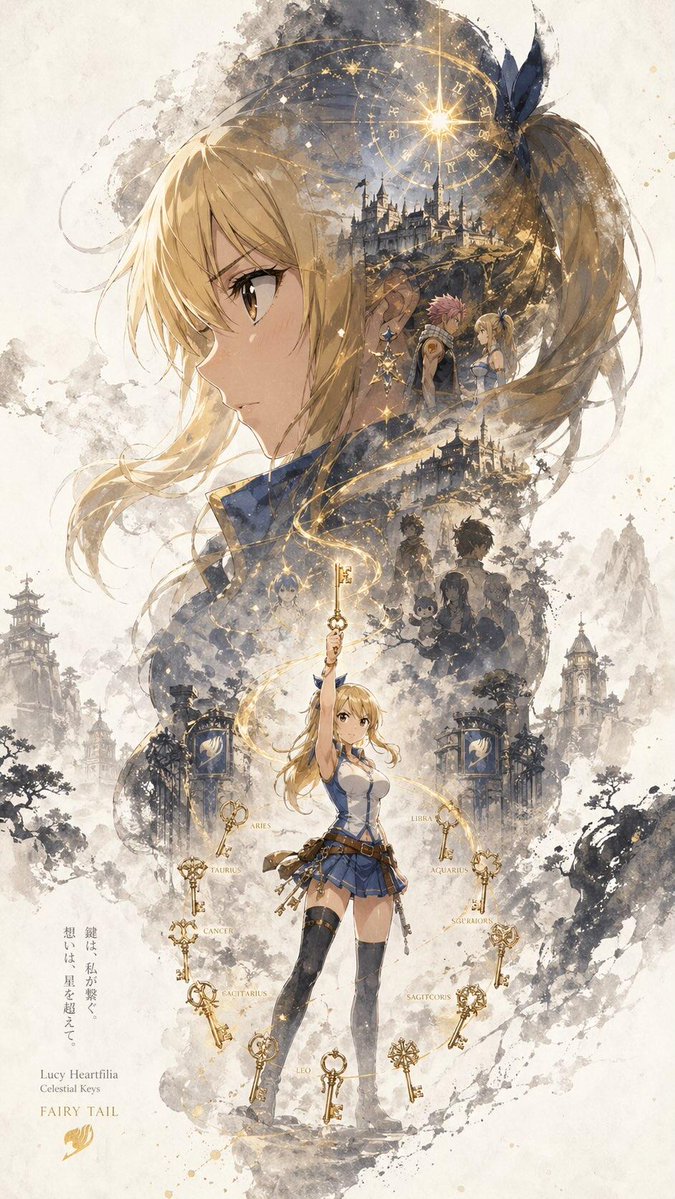
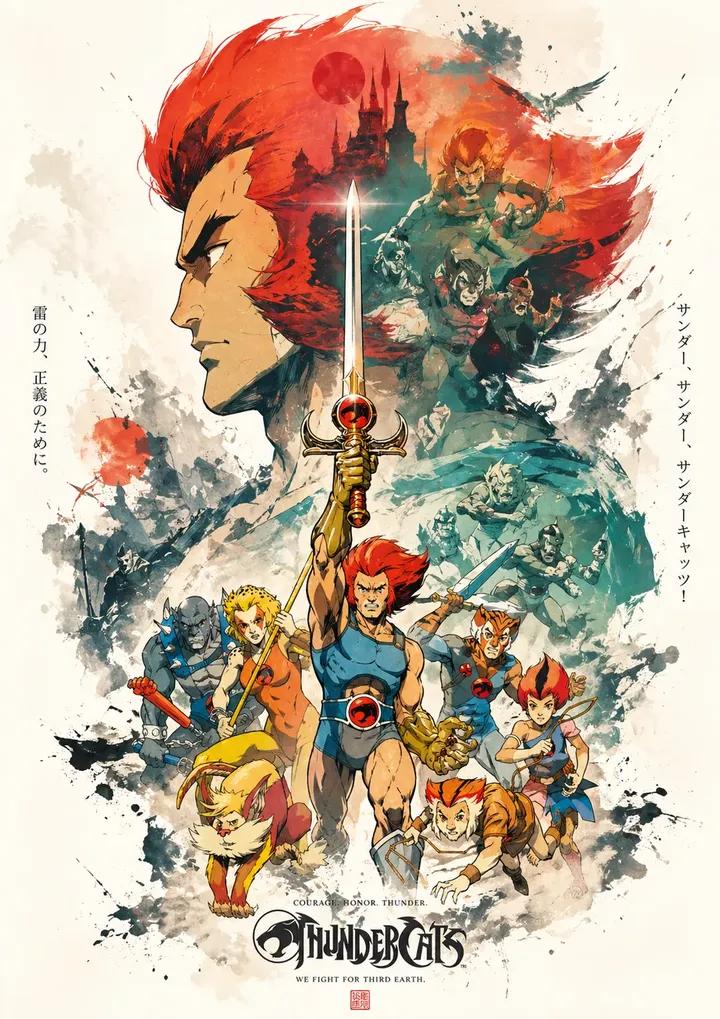
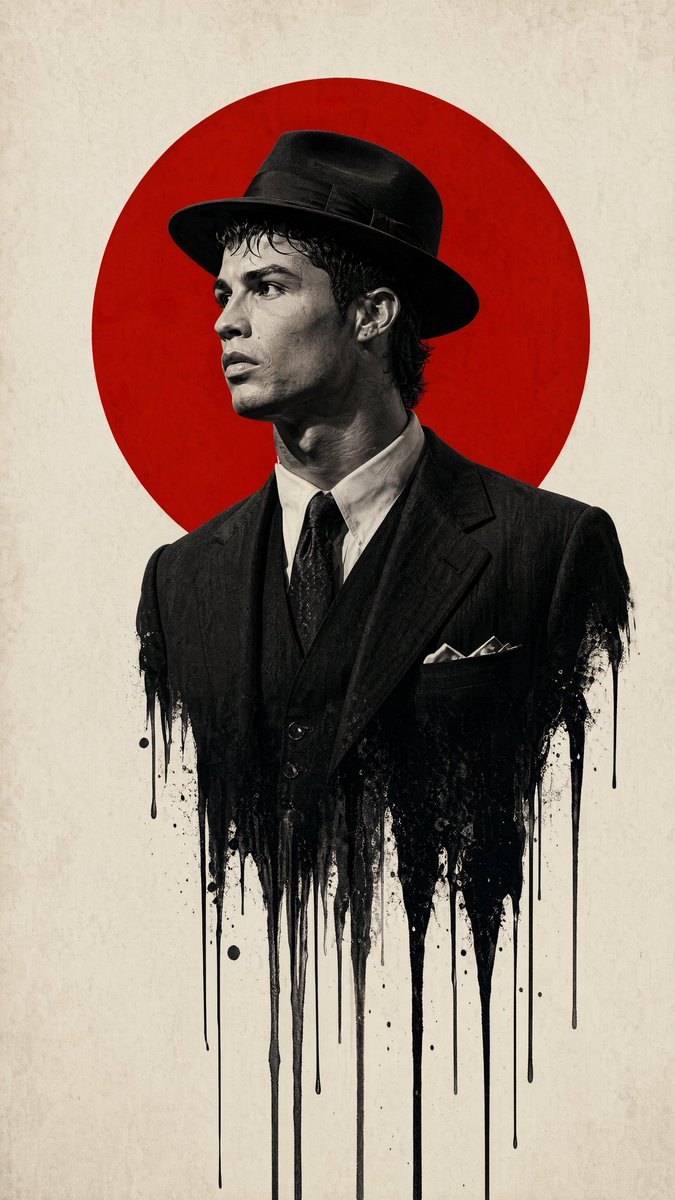
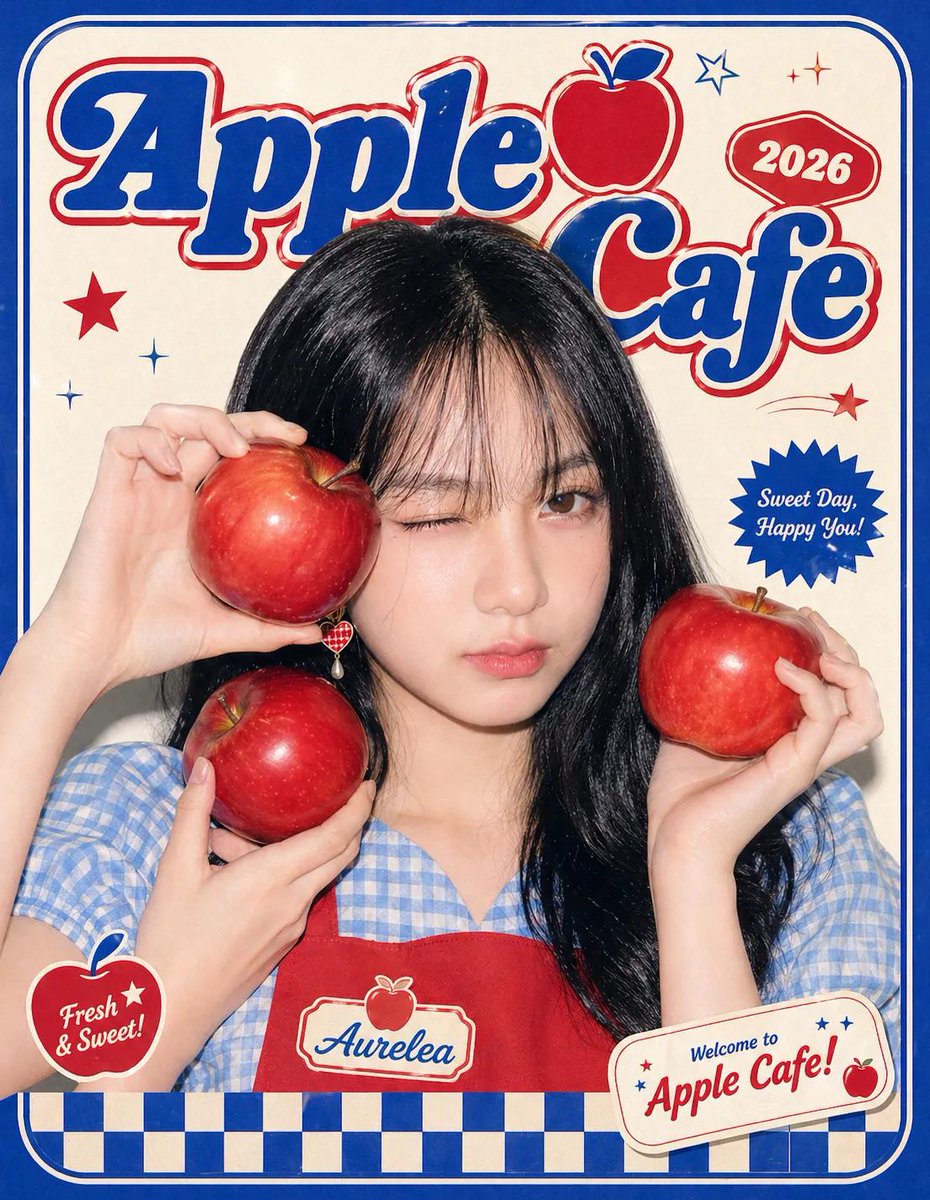
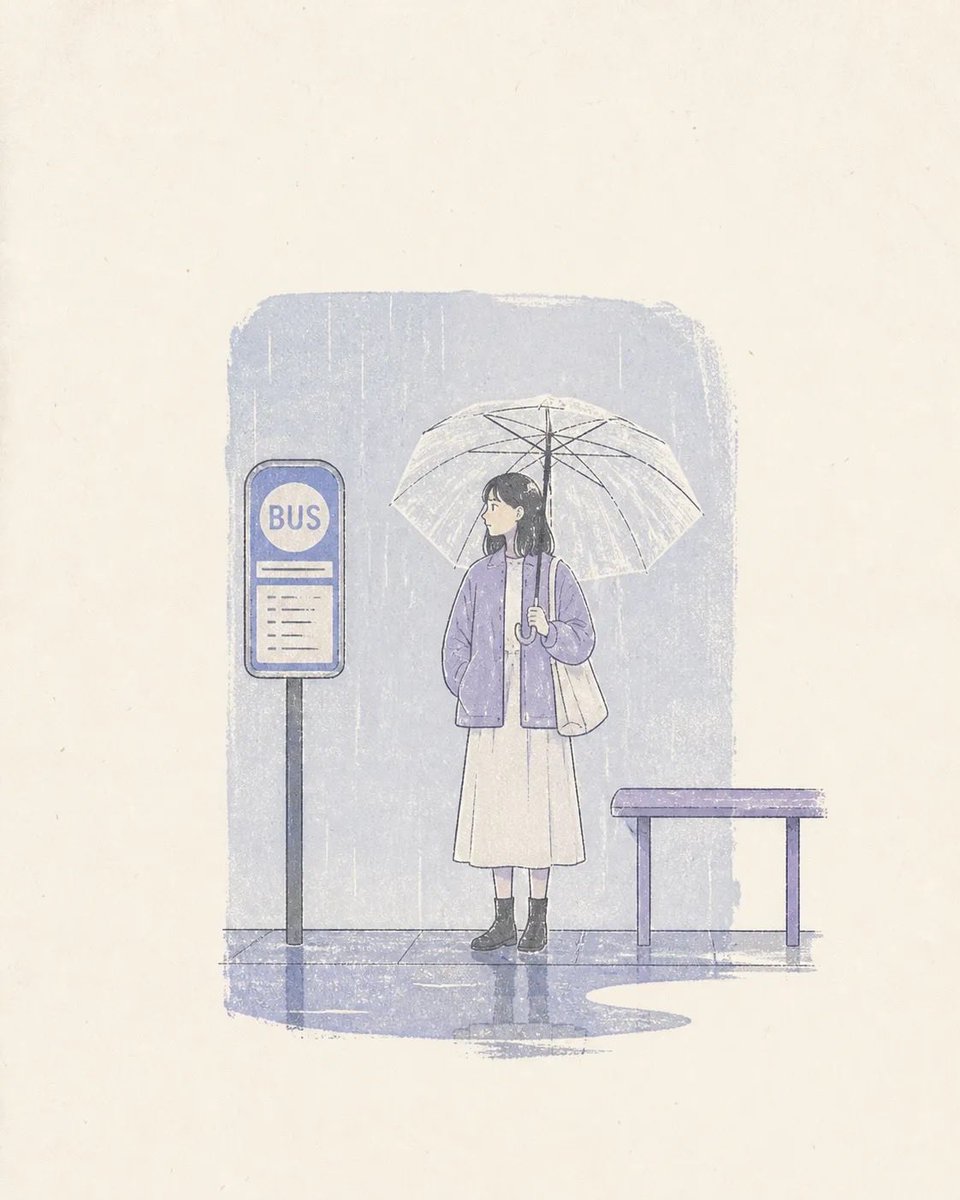
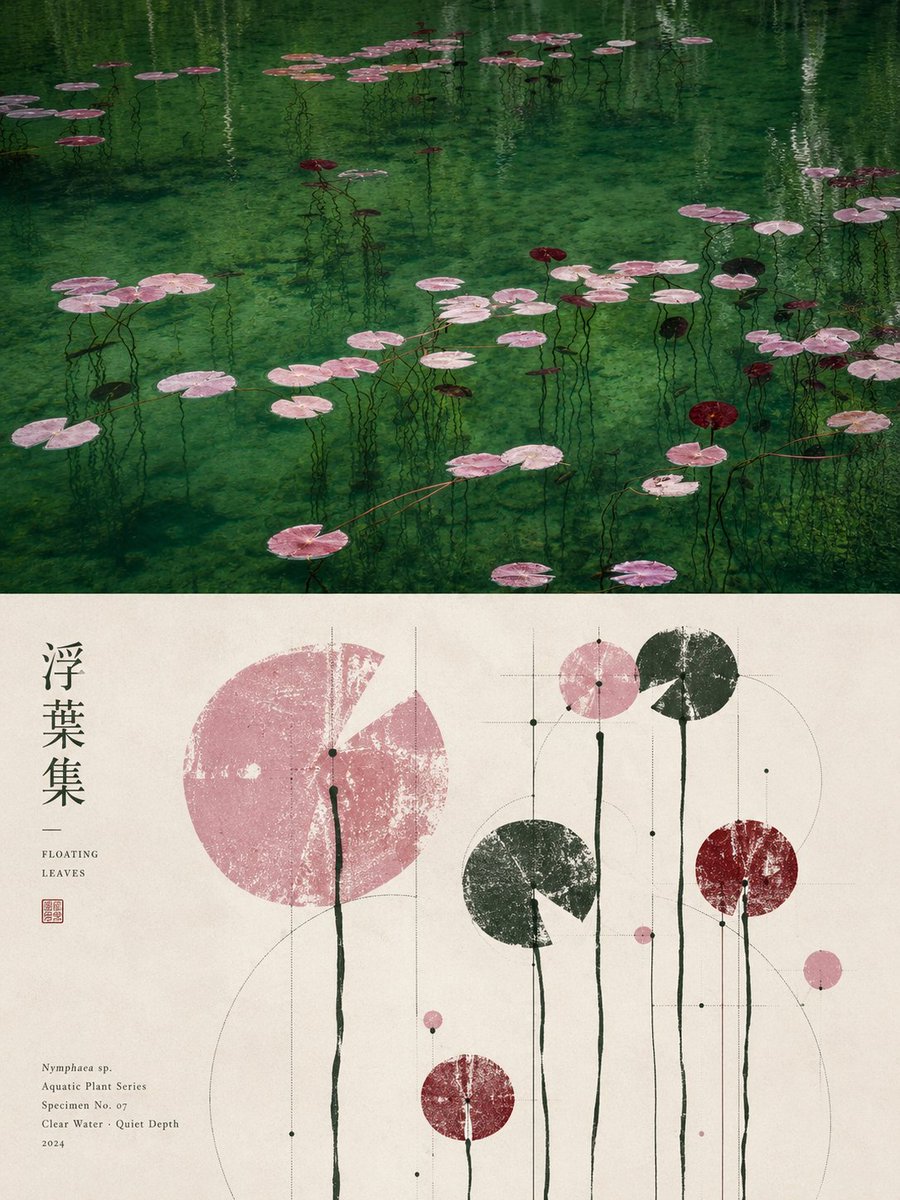
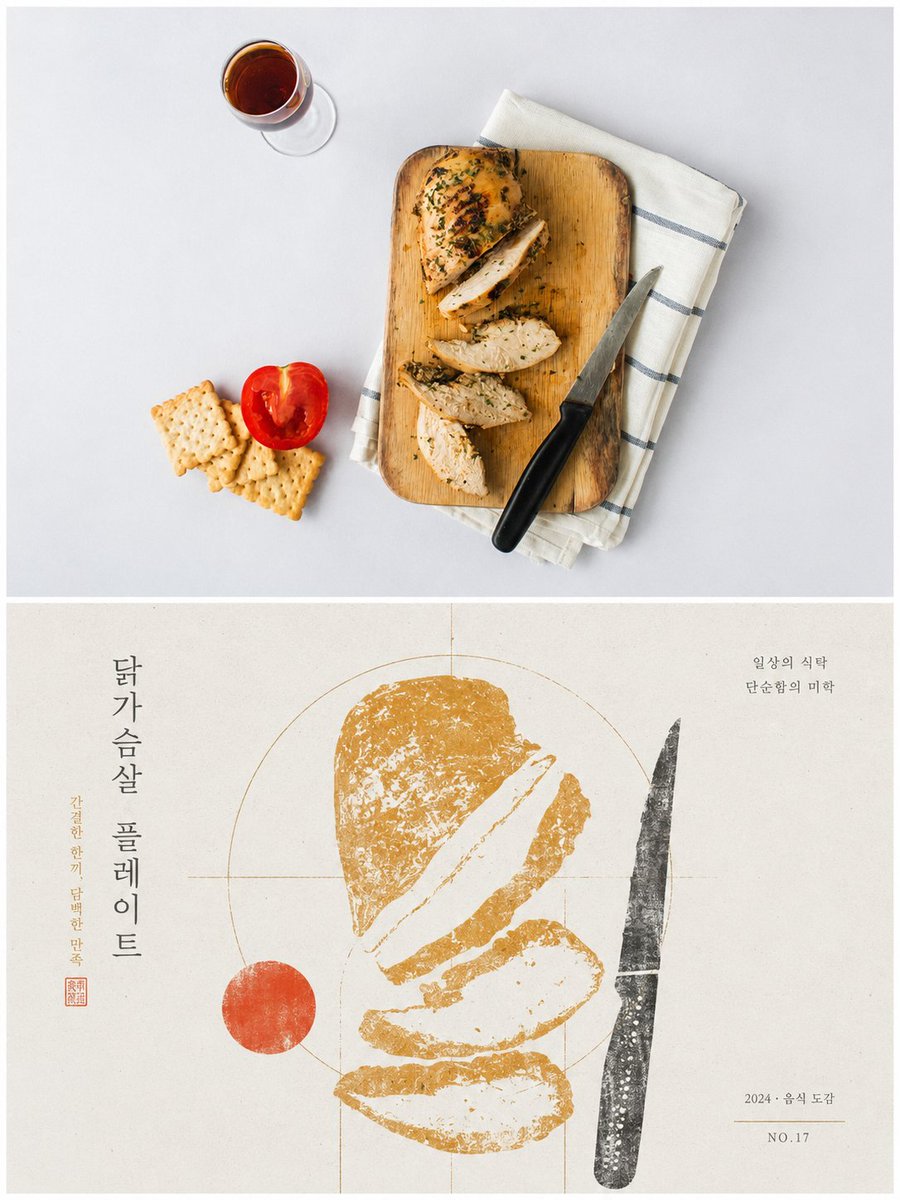
Geteiltes Fotoposter im Frottage-Design
Die obere Hälfte bewahrt das Originalfoto unverändert, während die untere Hälfte das Motiv als reduzierte, geometrische Frottage-Grafik neu aufbaut. Das Ergebnis wirkt wie ein ruhiger Archivdruck mit einer haptischen, von Tinte gezeichneten Oberfläche.

- Modell
- GPT Image 2
- Typ
- 2 Bilder
- Seitenverhältnis
- 3:4
- Geteilt
- 21. Aug 2026
- Likes auf X
- 109
Foto
Bild-Prompt
4,373 ZeichenPlease turn each uploaded photo into a separate high-end design poster, one photo per output with no multi-image collage, using a 3:4 vertical layout divided strictly into two equal 1:1-height sections, each occupying 50% of the canvas. The upper half preserves the original photograph, including its subject structure, authentic material qualities, natural lighting, and original color atmosphere, with only subtle editorial-grade color correction to achieve the refinement of an art publication or exhibition photograph; the sky, ground, or surrounding environment may be naturally extended when necessary to fit the composition, but the subject must never be stretched, distorted, or structurally altered. The lower half extracts the most recognizable subject, silhouette, posture, and narrative relationship from the photograph, first interpreting its underlying meaning, cultural character, emotional relationship, or symbolic essence, then reconstructing it into a graphic composition combining folk-archive imagery, antique rubbing aesthetics, and contemporary editorial design. Do not translate every visible object literally and do not add generic traditional motifs; retain only one dominant visual motif and a very limited number of secondary forms that genuinely contribute to the meaning, using silhouette reduction, negative space, selective enlargement, shape fusion, abstraction, and symbolic transformation so the result remains recognizably connected to the original while expressing something beyond its literal appearance. Build the composition on a rigorous geometric skeleton and proportional system derived from the subject itself, reducing its structural logic into circles, squares, triangles, arcs, axes, repeated ratios, or directional angles, then make every graphic element, typographic element, and area of negative space respond to the same geometric parent system through alignment, tangency, shared axes, nesting, mirroring, proportional progression, cropping, or controlled overlap. The layout may be asymmetric, off-center, freely distributed, cropped, or extended beyond the frame, but it must maintain a precise visual center of gravity, hierarchy, rhythm, tension, and negative-space logic; from a distance the composition should feel disciplined and architecturally ordered, while closer inspection reveals the irregularities and tactile traces of traditional printing. Derive the palette from the most distinctive, vital, and spirited colors in the original photograph rather than using predetermined folk colors: use a bright clean paper tone as the breathing field, one deep tone to establish structural weight, and one or two colors drawn from the original image to organize the main motif and restrained accents, controlling hierarchy through area ratio, overprinting, and value contrast; colors should feel clean, vivid, refined, and full of energy rather than muddy, artificially aged, or excessively multicolored. Use a hybrid material language of woodblock rubbing, dry-brush screen printing, archival illustration, and paper texture, allowing broken ink, abrasion, exposed paper, uneven pigment coverage, and subtle printing imperfections mainly inside graphic forms while keeping important contours, geometric relationships, and the overall layout precise and legible, creating a contrast between tactile roughness and rigorous modern structure. Typography should remain secondary and function as part of the composition rather than as a conventional title block: derive a small amount of title text or micro-annotation from the subject's theme, symbolism, identity, or cultural meaning, and position it along geometric axes, negative spaces, edges, or structural boundaries through alignment, nesting, rotation, or subtle overlap without competing with the main image. The final result should embody meaning-first reconstruction, restrained symbolism, rigorous geometry, tactile print texture, controlled negative space, and a sophisticated balance between traditional cultural memory and contemporary graphic design; every visible element must have a clear source, symbolic purpose, and structural function, and anything that does not strengthen the theme should be removed, avoiding decorative clutter, random folk motifs, scattered collage logic, literal illustration, generic symmetry, and template-like poster design.
So geht's
Geteilt wurde er als GPT-Image-2-Prompt, und er funktioniert am besten mit einem hochgeladenen Foto, da die obere Hälfte dieses Bild bewahrt. Ersetzen Sie das Motiv durch Ihr eigenes, behalten Sie aber das geometrische Gerüst und das geteilte Layout bei, denn sie tragen die Struktur. Die untere Hälfte sollte auf ein dominantes Motiv reduziert bleiben, damit das Ergebnis als Poster sauber und lesbar wirkt.
Am 21. Aug 2026 öffentlich auf X geteilt. Alle Rechte an diesem Prompt und seinem Ergebnis liegen beim Creator. Ist das Ihr Werk? Bitten Sie um Aktualisierung oder Entfernung.