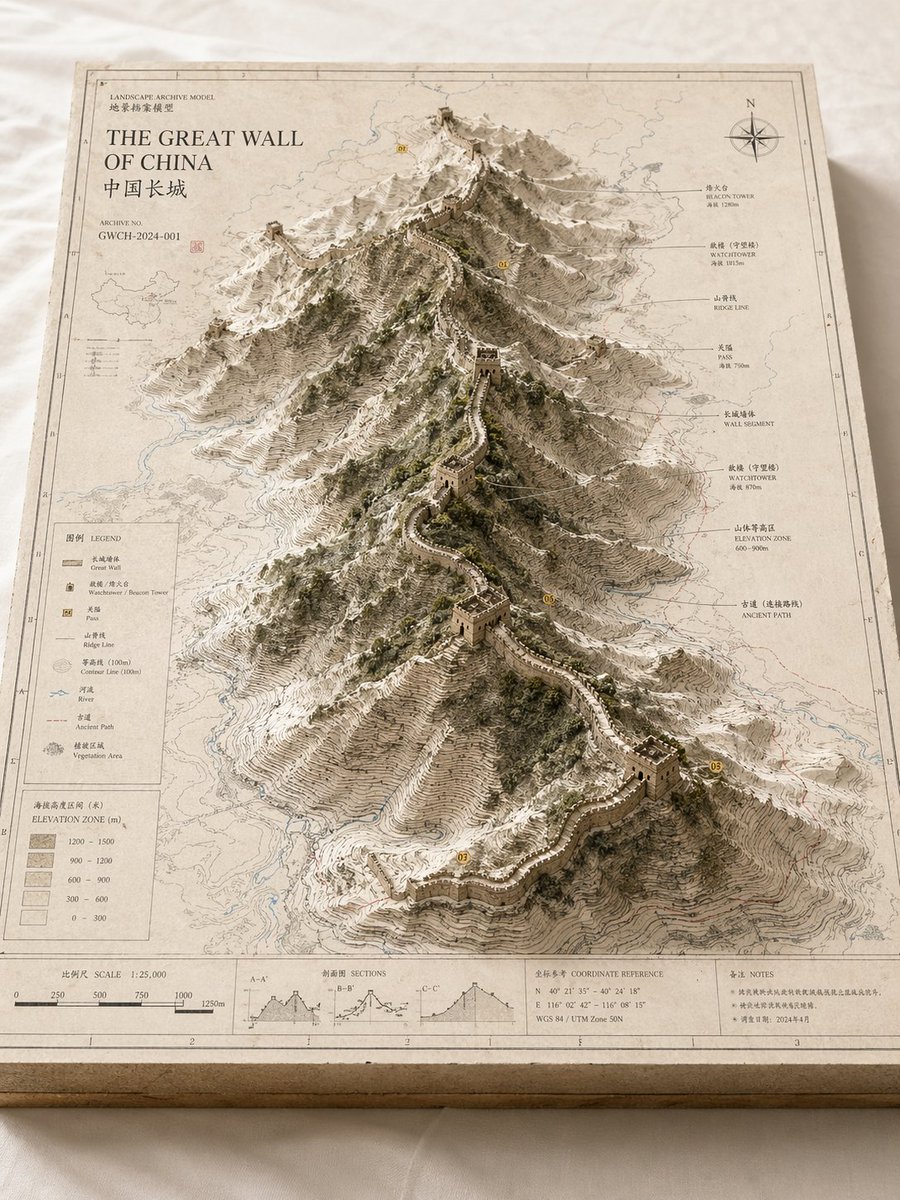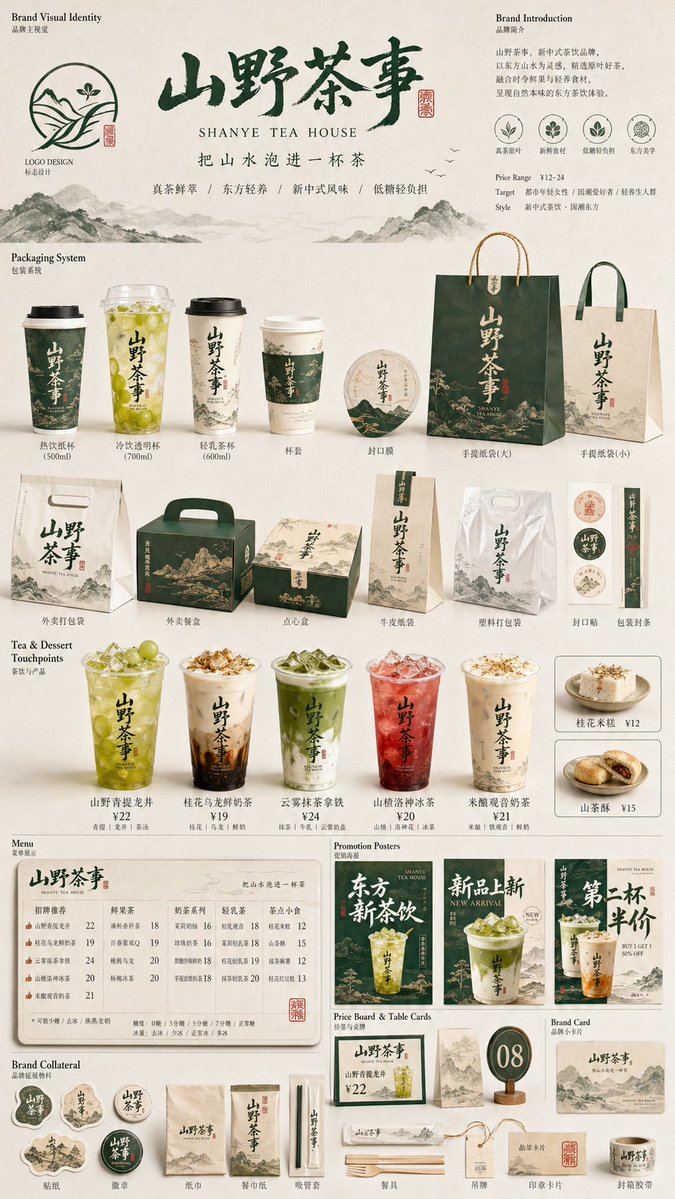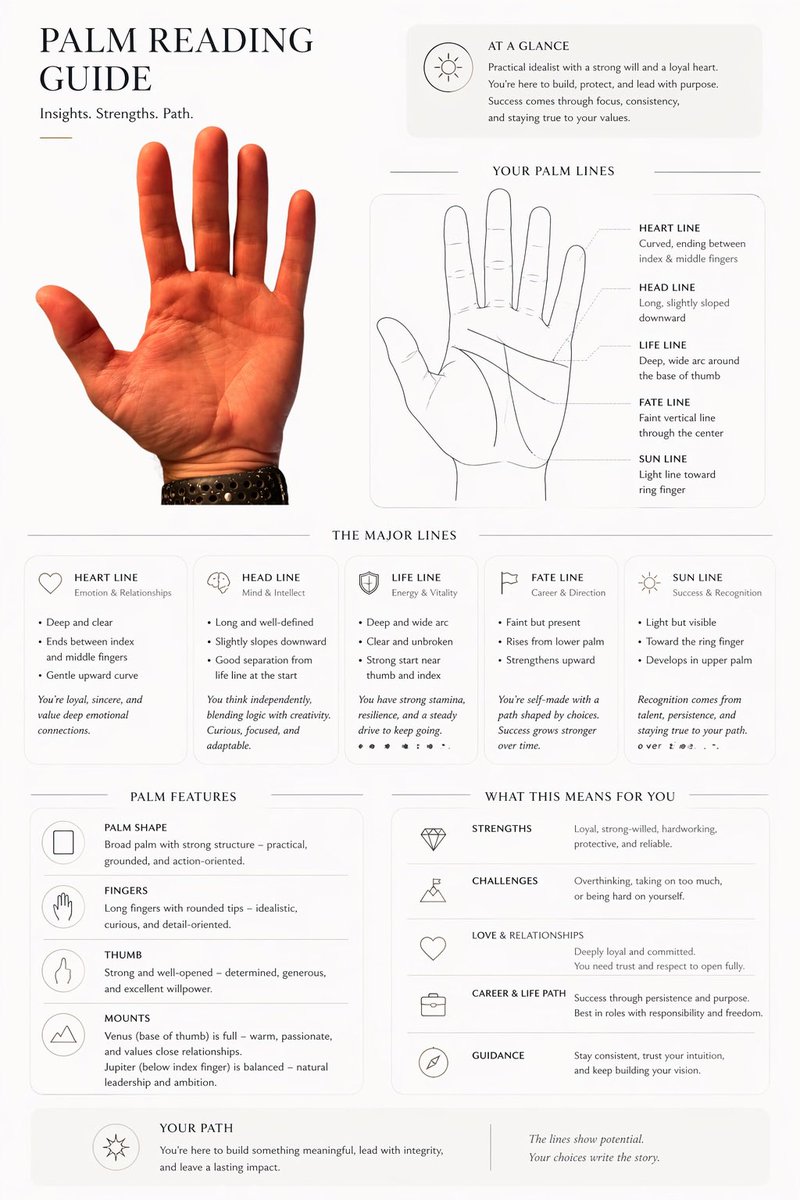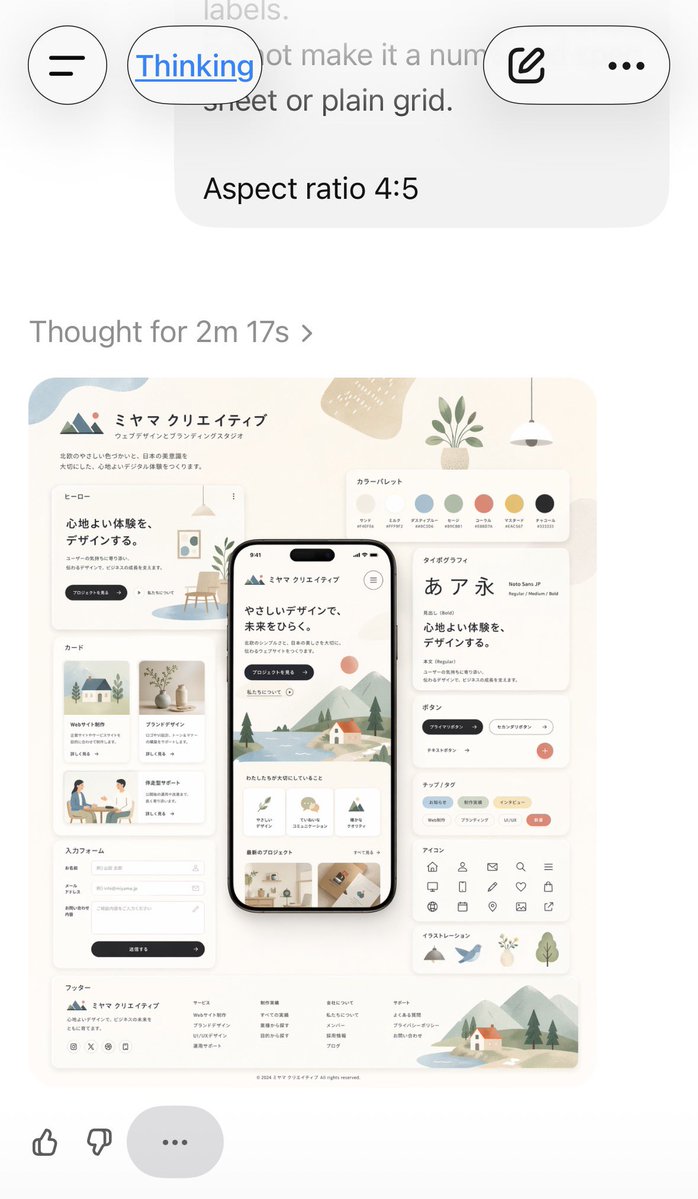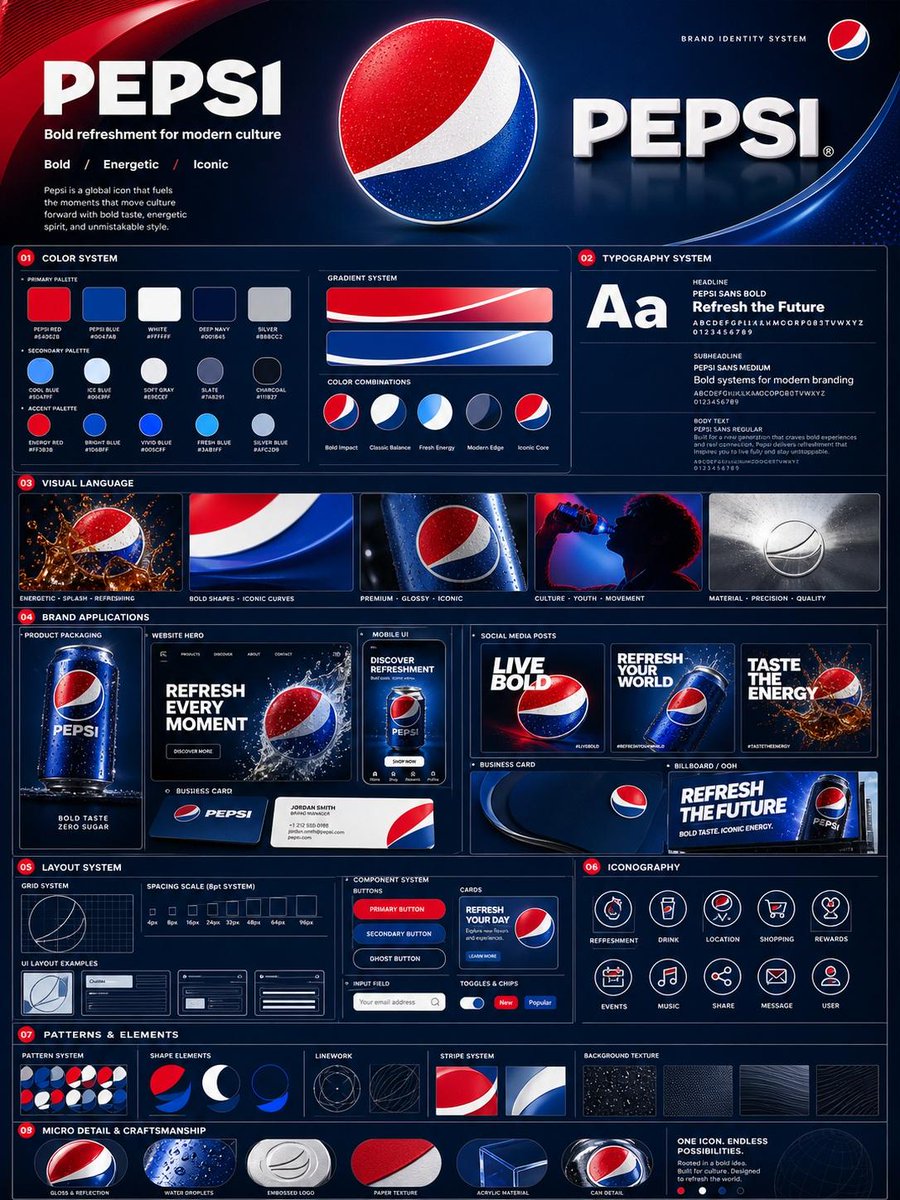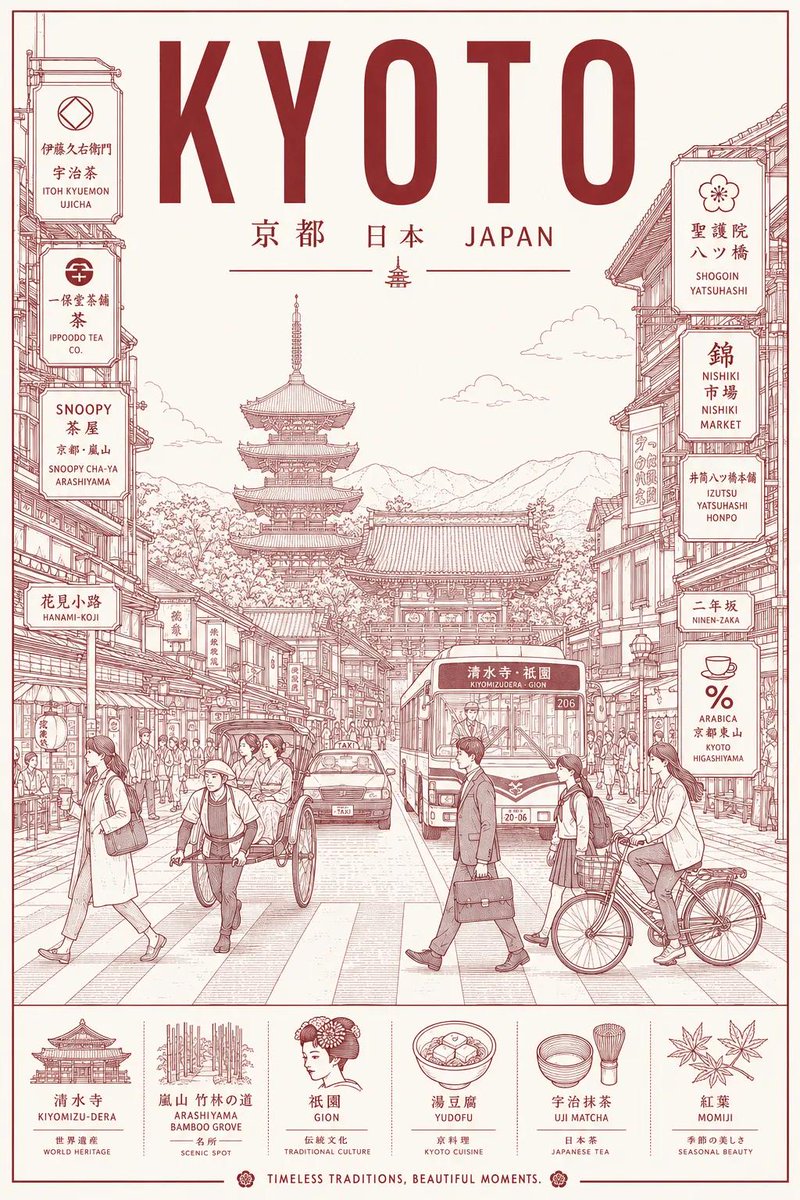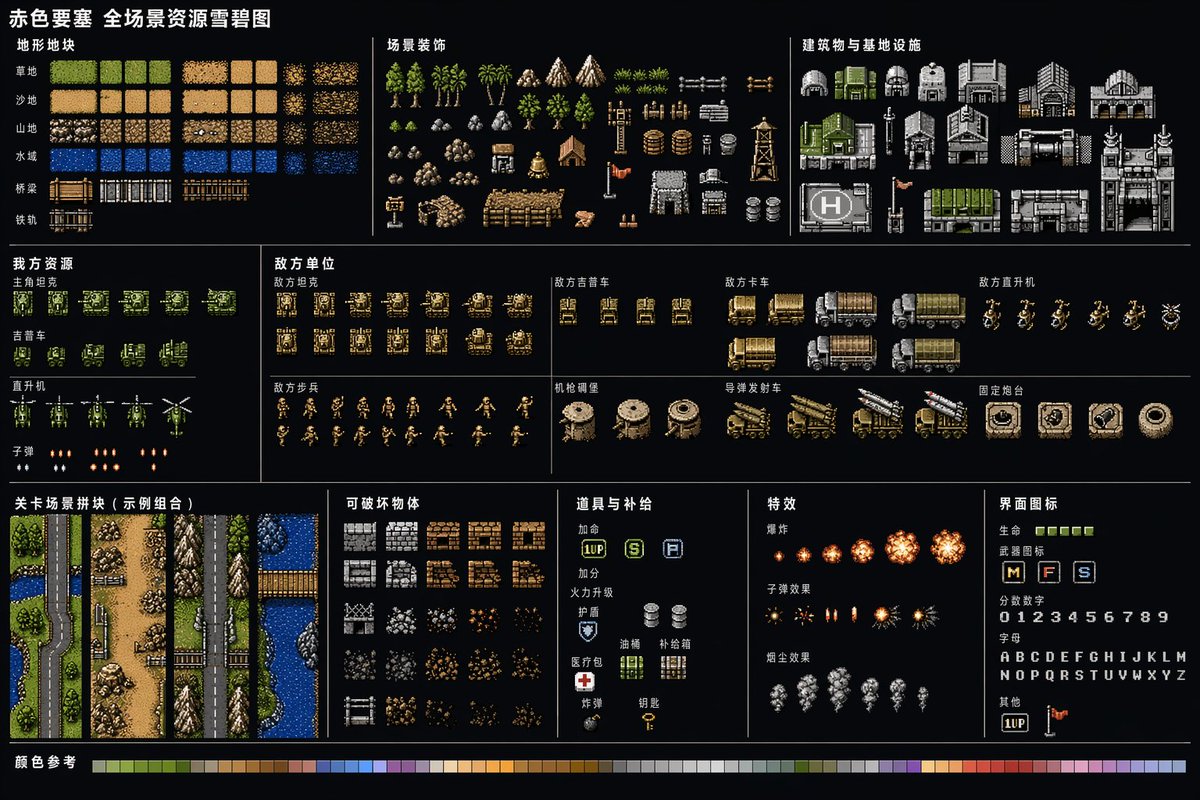
Bild-Prompt Branding & UI Anpassbar
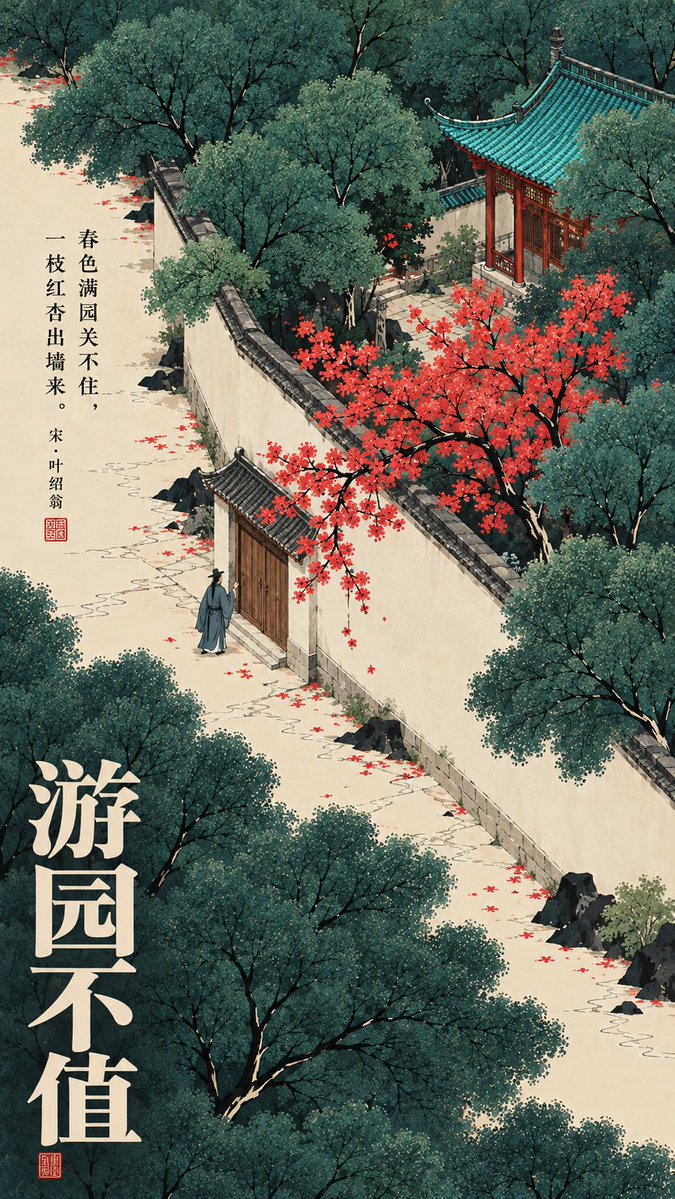
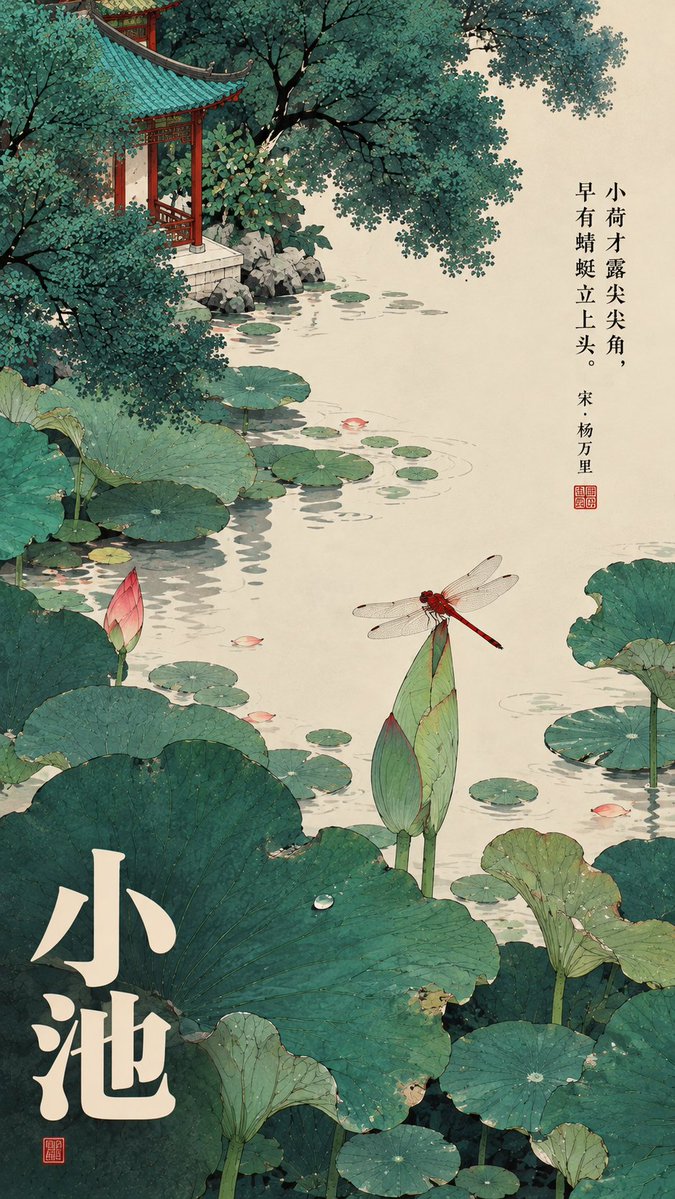
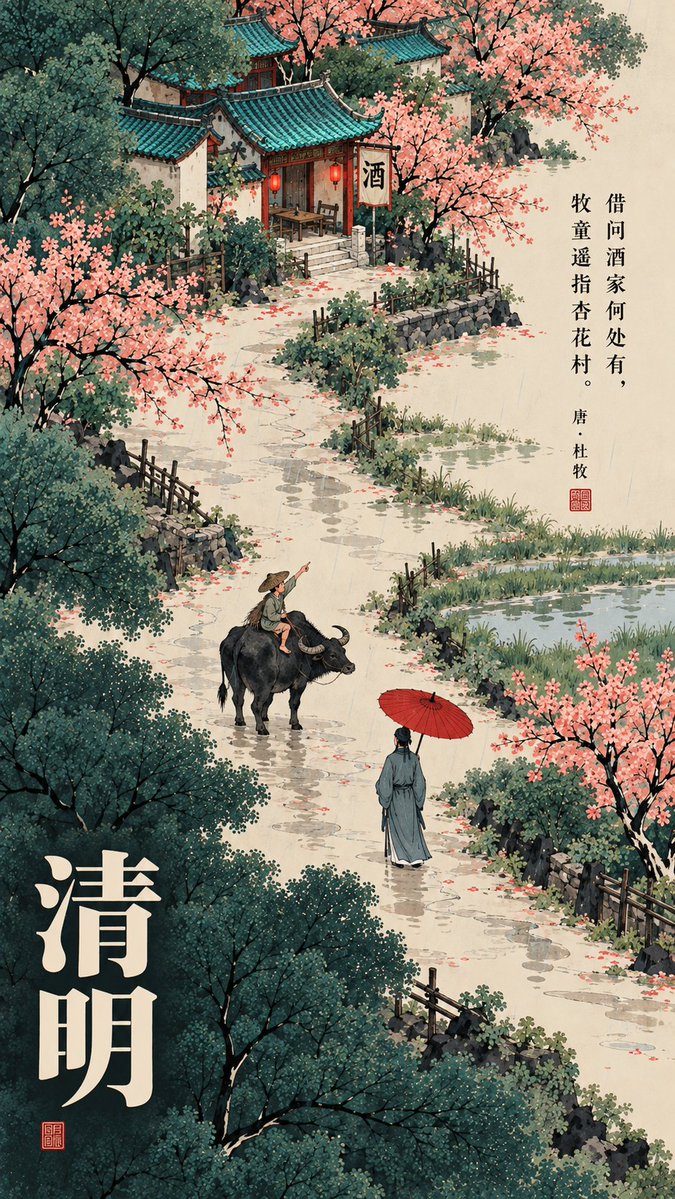
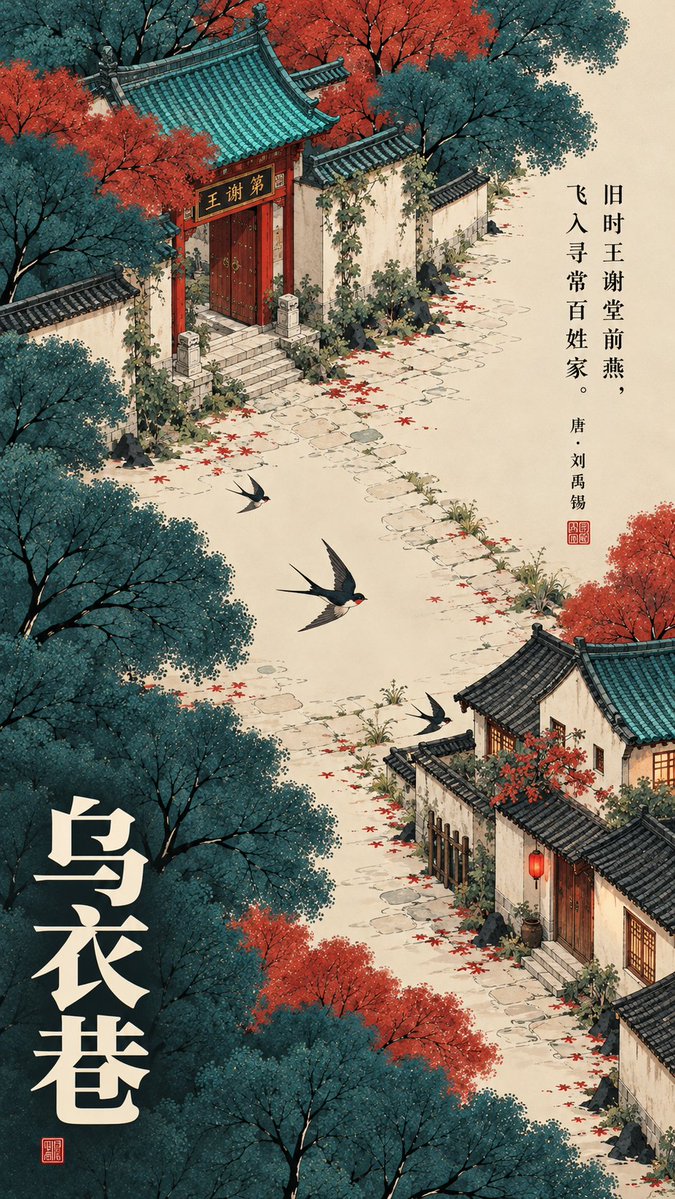
Gedicht-Poster im Gongbi-Stil
Ein vertikales Poster, das ein klassisches chinesisches Gedicht in eine flache Szene aus Vogelperspektive verwandelt: wolkenförmige Bäume, blaugrüne Dächer und offene beige Flächen. Feine Tuschezweige und rote Siegel verleihen ihm die Anmutung einer Lehrbuchillustration.

- Modell
- GPT Image 2
- Typ
- 4 Bilder
- Seitenverhältnis
- 9:16
- Geteilt
- 11. Okt 2026
- Likes auf X
- 469
Ausfüllen oder mit KI extrahierenMit traditionellen östlichen Farben ausfüllen
Bild-Prompt
2,322 Zeichen【Classical Chinese Poem】{title, author, original text} 【Core Scene】{fill in or extract with AI} 【Key Poetic Imagery】{fill in or extract with AI} 【Visual Relationships】{for example: a red apricot branch extending over a wall, a dragonfly perched on a lotus, a shepherd boy pointing the way} 【Primary Color Palette】{fill in with traditional Eastern colors} 【Aspect Ratio】9:16 Create a contemporary Chinese-style decorative illustration poster based on the classical Chinese poem, using delicate linework and color. Transform the scenery, actions, and emotions in the poem into an Eastern scene with a clear visual narrative. Use a high-angle overhead view, Eastern scattered-point perspective, and modern flat composition. Render the tree canopies as soft, fluffy, cloud-shaped color masses, with a delicate powder-speckled texture along their edges and slender, continuous ink-black branches woven through their interiors. Depict the architecture with meticulous gongbi linework, blue-green roof tiles, warm-white walls, and vermilion wooden structures. Use consistent, finely detailed linework and flat coloring for people, animals, and plants. Their movements should appear natural, their structures accurate, and the spatial relationships between the main subjects clearly defined. Represent the ground and water with large areas of warm beige-white negative space, supplemented by a small amount of ink-toned shadow and simple fine lines. Adapt the composition flexibly to the poem, emphasize its central imagery, and maintain a clear hierarchy with an orderly balance of dense and open areas. Use traditional Eastern colors such as mineral blue, mineral green, dark indigo, cinnabar, ochre red, and ivory white. The coloring should be rich and even, clean and matte, while retaining a subtle paper texture. Add a large warm-white Chinese title, small vertically arranged lines from the original poem, the author’s signature, and a few red seals to form a complete Eastern cultural art poster. Avoid realistic photography, 3D, anime, heavy ink-wash painting, thick oil-paint impasto, complex backgrounds, excessive grain, and artificial aging. The final image should achieve the refined quality of a textbook-grade illustration, combining Eastern aesthetics, poetic negative space, and a vivid visual narrative.
So geht's
Ersetze die Platzhalter in eckigen Klammern durch deinen eigenen Gedichttitel, Autor und Originalverse, und benenne die zentralen Bildmotive, die gezeigt werden sollen, etwa eine bestimmte Blume, ein Tier oder eine Figur. Behalte die Farbpalette, die Draufsicht und die Anweisung zum Freiraum bei, denn sie tragen den östlichen Look. Geteilt wurde der Prompt als GPT-Image-2-Prompt, und das Format 9:16 passt gut für Handy-Hintergründe und Story-Posts.
Am 11. Okt 2026 öffentlich auf X geteilt. Alle Rechte an diesem Prompt und seinem Ergebnis liegen beim Creator. Ist das Ihr Werk? Bitten Sie um Aktualisierung oder Entfernung.