Bild-Prompt Poster & Typografie Anpassbar Dein Foto hinzufügen
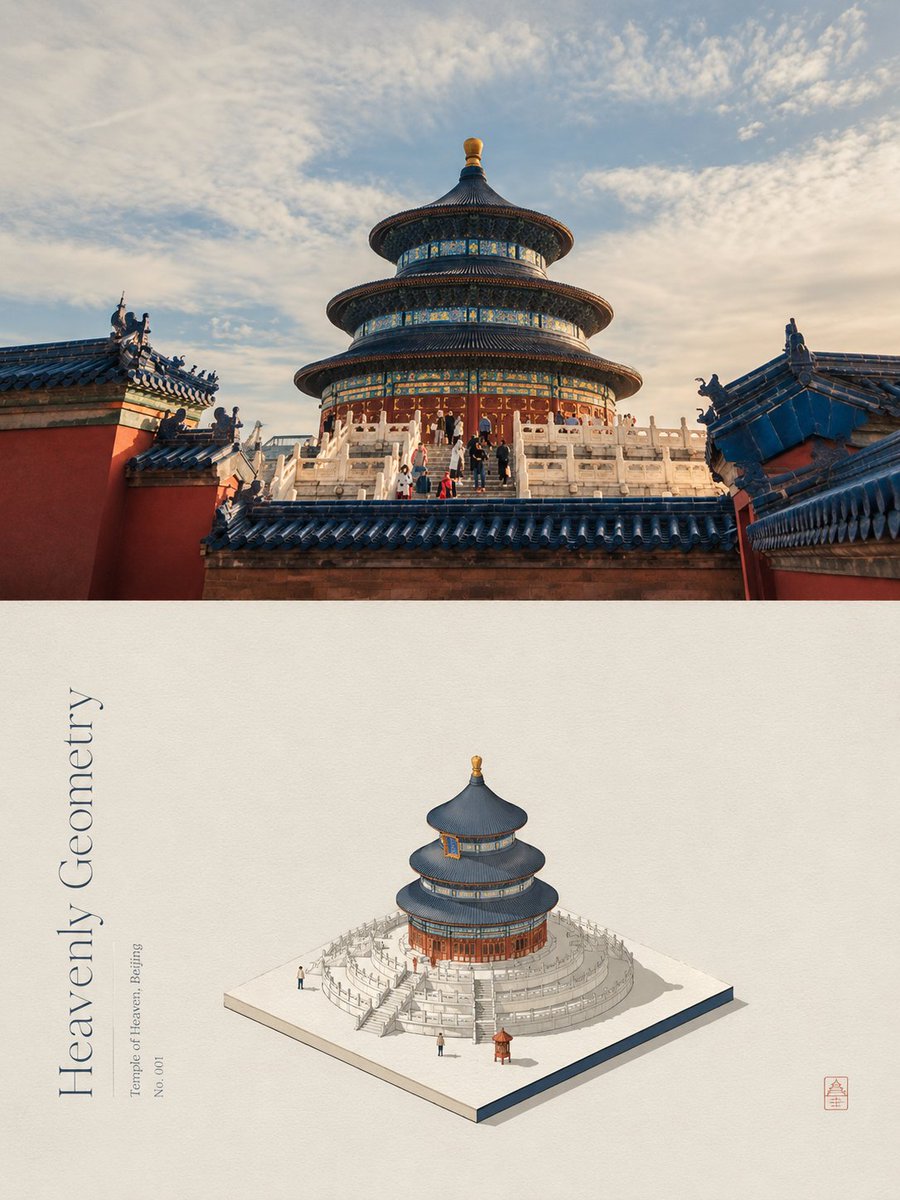
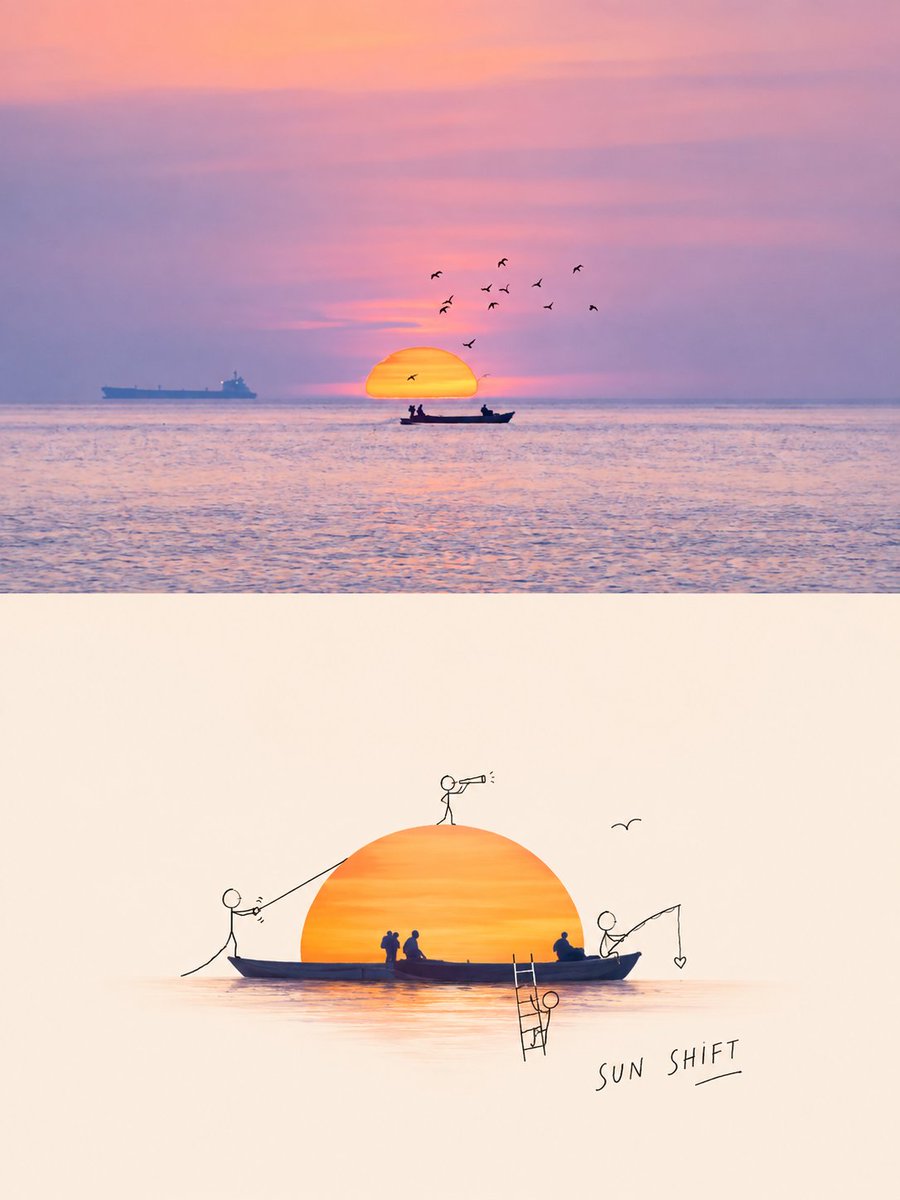
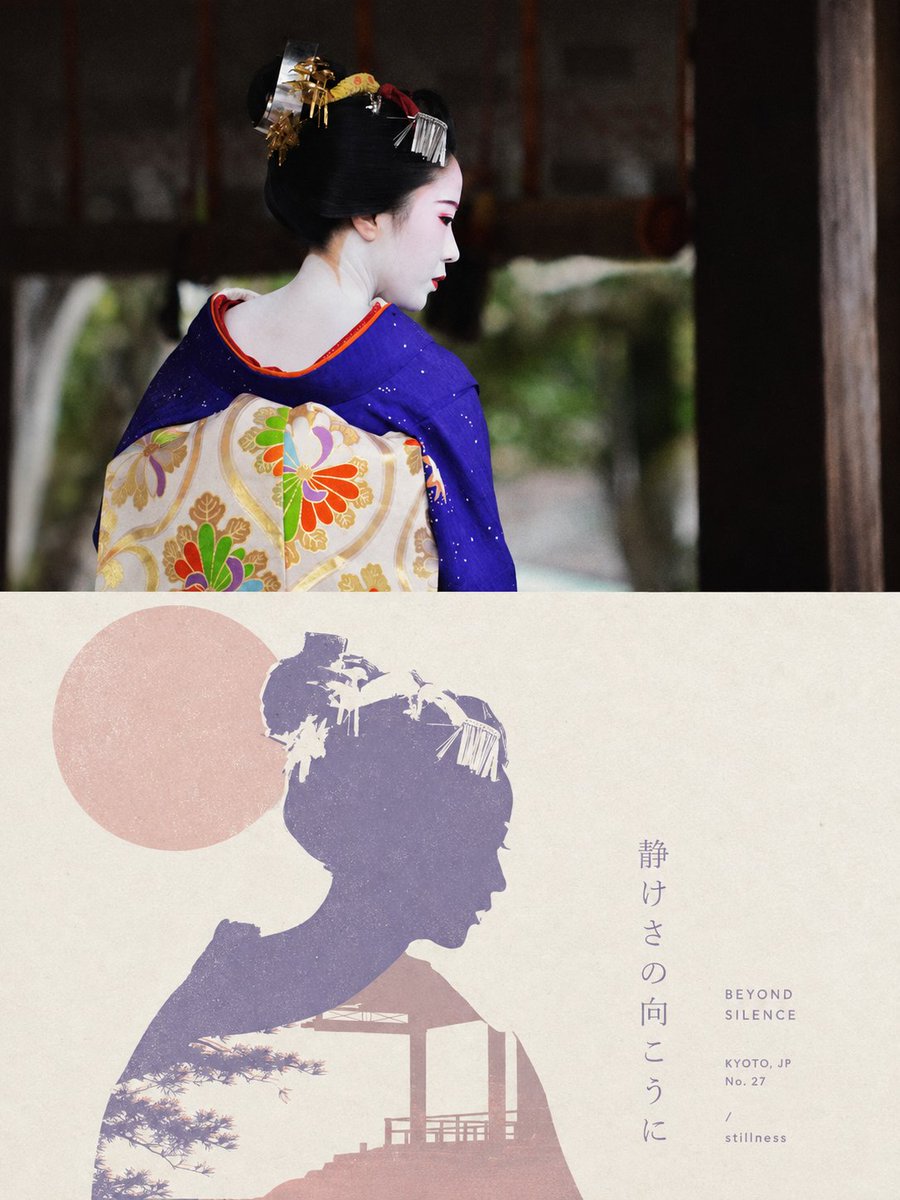
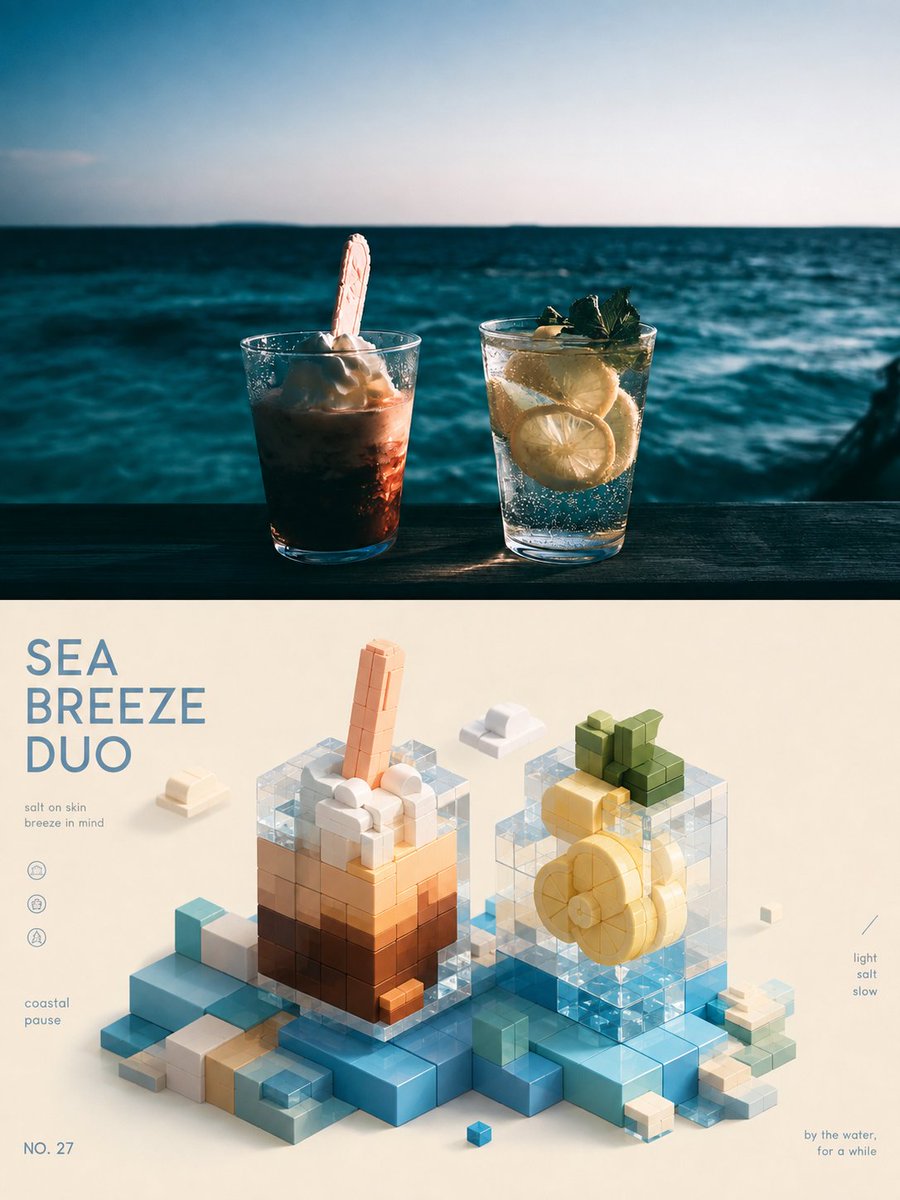
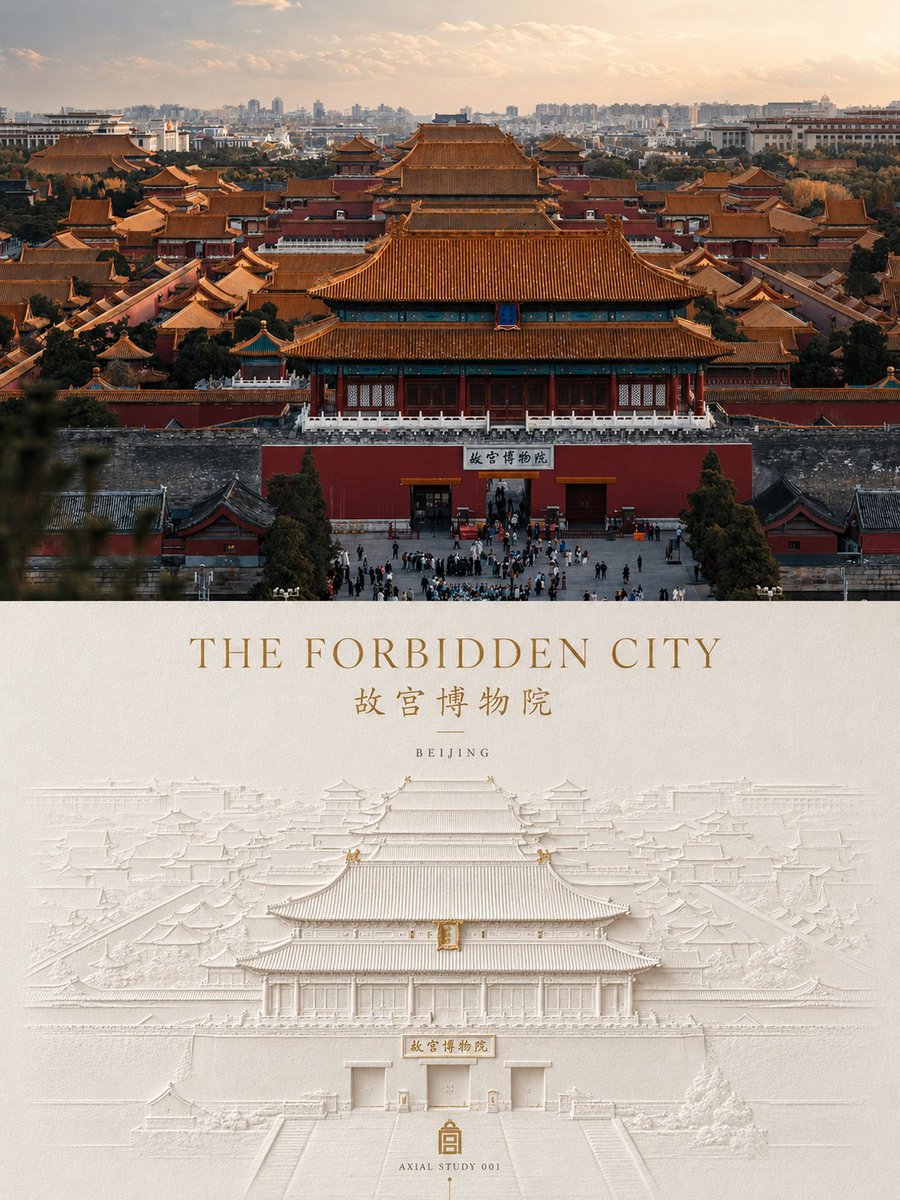
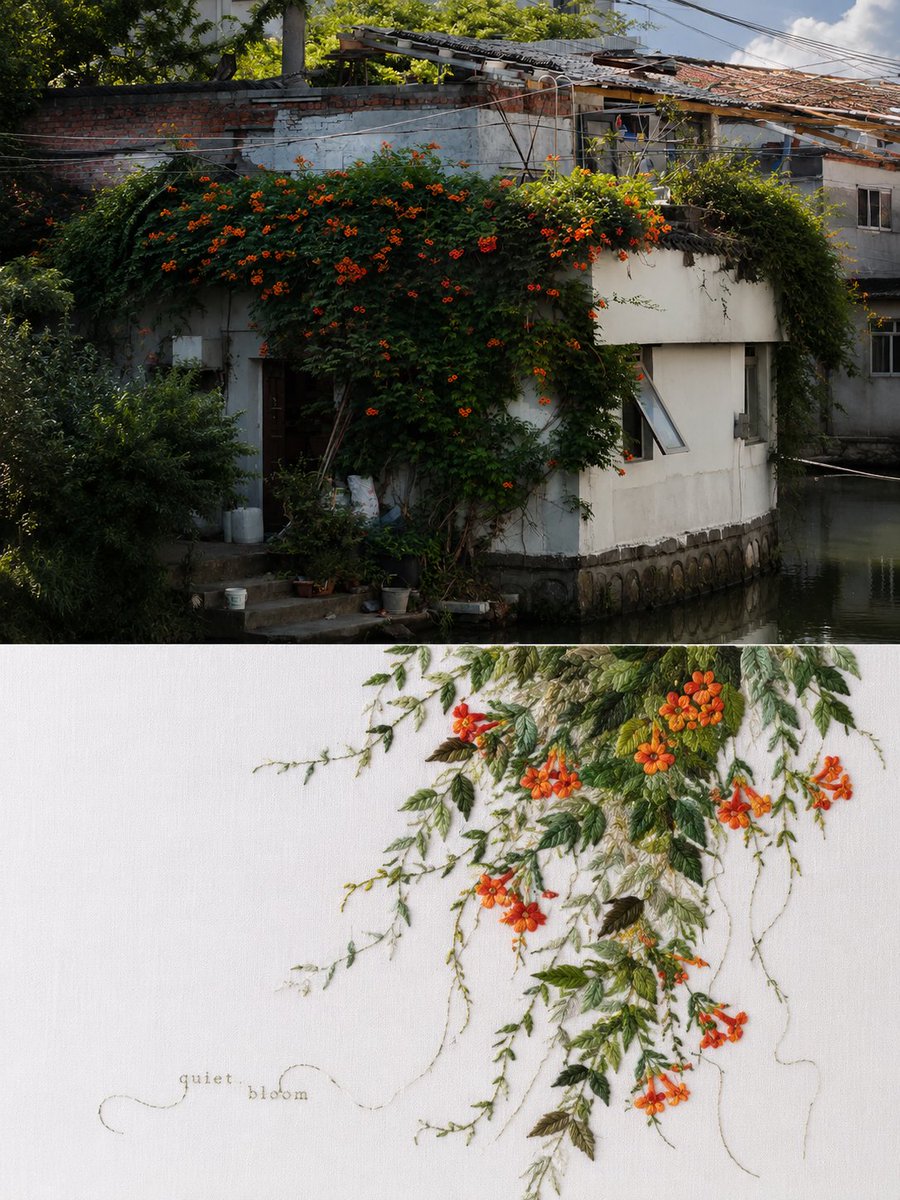
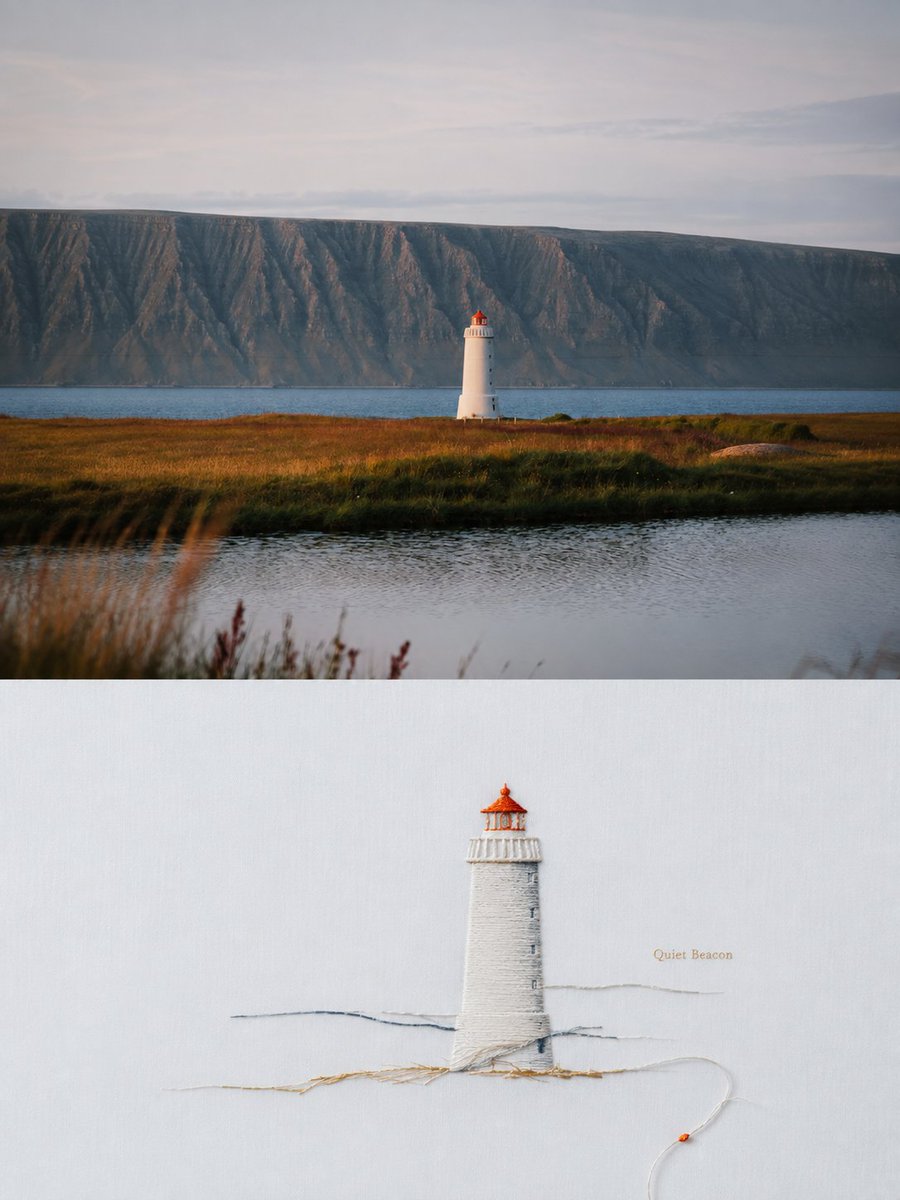
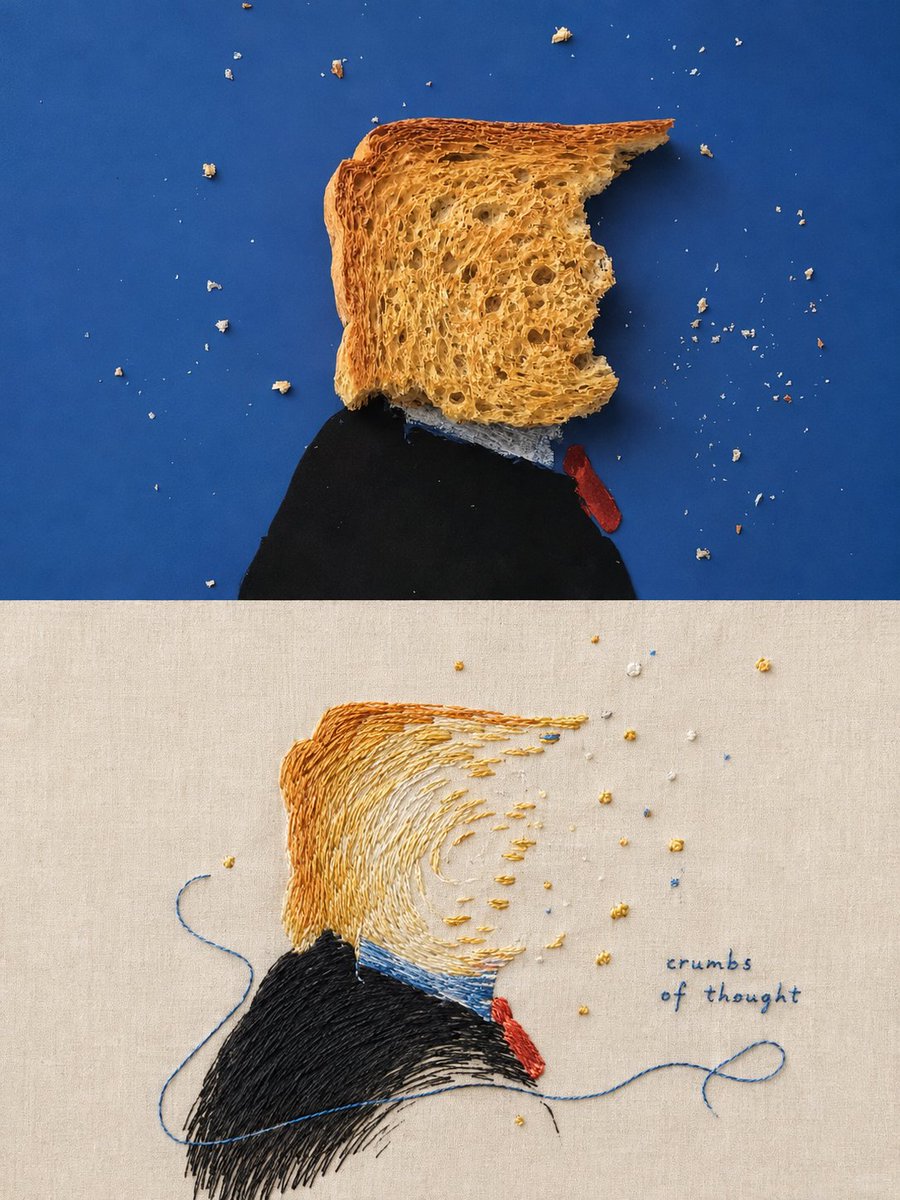
Chinesische Stickerei-Splitposter mit Seidenfaden-Neuinterpretation
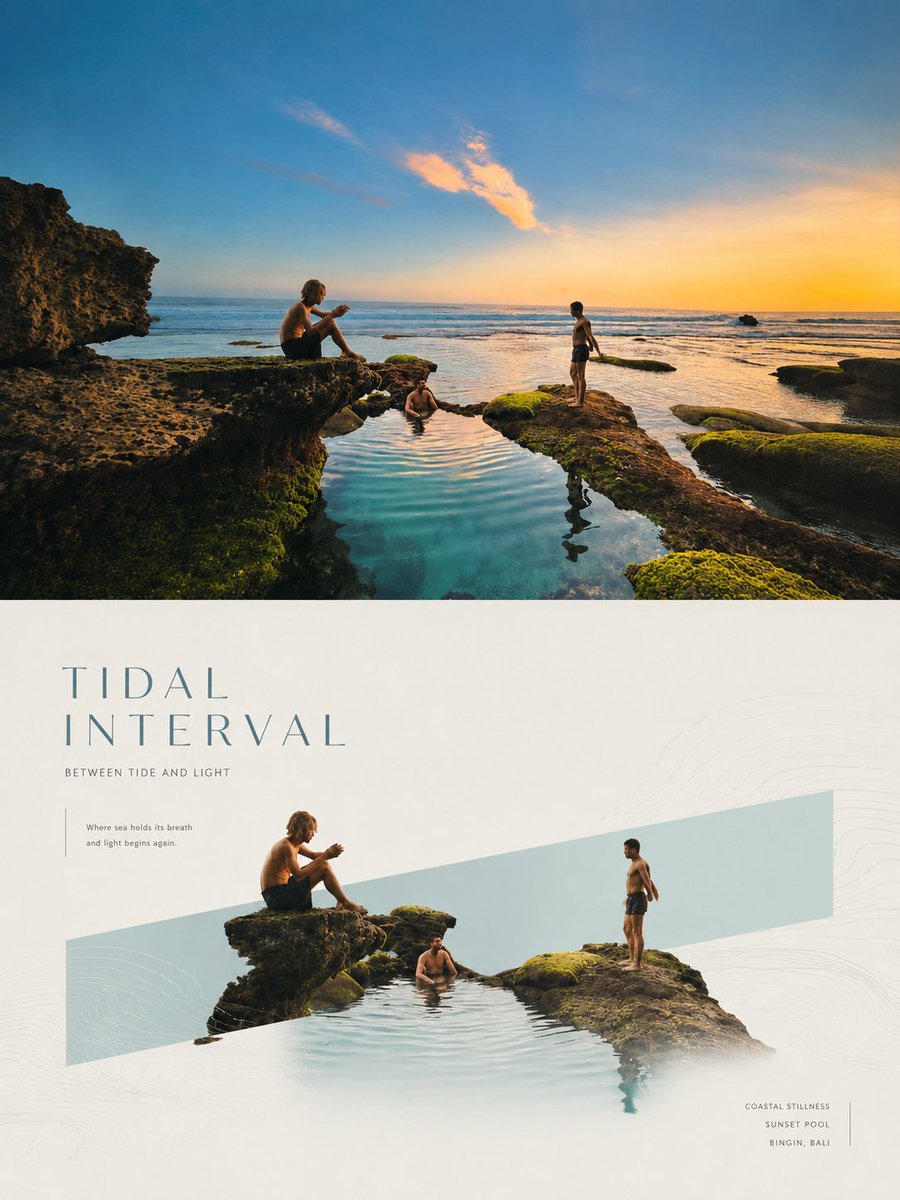
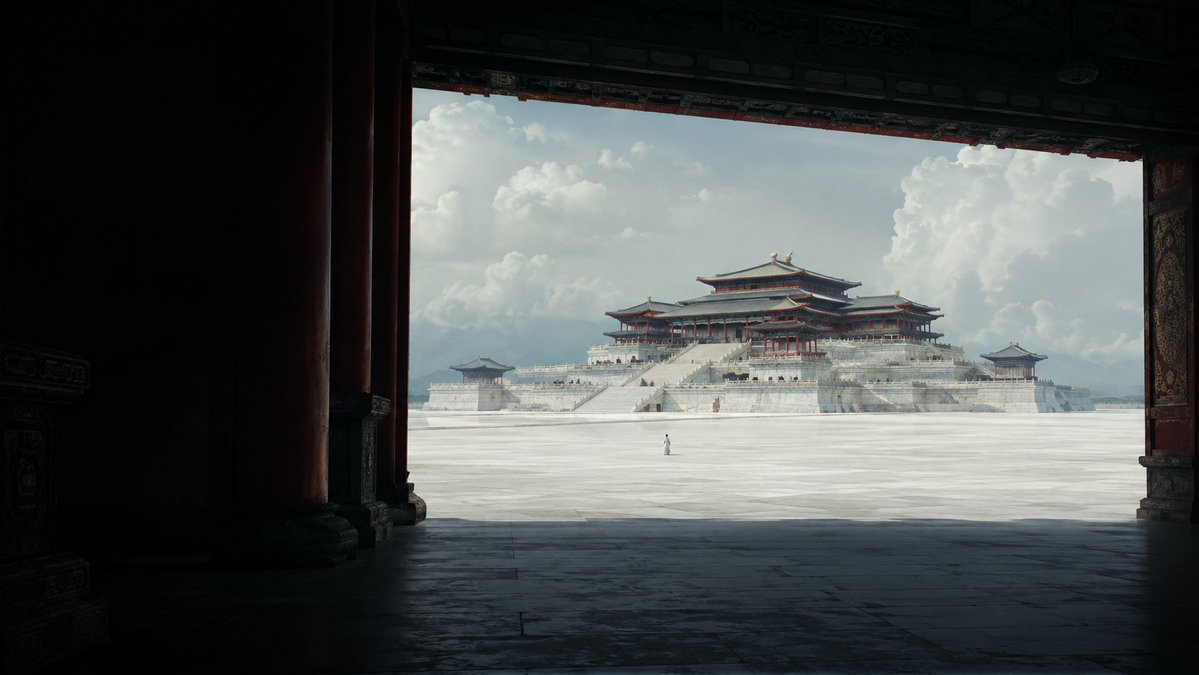
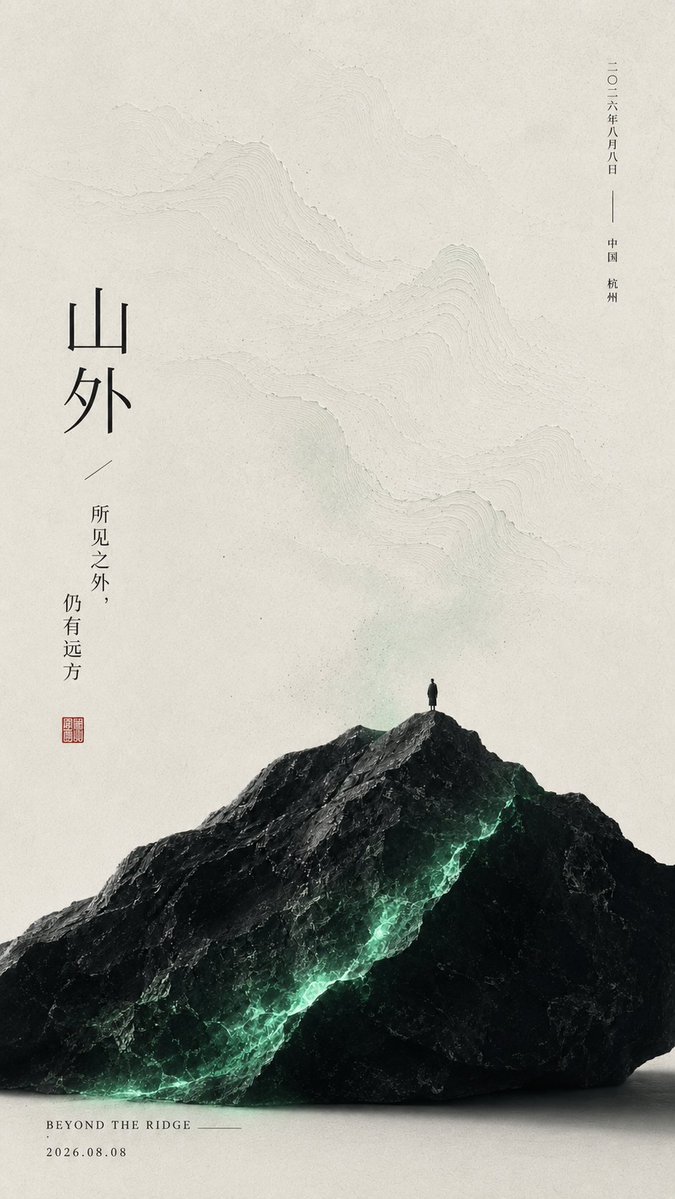
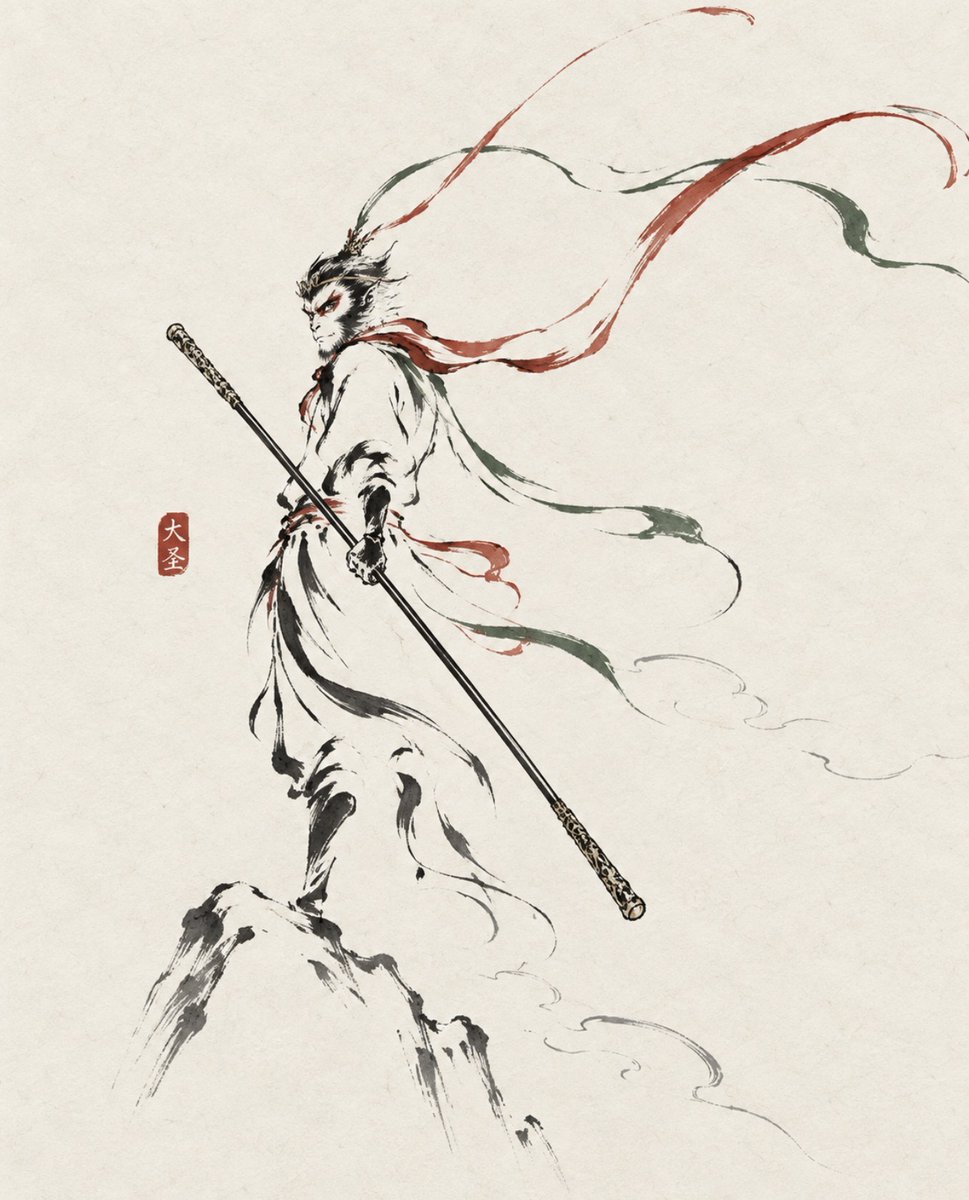
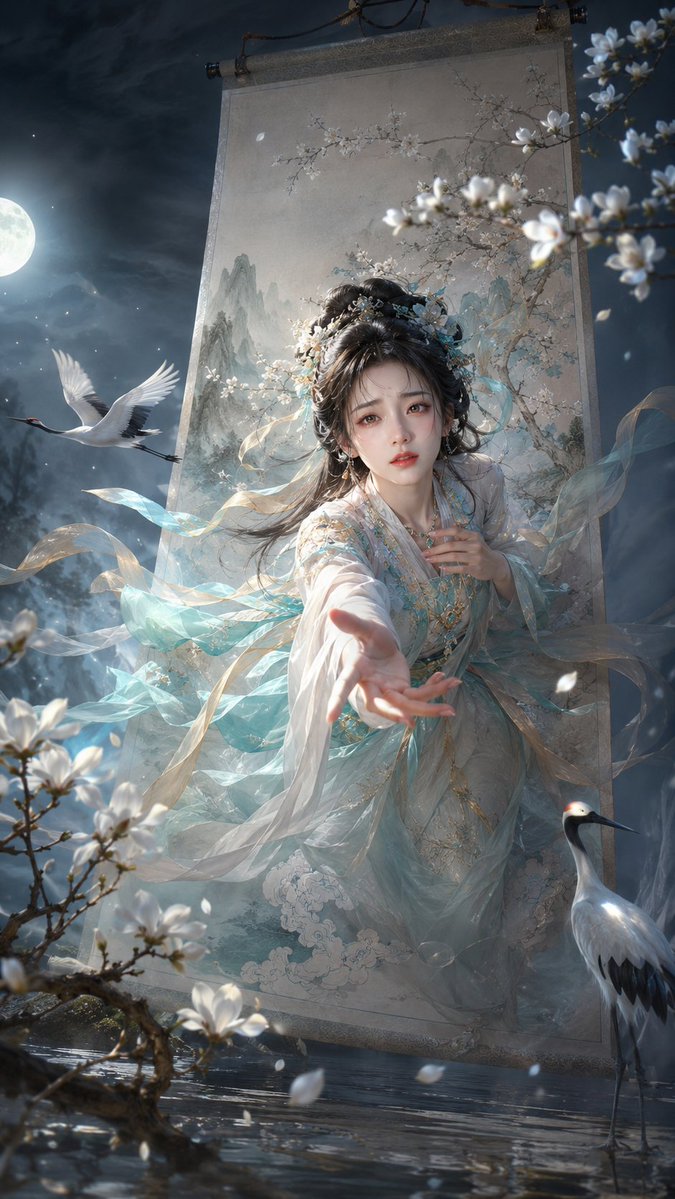
Oben liegt ein Foto, während darunter ein einzelnes besticktes Fragment seine zentrale Geste in Seidenfadenstichen verdichtet. Offener Negativraum und lebendige, schimmernde Farben lassen die untere Hälfte wie einen Atemzug zwischen zwei Bildern wirken.

- Modell
- GPT Image 2
- Typ
- 3 Bilder
- Seitenverhältnis
- 3:4
- Geteilt
- 21. Aug 2026
- Likes auf X
- 122
Kunststil
Bild-Prompt
5,424 ZeichenTurn each photo I upload into a separate high-end design poster—no multi-image collage; each photo is output individually. Use an overall 3:4 vertical composition, with the top and bottom areas strictly 1:1 in height, each occupying 50% of the frame. The top half keeps the original photo, preserving the subject's structure, real texture, natural light and shadow, and original color atmosphere, applying only light high-end photographic color grading to give it the quality of an art magazine, independent publication, and exhibition photography. To fit the aspect ratio, you may naturally extend the sky, ground, or environmental background, but you must not stretch, distort, or alter the subject. The bottom half first understands the original image's true core spirit, emotional relationships, and latent meaning, then extracts the most recognizable subject, contour, pose, and narrative relationship, choosing only one core image that best represents the whole photo to reconstruct in Chinese embroidery style. Do not embroider the entire photo, nor convert every element into embroidery; boldly cut secondary information and use one pose, one segment of contour, one relationship, one action, or one symbolic part to carry the core of the whole photo, so that when seeing the bottom half, one not only recognizes "what it is" but can also feel "what the original image is expressing." The embroidery language fuses the silk-thread layering, stitch variation, solid-void relationships, and Eastern negative space of traditional Chinese weaving-embroidery, and may use flat stitch, long-and-short satin stitch, couching, wrapped thread, seed stitch, laid stitch, and other stitches, changing stitch direction, density, and layering according to the subject's form. Some parts can be fine, some parts can leave only a few stitches, a single line, or an unfinished contour, letting "embroidered and un-embroidered" together compose the image. Realistically render silk-thread sheen, stitch direction, overlapping threads, and slight handmade errors, but avoid full-frame traditional motifs, a handicraft-display feel, and fake digital embroidery. The composition emphasizes selection, negative space, rhythm, and a sense of life. Do not fix it in the center or fill it evenly; freely arrange position, scale, cropping, and density according to the subject's center of gravity, action, gaze, momentum, and emotion. It can be off-center, suspended, locally enlarged, crossing the border, or only partly present, letting a small embroidered area and a large blank create tension; a single stray silk thread, an unfinished edge, or a small patch of color can also carry emotion. The negative space should be like air, distance, pause, and lingering resonance, not an empty spot waiting to be filled. The background must be clean, bright, and airy, not defaulting to beige, gray-beige, old linen, or dirty pale colors. According to the color temperament of the photo above, adaptively choose clean white, cool white, soft ivory white, a very pale color, or a clear translucent silk base color with a definite composite hue, and you may also use a bolder but pure colored base when the original image suits it. The background may show a very slight texture of silk, gauze, or fabric, but must not yellow, haze over, get dirty, look aged, or show stains. The embroidery's handmade feel comes from silk thread and stitching, not from a dirty old background. The color scheme likewise has no fixed swatch. Find in the original image the most spirited, most vital color relationship that best represents its spirit, then convert it into the lively silk-thread color gradation unique to Chinese embroidery. Do not evenly sample the photo's colors, but preserve the truly meaningful main colors and allow the same color to subtly drift among warm and cool, deep and light, bright and dark, and purity, creating silk-thread shimmer through interspersed similar colors, small touches of complementary color, small areas of high-purity bright color, and different stitch directions. Colors can be clear and pretty, vivid, rich, gentle, or plain and elegant, decided by each original image; rich but not chaotic, bright but not gaudy, soft but not gray, traditional but not rigid. Text serves only as a light editorial finishing touch, extracting one extremely short English word or phrase from the emotion, action, relationship, or metaphor not directly stated in the original image. It may use fine-line embroidery, a slender inscription, or minimalist tiny text, letting the text follow the flow of the silk thread, embed into negative space, hug the subject's edge, or even become part of the composition like a thread; little and meaningful, not an explanatory label, not stealing the embroidery's spotlight. The whole pursues one image–one core, one core–one image: first understand the original image, then choose what is most worth keeping; rather discard other elements than pile them up for richness. The final result presents the lively color, silk-thread sheen, Eastern negative space, subtle meaning, and contemporary editorial design sense unique to Chinese embroidery—bright, spirited, emotional, and full of life. Avoid full-image replication, element pile-up, dirty beige background, yellowed old cloth, fixed national-style color scheme, full-frame embroidery, a cultural-merchandise feel, and a template feel.
So geht's
Laden Sie ein einziges Foto hoch, denn der Prompt basiert auf einem Motiv, das die obere Hälfte unverändert lässt. Er wurde als GPT Image 2-Prompt geteilt, behalten Sie daher das 3:4-Format und die 50/50-Teilung in Ihrer Anfrage bei. Um ihn zu Ihrem eigenen zu machen, ersetzen Sie die Textzeile im Prompt durch Ihr eigenes kurzes Wort und behalten Sie die Anweisung bei, ein zentrales Bildmotiv zu wählen, denn diese Zurückhaltung verleiht dem Poster seine Ruhe.
Am 21. Aug 2026 öffentlich auf X geteilt. Alle Rechte an diesem Prompt und seinem Ergebnis liegen beim Creator. Ist das Ihr Werk? Bitten Sie um Aktualisierung oder Entfernung.