Στούντιο prompt
Κάντε το «Αφίσα με στίχους και αρνητικό χώρο με ανάγλυφο χαρτί» δικό σας
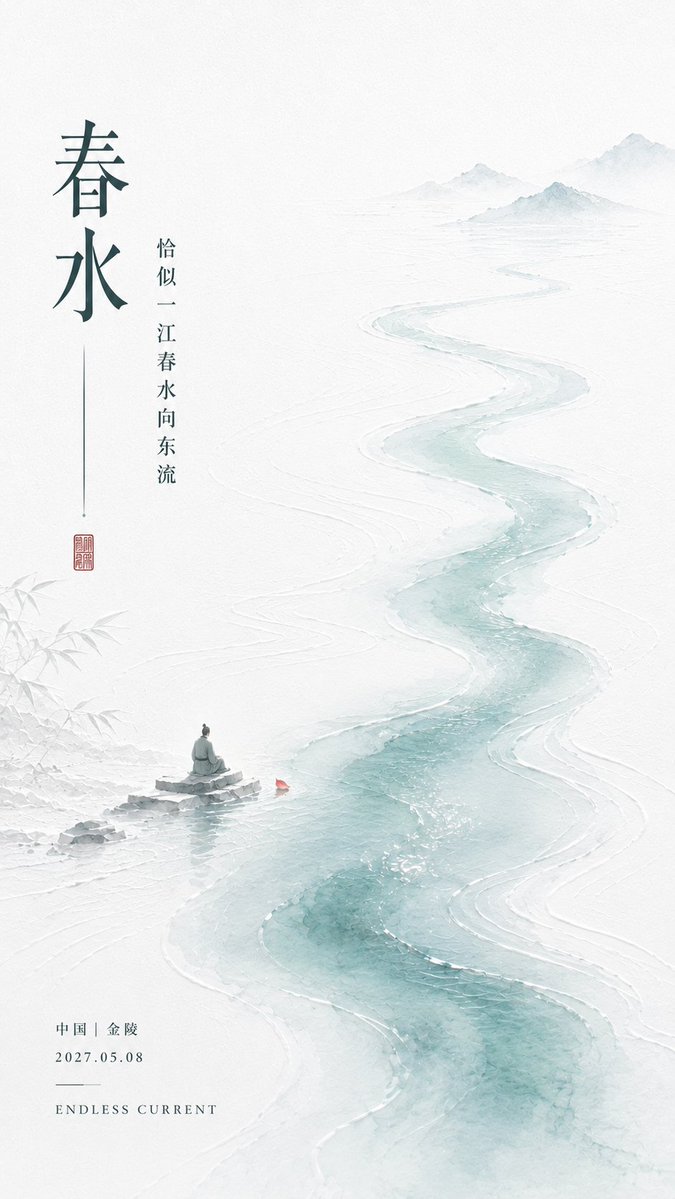
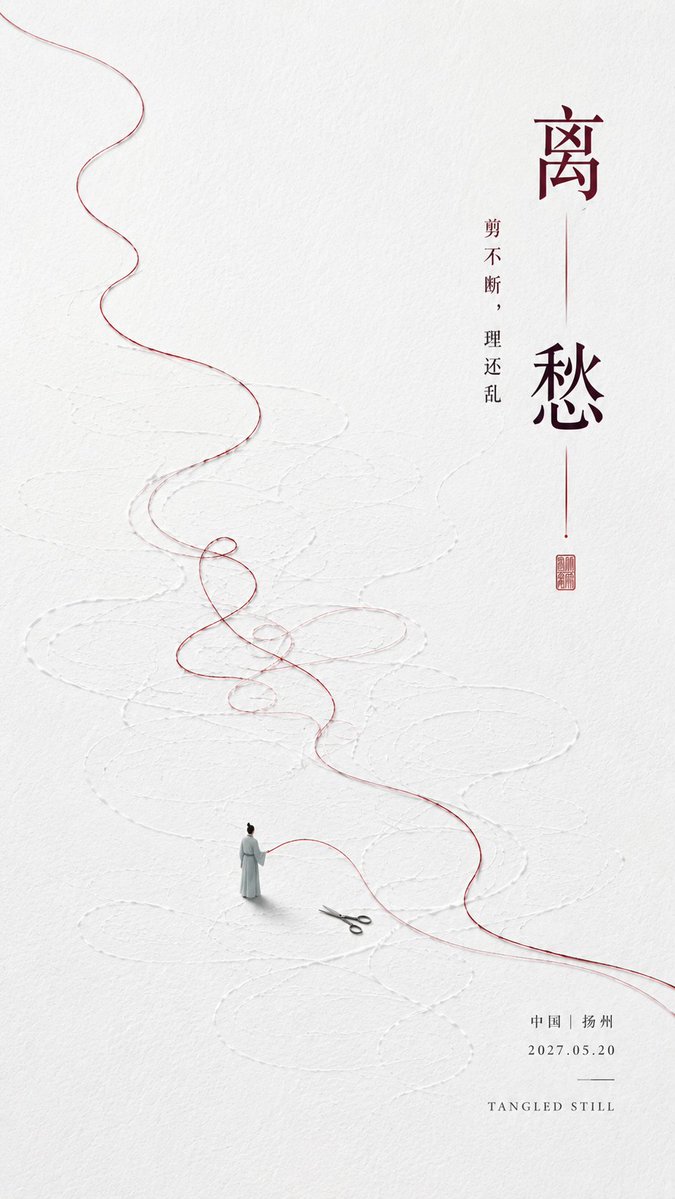
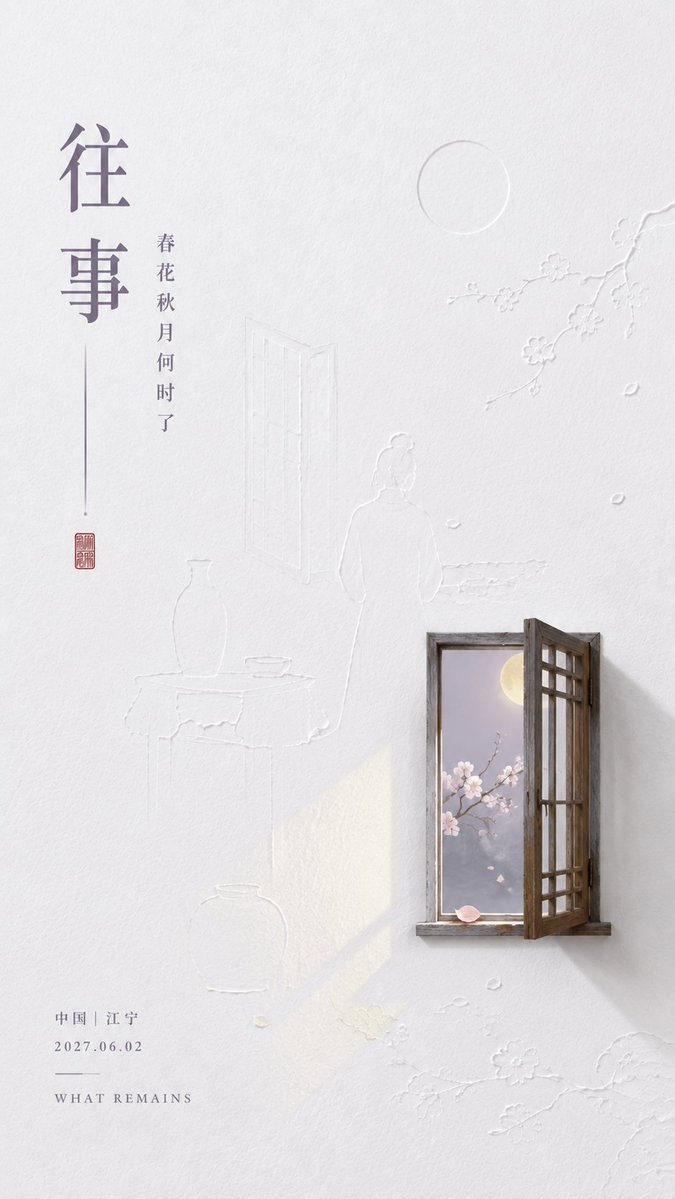
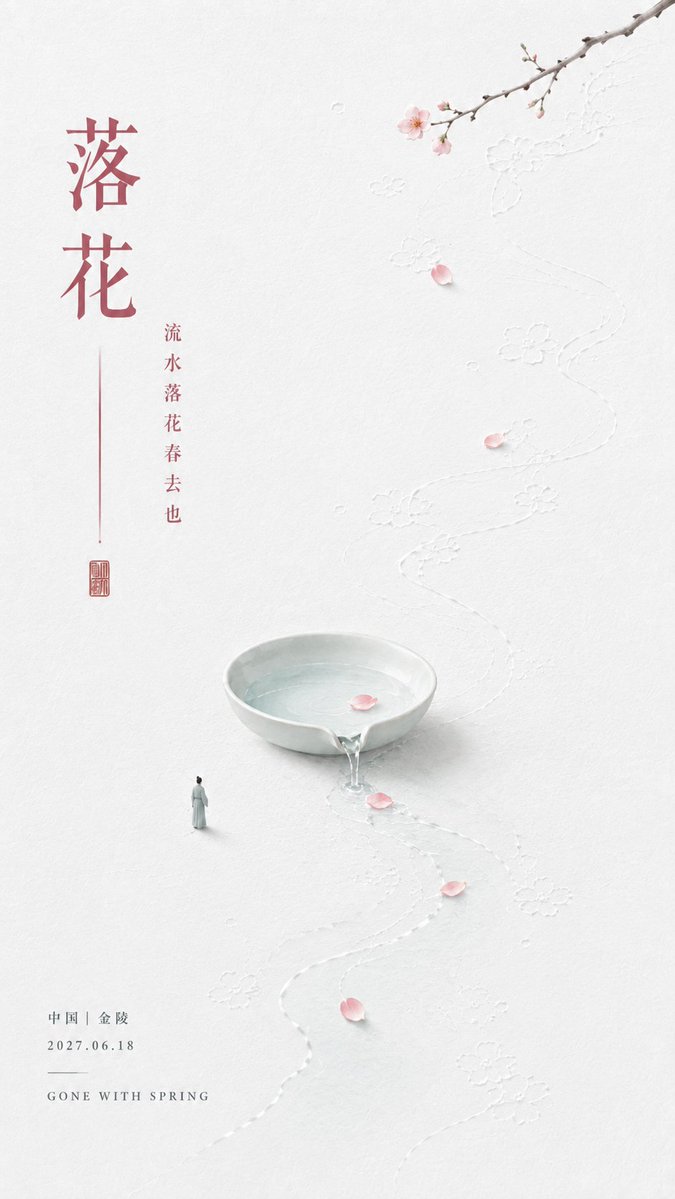
Κάθετη αφίσα σε ανοιχτόχρωμο χειροποίητο χαρτί, όπου ένα μικρό αντικείμενο αιωρείται σε ευρύ, κενό χώρο και ένας κλασικός στίχος γίνεται μια ήσυχη, ορατή κίνηση. Τα αχνά ανάγλυφα ίχνη στο χαρτί υπονοούν όσα έχουν ήδη περάσει και ανταμείβουν όποιον κοιτάξει από κοντά.
 Prompt από @MrLarus
- Συμπληρώστε τα πεδία παρακάτω.
- Δείτε το prompt να ενημερώνεται στα δεξιά.
- Αντιγράψτε το ή ανοίξτε το σε ένα εργαλείο εικόνας.
Prompt εικόνας
[Classical verse]: fill in a classical Chinese verse with clear emotion and visual imagery [Two-character theme]: extract 2 core characters from the verse [Core emotion]: endless flowing / impossible to untangle / impossible to forget / impossible to keep / waiting / longing, etc. [Emotional action]: flowing away / entwining / lingering as residue / disappearing / fading / drifting off, etc. [Small subject]: a water mark / silk thread / old window / petal / lamp / boat / letter, etc. [Main color]: fill in 1–3 main colors [Soft embossing]: old riverbed / line traces / human shadow / flower shadow / water ripples / moon halo, etc. [Location and date]: fill in Generate a 9:16 vertical Eastern poetic negative-space art poster, turning the [core emotion] in the [classical verse] into a visible [emotional action]. Use fine handmade art paper, pure white or slightly cool-toned, as the background, preserving real paper fibers, pulp grain, and natural press marks. Keep about 65%–70% effective negative space, without a giant subject filling the frame. Place only one [small subject] occupying about 15%–25% of the frame, plus a tiny figure or very few narrative elements. The point is not to explain the verse directly, but to let the emotion happen in the space through the [emotional action]. Add a low-contrast soft [embossing] related to the theme in the background; the embossing must have meaning, for example a path where water once flowed, a shadow that has already vanished, traces of a thread stretched then entwined, faded flower shadows, or the place left by an old object. From afar it stays clean; only up close do you discover these “residues.” Use the [main color]; it can be beautiful, clear, and emotional, but don't make everything black, white, and gray for the sake of sadness. Let the color gradually fade, wash out, or sink into the paper with distance and time. Lines, water edges, and the trajectories of falling flowers must be continuous, soft, and natural, avoiding many breaks, broken lines, and messy AI textures. The Chinese main title uses the [two-character theme] in a modern Song or Ming typeface; it may gain design through letter spacing, slight misalignment, thin lines, or partial extensions, but the Chinese characters must remain complete, accurate, and clear. Also add the original verse in small type, the location, the date, and a brief English title. The overall effect should be like a blend of classical poetic emotion, material experiment, paper embossing, and a refined editorial poster. Avoid: ordinary antique-style illustration, traditional landscape painting, travel poster, giant subject, crying figure, dark clouds and storms, overly literal emotional expression, aged beige background, broken lines, meaningless embossing, dull colors, dense text, and cheap 3D.
Prompt που κοινοποιήθηκε στο X από @MrLarus. Όλα τα credits ανήκουν στον δημιουργό του.
Περισσότερα prompts που μπορείτε να προσαρμόσετε
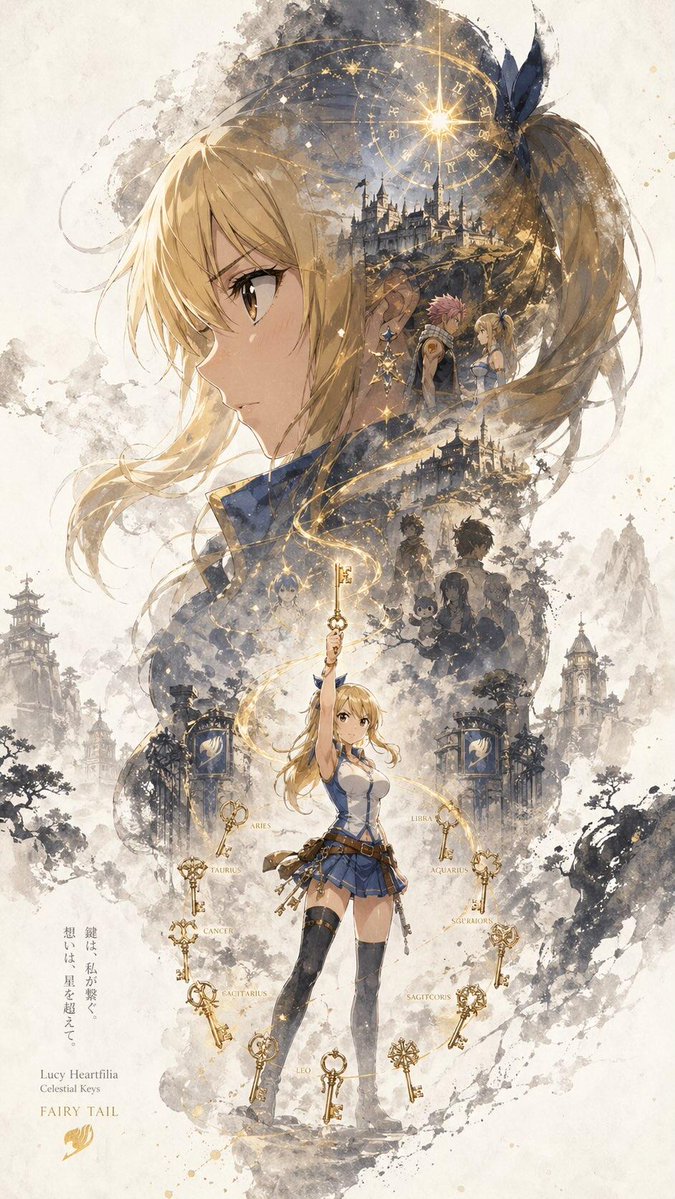 Κάθετη αφίσα χαρακτήρα με μελανιά σιλουέτα
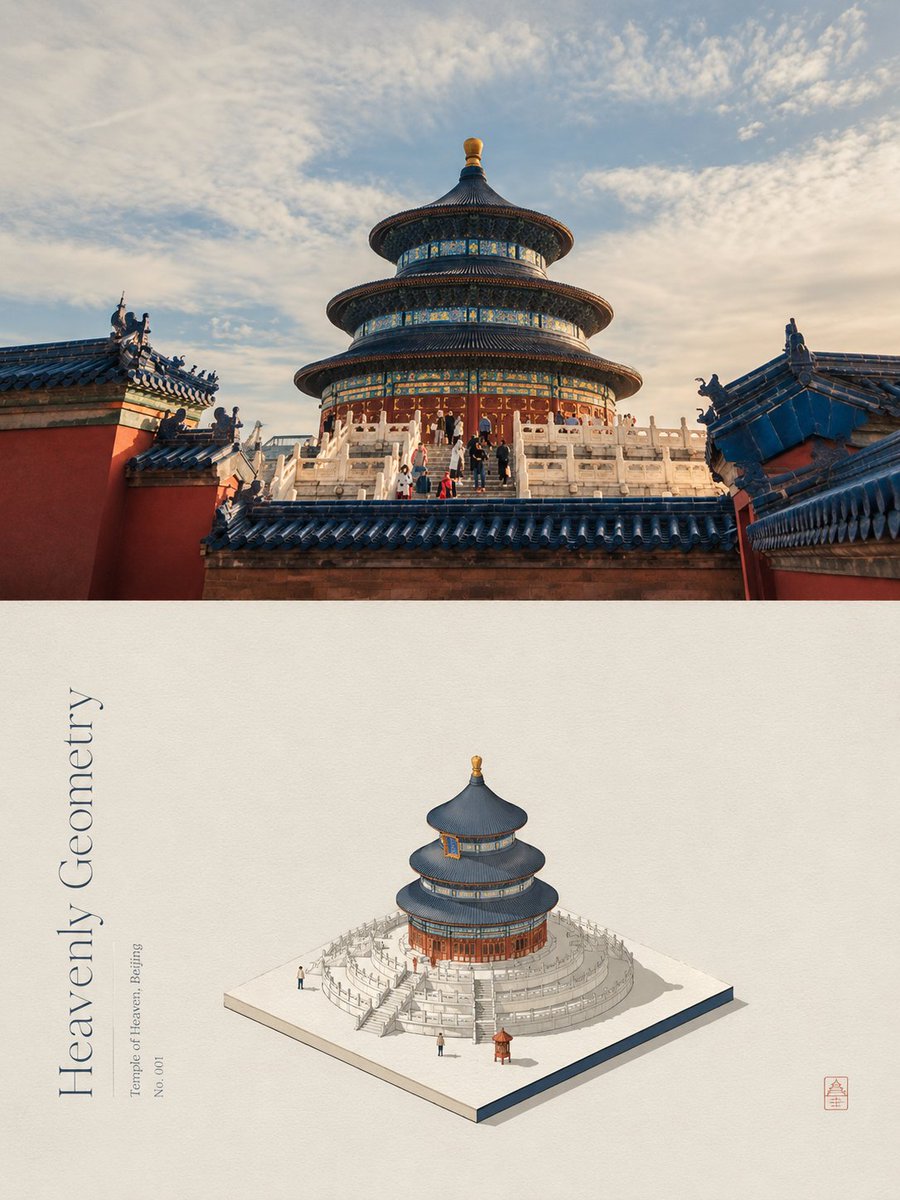 Προσθέστε τη φωτογραφία σαςΔιπλή αφίσα με φωτογραφία και ισομετρική μινιατούρα από χαρτί
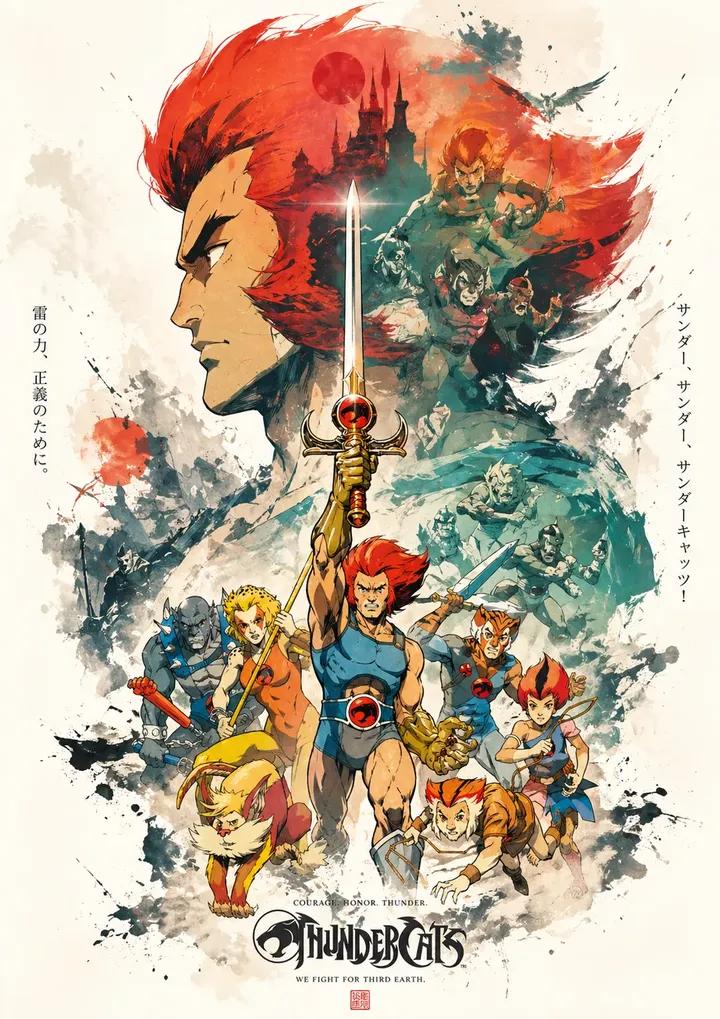 Αφίσα προπαγάνδας με διπλή έκθεση και στρωματοποιημένο κολάζ μελάνης
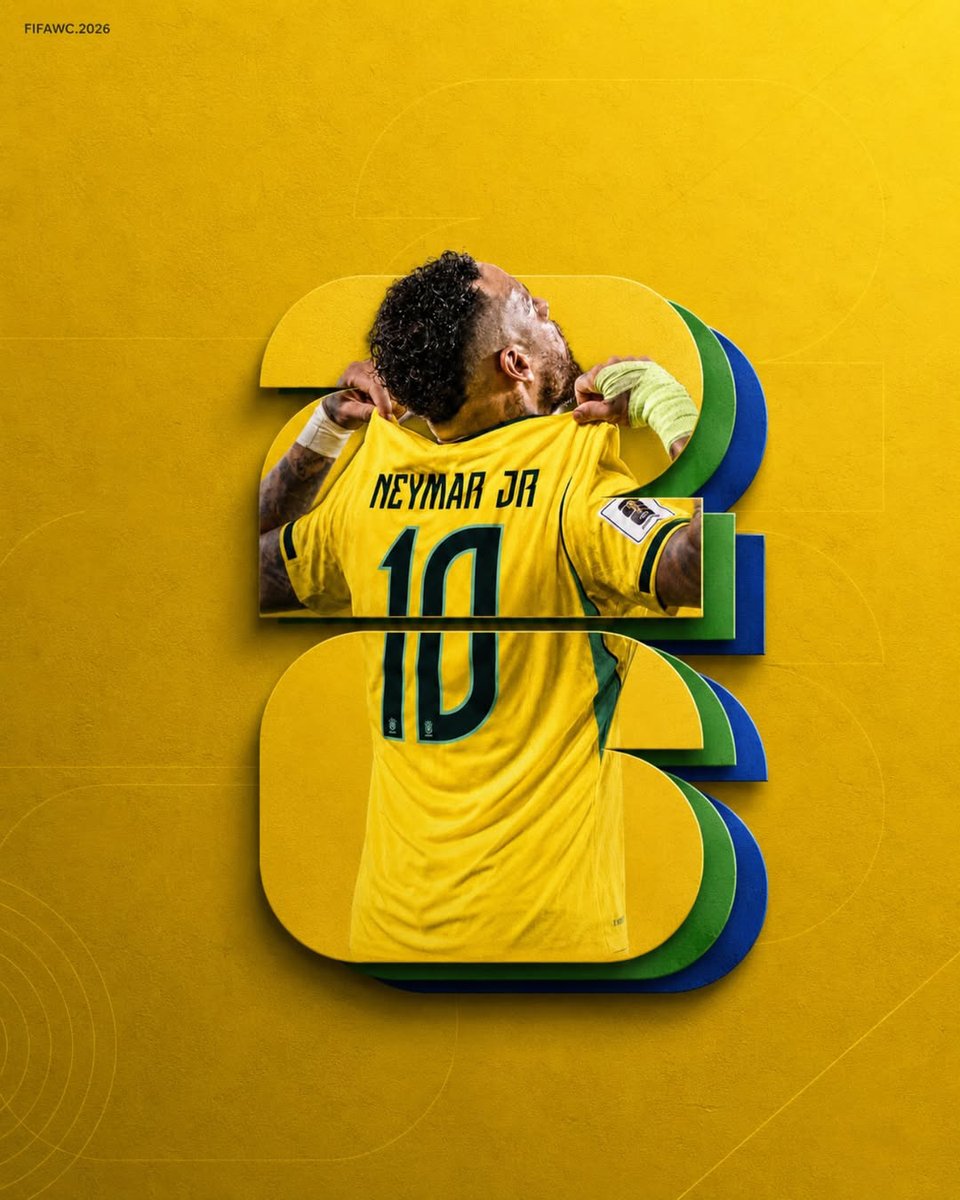 Πόστερ ποδοσφαίρου Παγκοσμίου Κυπέλλου 26 σε στρώσεις
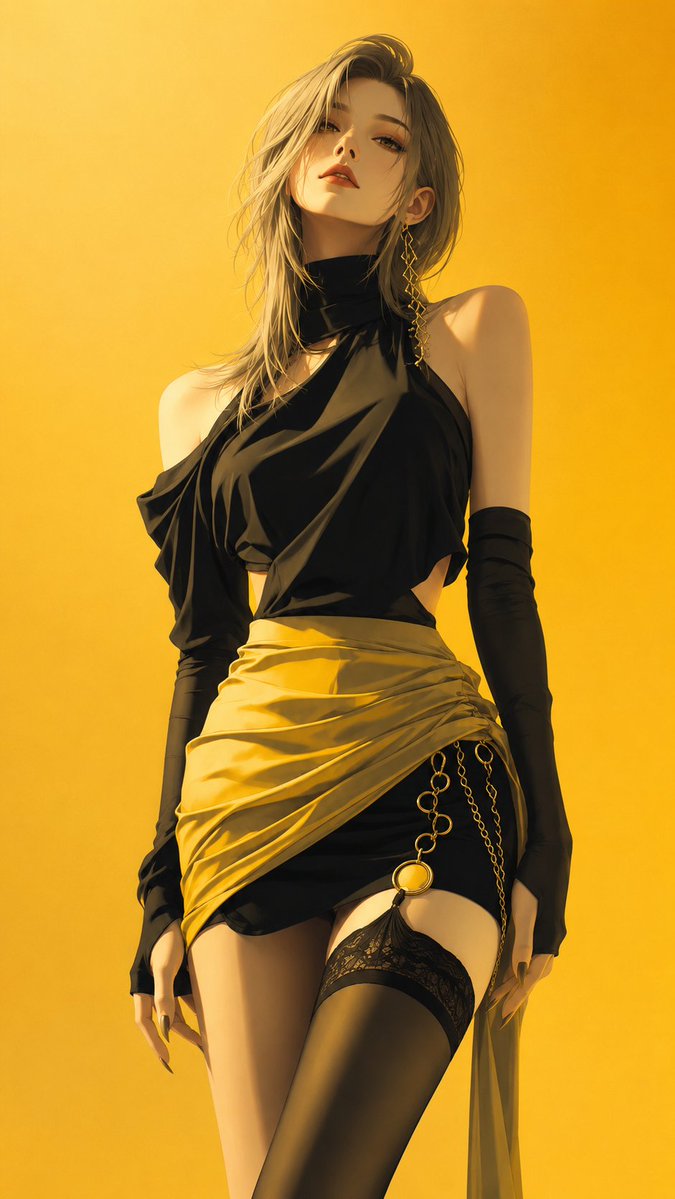 Κίτρινη και μαύρη εικονογράφηση για περιοδικό μόδας anime
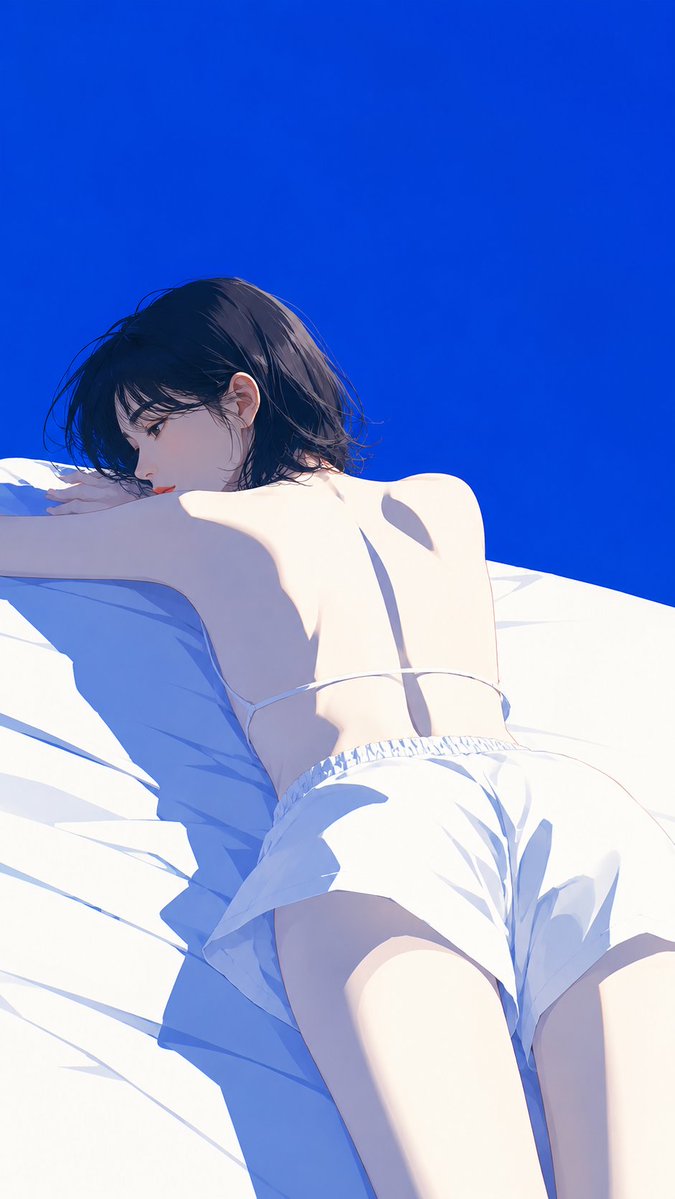 Μινιμαλιστική εικονογράφηση εξωφύλλου ιαπωνικού περιοδικού μόδας
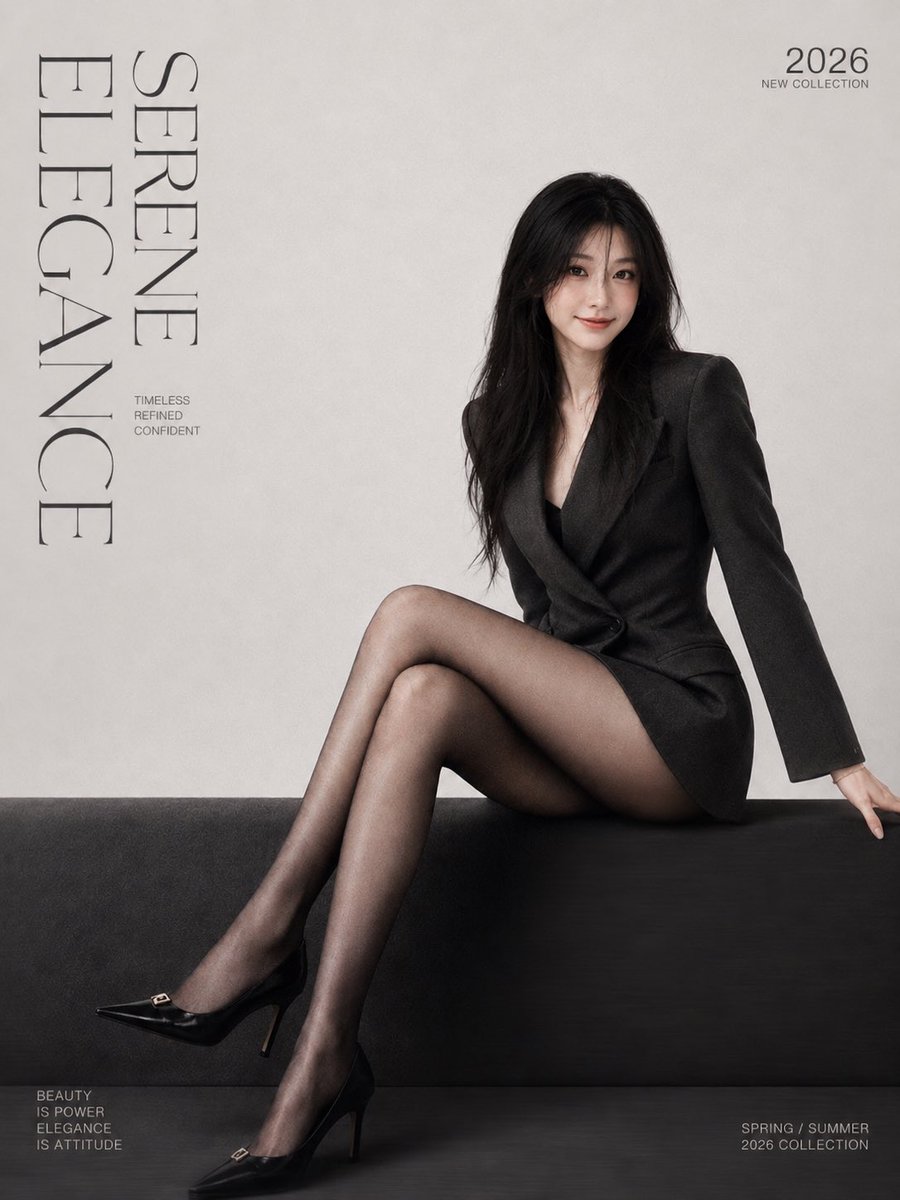 Προσθέστε τη φωτογραφία σαςMinimalistική αφίσα εξωφύλλου περιοδικού μόδας με serif γραμματοσειρά
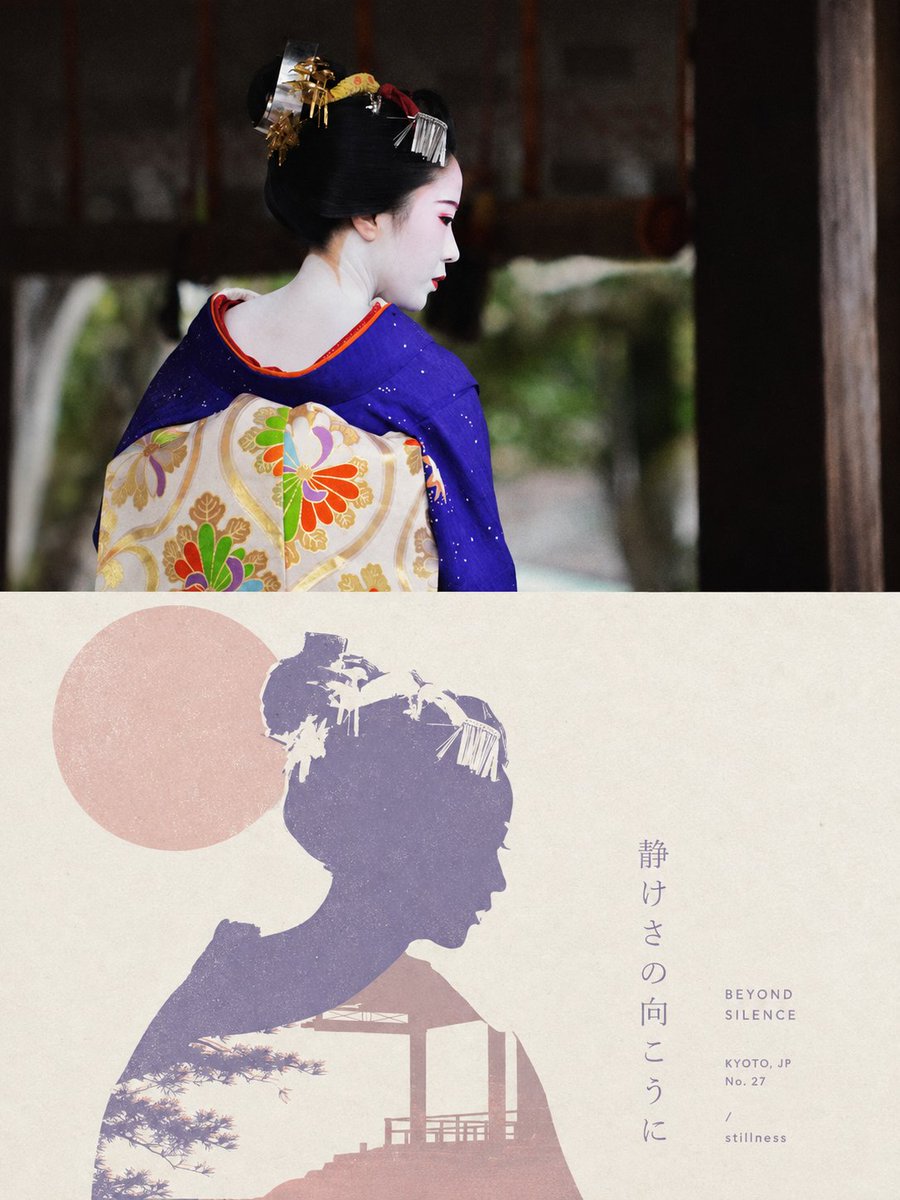 Προσθέστε τη φωτογραφία σαςΑφίσα σε σιλουέτα gestalt με μεταξοτυπία και μορφή Morandi