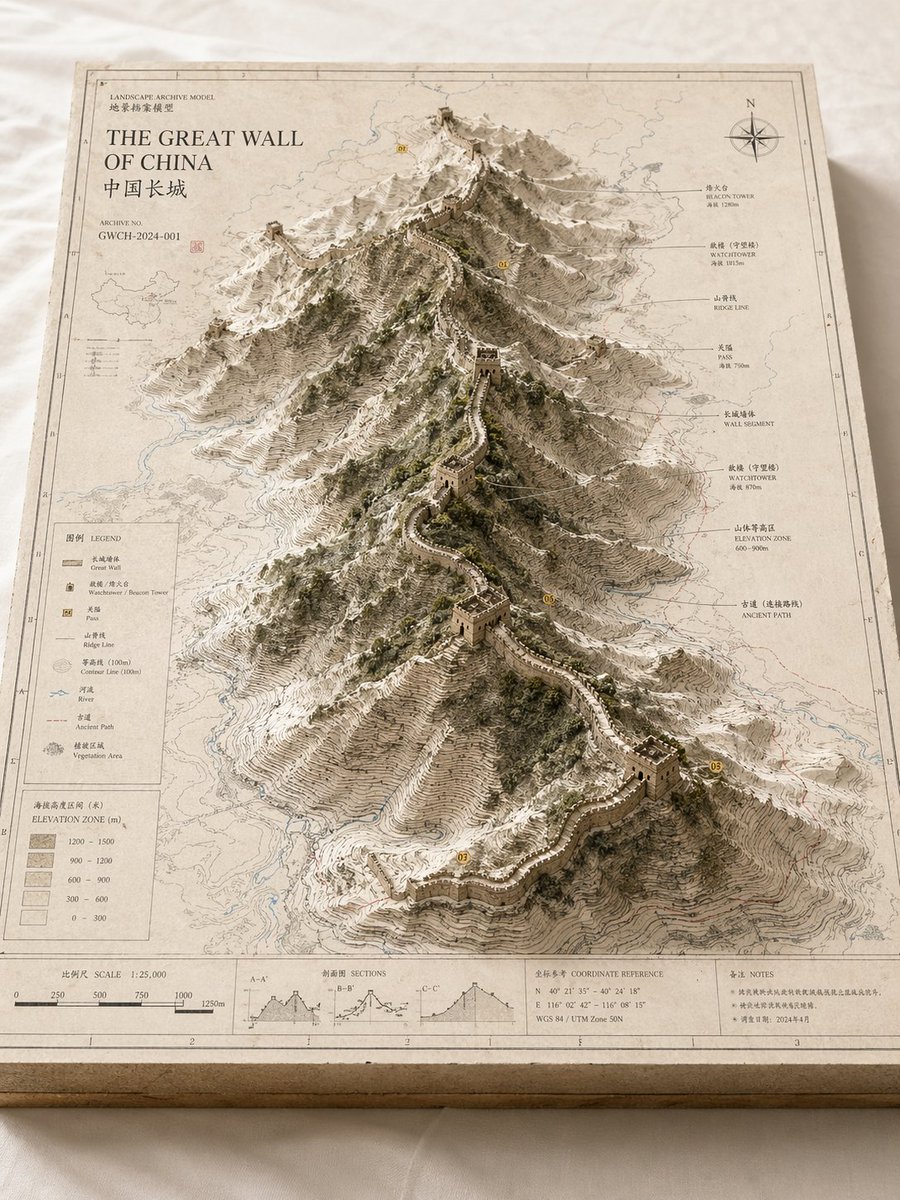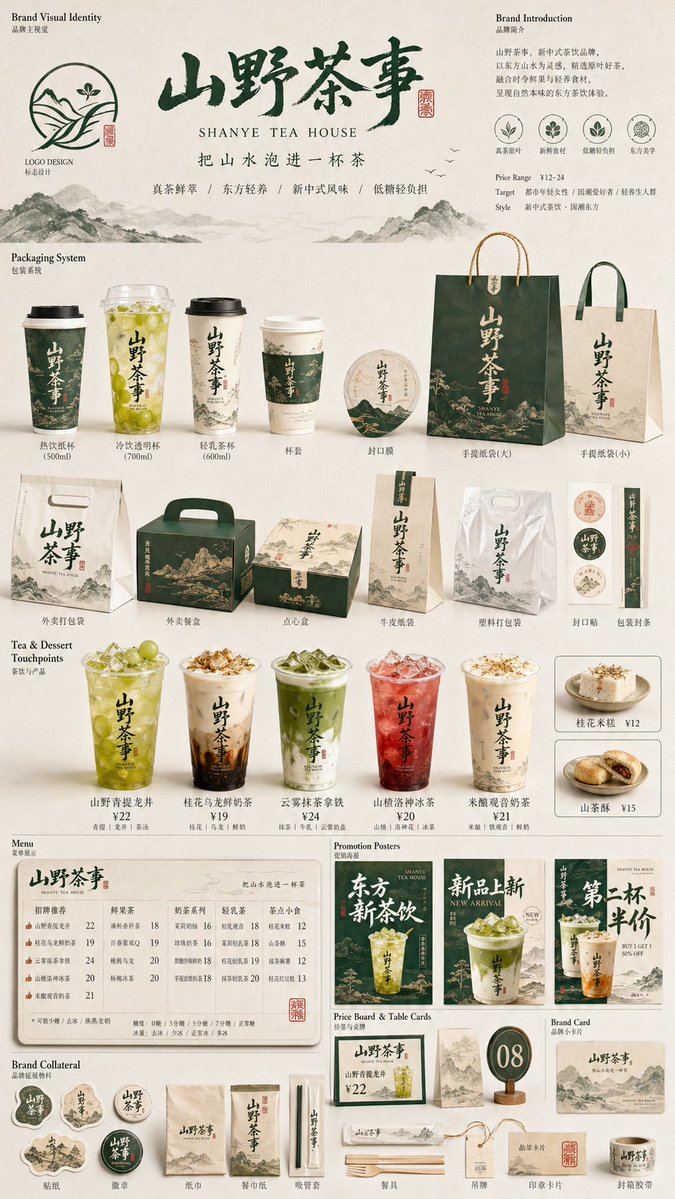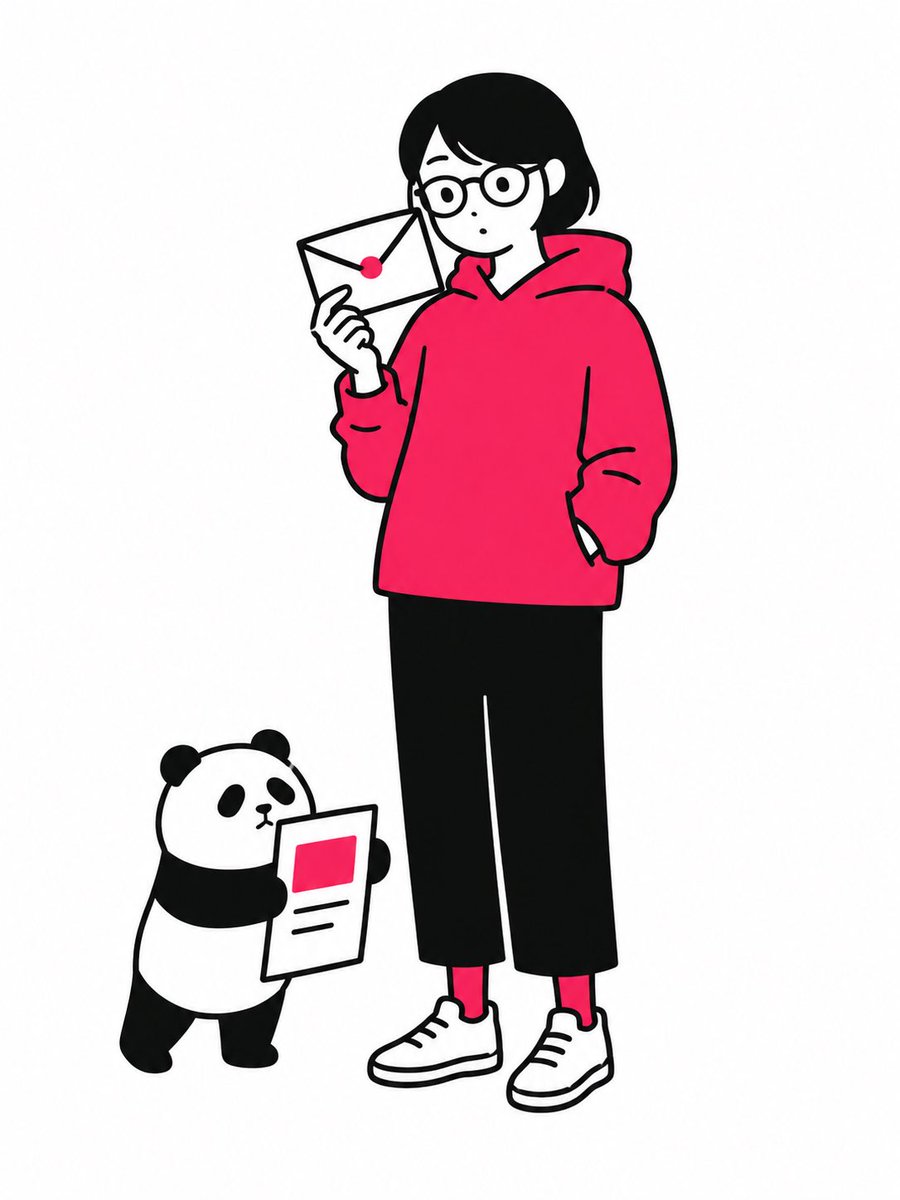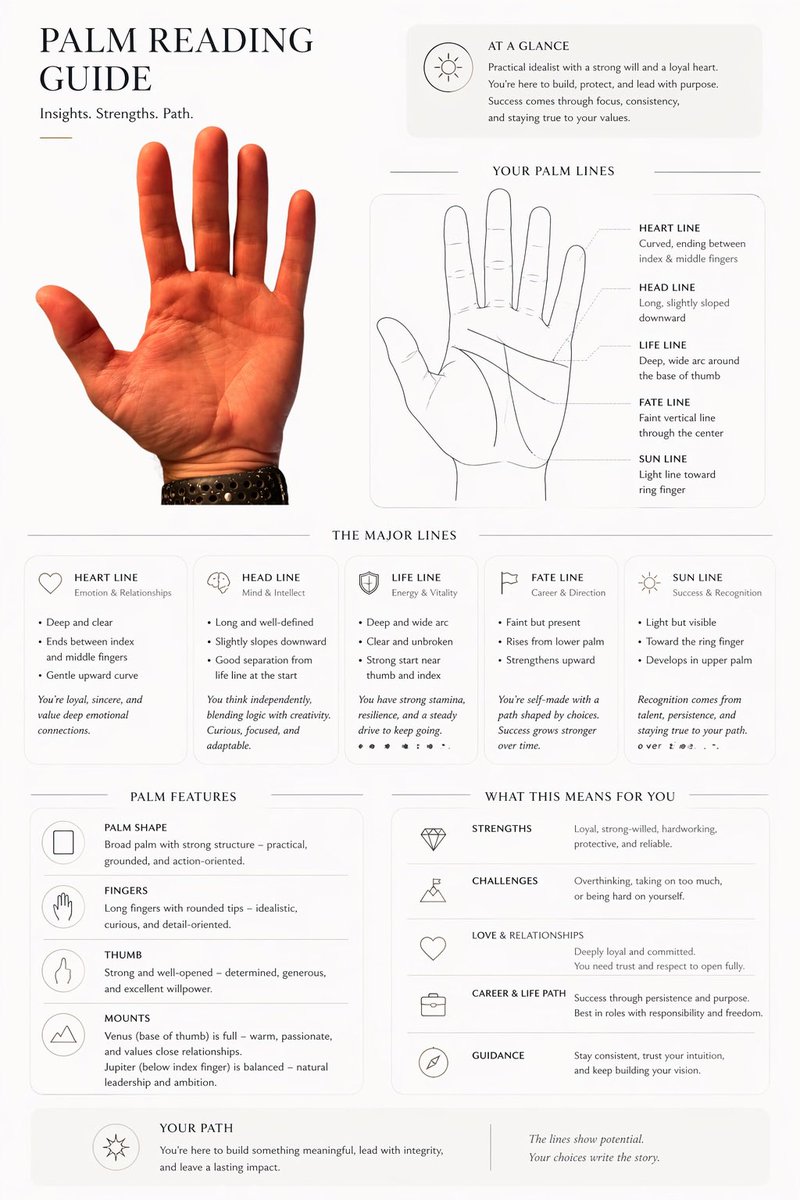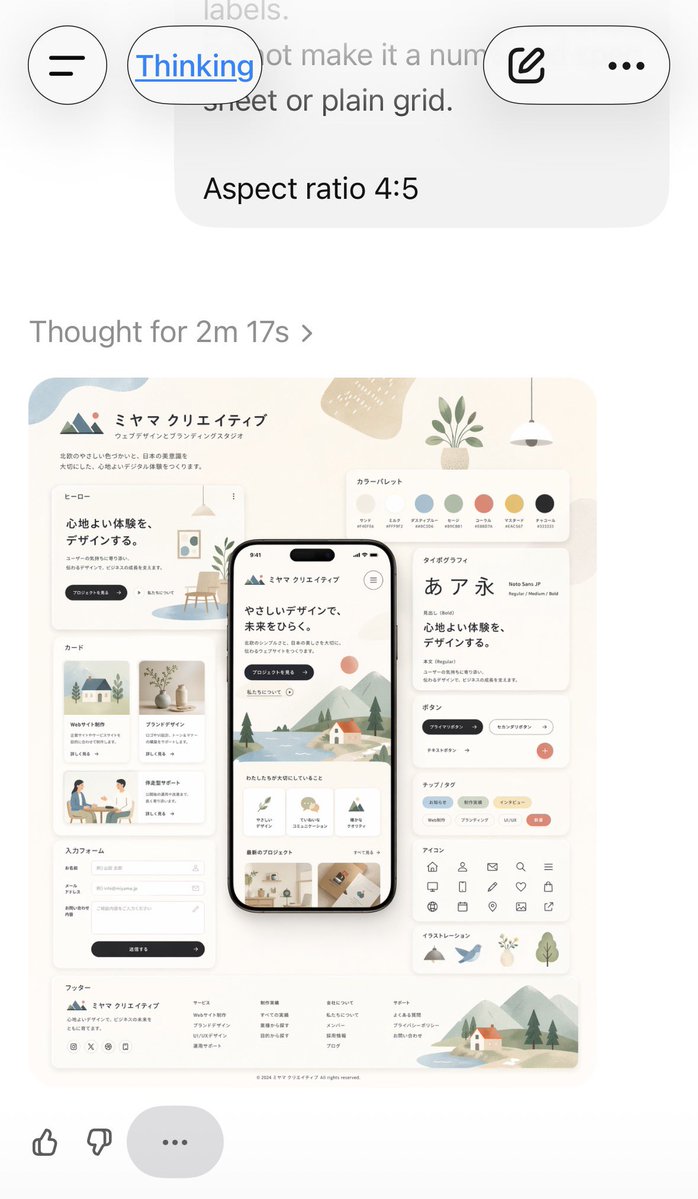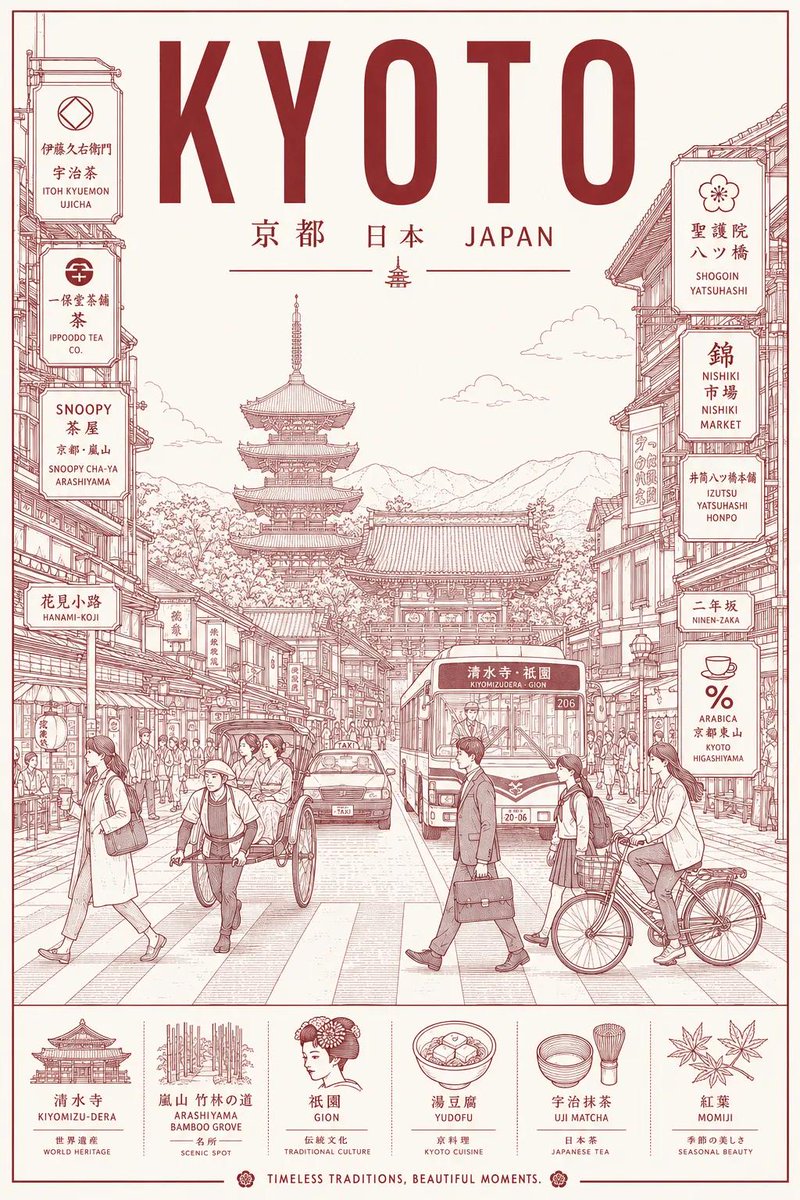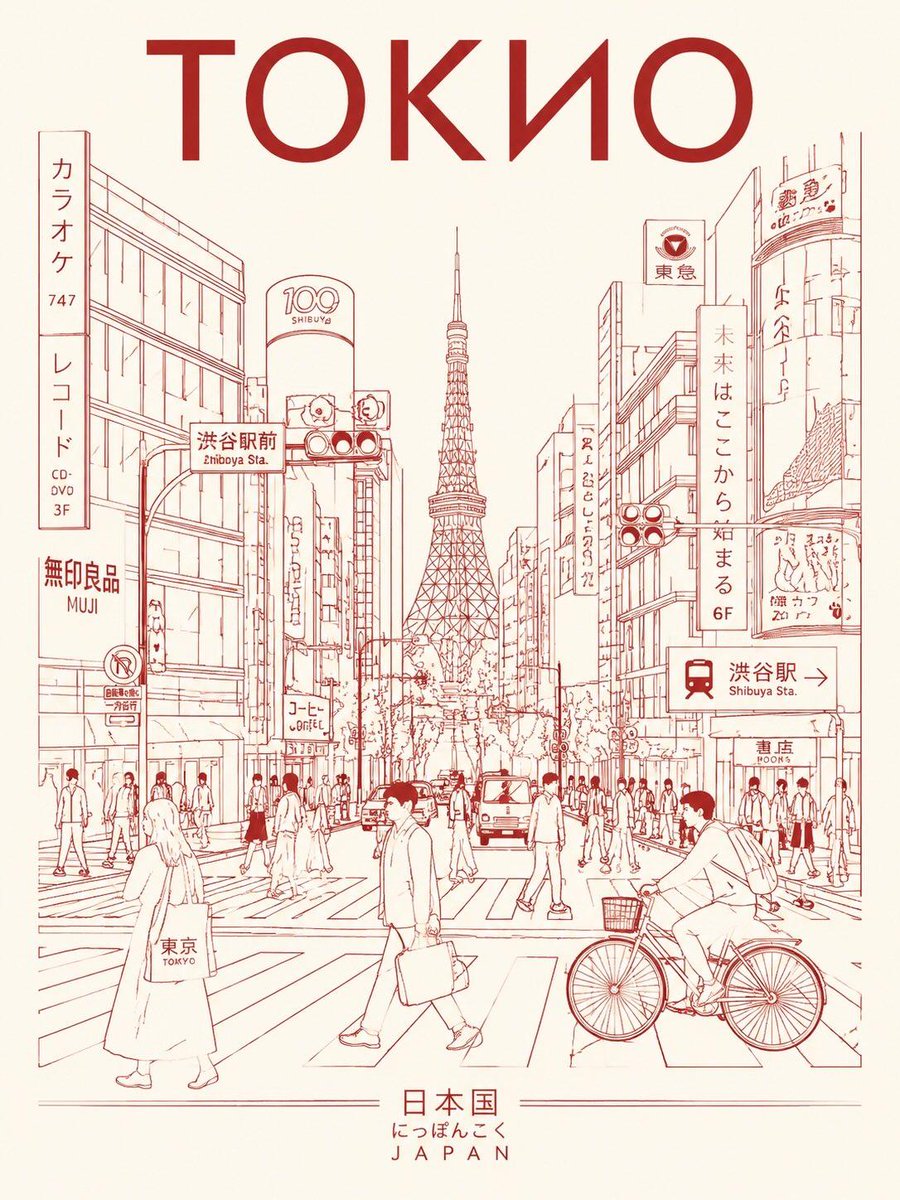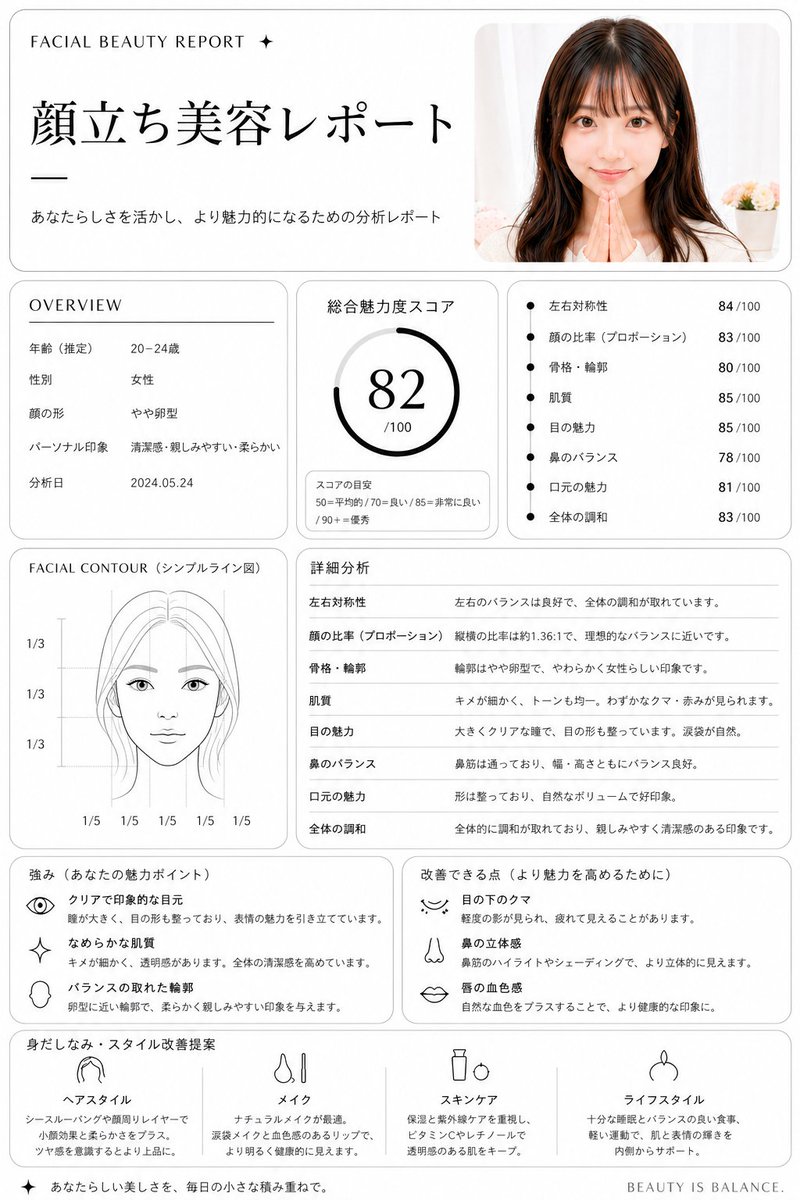
Prompt εικόνας Branding & UI Προσαρμόσιμα
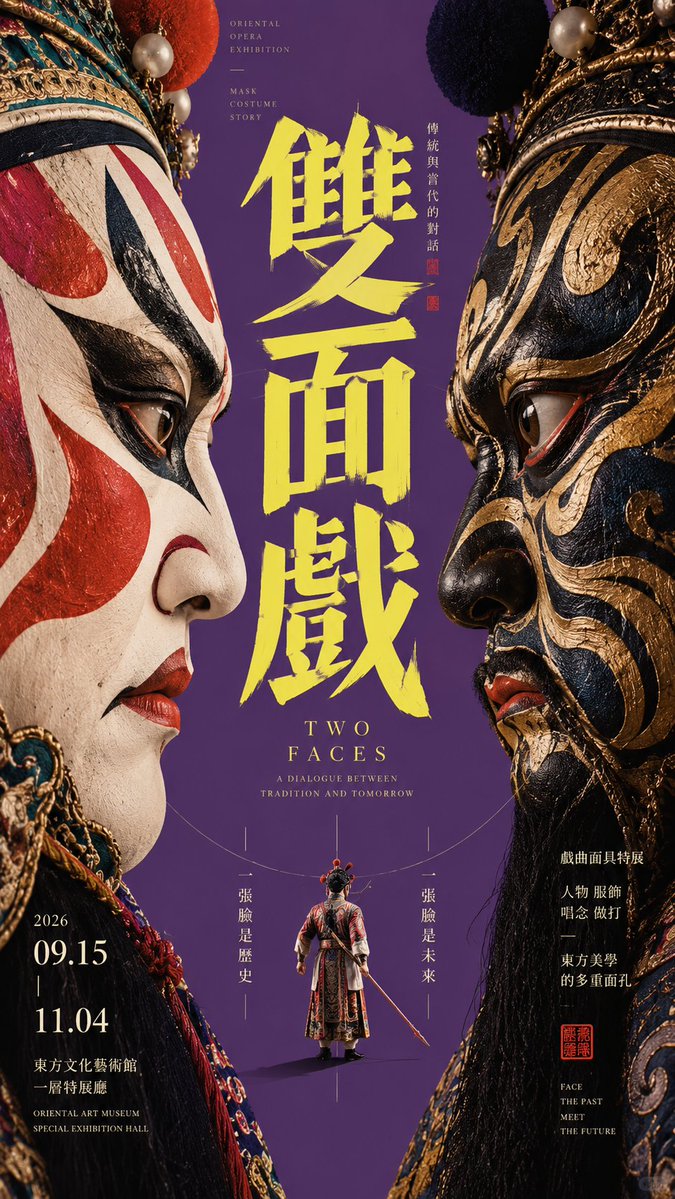
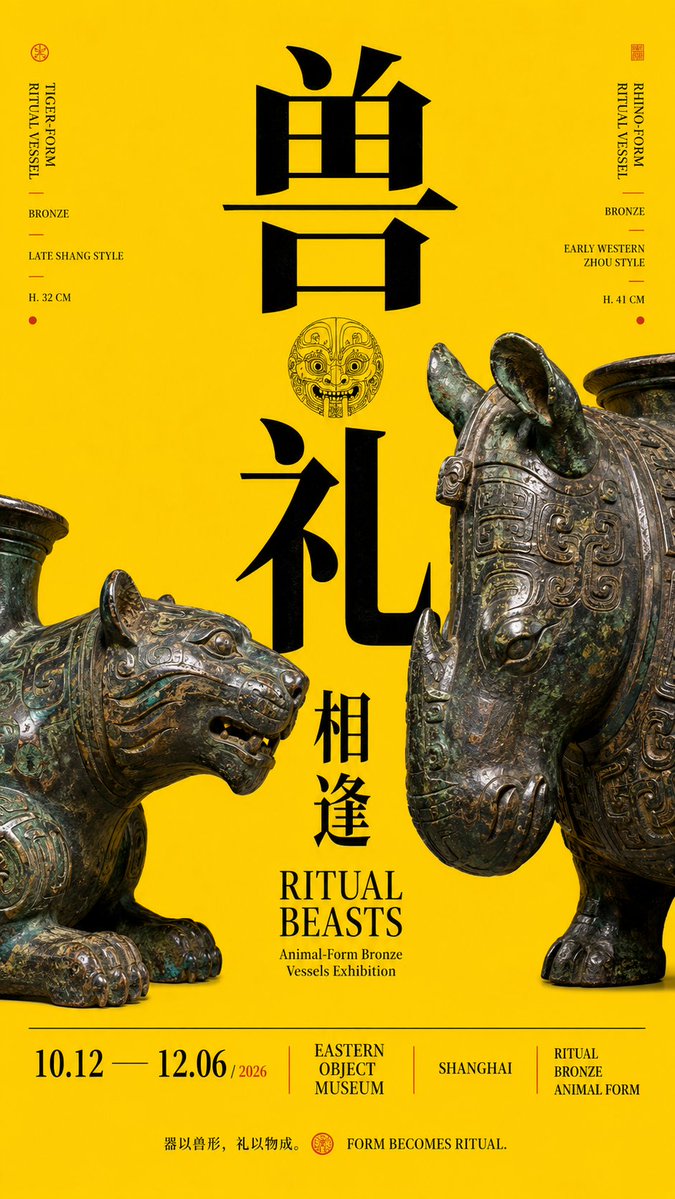
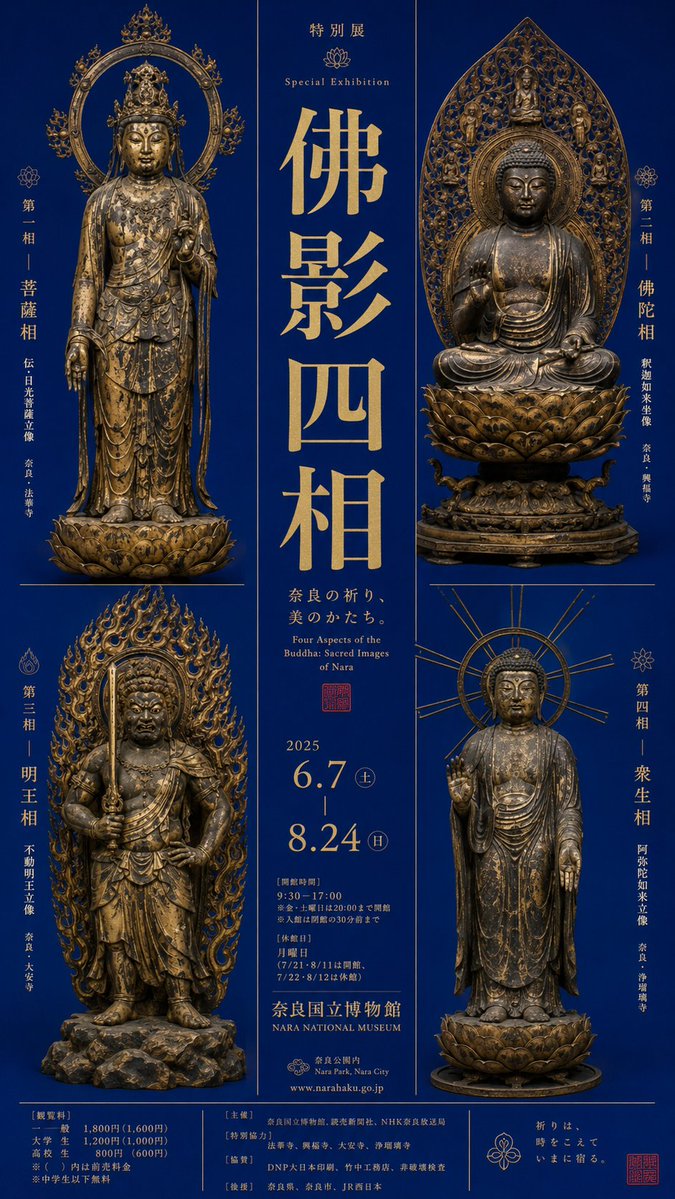
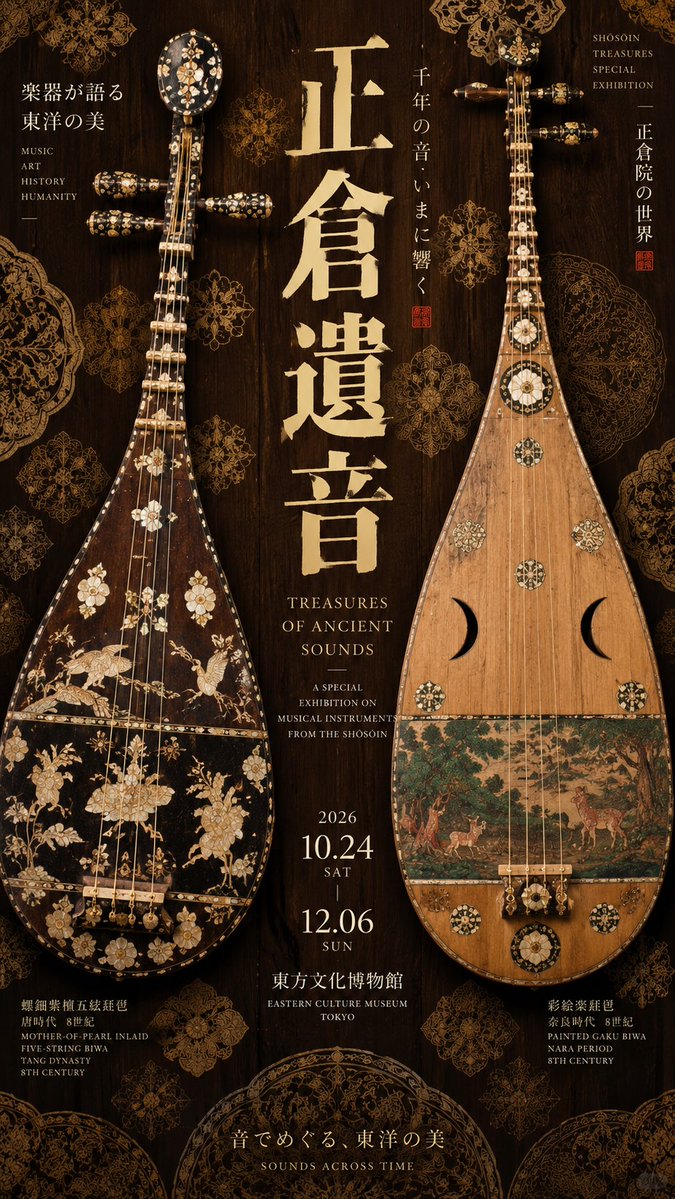
Πρότυπο αφίσας πολιτιστικής έκθεσης με κεντρικό άξονα
Κάθετη αφίσα έκθεσης όπου δύο μεγάλα πλαϊνά θέματα γέρνουν προς τα μέσα από τις άκρες και πλαισιώνουν έναν τεράστιο τίτλο πάνω στην κεντρική γραμμή. Ο συνδυασμός εικόνων κληρονομιάς με τολμηρή σύγχρονη τυπογραφία δίνει μια αίσθηση μουσείου που συναντά το editorial περιοδικό.

- Μοντέλο
- GPT Image 2
- Τύπος
- 4 εικόνες
- Αναλογία διαστάσεων
- 9:16
- Κοινοποιήθηκε
- 4 Σεπ 2026
- Likes στο X
- 28
Θέμα έκθεσηςΚινεζικός τίτλοςΑγγλικός τίτλοςΑριστερό θέμα
Prompt εικόνας
2,714 χαρακτήρεςPrompt: 【Theme】:____ 【Chinese main title】:____ 【English title】:____ 【Left subject】:____ 【Right subject】:____ 【Composition】:bilateral framing / mirrored facing / four-corner array / two-object juxtaposition 【Main background color】:____ 【Title color】:____ 【Subject material / style】:____ 【Date / venue】:____ 【Aspect ratio】:9:16 Generate a "central-axis framing" poster with strong visual impact and a refined cultural-exhibition aura. First establish a clear, stable vertical central axis, then let the left and right subjects jointly exert visual weight toward the center, "clamping" the main title and core information into the focal point of the image. The flanking subjects must be large enough to dominate the visual weight and sit near the edges to create a cropped feel. The two sides may differ in form, size, material, and detail, but the overall visual weight must be balanced, avoiding mechanical mirroring or simple copying. Choose the composition according to the content: Bilateral framing: two large subjects converge toward the center from the sides, with a giant title on the axis. Mirrored facing: two faces, masks, or profiles face each other, creating strong dialogue and tension in the middle. Four-corner array: 4 subjects of the same kind but different forms surround a central vertical title, forming a stable collection arrangement. Two-object juxtaposition: two objects placed side by side, with the axis establishing order through title, date, and decorative motifs. The Chinese main title must be an important visual element—it may use giant vertical typesetting, mixed horizontal-vertical layout, partial cropping, or slight overlap with the subject, rather than just being placed ordinarily at the top. Small English text, date, location, and exhibition notes are concentrated in 2–3 information zones, creating a clear size contrast between the huge title and the tiny text. Information density can be rich, but it must be concentrated and hierarchical, not spread evenly across the layout. Use a large solid-color background to establish strong recognition, such as vermilion red, cobalt blue, lemon yellow, purple, dark brown, or grass green. Keep 3–4 main colors overall, creating contrast through subject material, typography, and a few accent colors. Visual style reference: Museum Exhibition Poster × Contemporary Editorial Graphic Design: historical artifacts, figures, relics, or traditional cultural subjects combined with bold, modern, clear typography. Overall requirements: strong axis, strong subjects, strong color field; composition stable but not rigid; rich in detail but not cluttered; an evident clash between classical content and modern design language.
Πώς να το χρησιμοποιήσετε
Αυτό είναι ένα πρότυπο, γι' αυτό συμπληρώστε κάθε πεδίο σε αγκύλες πριν ξεκινήσετε: θέμα, κινεζικούς και αγγλικούς τίτλους, και τα δύο πλαϊνά θέματα, χρώματα φόντου και τίτλου, καθώς και ημερομηνία και χώρο. Διατηρήστε τη δομή του κεντρικού άξονα και την οδηγία να κόβονται τα πλαϊνά θέματα κοντά στις άκρες, γιατί αυτό κρατά τη διάταξη συνεκτική. Κοινοποιήθηκε ως prompt για το GPT Image 2· τα πεδία σε αγκύλες είναι τα μέρη προς ξαναγράψιμο, ενώ η διατύπωση της σύνθεσης μπορεί να μείνει ως έχει.
Κοινοποιήθηκε δημόσια στο X στις 4 Σεπ 2026. Όλα τα credits για αυτό το prompt και το αποτέλεσμά του ανήκουν στον δημιουργό του. Είναι δικό σας; Ζητήστε ενημέρωση ή αφαίρεση.